Bipenggou Valley Travel Guide: Discover Sichuan’s Hidden Alpine Paradise
Nestled in the heart of Sichuan Province, Bipenggou Valley is a hidden gem waiting to be discovered by nature lovers and adventure seekers alike. Just a few hours from Chengdu, this pristine alpine paradise offers a breathtaking escape from the city’s hustle and bustle. Known for its stunning snow-capped peaks, crystal-clear lakes, and lush forests, Bipenggou is a place where you can truly immerse yourself in the raw beauty of nature. Whether you're hiking through its scenic trails, photographing its vibrant landscapes, or simply soaking in the tranquil atmosphere, Bipenggou promises an unforgettable experience. In this guide, we’ll take you through everything you need to know to explore this unspoiled destination and make the most of your trip.
Chengdu: Where Tradition Meets Adventure – Curated Tours for Every Traveler!
Venture into the heart of Chengdu, where ancient traditions and modern life seamlessly blend together. Whether you're strolling along the scenic Jinli Ancient Street or immersing yourself in the lively atmosphere of the city’s bustling night markets, our exclusive tours offer a mix of history, adventure, and local flavor. From serene temples to vibrant food stalls, let us guide you to Chengdu’s mot fascinating corners.
 4-Day Jiuzhaigou Huanglong Tour: Explore Stunning Natural Wonders
 Western Sichuan Travel: 6 Days "Soul of Shangri-La" Daocheng Yading Tour
About Bipenggou: Basic Overview
1. Geography & Climate
Bipenggou is located in Lixian County, Aba Tibetan and Qiang Autonomous Prefecture, Sichuan Province, approximately 200 kilometers northwest of Chengdu. Stretching along the upper reaches of the Zagunao River, the scenic area spans a vast area with an altitude ranging from 2,000 meters at the entrance to over 5,000 meters at its highest peaks (such as the nearby Siguniang Mountain’s Yaomei Peak). This dramatic altitude difference creates a distinct vertical climate zone: the valley floors are warm and humid, with average temperatures ranging from 15 Celsius to 25 Celsius in summer, while the high mountain areas are cold and dry, with snow covering the peaks year-round.
The ecological environment here is exceptionally pristine, with over 80% of the area covered by primeval forests dominated by spruce, fir, and birch trees. Bipenggou is also part of the Sichuan Giant Panda Habitat, a UNESCO World Heritage Site, and is home to rare wildlife such as golden monkeys, snow leopards (though rarely seen), blue sheep, and various species of birds. In spring and summer, the mountains come alive with alpine rhododendrons, primroses, and other wildflowers, painting the slopes in a riot of colors.
2. Historical & Cultural Background
The name "Bipeng" originates from the local Qiang and Tibetan languages, with "Bi" meaning "beautiful" and "Peng" referring to "valley"—a fitting description for this stunning landscape. For centuries, this area has been a cultural crossroads where Tibetan and Qiang communities have lived in harmony, their traditions and lifestyles deeply intertwined with the natural environment.
Bipenggou’s development as a tourist destination began in the 1990s, but great care has been taken to preserve its ecological and cultural integrity. Unlike many overdeveloped scenic spots, Bipenggou balances tourism infrastructure with conservation, ensuring that future generations can also enjoy its natural and cultural treasures.
Address:Zhuangfang Village, Putou Town, Li County, Aba Tibetan and Qiang Autonomous Prefecture
Inquiry Hotline: 0837-6824845 / 0837-6824901
Explore Bipenggou’s Nature & Humanities
A. Core Natural Landscape Area
1. Longwanghai
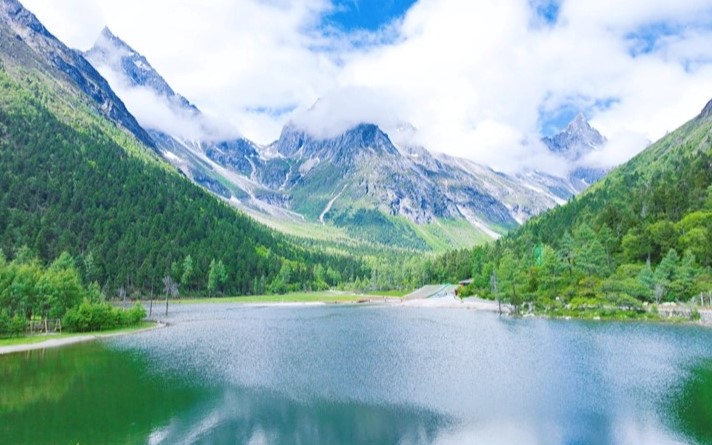
The Longwanghai Scenic Area is located 11 kilometers from the visitor center and 3 kilometers from Namu Lake, with an elevation of approximately 2,950 meters. Key scenic spots within the area include Longwanghai, the Starry Sky Campsite, the Ecological Resource Exhibition Hall, Jinghai (Still Lake), Qingquan Lake, the Verdant Path, Birdsong Forest, and the Flying Waterfall. It is a jade-like alpine lake, offering a stunning landscape year-round. In spring and summer, the surrounding mountains compete in beauty with lush greenery. During late autumn, the mountains are covered in red hues, displaying vibrant colors of purple and pink. In winter, the area turns into a snowy wonderland, with the lake's edge wrapped in silver, offering a pristine, crystal-clear appearance. The lake reflects the blue sky, white clouds, snow-capped peaks, and flying birds, creating a fairy-tale-like atmosphere.
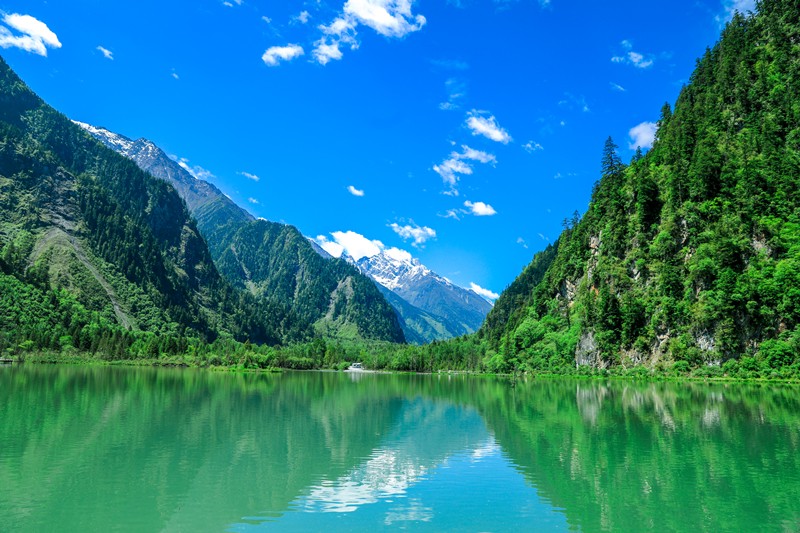
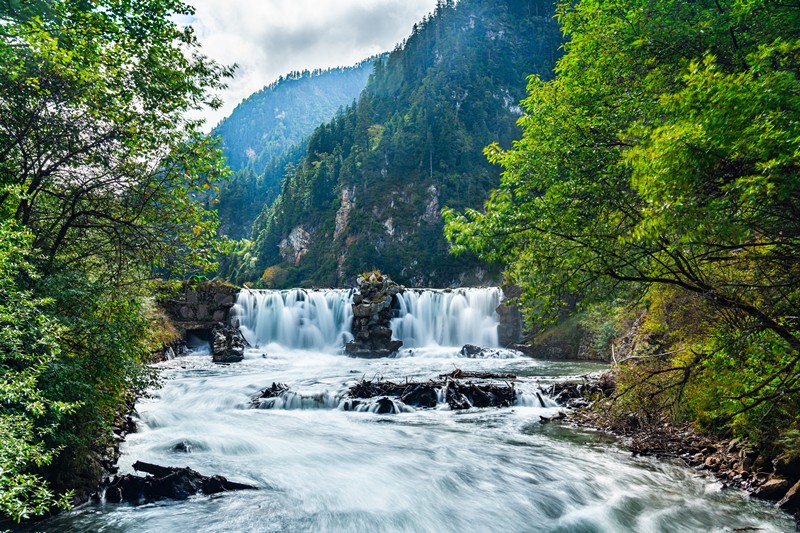
· Feature: "Welcome Lake" at the entrance of Bipenggou, lake water reflecting snow-capped mountains and forests, different scenery in four season.
· Activities: Hiking along the lakeside plank road, photography, watching sunrise reflections.
2. Namu Lake
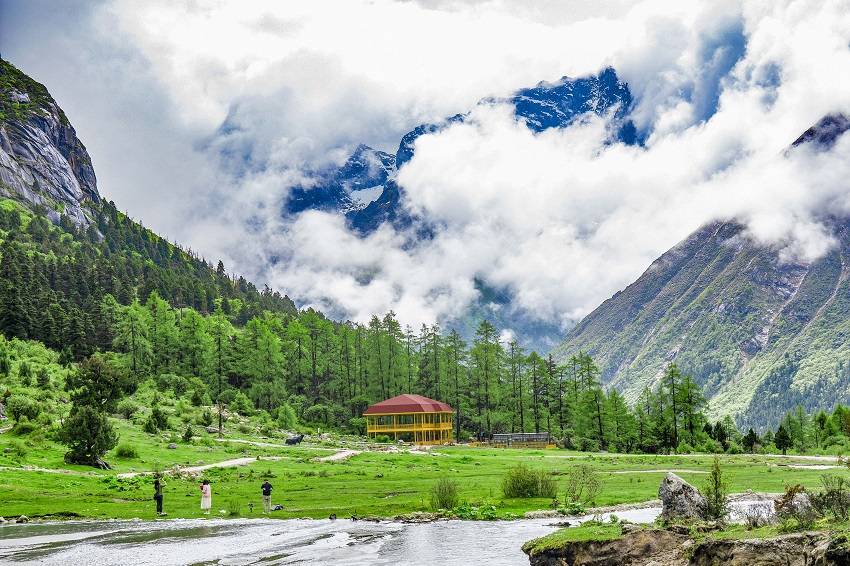
Namu Lake (meaning "Fairy Lake") is one of the most popular attractions in Bipenggou, known for its stunning scenery and hot springs. Located at an altitude of 3,400 meters, the lake is surrounded by lush meadows and snow-capped peaks, creating a picturesque landscape. The water is so clear that you can see the pebbles at the bottom, and in summer, the lake is dotted with colorful wildflowers, adding to its beauty.
One of the highlights of Namu Lake is the hot spring resort located on its shore. The hot spring water has a temperature of around 42 Celsius, rich in minerals that are beneficial to the skin and body. Soaking in the hot spring while looking out at the snow-capped peaks (in winter) or green meadows (in summer) is a truly unforgettable experience. The resort offers both indoor and outdoor hot spring pools, as well as private villas with their own hot spring tubs.
In winter, Namu Lake freezes over, and the surrounding area is covered in snow, turning it into a natural ice rink. Visitors can rent ice skates and glide on the frozen lake, or simply enjoy the beautiful rime formations on the trees.
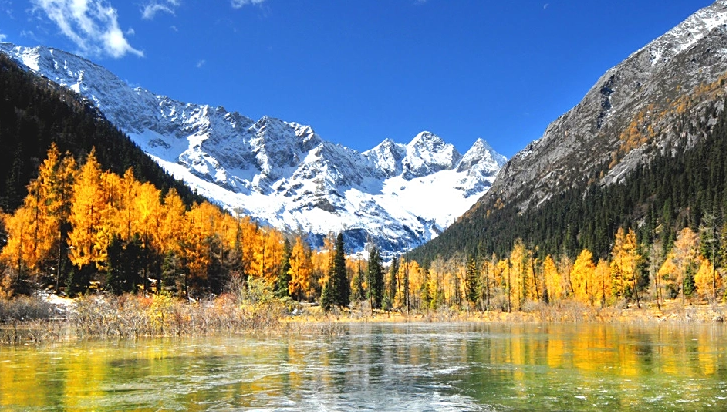
· Feature: Alpine freshwater lake with clear water, surrounded by meadows; camping in summer, natural ice rink in winter.
· Surroundings: Namuhu Hot Spring (soak in hot springs while enjoying snow scenery/stars, must-try in winter.
3. Panyang Lake, Moon Bay
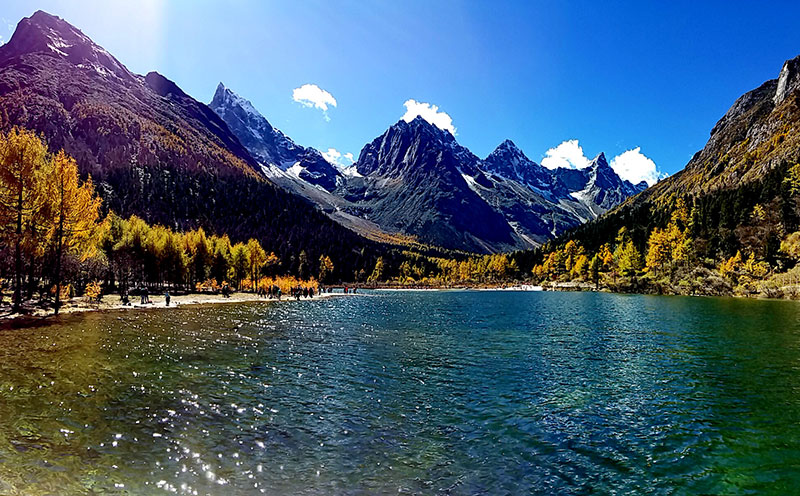
Panyang Lake, located 3,676 meters above sea level, covers a water area of 450,000 square meters with a depth ranging from 2 to 6 meters, making it a typical alpine lake. Its water is mainly supplied by melting snow and ice, mountain springs, and groundwater, with the water volume varying with the seasons. The surrounding rivers flow gently, and lush aquatic plants and shrubs thrive around the lake. The lake is home to cold-water fish, rock fish, and other aquatic species, while wild ducks and other waterfowl often inhabit its waters. Surrounded by mountains on all sides, this area is also a frequent haunt of blue sheep—hence the local name "Panyang Lake". Around the lake, visitors can find primeval forests, rhododendron groves, ancient Minjiang cypresses, exotic peaks and strange rocks, as well as the iconic Pyramid Snow Mountain. You can enjoy the breathtaking view of surrounding trees and snow-capped mountains reflected in the lake. The trees change in shape and color with each season, yet they remain equally enchanting year-round.
Walking along the lakeside plank road, you will reach Moon Bay. This area was originally a river beach; as water flows through, it constantly scours and deposits river sand, forming a stream belt shaped like a half-moon. The environment here is vast and serene, resembling a moon descending on earth—thus giving it the name "Moon Bay".
In addition, the Moon Bay Service Center offers catering, coffee, tea, and rest services for your convenience. Tourists who need to take the second section of the electric shuttle bus can purchase one-way or round-trip tickets here.
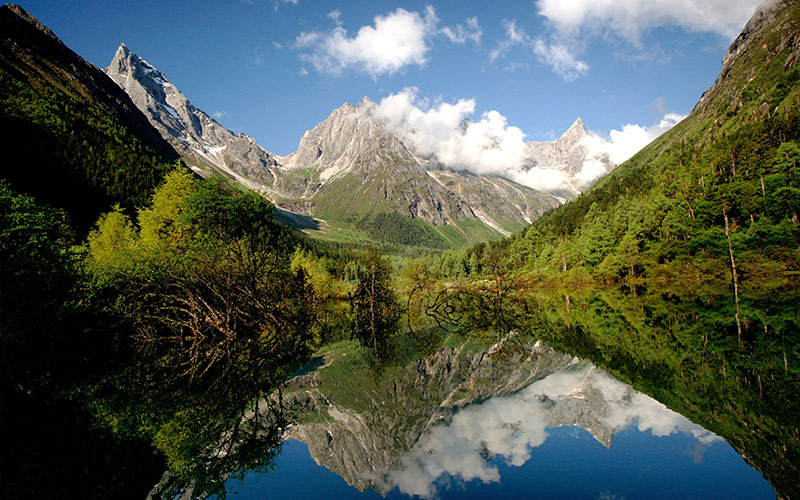
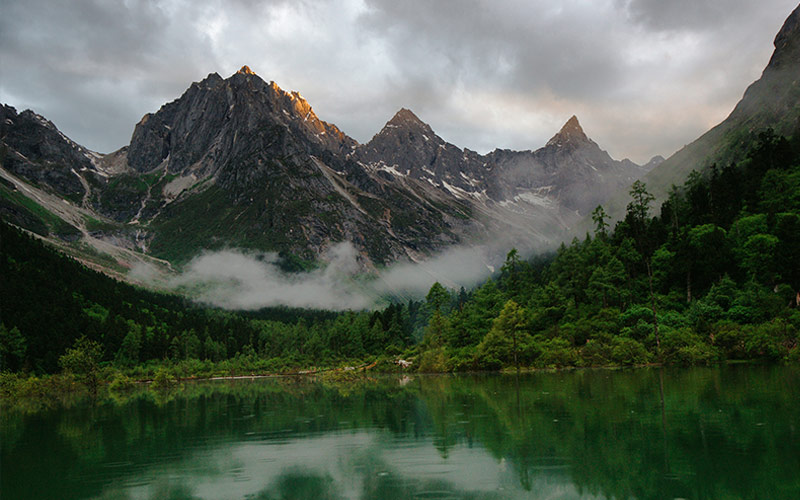
· Feature: Core alpine lake of Bipenggou, with a broad surface and azure water, surrounded by primeval forests and alpine meadows; wild animals like blue sheep often appear.
· Activities: Hiking along the lakeside plank road, camping and picnicking by the lake, shooting reflections of snow-capped mountains and forests.
4. Hongye Valley
Hongye Valley stretches for 11 kilometers, with an elevation ranging between 2,200 and 2,900 meters. The valley is lush with vegetation, covered by tall trees and subalpine dark coniferous forests, as well as mixed needle-leaf and broad-leaf forests. Large areas of arrow bamboo, red birch, and sea buckthorn thrive here. The valley is also home to first and second-class protected animals, including the Sichuan golden monkey and the red panda.
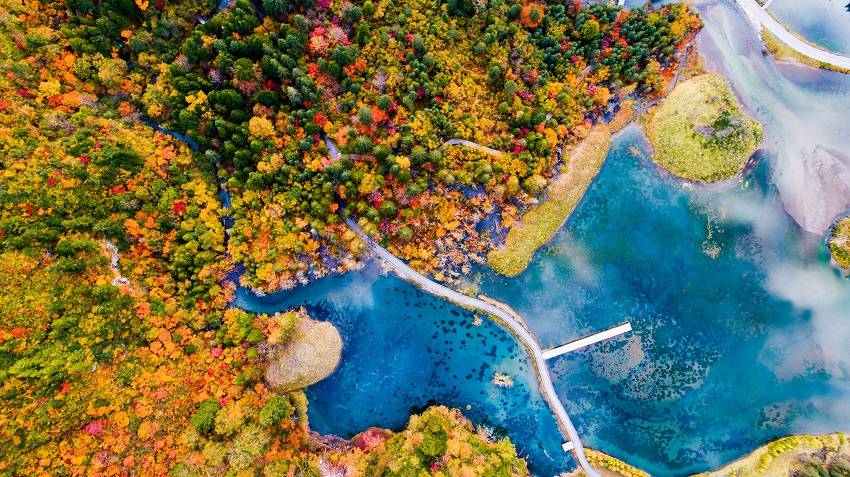
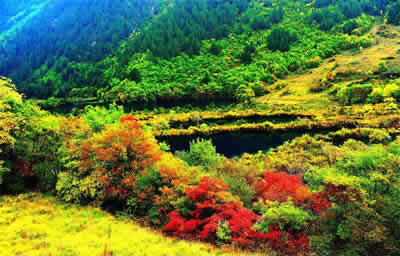
The waterfalls cascading through the gorge create impressive, multi-tiered cascades that are truly spectacular. In autumn, the entire forest is transformed by vibrant fall colors, with red, yellow, and green layers beautifully arranged. The fiery red autumn leaves, reminiscent of the soul of the snow-capped mountains, gracefully display their charming hues. The best time to visit for leaf viewing is from October to November, when the valley is at its most colorful and breathtaking.
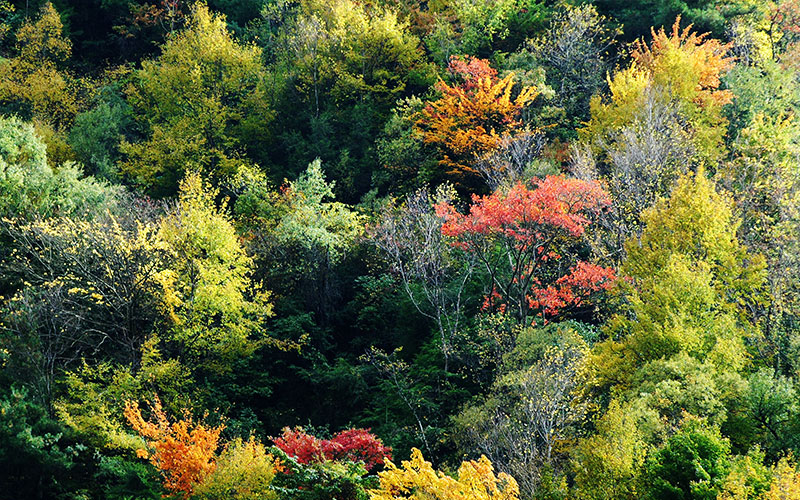
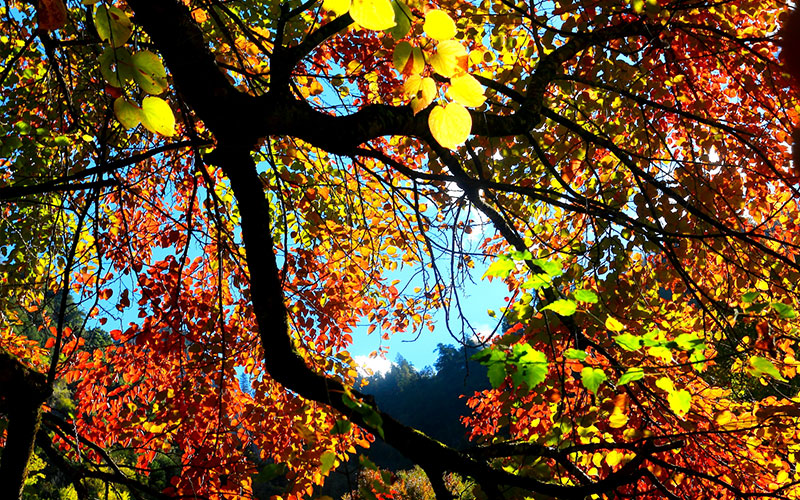
· Feature: Core autumn leaf-viewing area of Bipenggou; dense with redwoods, birches and maples in the valley; red leaves cover the mountains from October to November, with forests in layered colors and intense hues.
· Activities: Hiking to view leaves, portrait photography, capturing the beautiful scene of red leaves and streams in the same frame.
Experience the Magic of Chengdu: Exclusive Tours Tailored to Your Interests!
Discover a city brimming with hidden gems and timeless traditions.
Our thoughtfully designed tours offer a deep dive into Chengdu’s unique culture and beauty. Explore picturesque nature reserves, experience traditional tea ceremonies, or enjoy the thrill of street food adventures. Whether you're after a peaceful retreat or an exciting culinary journey, our tailored itineraries cater to every taste and interest.
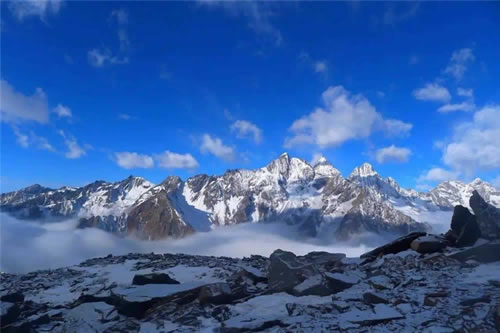 5 Days Tibet Culture Tour with Mount Siguniang
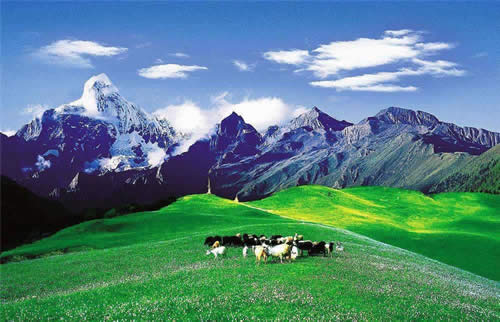 2 Days Danba Jiarong Tibetan Culture Tour from Chengdu by Flight
5. Jing Lake
Jing Lake is a poetic and serene lake, nestled amidst picturesque mountains and crystal-clear waters. The lake’s surface is calm and transparent, allowing the pristine water to reflect a beautiful landscape that resembles a traditional Chinese landscape painting. Jinghai Lake is fed by underground springs, providing a stable, cool environment in summer and a warm refuge in winter. Its tranquility and natural beauty make it a peaceful escape for visitors, offering a perfect spot for reflection and relaxation.
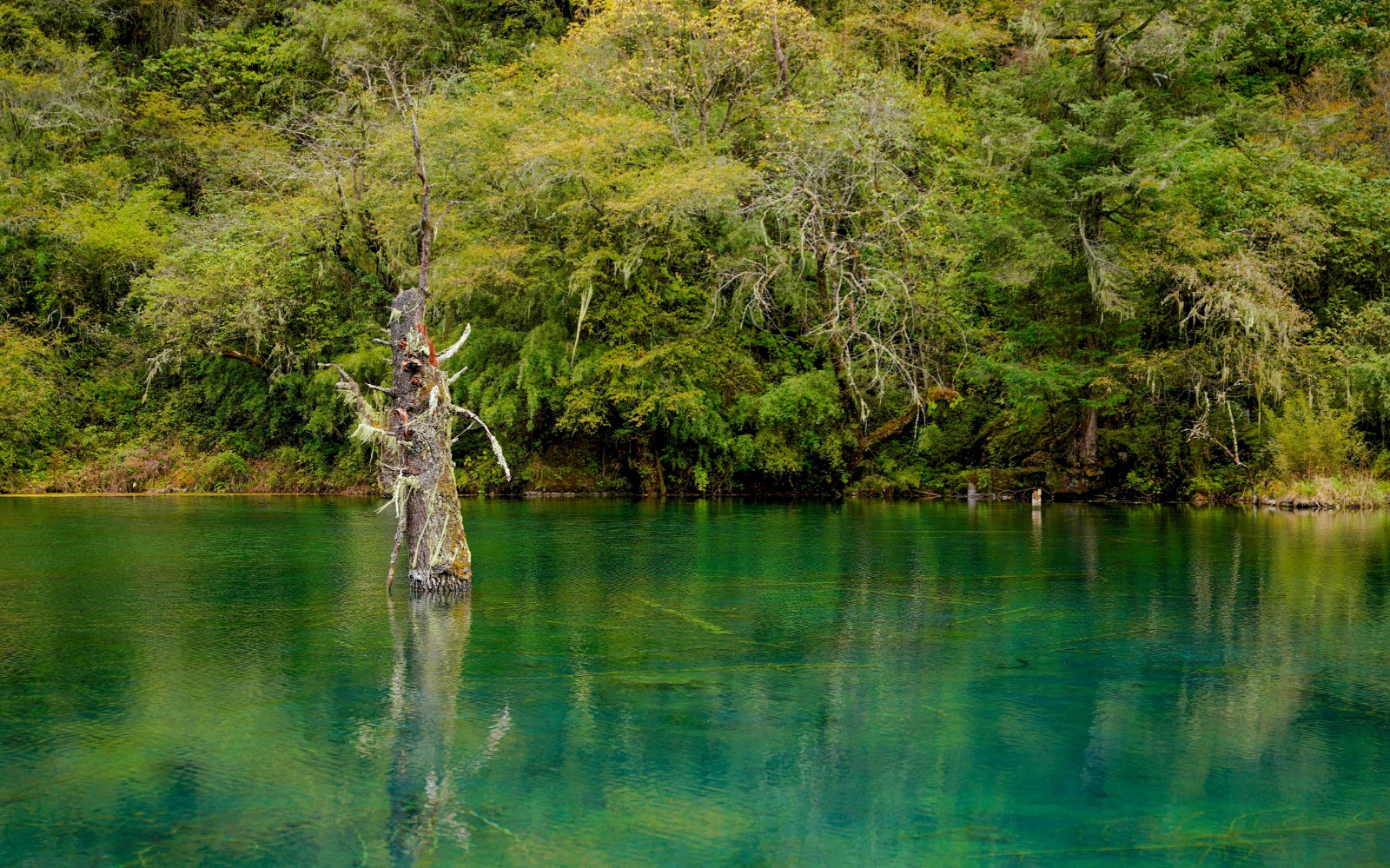
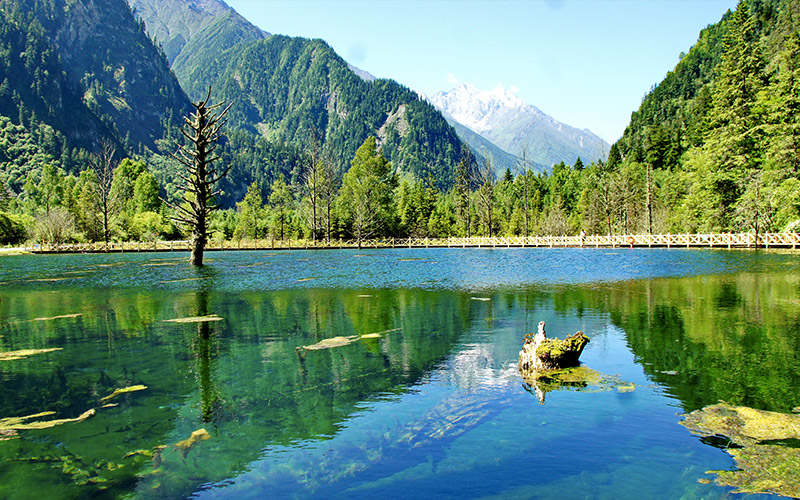
· Feature: An alpine lake famous for "calmness"; the lake surface is calm without ripples, and the reflection is as clear as a mirror, perfectly reproducing the sky, snow-capped mountains and forests, quiet and healing.
· Activities: Sitting quietly to enjoy the scenery, slow shooting reflections, capturing the mirror effect in the morning or dusk.
6. Zhuoma Lake
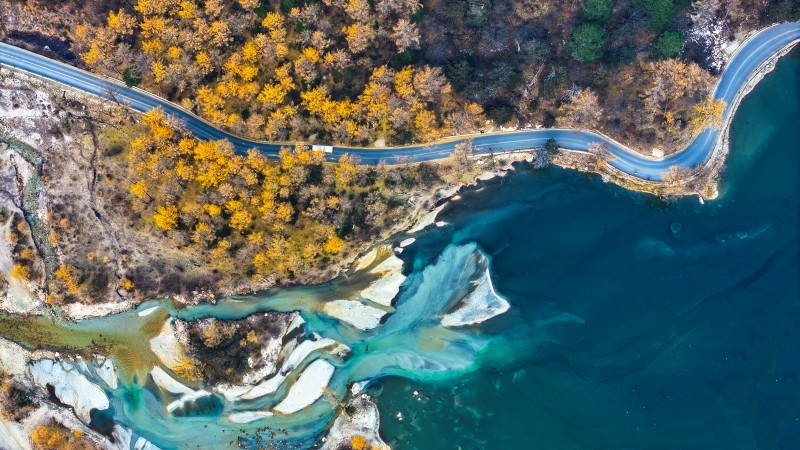
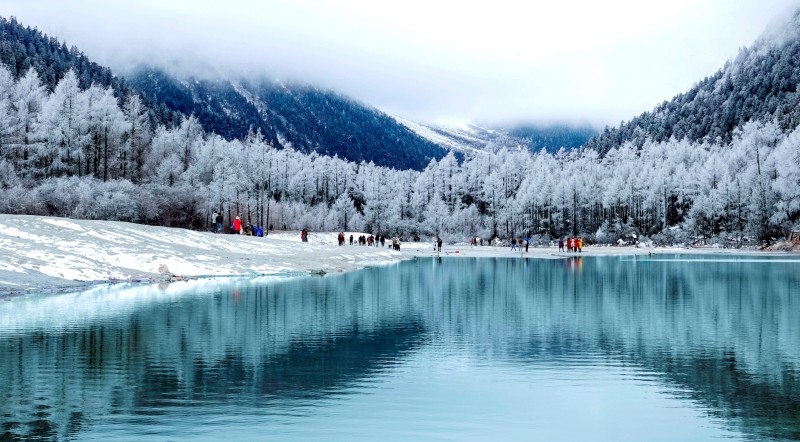
This pristine alpine lake is located at an elevation of approximately 3,612 meters, covering an area of 8,000 square meters. The average depth of the lake is 5 meters, with the deepest part reaching up to 10 meters, holding a total water volume of 40,000 cubic meters. The lake is primarily fed by melting snow and ice from the surrounding high mountains, rainwater, and mountain springs, which have accumulated and formed the lake over time, with sediment building up at its bottom.
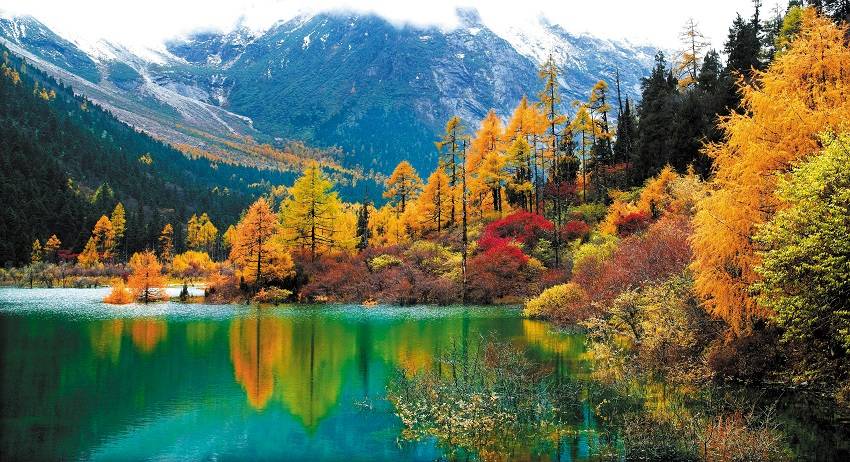
The water is crystal-clear and continuously flowing, giving it a vibrant and dynamic feel. In the golden autumn, the surrounding colorful forests, with their red leaves, embrace the lake in a riot of colors. The lake is named Zhuoma Lake after its resemblance to a beautiful Tibetan girl adorned in splendid robes and jade jewels. The turquoise waters reflect her soulful eyes, while the surrounding colorful forests resemble her magnificent Tibetan attire. The snow-capped mountains in the distance stand as a silent guardian, like a lovestruck youth, watching over Zhuoma Lake.
· Feature: A shoal area where alpine meadows and streams interweave; lush water and grass, gurgling streams; legend has it that it is the bathing place of the Tibetan girl "Zhuoma", full of poetry.
· Activities: Wandering on the meadow, playing in the stream, shooting scenes combining humanity and nature.
7. Yanziyan
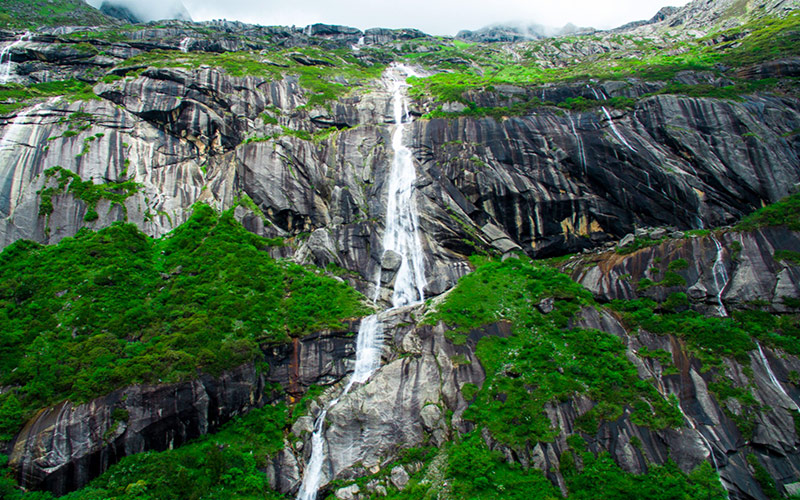
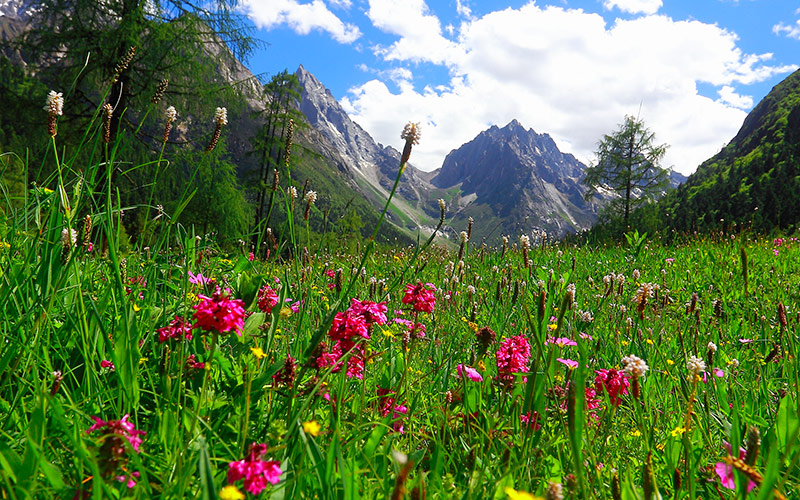
Yanziyan is situated at an elevation of 3,837 meters. The expansive meadows at Yanziyan are surrounded on three sides by Chazi Gully Glacier, General Peak, and Queen Peak. Within the meadow, visitors can wander freely, with a stream formed by melted snow from the surrounding snow-capped mountains running through the center. The area is enveloped by glaciers and snow-capped peaks that remain covered in snow year-round, and the sky appears eternally blue, with white clouds drifting gently in the breeze. The sound of the wind passing through the mountain passes and peaks creates a peaceful, timeless atmosphere, almost as if time itself has stopped.
The area is known for its beautiful natural landscapes and pristine ecological surroundings, featuring things like primeval forests, alpine lakes, alpine meadows, rhododendrons, waterfalls, strange rock formations, and famous landmarks such as Queen Peak, Twelve Maidens Peak, and Monkey Head Peak.
· Best Viewpoints: The highest point of the viewing platform.
· Tips: High altitude (about 3800 meters), walk slowly to prevent altitude sickness.
8. Bailong Waterfall
Bailong Waterfallis located at an elevation of approximately 3,671 meters. The waterfall spans 10 meters in width, with a drop of around 100 meters. Due to its unique topography, altitude, and impressive height, the water cascades down from the mountain peak into a deep pool below, creating a dramatic display. In an instant, it appears as though a flying dragon is spitting out pearls, with water splashing in all directions, mist rising, and a deafening roar echoing through the valley. The cold air is sharp and piercing, adding to the grandeur of the scene. The power and form of the waterfall resemble a white dragon in motion, which is why it is aptly named Bailong Waterfall.
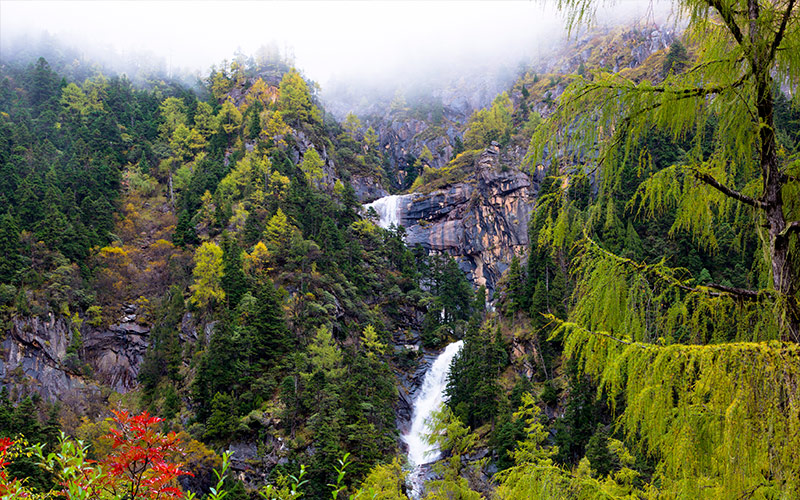
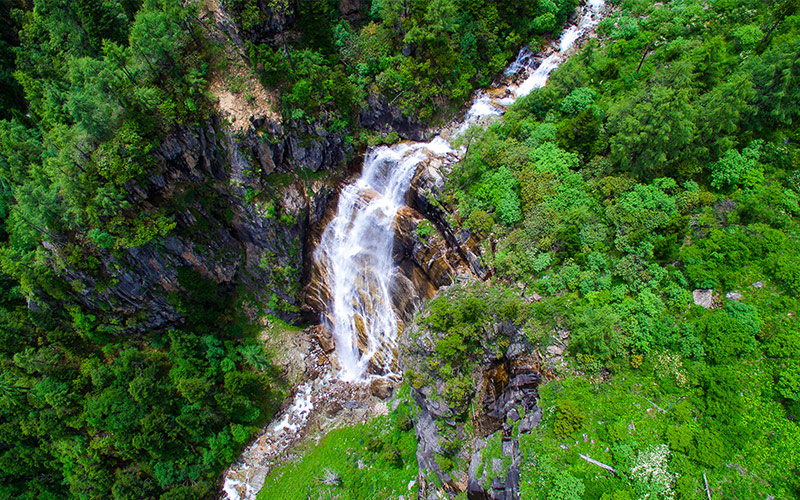
· Feature: One of the iconic waterfalls in Bipenggou; magnificent momentum when water volume is abundant in summer.
· Tips: High water vapor at the bottom of the waterfall, slippery trail, be careful of slipping; more mosquitoes in summer, insect repellent can be carried.
9. Hongshan Lake
Hongshan Lake, located at an elevation of 3,750 meters, is a prime spot for viewing vibrant forests, red rocks, alpine lakes, and rhododendrons. Nestled in a canyon beneath Beauty Peak, the lake is enveloped in a delicate mist, resembling a fine, blue satin veil. The mist seems to dance like a slender fairy, gracefully twisting her body and swaying her arms, creating an ethereal, dream-like atmosphere.
At the upper end of the lake lies Red Rock Slope, where large patches of red stones, resembling agate, are scattered throughout the area. The surroundings are covered with redwood trees and rhododendron forests, adding to the enchanting scenery. The crystal-clear waters of Hongshan Lake perfectly mirror the colorful forests and snow-capped mountains, creating a mesmerizing and unforgettable view. This magical landscape makes it impossible to leave, drawing visitors back again and again.
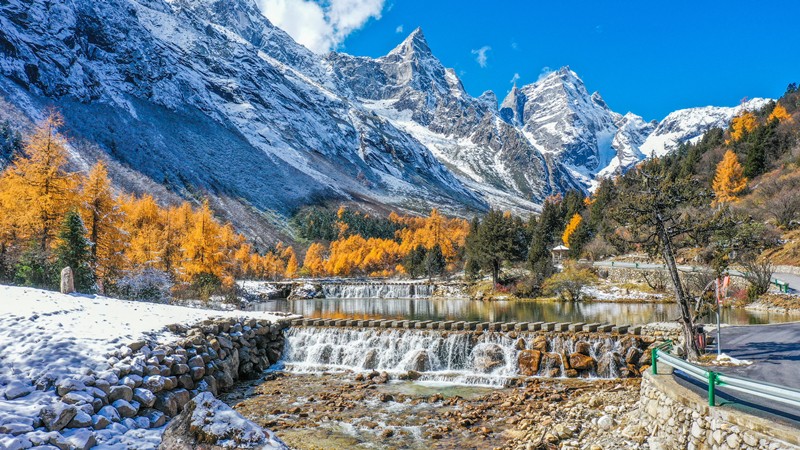
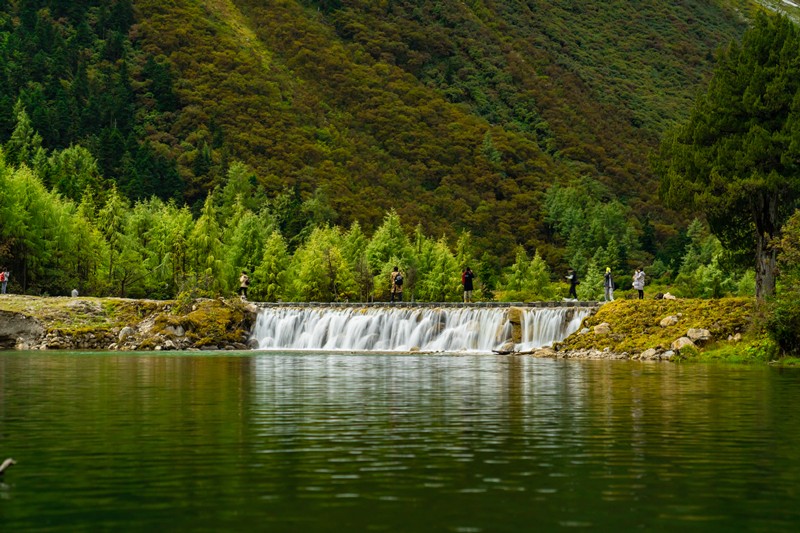
· Feature: The lake water presents a pale red tone due to the reflection of the red mountain cliffs on both banks, interweaving with the clear lake water to form a unique landscape; surrounded by dense forests, with distinct scenery in four seasons.
· Tips: No guardrails on some sections by the lake, stay away from the shore and pay attention to safety.
10. Red Stone Beach
The Red Stone Beach scenic area, with an elevation ranging from 3,100 to 3,500 meters, is one of the standout features of the Bipenggou landscape. At 3,300 meters, the Red Stone Beach is particularly notable for its vast expanse of red stones, which resemble agate, scattered across the creek and the surrounding forest.
Experts offer two explanations for the striking red coloration of the stones: One theory is that the high mineral content in the rocks has led to the formation of red stones, jade, or crystals. The second explanation, proposed by biologists, suggests that the red stones are actually covered in a unique red algae that grows on granite. This microorganism thrives only in areas with exceptionally good air quality, making it a rare phenomenon in pristine environments like Bipenggou.
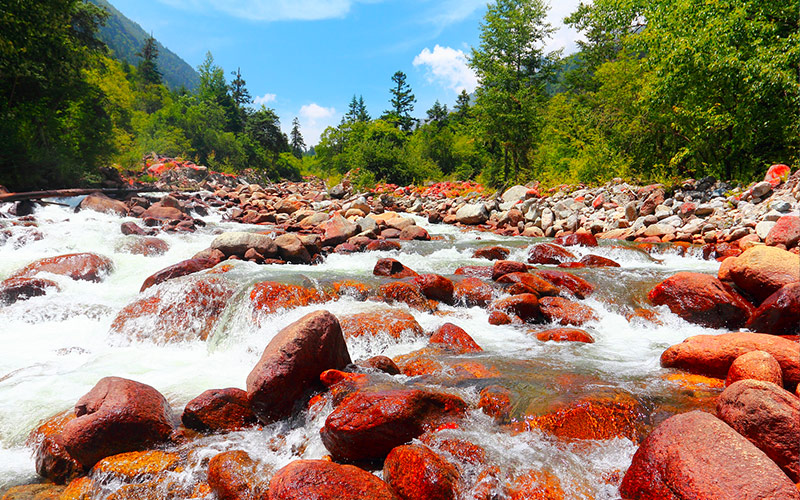
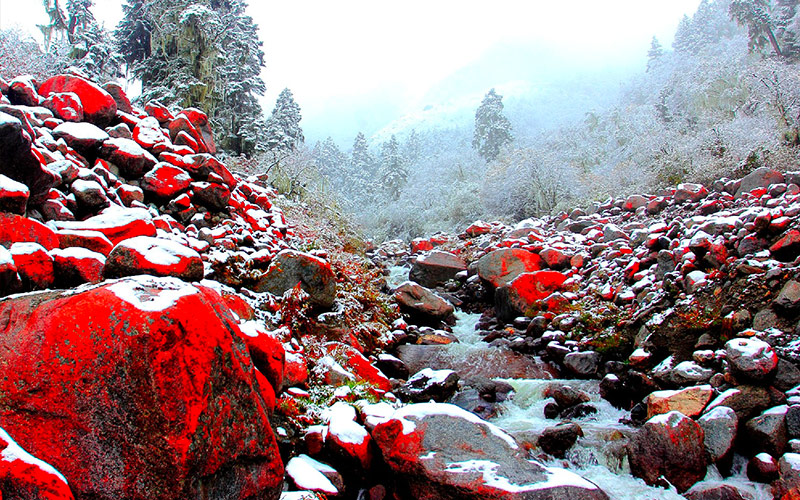
· Feature: Unique red rocks (formed by algae attachment), paired with streams and forests, strong visual impact.
· Best Viewpoints: Hongshiping, near Swallow Rock.
11. Distant View of Siguniang Mountain’s Yaomei Peak
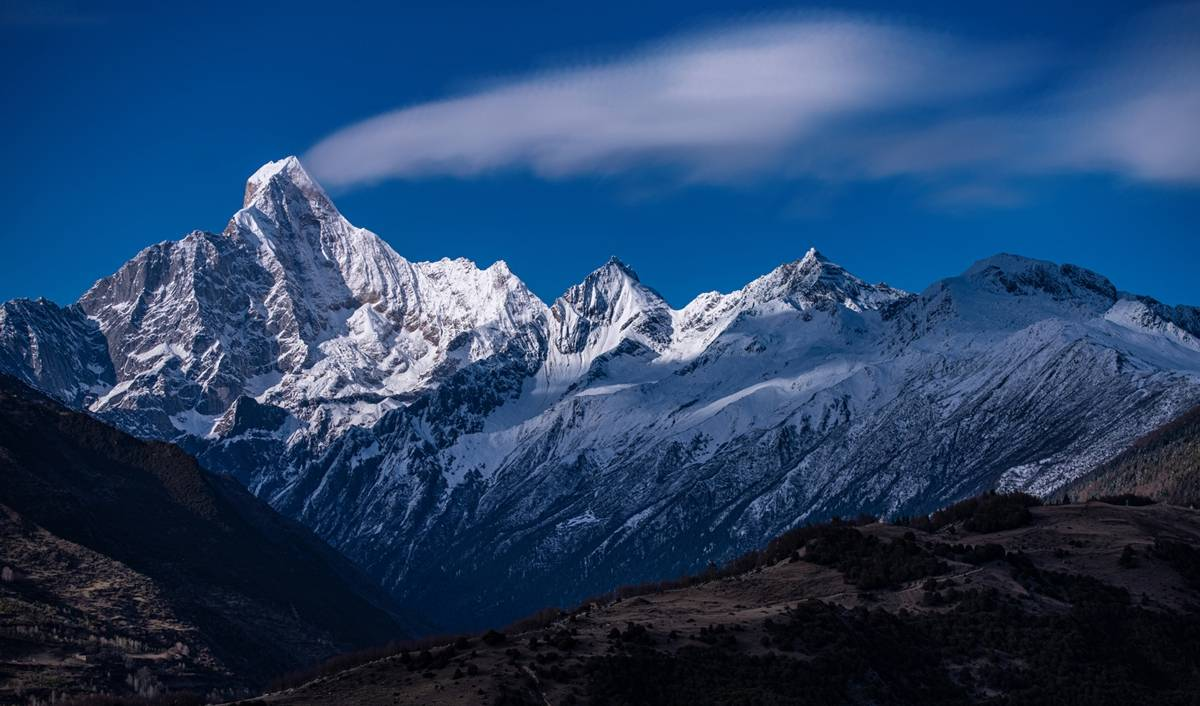
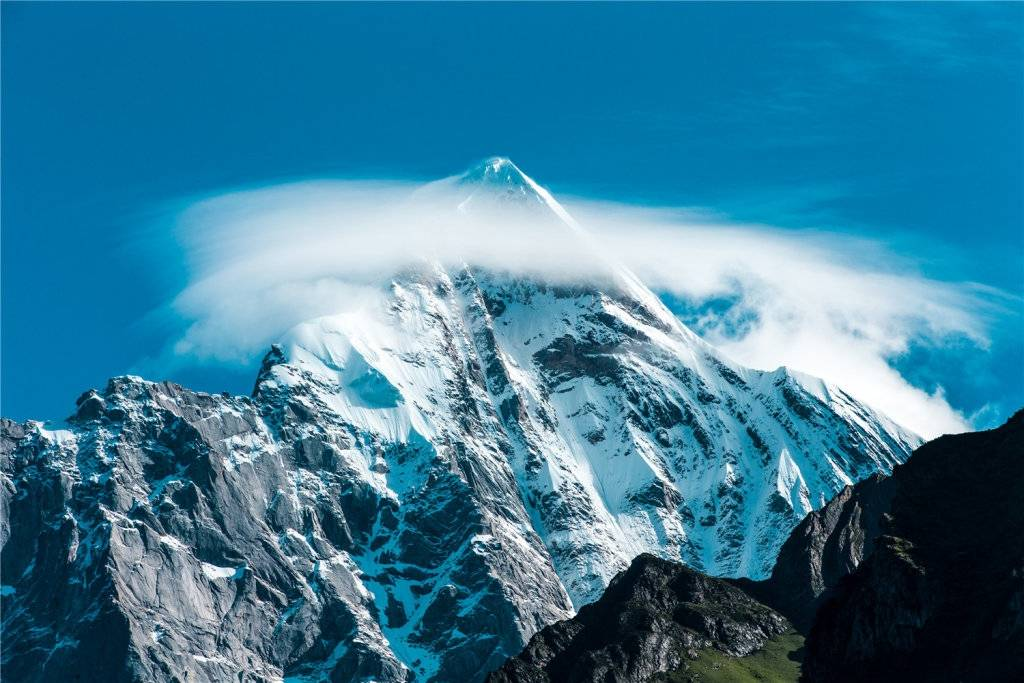
For panoramic views of one of Sichuan’s most famous mountains, head to the high-altitude areas of Bipenggou, such as Liangtai Gou. On a clear day, you can enjoy a stunning distant view of Yaomei Peak (meaning "Younger Sister Peak"), the highest peak of Siguniang Mountain, with an altitude of 6,250 meters.
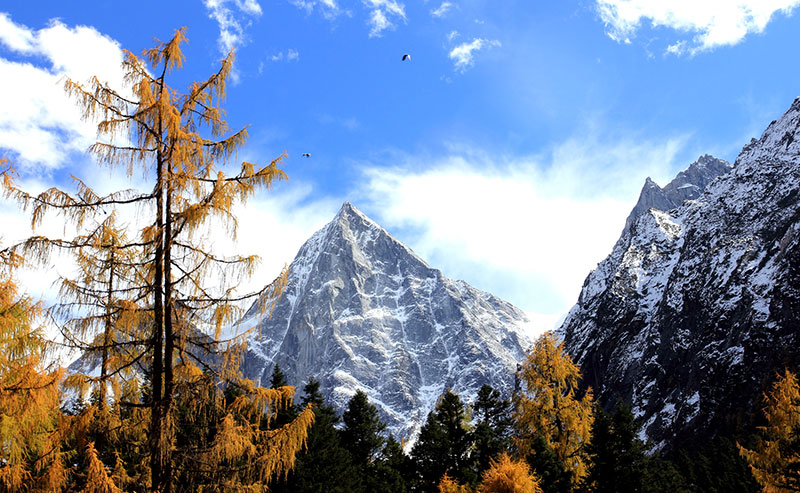
Yaomei Peak is known for its sharp, snow-capped summit, which resembles a young girl standing tall in the sky. The best time to view the peak is 1-2 hours after sunrise, when the sunlight hits the mountain, highlighting its rugged contours and making the snow appear even whiter. In autumn, the peak is set against a backdrop of colorful forests, creating a postcard-perfect scene.
To get the best view, visit the viewing platform at Liangtai Gou, which offers an unobstructed view of Yaomei Peak. It’s important to note that the weather in the high-altitude areas can be unpredictable, so be sure to check the weather forecast and bring warm clothing and sunscreen. If the weather is cloudy or foggy, you may not be able to see the peak clearly, so patience is key.
B. Rare Animals and Plants
a. Rare Animal
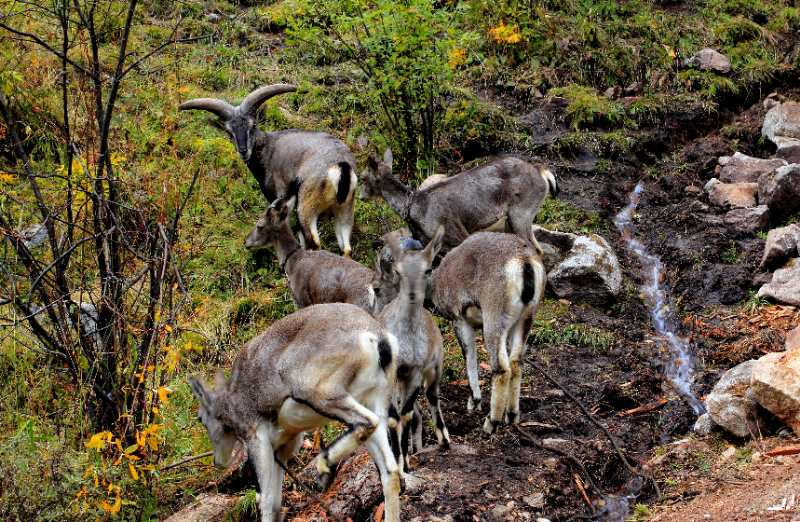
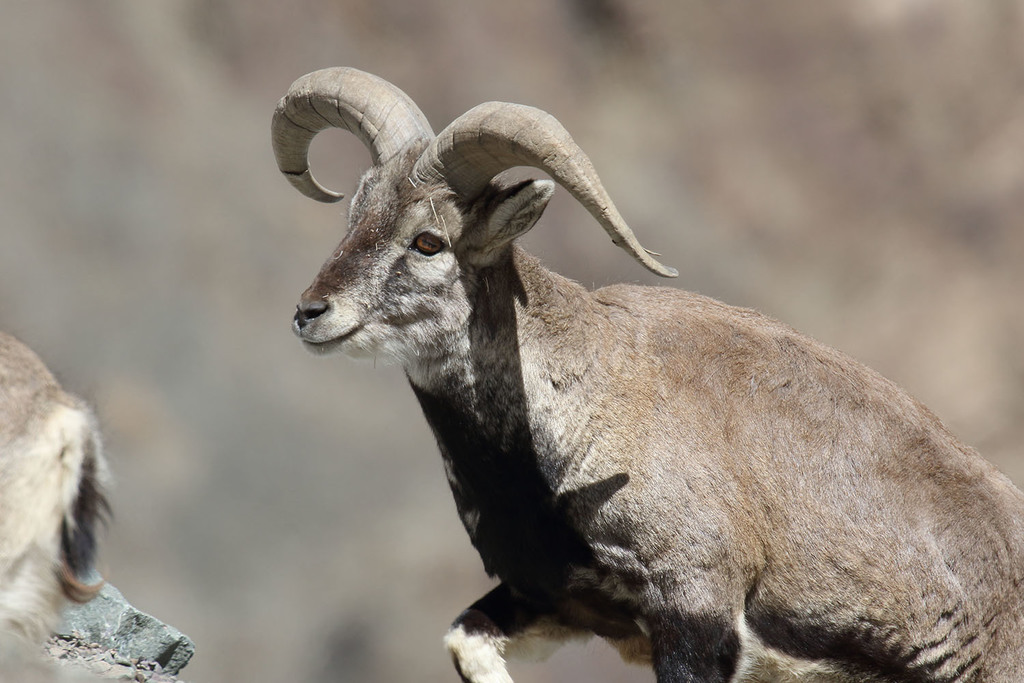
1. Panyang (Pseudois nayaur)
Panyang, also known as the "Stone Sheep," is a species of wild sheep unique to the alpine meadows and pastoral regions of Sichuan Province. They mainly inhabit the grasslands and shrub areas of high-altitude regions such as Bipenggou and Hongshan Lake, and are a rare and unique species found only in Sichuan. Panyang sheep are robust and have dense fur, adapted to the cold and variable climate of the high mountains. They primarily feed on grasses, shrubs, and moss in the alpine meadows. Due to the special nature of their habitat, Panyang sheep are rare and are often regarded by locals as a symbol of nature conservation.
2. Musk Deer (Moschus berezovskii)
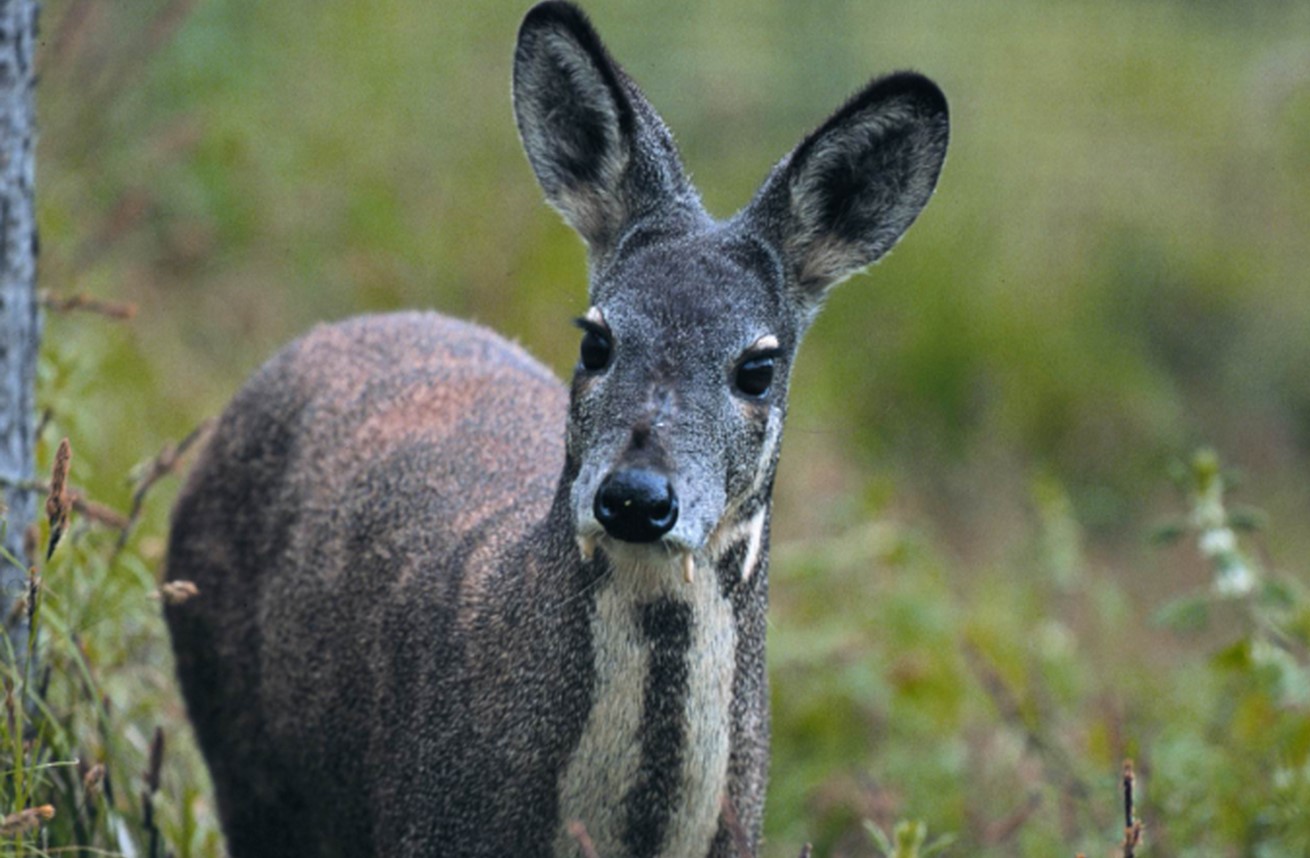
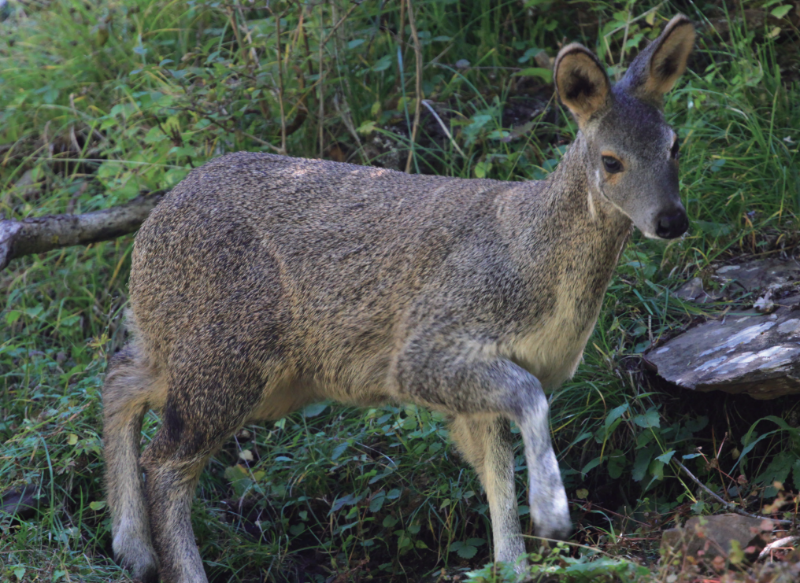
Musk Deer, also known as the “Fragrant Deer” or “Musked Deer,” is a rare animal primarily found in the mountainous regions of western China. It belongs to the Moschidae family of hoofed animals. The musk deer is relatively small, with a body length of about 80 cm and a weight ranging from 8 to 15 kg. One of its distinctive features is the long canine teeth and the presence of musk glands, which produce a strong scent widely used in perfumes and traditional medicine.
It is a second-class nationally protected animal in China, primarily distributed in the areas north of the Bipenggou Nature Reserve. It is found in abundance in Jiujiapenggou, Riqiaogou, Menggugou, and the Miyaluo region, generally living within an elevation range of 2,000 to 3,000 meters.
3. Macaque (Macaca)
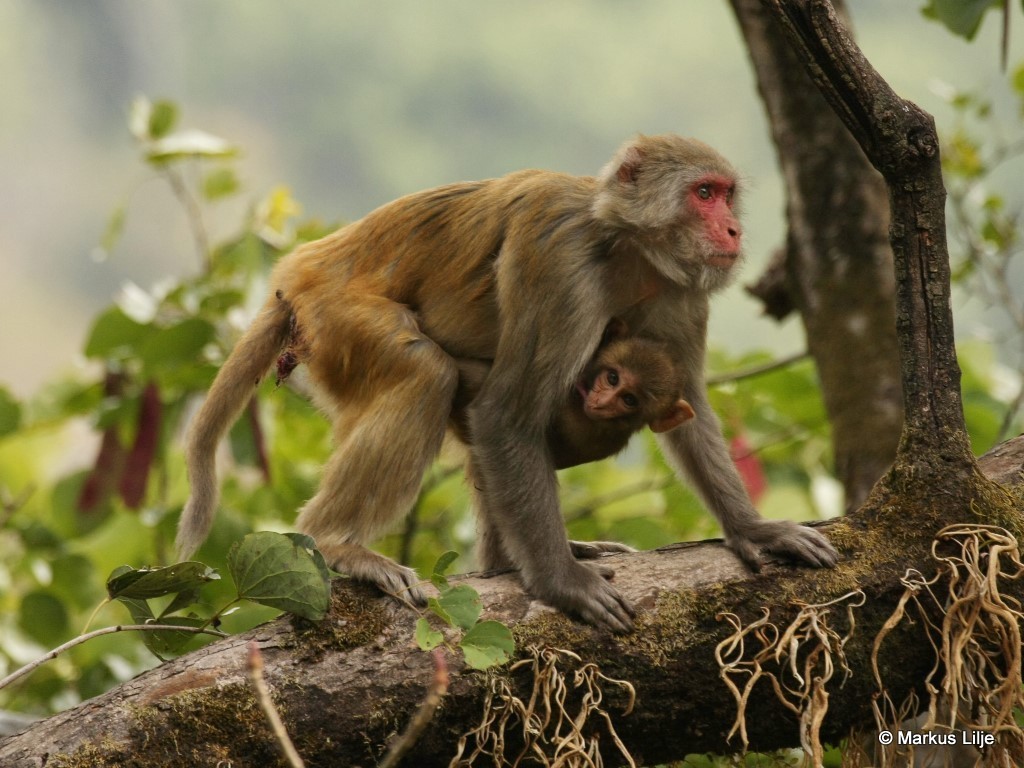
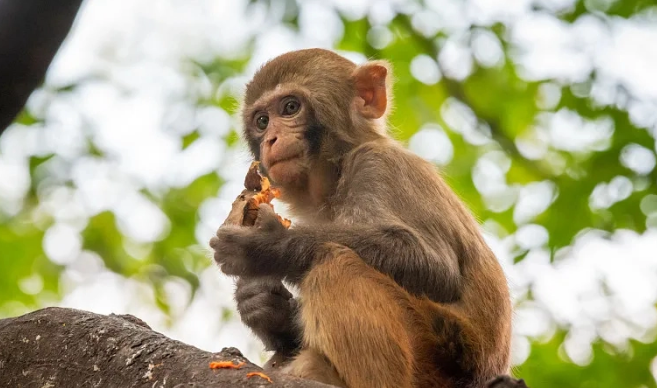
The macaque, also known as the "monkey," is one of the most common species of primates in the Cercopithecidae family, widely distributed in China, India, Southeast Asia, and other regions. Macaques are medium-sized with strong limbs and a flexible tail, allowing them to quickly jump and climb in trees. They are social animals, living in groups. Known for their group behavior and intelligence, macaques are often featured in culture and religion; for example, the famous "Monkey King," Sun Wukong, in Chinese mythology is based on the macaque.
It is a second-class nationally protected animal in China. The macaque is primarily distributed in the mixed forests below Longwanghai in the scenic area, as well as on rocks, trees, and in shrubs. The macaque's main diet consists of tender leaves and wild fruits.
4. Wildebeest (Connochaetes)
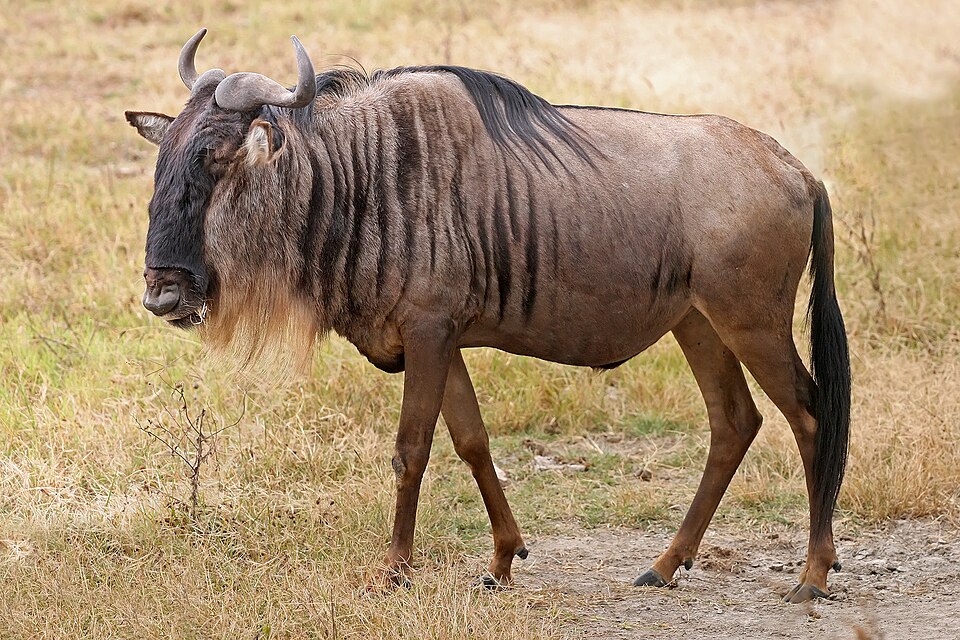
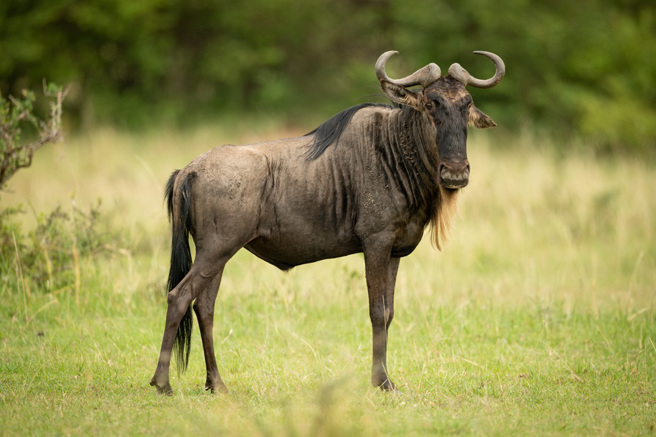
The wildebeest (also known as the takin) is a Class I protected animal in China. Wildebeest primarily inhabit various vegetation zones at altitudes of 1500-4500 meters, characterized by steep mountains, deep valleys, dense forests, cool and humid climates, and saline-alkali land. Wildebeest are herbivorous, feeding mainly on various branches, buds, bark, bamboo leaves, grasses, seeds, and fruits. A certain number of wildebeest exist within the reserve, with particularly frequent activity in the Yanziyan area.
5. Red Panda (Ailurus)
The Red Panda is a second-class nationally protected animal in China. In Bipenggou, it is mainly distributed around Arrow Bamboo Gorge and Red Stone Beach, and is frequently seen by passing visitors. Apart from eating bamboo shoots in spring and summer, and occasionally a small amount of wild fruits in autumn, the red panda primarily feeds on bamboo throughout the year.


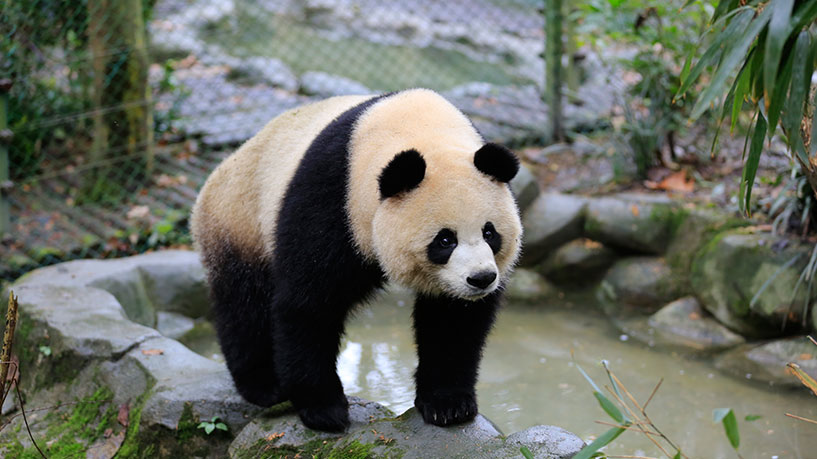
6. Giant Panda
The Giant Panda is a first-class nationally protected animal in China. Li County is a historic distribution area for the giant panda. The first national giant panda resource survey, conducted in the 1970s, identified the presence of giant pandas in Li County. During the third national survey of giant panda resources, signs of panda activity were found within the county. In 2002, staff from the nature reserve discovered further signs of giant panda activity in Bipenggou.

b. Rare Plants
Bipenggou, located in the Sichuan Plateau, is rich in plant resources and boasts a diverse range of plant species. The region is home to various vegetation types, including alpine, subalpine, and forested plants. Some of the rare plants in this area include:
· Oilseed Hanging Spruce: A tall tree species that thrives in cold climates, commonly seen in the forest areas of Bipenggou.
· E’jiang Cypress: A large, ancient tree species that plays a crucial role in the local ecosystem, often found in high-altitude areas.
· Single-leaf Grass: A rare herbaceous plant that grows in the humid mountain meadows and is valued for its medicinal properties.
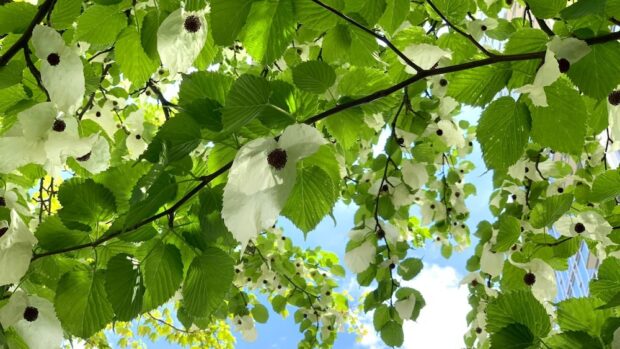
· Gongtong Tree: Known as a "living fossil" in the plant world, its unique appearance and long history make it one of the region’s significant plants.
· Red Yew: A critically endangered species, the red yew finds its natural habitat in Bipenggou, with its characteristic red berries.

C. Cultural Experience Attractions
1. Taoping Qiang Village
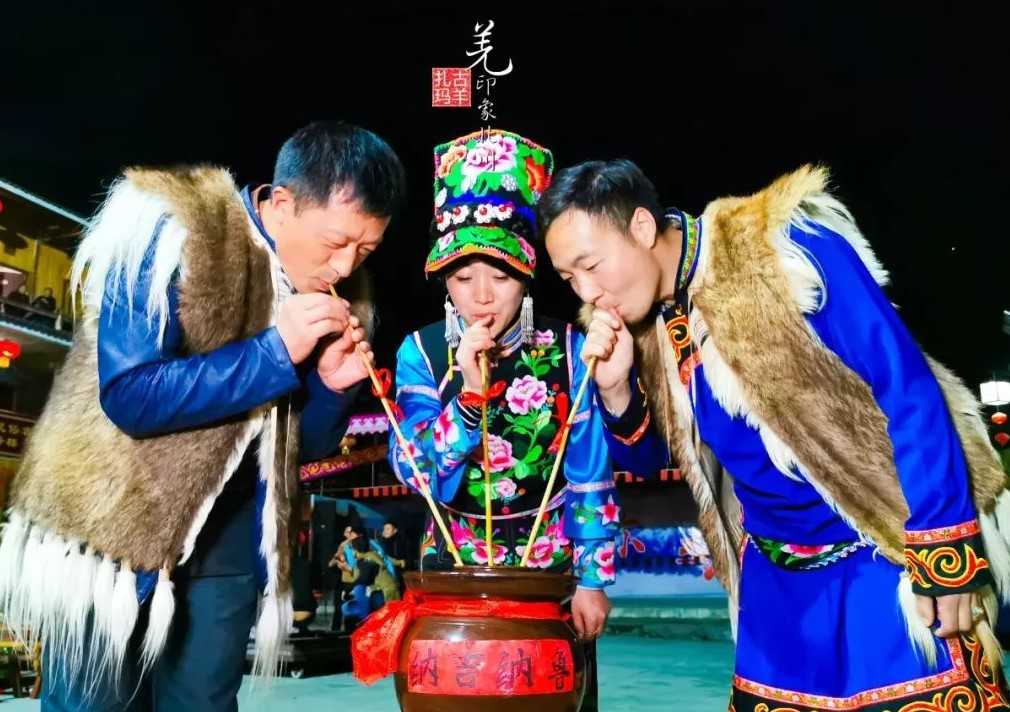
Taoping Qiang Village, known in the Qiang language as "Qizi," is a picturesque village nestled by the mountains and rivers, with fertile land and abundant water. The village is blessed with natural beauty and is historically significant, with the Zagunao River, a tributary of the Minjiang River, flowing through it. The village showcases a rich blend of ancient Qiang customs, traditional Qiang architecture, and the vibrant Qiang embroidery and dance, offering a glimpse into the mysterious and fascinating history of the Qiang ethnic group. As night falls, a lively atmosphere fills the air with bonfires burning brightly. The locals gather around, drinking and singing, their joyous dances creating a vivid scene, often described as "One night of Qiang songs and dances, unaware that the red sun has already risen."
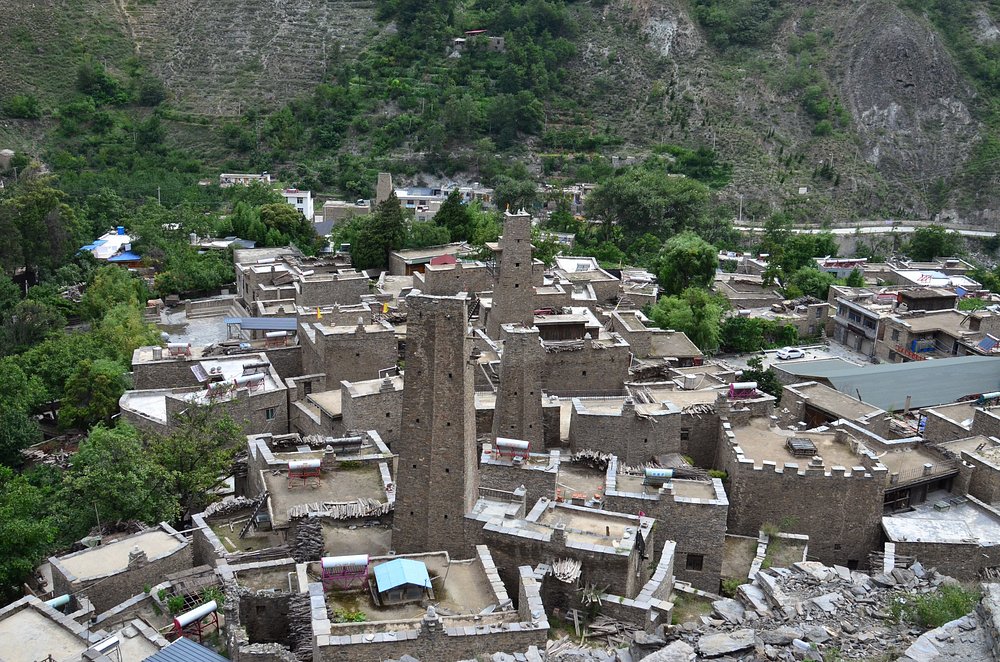
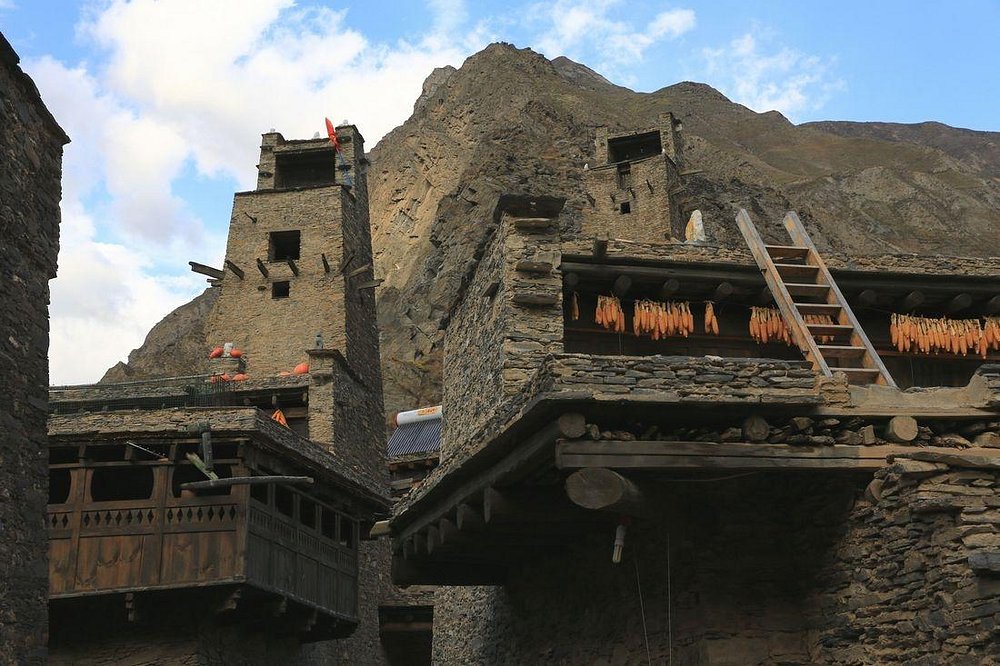
· Feature: The best-preserved Qiang watchtower village in the world, with a thousand-year history; watchtowers integrated with residences.
· Activities: Visit the interior of watchtowers, experience Qiang cuisine (zajiu wine, Qiang flute meat), watch Qiang song and dance performances.
2. Ganbao Tibetan Village
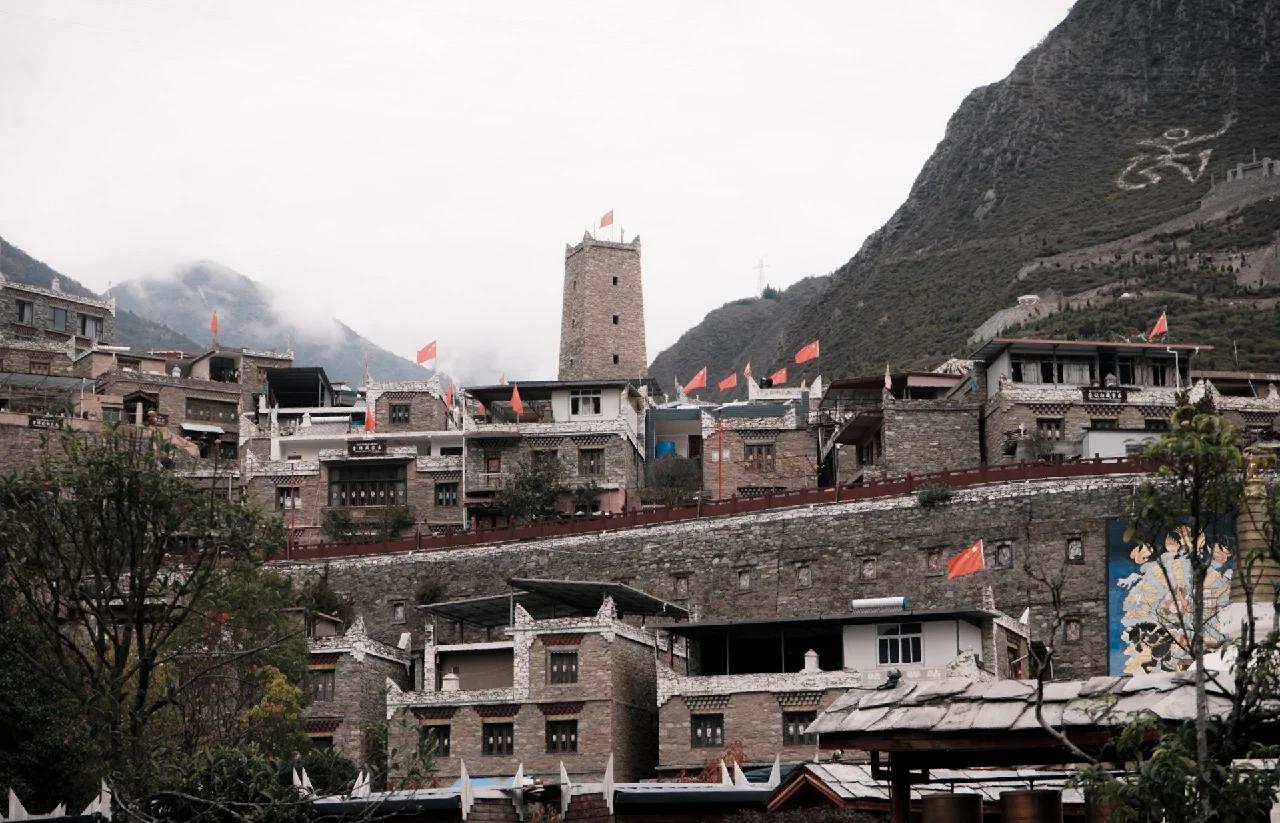
Ganbao Tibetan Village is located in the heart of the Baili Tibetan-Qiang Cultural Corridor, between Li County and Markang, just 8 kilometers from Li County town. In Tibetan, the name means "village on the slope." The entire village is beautifully arranged, with houses scattered in a terraced layout, creating a majestic and awe-inspiring sight. Nestled against the continuous green mountains and facing the ancient Tuo River, the village is surrounded by breathtaking scenery, offering a tranquil and picturesque landscape. The harmony between the village and its natural surroundings makes it a true gem of Tibetan culture and architecture.
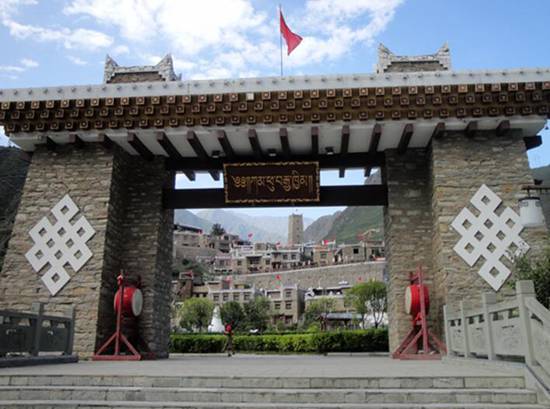
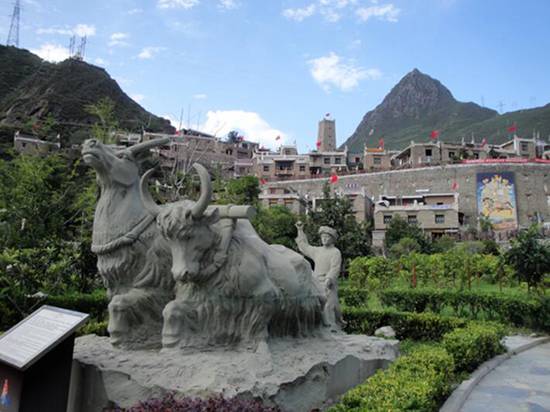
· Feature: Jiarong Tibetan settlement, scattered stone houses, retaining original Tibetan living customs.
· Highlights: Tibetan home visits, purchasing handicrafts (thangka, Tibetan incense), participating in Guozhuang dance
Seasonal Characteristics Comparison
1. Spring (March-May)
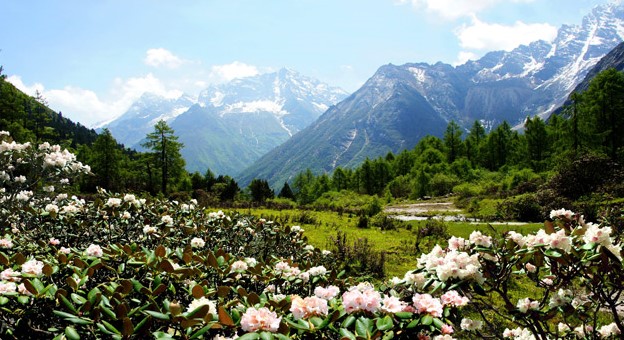
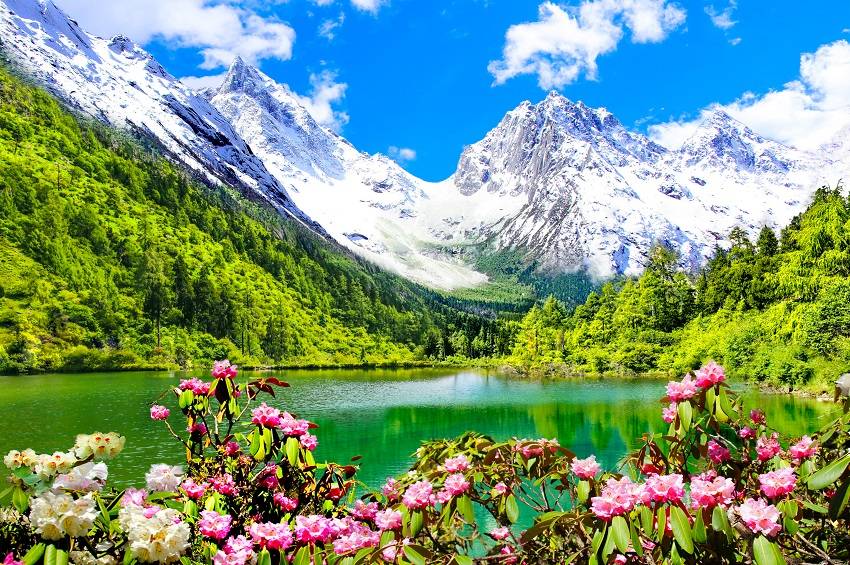
Spring in Bipenggou is a season of renewal. As the snow melts from the lower slopes, crystal-clear streams gurgle down the valleys, and the mountains are dotted with blooming alpine rhododendrons. From early March to late May, different varieties of rhododendrons (such as white rhododendrons and small-leaf rhododendrons) bloom in succession, covering the hillsides in shades of pink, purple, and white. The average temperature during this season ranges from 5 Celsius to 18 Celsius, making it ideal for light hiking and photography. The air is fresh and moist, and the landscape is a beautiful blend of lingering snow on the high peaks and vibrant greenery in the valleys.
Bipenggou is an excellent place for flower watching in spring. The spring season in Bipenggou features a stunning natural landscape with layers of blue skies, white clouds, mountain peaks, snow-covered summits, weathered rocks, alpine meadows, shrubs, and mixed forests. Wildflowers, grasses, medicinal herbs, rare animals, and various bird species can be found everywhere. In spring, the mountains are covered with a vibrant display of wildflowers and grasses competing to bloom. Especially from early May to June, the valley is filled with a variety of Yángjiao hua (Gentiana flowers), which spread throughout the entire valley and emit a delicate fragrance.
2. Summer (June-August)
When most parts of China are sweltering under the summer heat, Bipenggou offers a cool escape with average temperatures between 12 Celsius and 22 Celsius. The meadows are lush and green, the forests are dense and shady, and the air is filled with the scent of pine and wildflowers. This is the perfect time for family trips, camping, and forest bathing. You can set up a tent by Namuhu Lake, hike along the gentle trails, or simply relax and enjoy the peaceful surroundings. Summer is also a great time for bird watching, as many migratory birds make their home here during this season.
3. Autumn (September-November)
Autumn is undoubtedly the most popular season to visit Bipenggou, and for good reason. From mid-September to early November, the forests transform into a riot of colors—red maples, golden birches, orange aspens, and deep green pines create a stunning contrast against the snow-capped peaks and turquoise lakes. The sky is clear and blue, and the air is crisp, making it ideal for photography. The peak of the autumn foliage season is usually mid-October to early November, when the colors are at their most vibrant. During this time, the scenic area can get busy, so it’s best to book accommodation and tickets in advance.
4. Winter (December-February)
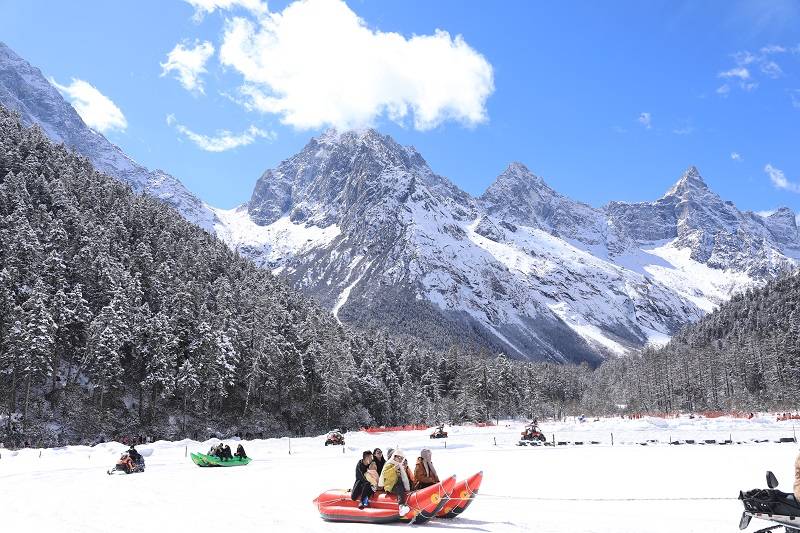
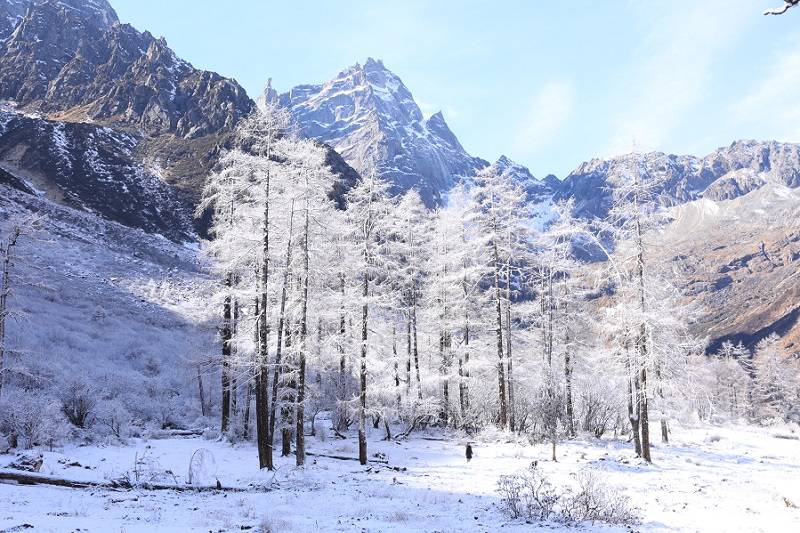
Bipenggou turns into a magical winter wonderland from December to February. The entire area is covered in a thick blanket of snow, and the lakes freeze over, creating a pristine white landscape. The Bipenggou Ski Resort opens during this season, offering ski slopes for beginners, intermediates, and advanced skiers. After a day of skiing, you can soak in the hot springs at Namuhu Lake, where the warm water contrasts with the cold snow, creating a truly unique experience. The average temperature during winter ranges from -5 Celsius to 8 Celsius, so be sure to bundle up warmly. Rime formations are also a highlight of winter, with trees covered in delicate ice crystals that sparkle in the sunlight.
Qiang and Tibetan Culture in Bipenggou
A. Qiang Culture
1. Historical Origin & Regional Foundation
The Qiang people are one of the oldest ethnic groups in China, with a history dating back over 5,000 years. In Bipenggou’s surrounding areas (such as Taoping Qiang Village in Lixian County), the Qiang community has lived in harmony with the alpine environment for centuries, forming a unique culture closely tied to mountains, forests, and rivers. As an important part of the "Ancient Qiang Corridor" on the western Sichuan plateau, this region preserves the most intact traditional Qiang customs, making it a living museum of Qiang civilization.
2. Iconic Architecture: Watchtowers & Stone Houses
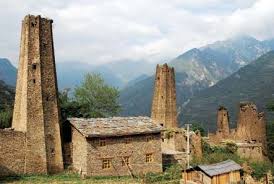
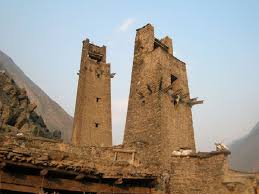
The most striking feature of Qiang culture is the "diaolou" (watchtower), a defensive and residential building made of local stone and soil. In Taoping Qiang Village near Bipenggou, over 30 ancient watchtowers stand tall, ranging from 10 to 30 meters in height, with 4 to 8 floors. These watchtowers are integrated with surrounding stone houses, forming a maze-like defensive system—thick stone walls, narrow shooting holes, and hidden passages showcase the Qiang people’s wisdom in resisting foreign invasions. The stone houses, built without mortar (relying on precise stone stacking), are warm in winter and cool in summer, perfectly adapting to the plateau’s harsh climate.
3. Folk Etiquette & Traditional Festivals
· Etiquette: The Qiang people are renowned for their hospitality. When guests visit, they offer "zajiu" (low-alcohol rice wine) in bamboo bowls and serve traditional snacks like "yangyu ciba" (potato cakes). It is customary to remove shoes before entering a Qiang home, and avoid touching sacred items such as ancestral tablets. The Qiang people respect elders—youngsters greet elders with bowed heads and hands clasped, and elders are seated first during meals.
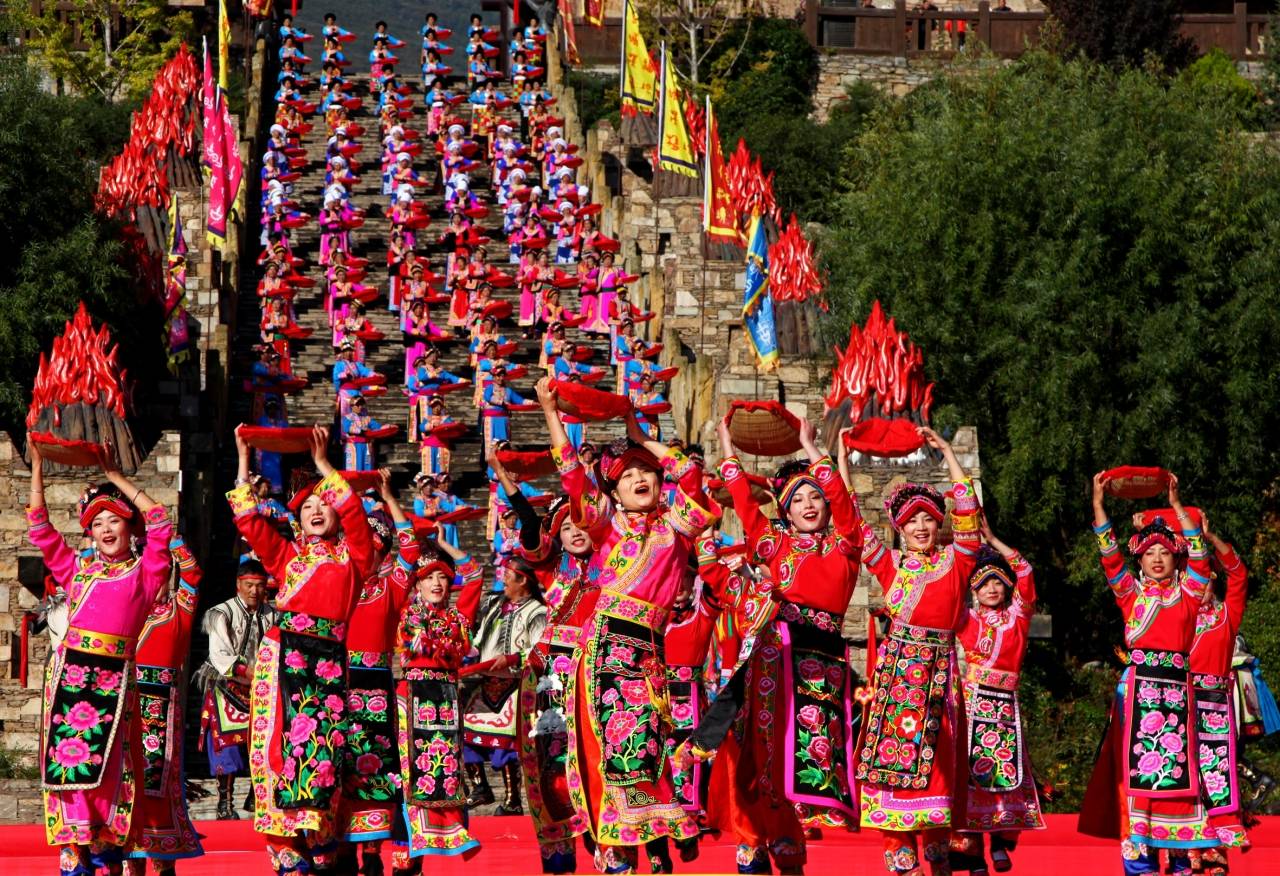
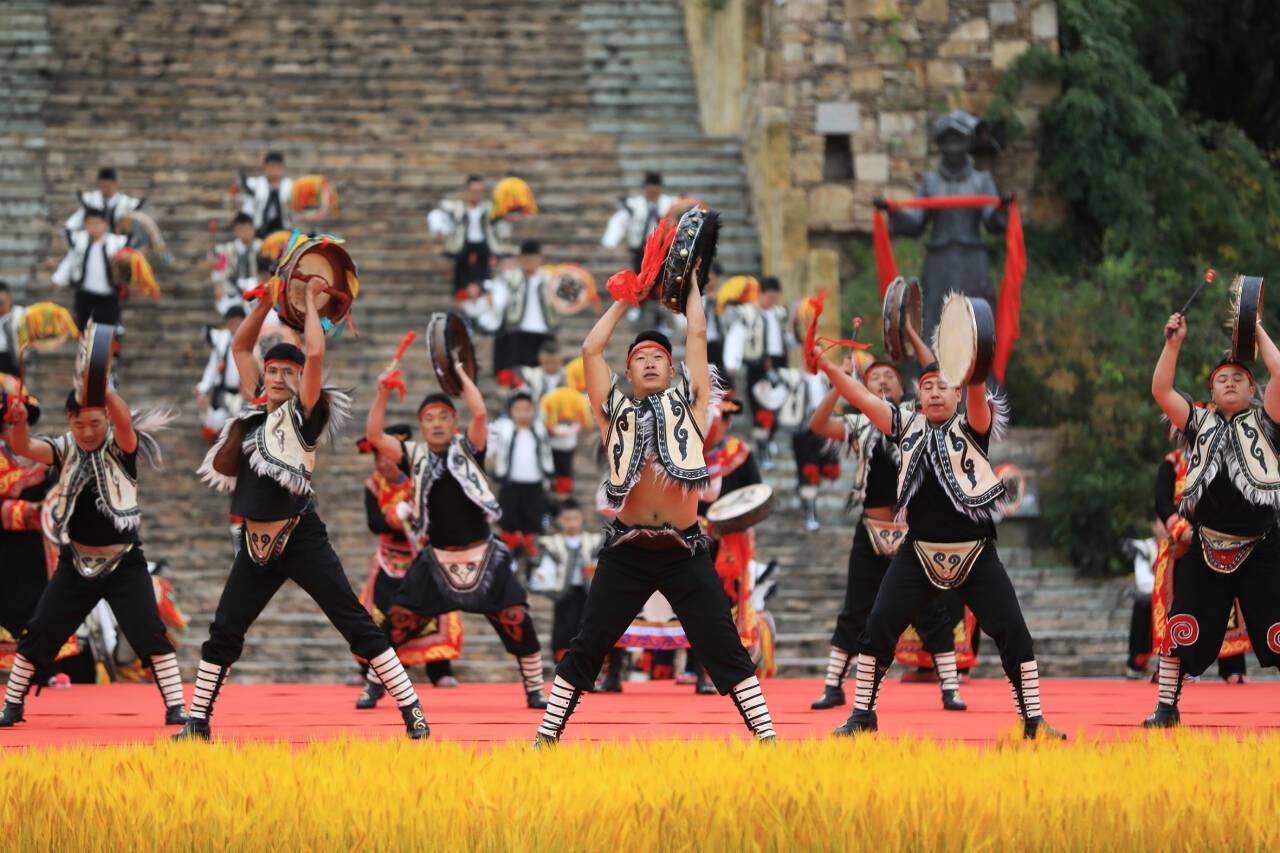
· Key Festivals: The most important festival is the "Qiang New Year" (lunar October 1st), when families gather to slaughter pigs, make rice cakes, and perform traditional dances.
4. Traditional Arts & Handicrafts
· Dance & Music: The "Sa Lang Dance" is the most popular Qiang dance—men and women form circles, waving hands and stamping feet to the rhythm of drums and gongs, expressing joy and unity. The "Qiang Flute" (a vertical bamboo flute) is a signature musical instrument, with clear and melodious tones that echo through mountain valleys, often played to convey love or homesickness.
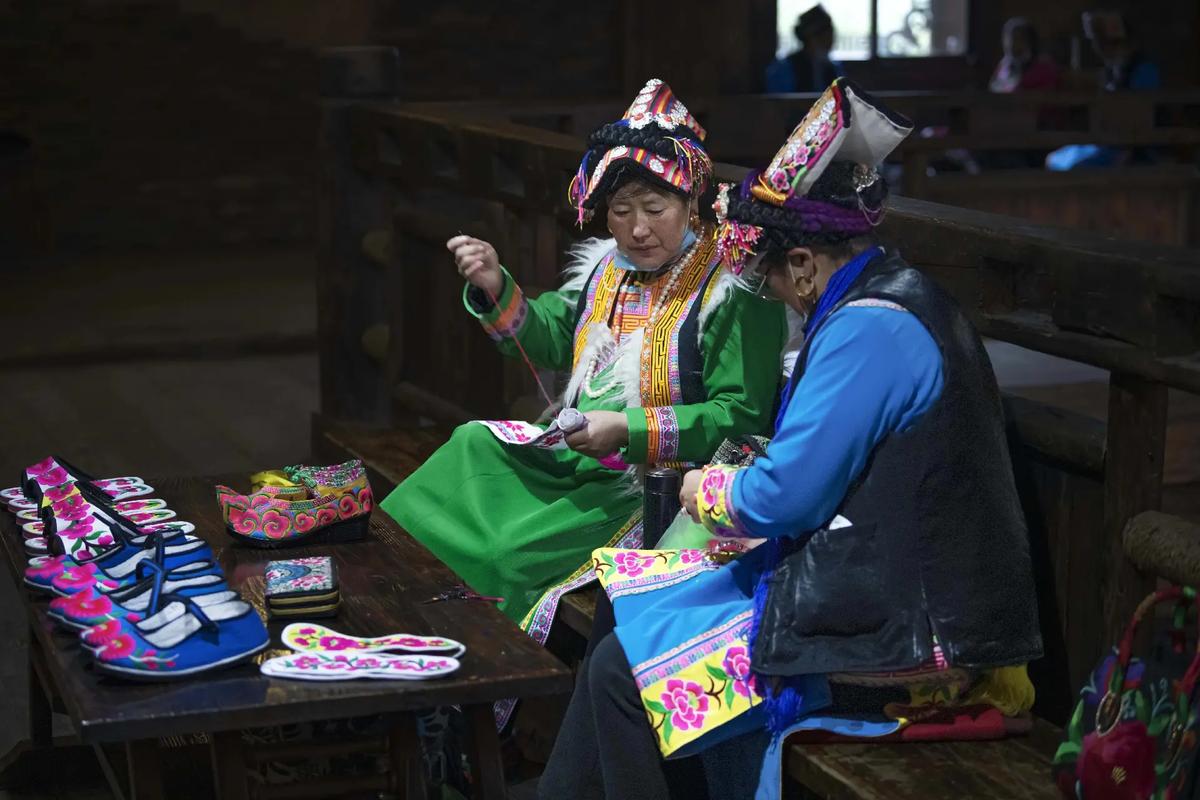
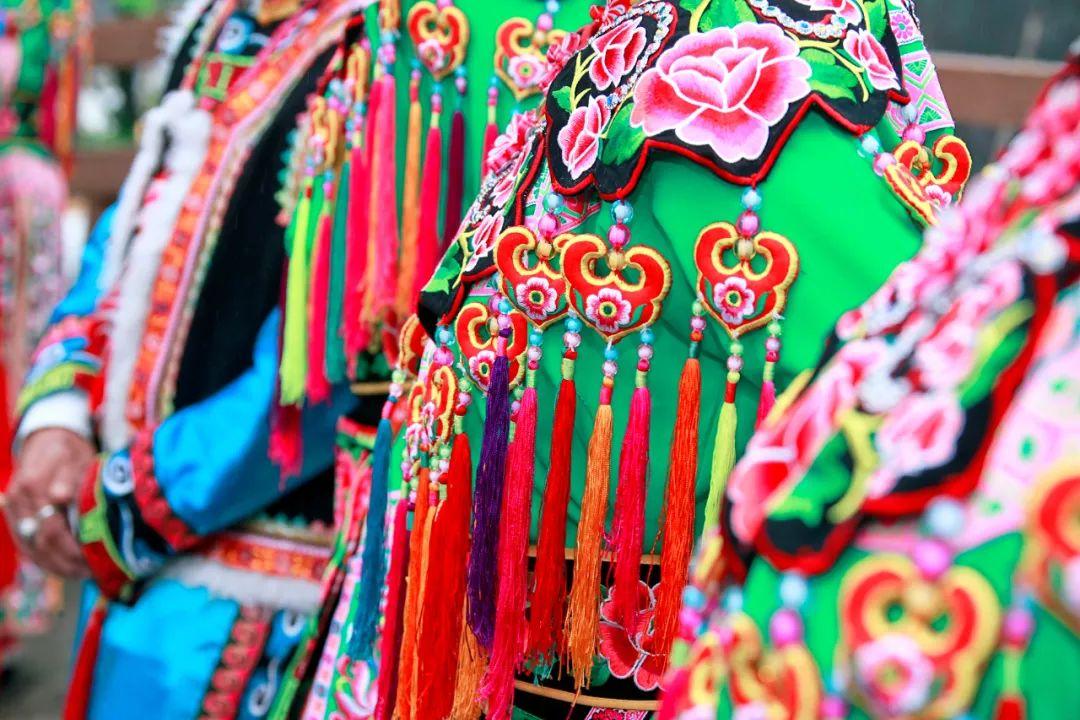
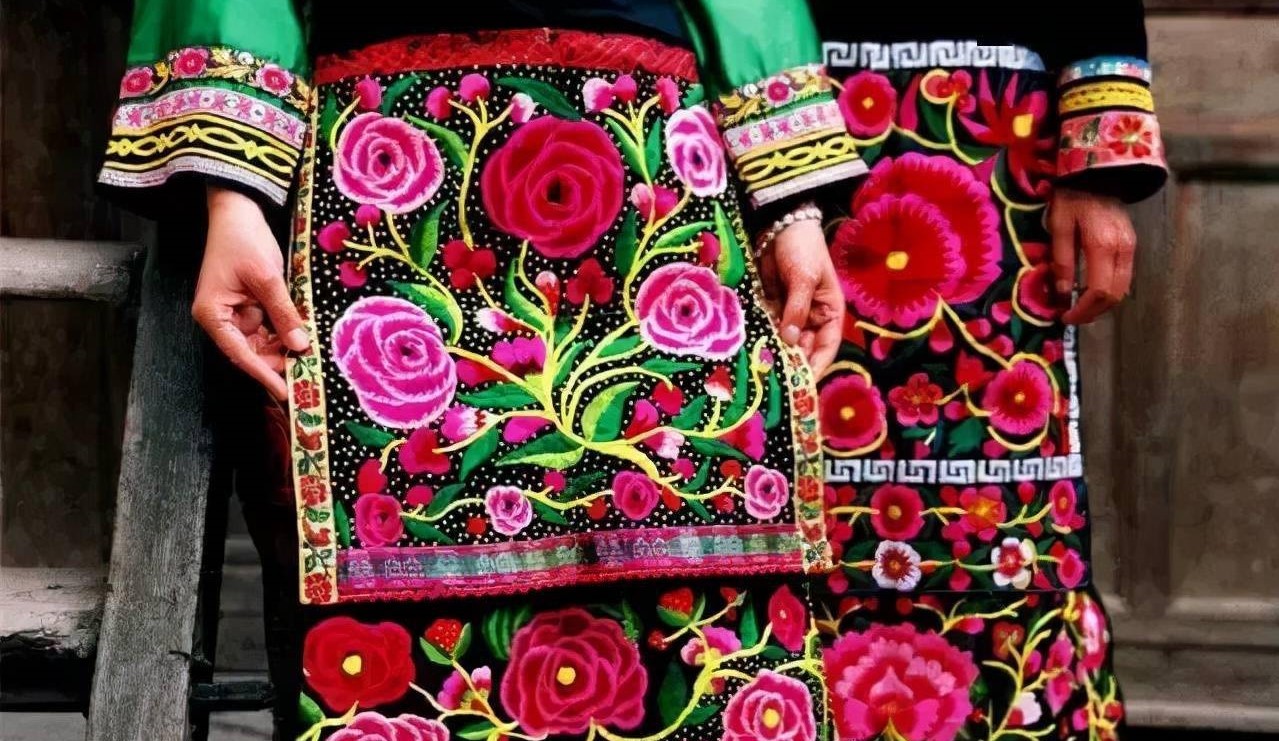
· Handicrafts: Qiang embroidery is famous for its bright colors and intricate patterns, with themes including flowers, birds, and mythical creatures. Embroidered items such as handkerchiefs, aprons, and shoes are not only daily necessities but also symbols of love (young women often embroider gifts for their lovers). Additionally, the Qiang people are skilled at making stone carvings and bamboo woven products, reflecting their close connection with nature.
5. Food Culture
Qiang cuisine is deeply influenced by the plateau environment, focusing on simplicity, nutrition, and preservation. Must-try dishes include:
· "Zajiu" (Rice Wine): A low-alcohol fermented drink made from glutinous rice, served in bamboo tubes—guests drink by sucking through straws, symbolizing friendship and unity.
· "Qiang Di Rou": Preserved pork stir-fried with garlic sprouts, a savory and fragrant dish that reflects the Qiang people’s tradition of preserving meat for harsh winters.
· "Yangyu Ciba": Mashed potatoes mixed with flour, shaped into cakes and boiled or fried, often dipped in chili powder or sesame paste for a spicy and chewy taste.
B. Tibetan Culture (Jiarong Tibetan)
1. Historical Origin & Regional Characteristics
The Tibetan people in Bipenggou’s vicinity belong to the "Jiarong Tibetan" branch, a unique group that has developed distinct customs due to long-term integration with Han, Qiang, and other ethnic groups. Centered around Ganbao Tibetan Village and other settlements, Jiarong Tibetan culture retains core Tibetan traditions while incorporating local elements, forming a style different from that of Tibet Autonomous Region. For centuries, they have relied on animal husbandry and agriculture (highland barley, potatoes) to survive, and their culture is deeply rooted in plateau life.
2. Iconic Architecture: Stone Tibetan Villages & Traditional Tibetan dwellings
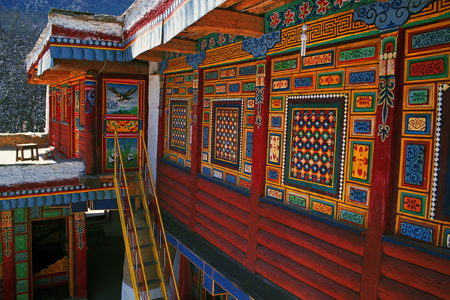
Jiarong Tibetan villages (such as Ganbao Tibetan Village) are built on mountain slopes, with stone houses stacked in layers like terraces. The houses are made of local blue stone, with flat roofs (used for drying crops) and wooden windows carved with Tibetan patterns. Each village has a "Gongbao" (a tall watchtower-like building) as the center, serving as a gathering place for religious rituals and community activities. In addition to living in stone-built Tibetan villages, some Jiarong Tibetans also reside in traditional Tibetan dwellings.
3. Folk Etiquette & Traditional Festivals
· Etiquette: Hospitality is a core value of Jiarong Tibetan culture. Guests are greeted with "Tashi Delek" (meaning "Blessings and Good Luck") and offered butter tea, tsampa (roasted barley flour), and highland barley wine. It is polite to accept offerings with both hands, and avoid stepping on thresholds or touching religious artifacts. When visiting a Tibetan home, dress modestly and do not take photos of people without permission.
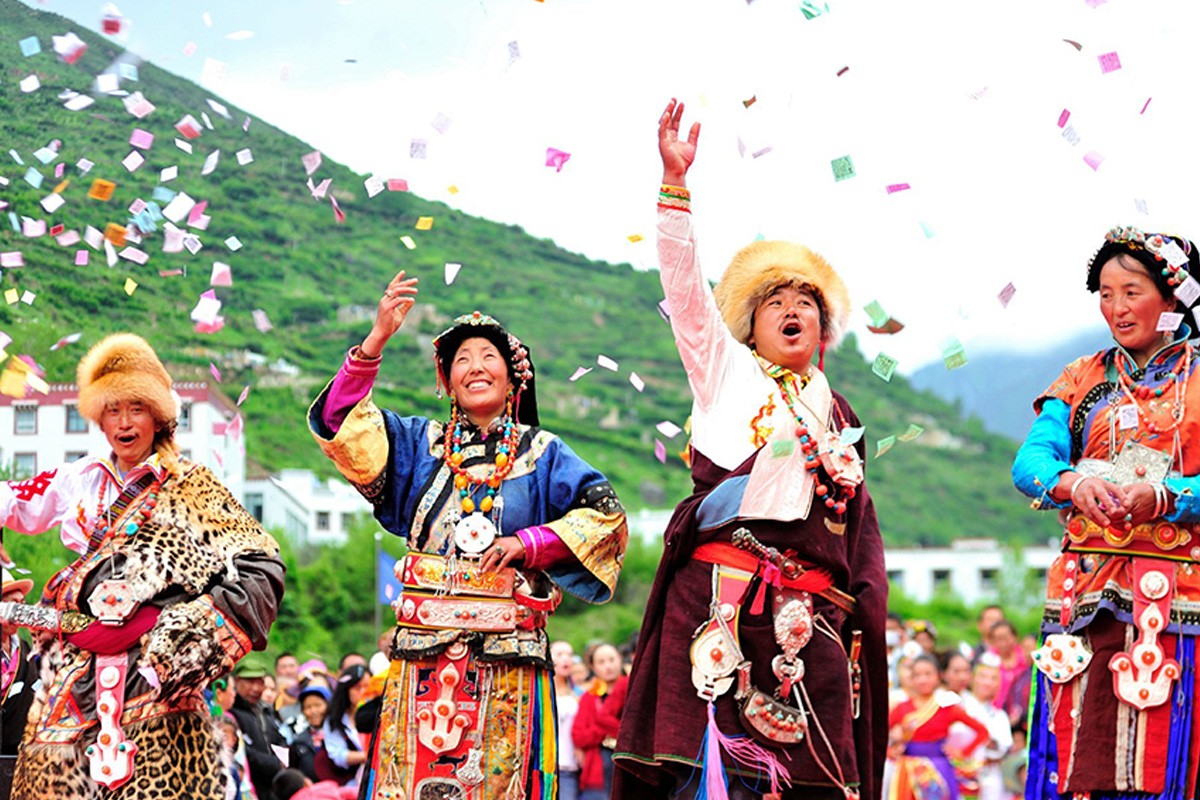
· Key Festivals: The "Tibetan New Year" (Losar, based on the Tibetan calendar) is the most important festival—families clean their houses, make "khabse" (fried pastries), and visit temples to pray. The "Horse Racing Festival" in summer is a grand event: young men compete in horse racing, archery, and wrestling, while women sing and dance, showcasing the Jiarong Tibetans’ bravery and vitality. The "Ganden Ngamchoe" (commemorating the death of Tsongkhapa) is a religious festival, with believers gathering to recite scriptures and light butter lamps.
4. Traditional Arts & Handicrafts
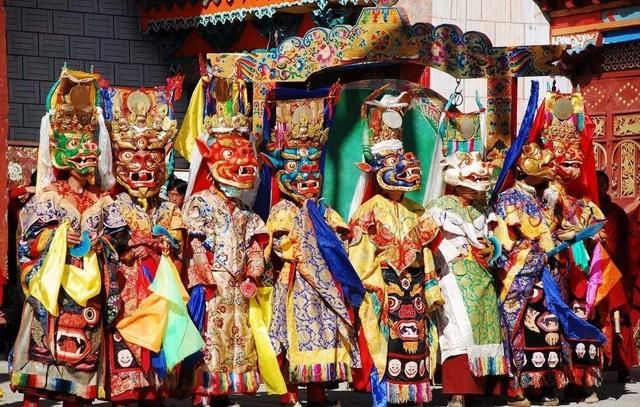
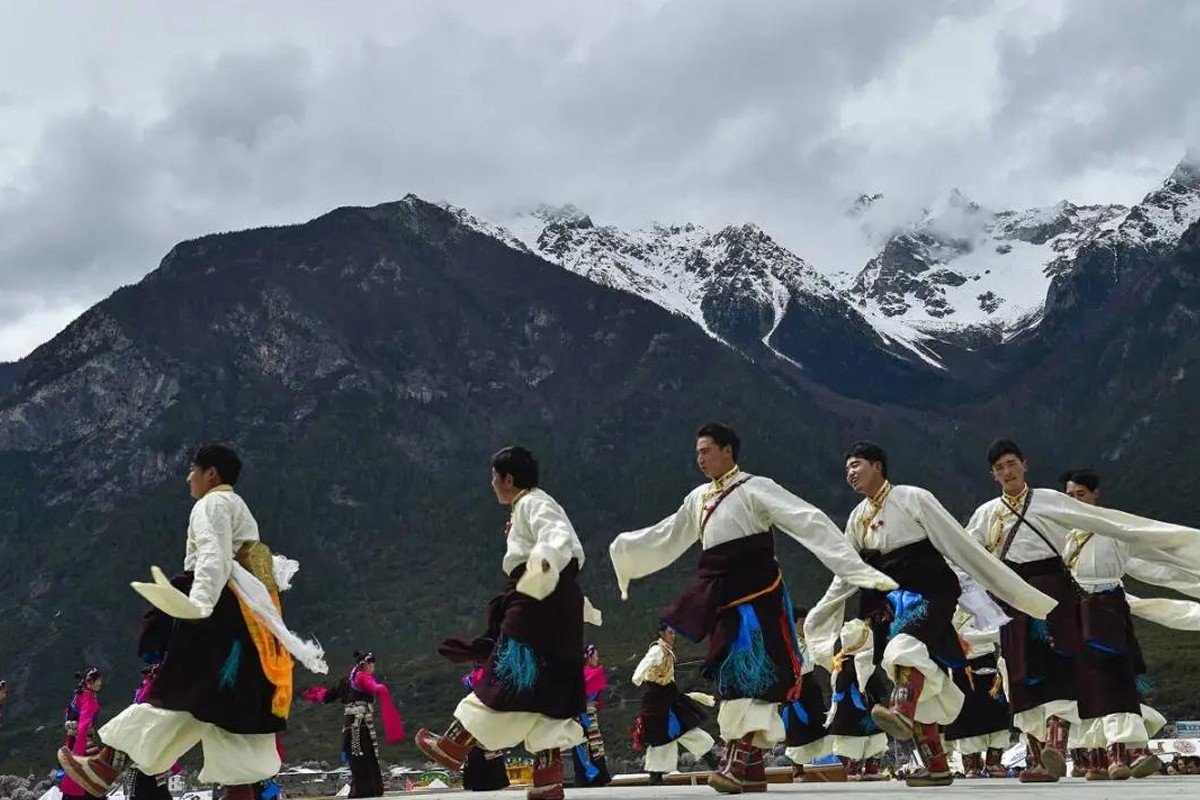
· Dance & Music: The "Guozhuang Dance" is the soul of Jiarong Tibetan culture—participants form large circles, dancing to the rhythm of Tibetan lutes (dranyen) and drums, with steps that mimic mountain climbing and herding, reflecting their daily life. Tibetan opera (a combination of singing, dancing, and storytelling) is also popular, with performers wearing colorful masks to depict mythical characters.
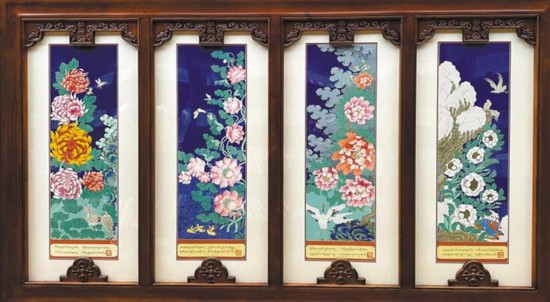
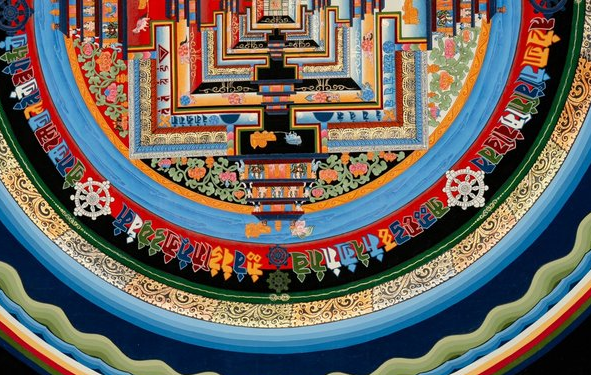
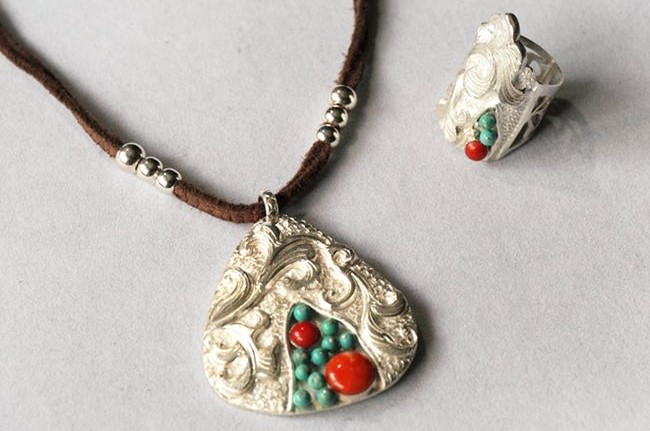
· Handicrafts: Thangka painting is a revered art form—paintings depict Buddha statues, religious stories, and natural scenes, using mineral pigments that retain their colors for centuries. Tibetan incense making is another traditional craft: local herbs and woods are ground and mixed, then shaped into sticks or coils, used for worship or purification. Additionally, Jiarong Tibetans are skilled at making silver jewelry (inlaid with turquoise and coral) and woolen textiles (such as Tibetan robes and blankets).
5. Food Culture
Jiarong Tibetan cuisine is adapted to the plateau’s cold climate, emphasizing high calories and nutrition, with staple foods and dishes that reflect their nomadic and agricultural lifestyle:
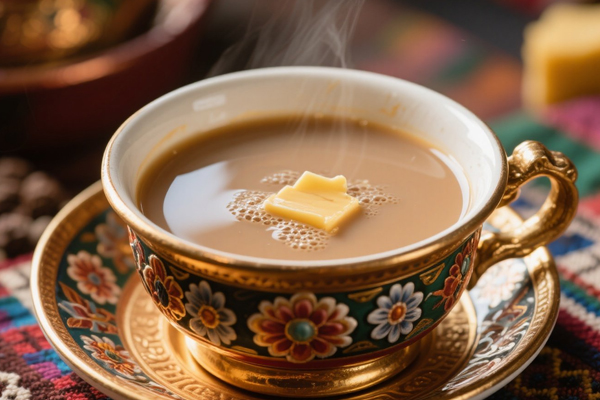
· Butter Tea: Made from tea leaves, butter, and salt, it is a staple drink that warms the body and relieves altitude sickness—thick and creamy, with a salty and fragrant taste.
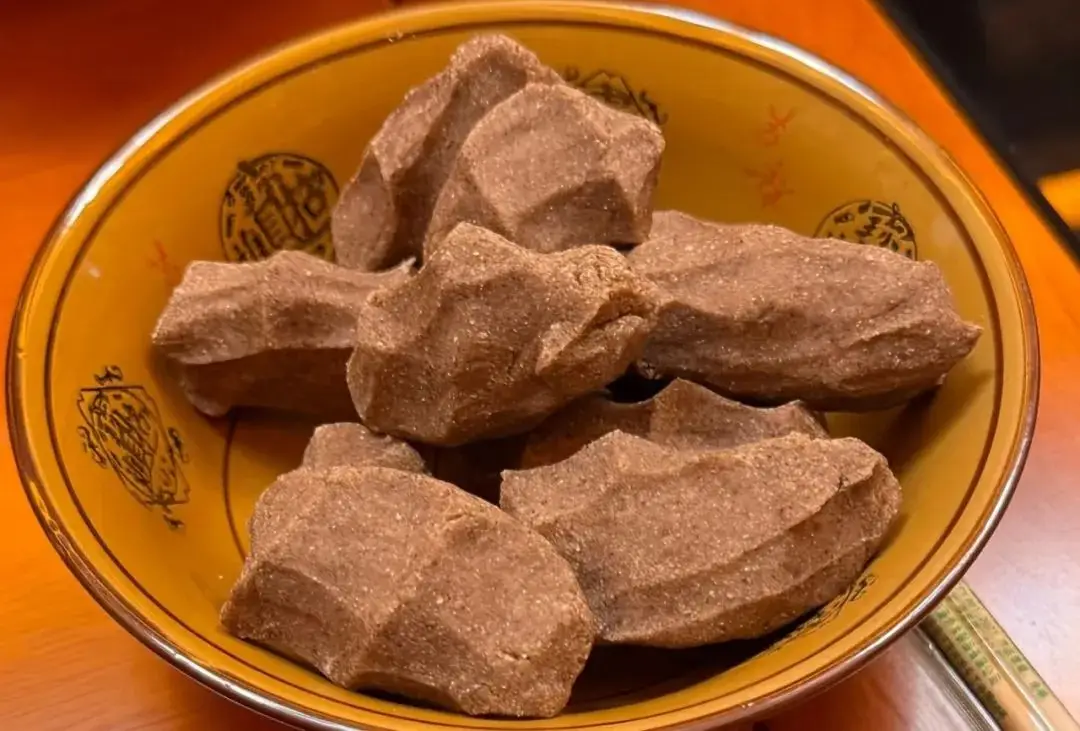
· Tsampa: Roasted highland barley flour mixed with butter tea or yogurt, kneaded into balls—convenient to carry, it has been a staple food for herders for centuries.
· Highland Barley Wine: A mild fermented drink made from highland barley, with a sweet and mellow taste—often served at festivals or to welcome guests, symbolizing joy and friendship.
Outdoor Activities & Special Experiences
1. Hiking & Exploration
· Beginner Route: Longwanghai — Namuhu — Panyanghu (total ~5km, flat trail, suitable for all groups.)
· Intermediate Route: Red Stone Beach — Yanziyan (total ~8km, altitude gain ~500m, 3-4 hours, beautiful colored forests/snow-capped mountains along the way.)
· Advanced Route: Bipenggou — Changpinggou Crossing (classic plateau hiking route, 3-4 days, suitable for experienced hikers, professional guide required. )
2. Skiing & Ice Sports
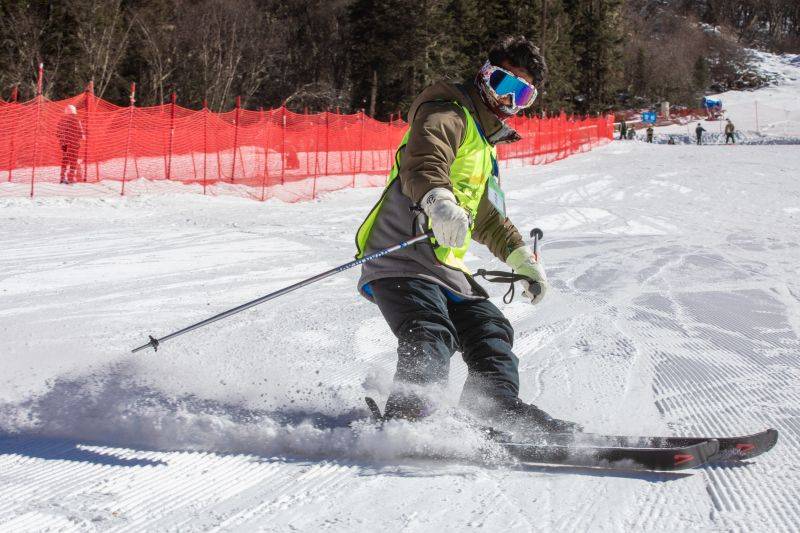
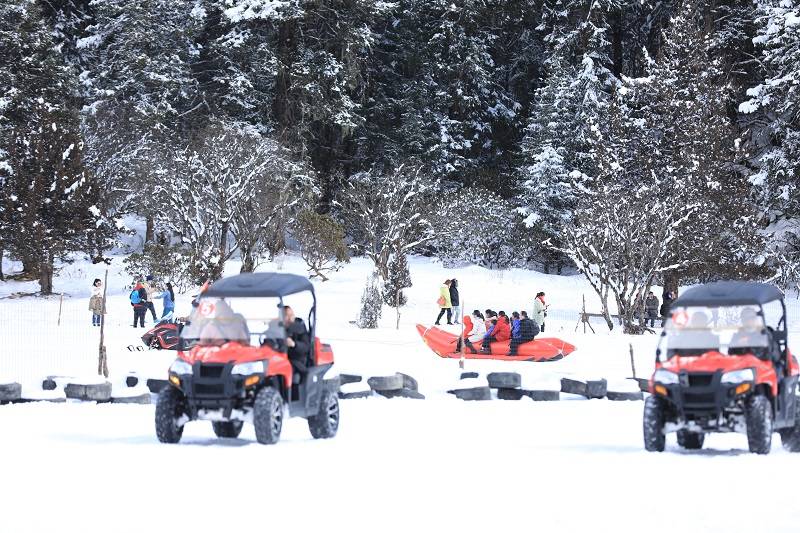
Panyang Lake Ice and Snow Amusement Park offers a variety of ice and snow amusement projects – including snowmobiles, snow carousels, snow tubes, and snow off-road vehicles – and is equipped with a magic carpet for convenient round trips without strenuous climbing, suitable for visitors of all ages, especially family trips and tourists who prefer non-professional skiing, allowing them to easily enjoy the fun of ice and snow games.
Ski Equipment Rental:
· The resort offers a full range of ski equipment for rent, including skis, snowboards, snow suits, helmets, and goggles. The rental prices are reasonable: skis/snowboards cost around 80-120 RMB per hour, and a full set of equipment (snow suit, helmet, goggles) costs around 50-80 RMB per hour.
Other Winter Activities:
· Ice Skating: The frozen Namu Lake serves as a natural ice rink, where visitors can rent ice skates and glide on the ice.
· Rime Viewing: The trees around Namu Lake and the ski resort are covered in rime in winter, creating a beautiful winter wonderland.
· Hot Spring Bathing: After a day of skiing, relax in the hot springs at the Namuhu Hot Spring Resort, which offers a perfect contrast between hot water and cold snow.
3. Photography Creation
Bipenggou is a paradise for photographers, with stunning scenery that changes with the seasons. Here are the best photography spots and tips for capturing the perfect shot:
Best Photography Spots:
· Longwanghai Lake: Perfect for sunrise photos, with the lake reflecting the snow-capped peaks and mist. The best time is 6:30-8:30 AM.
· Namu Lake: Great for starry sky photography at night, as the area has little light pollution. The best time is after 10:00 PM on a clear night.
· Red Stone Beach: Ideal for close-up shots of the red rocks, especially when the sunlight hits them at an angle. The best time is 10:00 AM-12:00 PM or 2:00-4:00 PM.
· Liangtai Gou Viewing Platform: Offers panoramic views of Yaomei Peak, perfect for landscape photos. The best time is 7:00-9:00 AM.
· Colored Forests (Autumn): The forests around Panyanghu Lake and Yanziyan are the best places to capture the vibrant autumn colors. The best time is mid-October to early November.
Seasonal Photography Themes:
· Spring: Focus on alpine rhododendrons, blooming wildflowers, and melting snow. Use a macro lens to capture the details of the flowers.
· Summer: Capture the lush green meadows, crystal-clear lakes, and dense forests. Use a wide-angle lens to showcase the vastness of the landscape.
· Autumn: The main theme is the colorful forests. Use a polarizing filter to enhance the colors and reduce glare from the leaves.
· Winter: Shoot snowscapes, rime formations, and the contrast between hot springs and snow. Use a slow shutter speed to capture the movement of falling snow.
4. Folk Custom Experience
· Qiang Sa Lang Dance: Held in Taoping Qiang Village every evening after dinner, the Sa Lang Dance is a traditional group dance of the Qiang people. Locals and tourists gather in the village square, and under the leadership of a village elder, they dance in a circle to the rhythm of Qiang music. The dance is simple and energetic, and everyone is welcome to join. The cost is usually free, but you can make a small donation to the village if you wish.
· Qiang and Tibetan Handicraft Workshops: In Taoping Qiang Village and Ganbao Tibetan Village, you can participate in workshops to learn how to make traditional handicrafts. For example, in Taoping Qiang Village, you can learn Qiang embroidery, which is known for its intricate patterns and bright colors. In Ganbao Tibetan Village, you can learn how to make Tibetan incense or thangka paintings. The workshops are usually led by local artisans, and the cost ranges from 50-200 RMB per person, depending on the craft.
· Homestay Experience: Staying in a local Qiang or Tibetan homestay is a great way to experience daily life in the villages. Most homestays are run by local families, who will welcome you with traditional food and drinks (such as butter tea and zajiu wine). You can help the family with daily chores, such as cooking or farming, and learn about their customs and traditions. Homestays also offer a more authentic experience than hotels, and the hosts are usually happy to share stories about their culture.
Transportation Guide: From Chengdu to Bipenggou
1. Public Transport
Option 1: Bus + Local Transfer
· Take a long-distance bus from Chengdu Chadianzi Bus Station to Lixian County. Buses depart every hour from 7:00 AM to 2:00 PM, and the journey takes approximately 3 hours. The ticket price is around 70-90 RMB per person.
· Upon arriving at Lixian Bus Station, you can take a local minibus or carpool to the Bipenggou Scenic Area. The minibus departs when full, and the journey takes about 1 hour. The ticket price is around 20-30 RMB per person.
Option 2: Scenic Area Direct Shuttle
Long-distance buses from Chengdu Xinnanmen Bus Station to Bipenggou typically depart in the morning, around 8:40 AM.
2. Self-Driving
· Route: Chengdu — Chengguan Expressway — S9 Duwen Expressway — G4217 Rongchang Expressway (Taoping Toll Station) — G4217 Rongchang Expressway (Putou Toll Station) — National Highway 317 — Bipenggou (approximately 2 hours of driving).
· Notes: Some sections are mountain roads, control speed; winter requires snow tires or anti-skid chains
3. Charter Car/Carpool
Chartering a car or carpooling is a popular middle ground between self-driving and public transportation, offering flexibility and convenience without the hassle of driving.
Charter Car:
· Chartering a 5-seater car from Chengdu to Bipenggou (round trip) costs around 800-1200 RMB per day, depending on the season and vehicle type. A 7-seater car costs around 1200-1500 RMB per day.
· The charter car service usually includes a driver, fuel, and toll fees. You can negotiate the itinerary with the driver, such as stopping at Taoping Qiang Village or Ganbao Tibetan Village along the way.
· To find a reliable charter car, you can book through a reputable travel agency, the official scenic area website, or online platforms like Ctrip.
Carpool:
· Carpooling is a more affordable option, with prices ranging from 150-200 RMB per person for a round trip from Chengdu to Bipenggou.
· You can find carpool partners through travel forums, social media groups, or local travel agencies. Most carpool groups depart from Chengdu in the early morning (around 6:30-7:00 AM) and return in the afternoon or evening of the next day.
Advantages of charter car/carpool:
· Flexibility: You can stop to take photos or visit attractions along the way, such as Taoping Qiang Village and Ganbao Tibetan Village, which are not easily accessible by public transportation.
· Convenience: The driver is familiar with the road conditions, especially the mountainous sections of National Highway 317, which can be challenging for inexperienced drivers.
· Comfort: Charter cars and carpool vehicles are usually well-maintained, and you don’t have to worry about driving or navigating.
Food & Accommodation Guide
A. Must-Try Local Cuisine
In addition to the Qiang and Tibetan cuisines mentioned above, the following dishes are also worth trying:
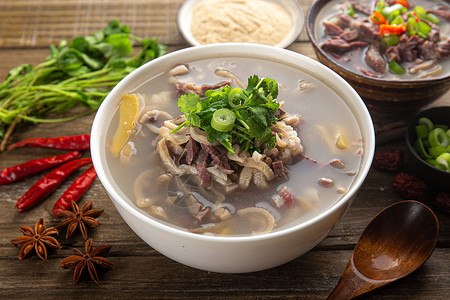
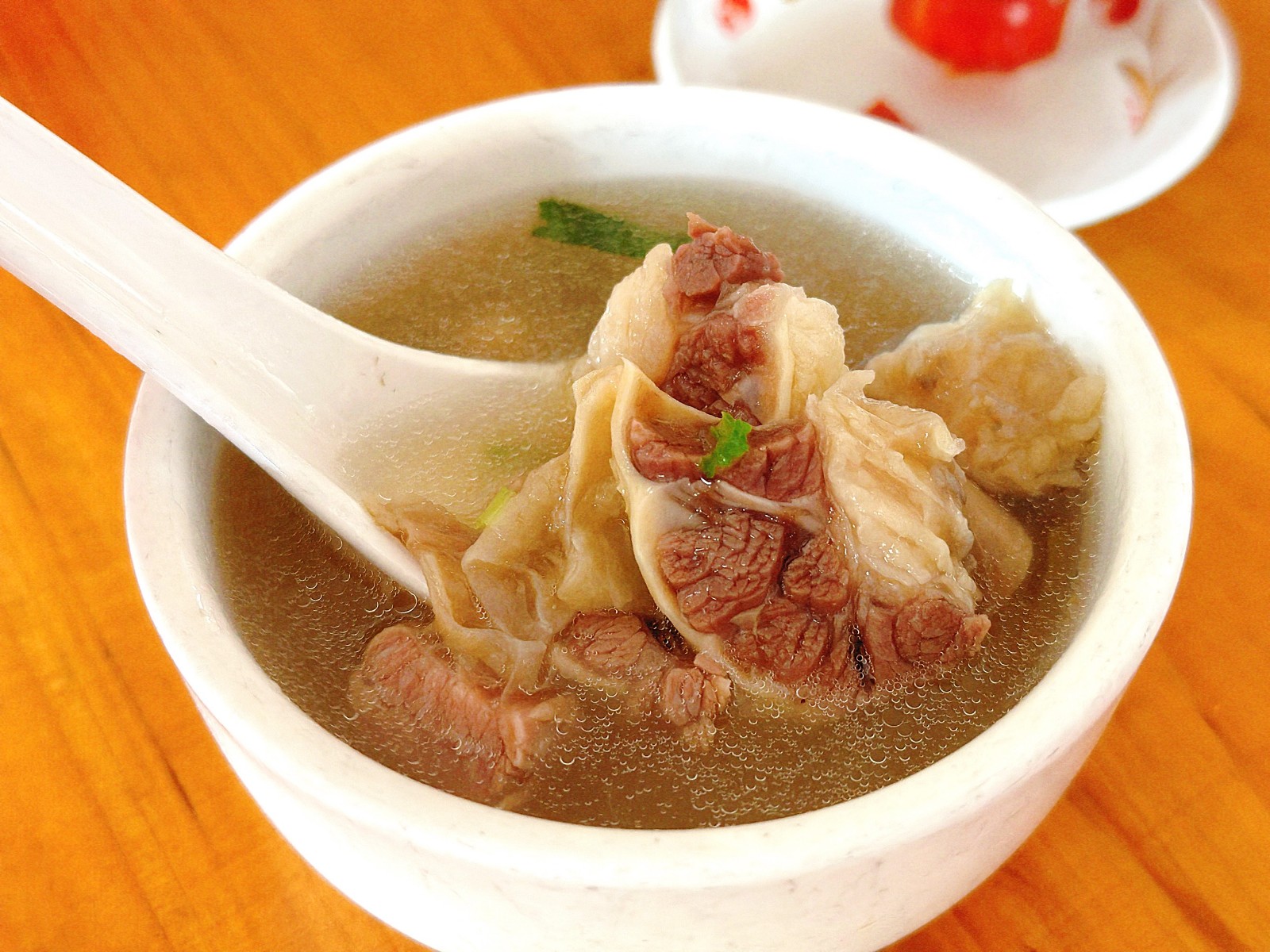
1. Beef offal soup
2. Qingkebing (Barley cake)


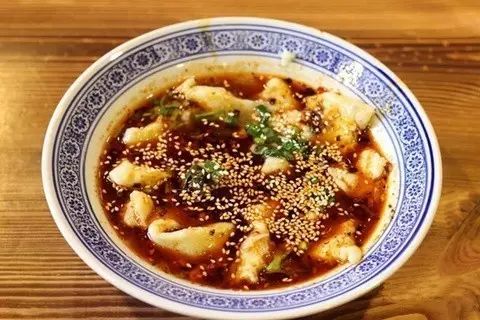
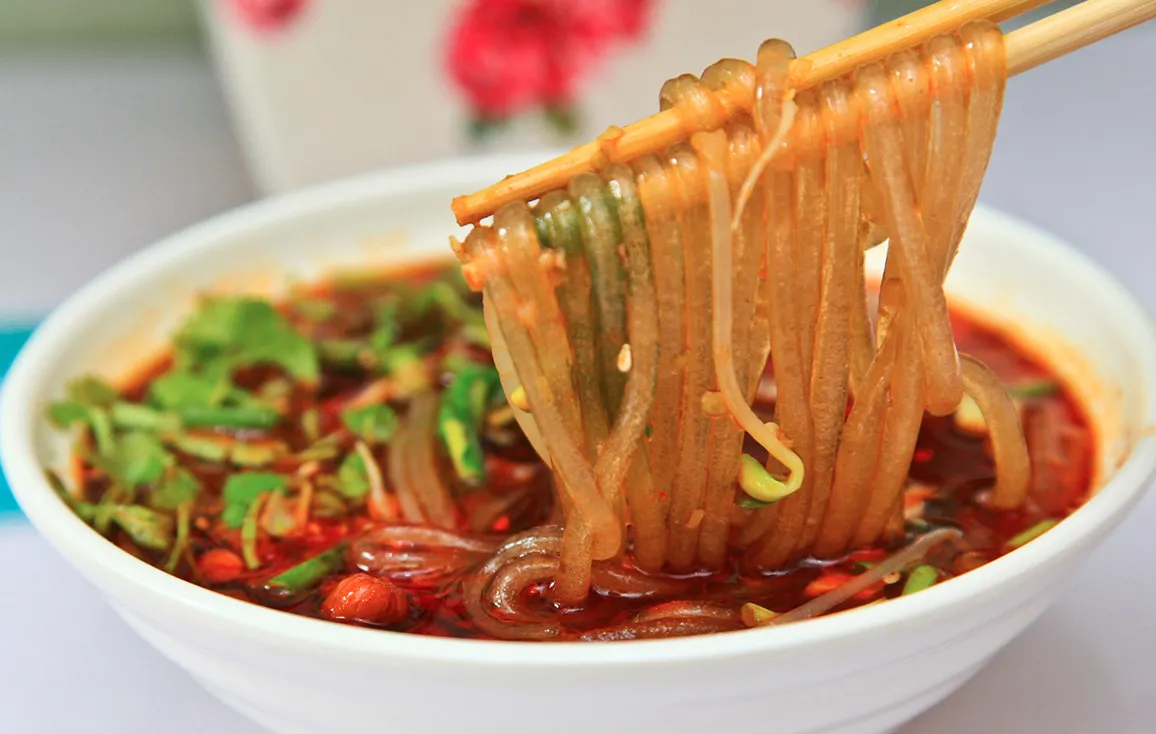
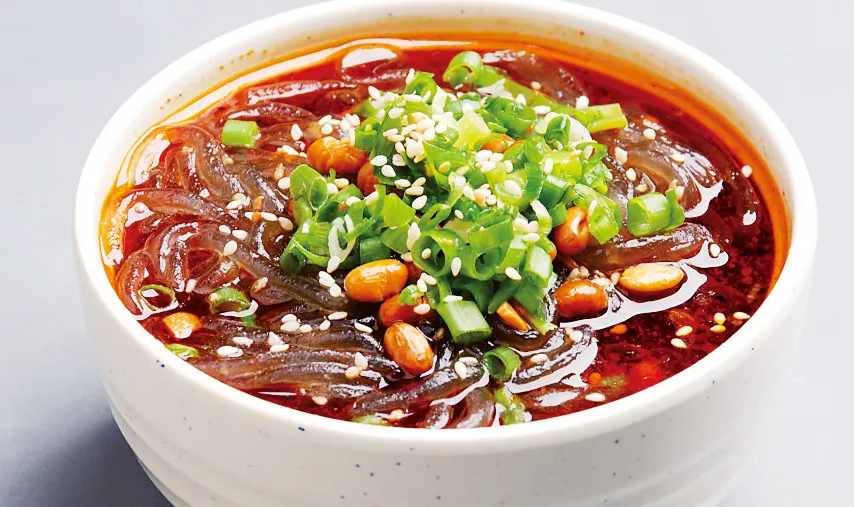
3. Suan La Fen (Sour and Spicy Sweet Rice Noodles)
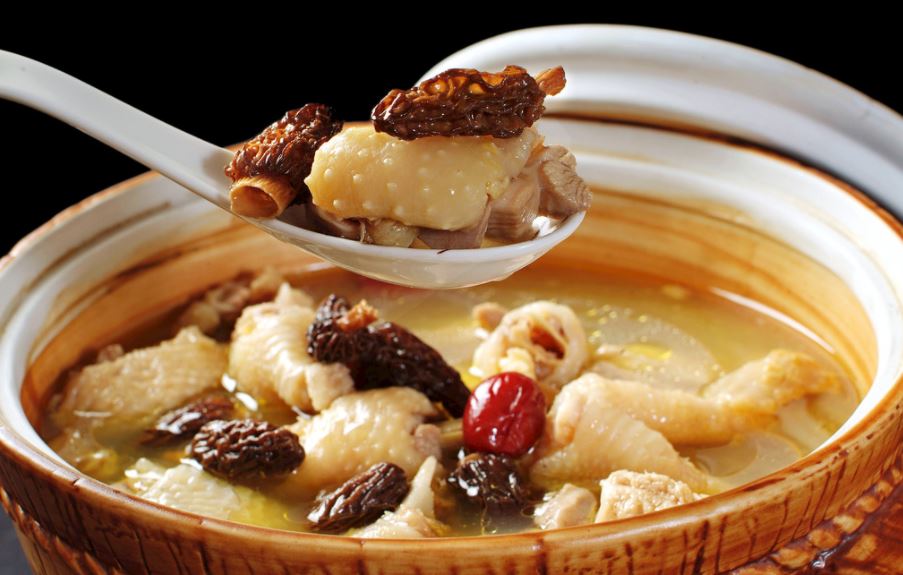
4. Alpine mushroom stewed chicken

Go Beyond the Ordinary in Chengdu: Personalized Tours for the Curious Explorer!
Step into Chengdu’s rich history and vibrant present with our expertly crafted tours.
Discover the wonders of Sichuan cuisine, explore the peaceful tranquility of ancient temples, or uncover the city’s lesser-known spots that offer an authentic local experience. Whether you're wandering through historic districts or learning the secrets of Chengdu’s ancient art forms, our tours are designed to offer a deeper, more meaningful connection to the city.
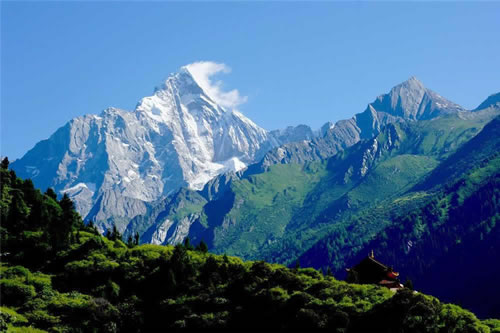 4 Days Classic Siguniangshan Mountain Hiking Tour with Wolong Panda Base
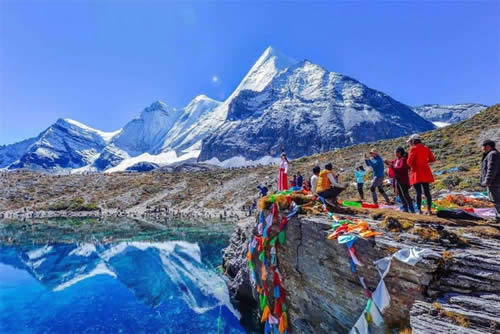 5 Days In-depth Daocheng Yading Trekking Tour from Chengdu
B. Accommodation Options
a. Accommodation near Bipenggou Scenic Area
1. Namu Lake Resort
The Namu Lake Resort is an ideal spot for travelers wanting to discover the city. The Namu Lake Resort offers a pleasant stay in Li County for those traveling for business or leisure. Keeping busy is easy, with Nam Lake Scenic Spot Guide Map, Dragon King Lake and Bipenggou Namu Lake Forest Warm Pool Hot Spring all nearby. When guests have some time on their hands they can make use of the onsite facilities. This Li County hotel offers parking on site.
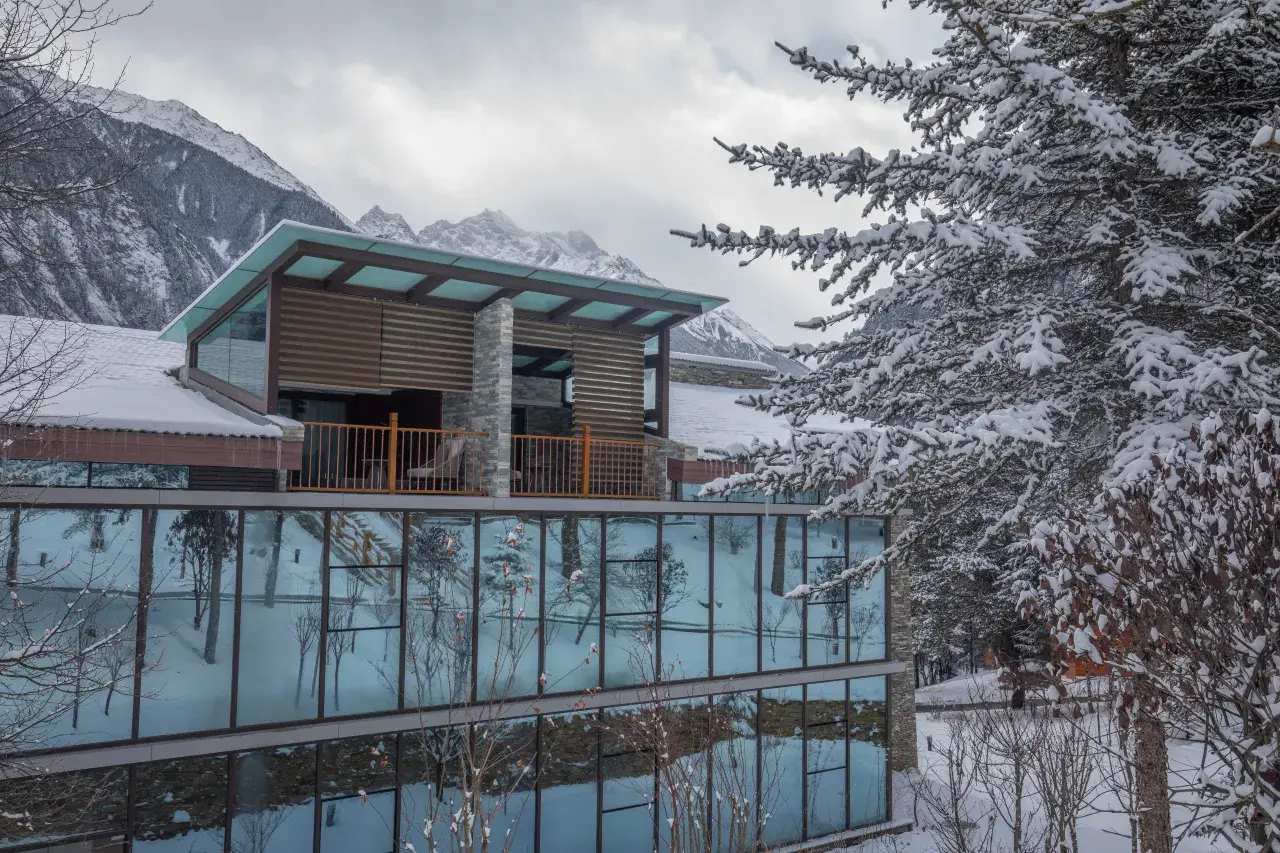
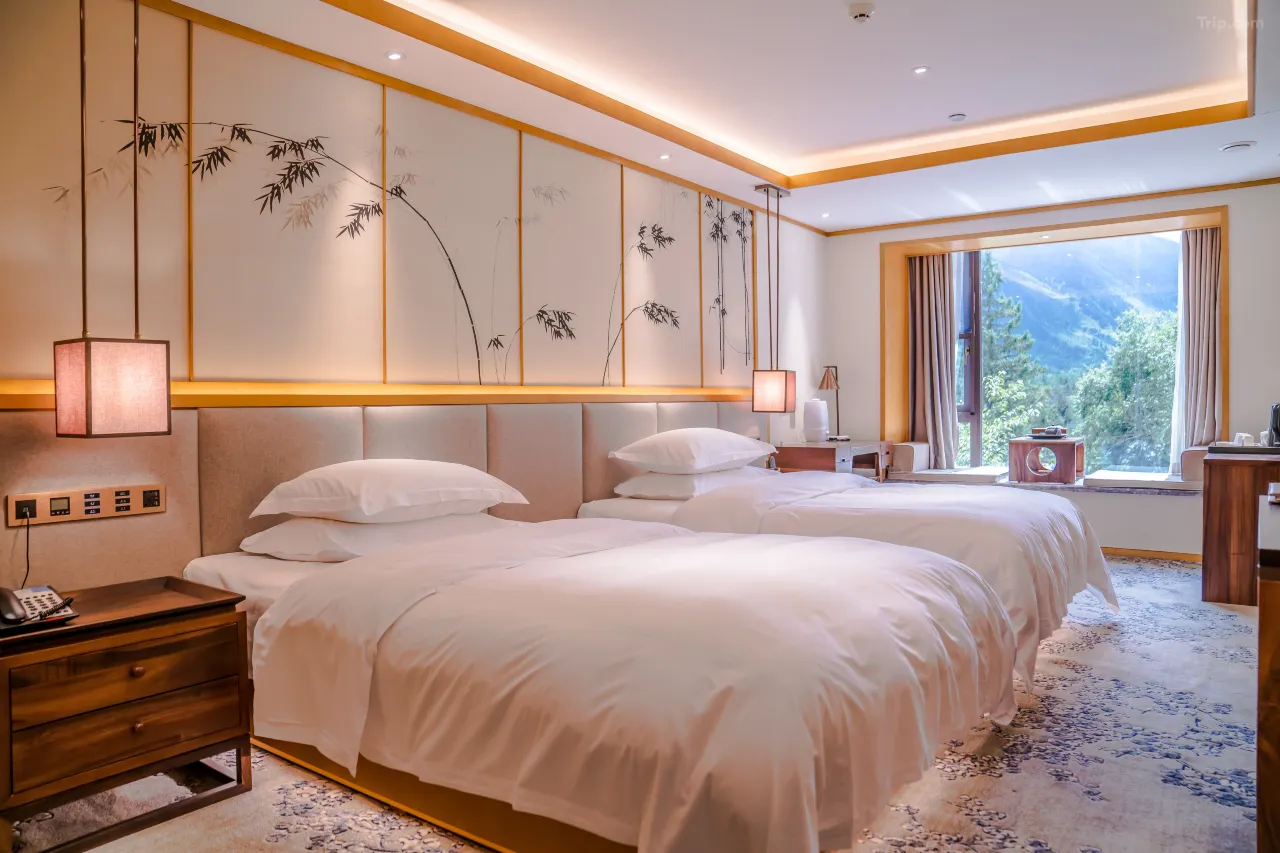
Address: Inside Bipenggou Scenic Area, Li County, Sichuan, China
Phone: +86-837-6828618 | +86-837-6821833
2. Qinghe Ruijin Private Soup Hot Spring Hotel
The Chinese text store is located near the entrance of the Bipenggou scenic spot in western Sichuan, about 8 minutes' walk away, and has a large open-air parking lot that can park more than 400 vehicles at the same time. The hotel has a unique design, which is close to the mountains and rivers, with a group of paths leading to secluded places and clouds flying in the mountains. The hotel has complete facilities and functions, with various guest rooms, including special soup pool room, starry family suite, administrative suite, large floor window viewing room, etc. Some rooms are equipped with intelligent voice butler, high-definition projection equipment and intelligent toilet. The bed sheet and quilt cover in the room are made of 80 * 80 high-density satin fabric, and the quilt core is 90% down. It is equipped with a zero pressure mattress, a Jinkeler mattress and some electric massage mattresses. It has a free choice of pillow area, which allows you to have a better single sleep experience. The hotel has tea houses, restaurants, meeting rooms and other supporting facilities.
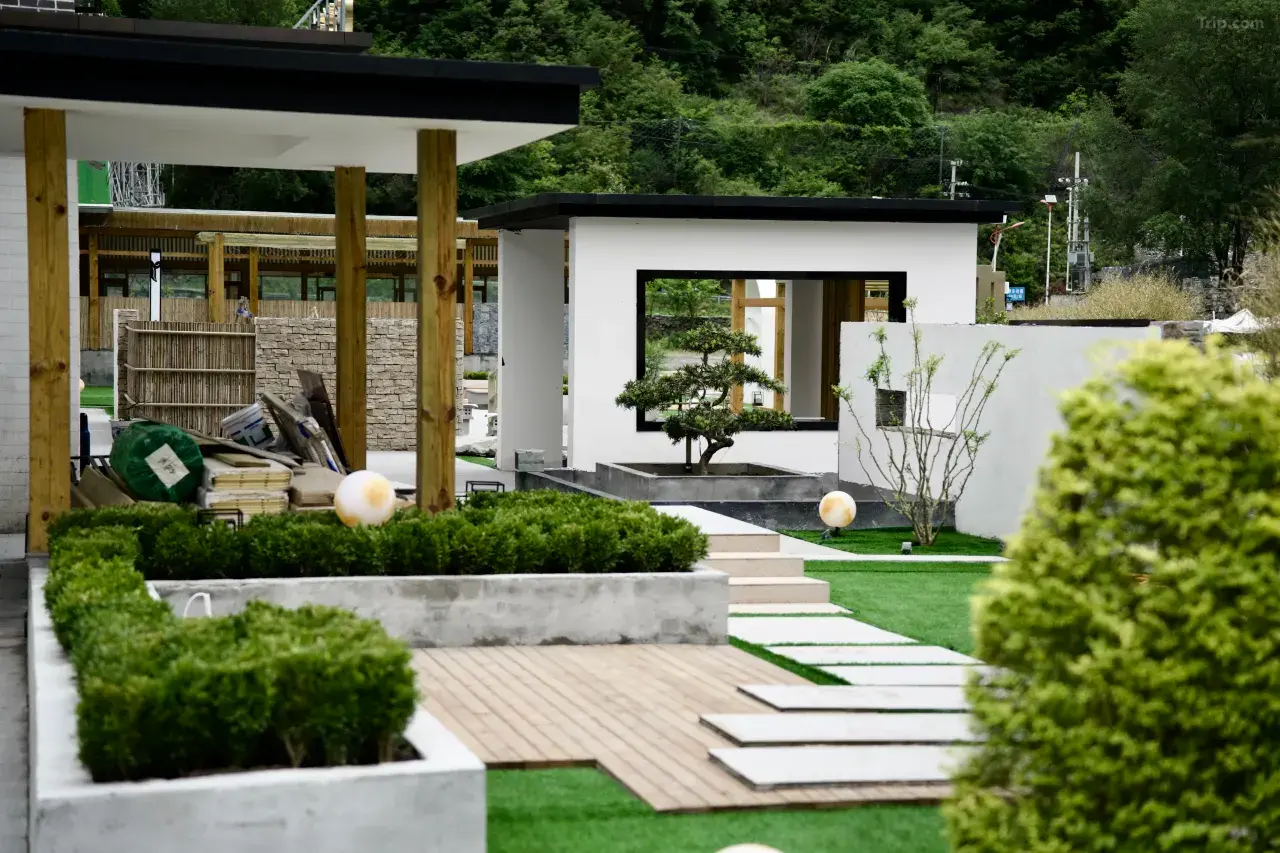
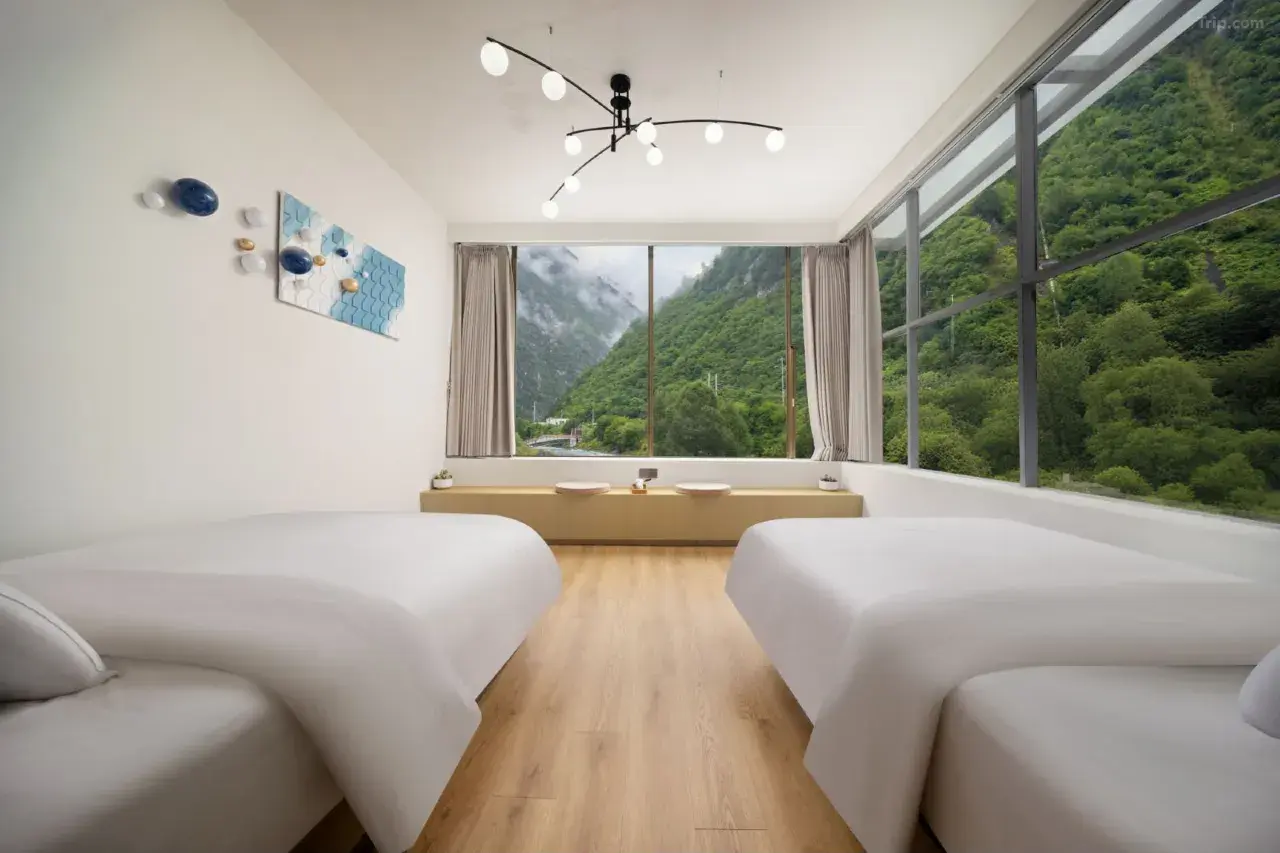
Address: No.56 Zhuangfang Village, Putou Town, Li County, Sichuan, China
Phone: +86-15884448010
3. The Evening Mountain Range in Bipang Valley
Nestled within the pristine landscapes of Western Sichuan, Bipenggou · Mushan stands as a testament to the Chengmi Hotel Management Group's commitment to creating unique hospitality experiences. Embracing the brand philosophy of "one hotel, one design," the property draws inspiration from the harmonious coexistence of "snow-capped peaks, ancient forests, and Qiang cultural heritage." It is designed as a sanctuary for travelers seeking solace, authenticity, and a deep connection with nature and local traditions.
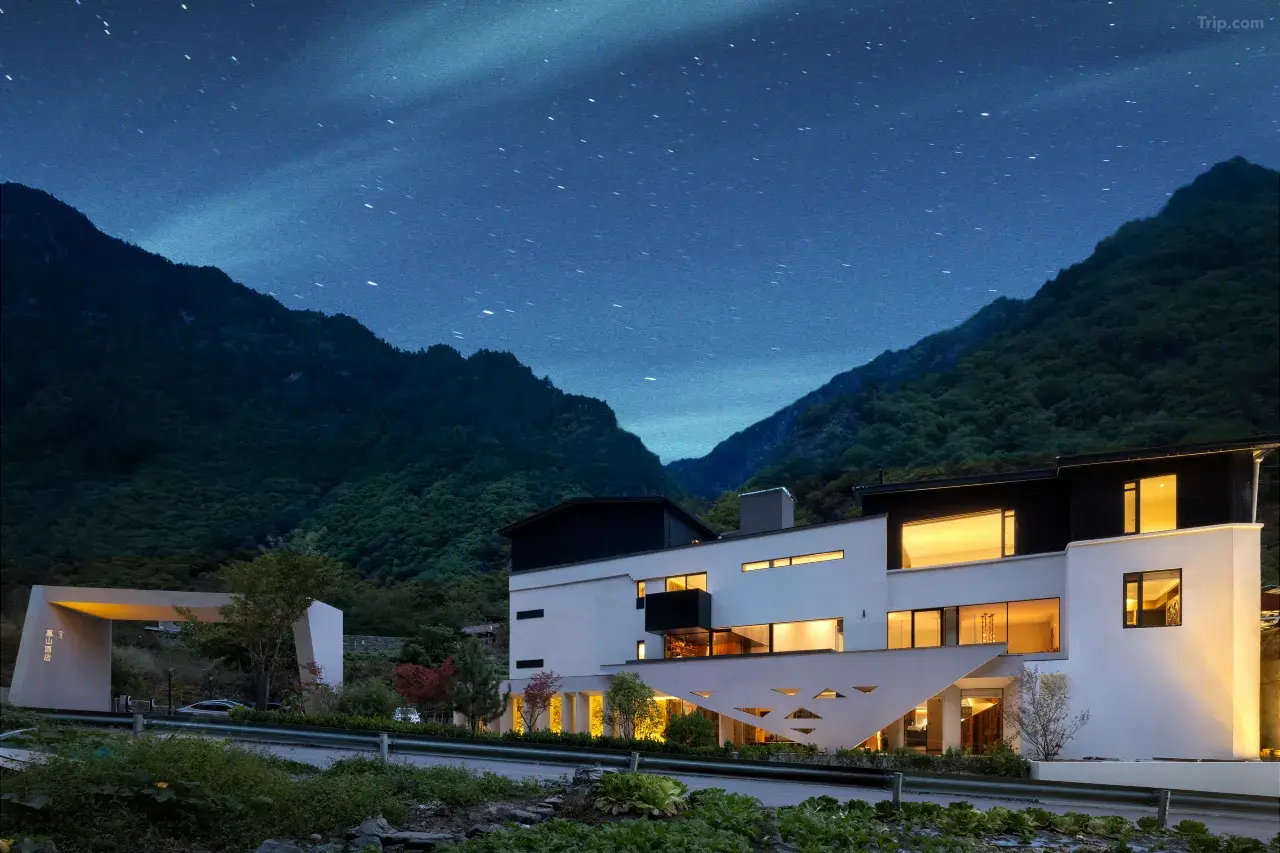
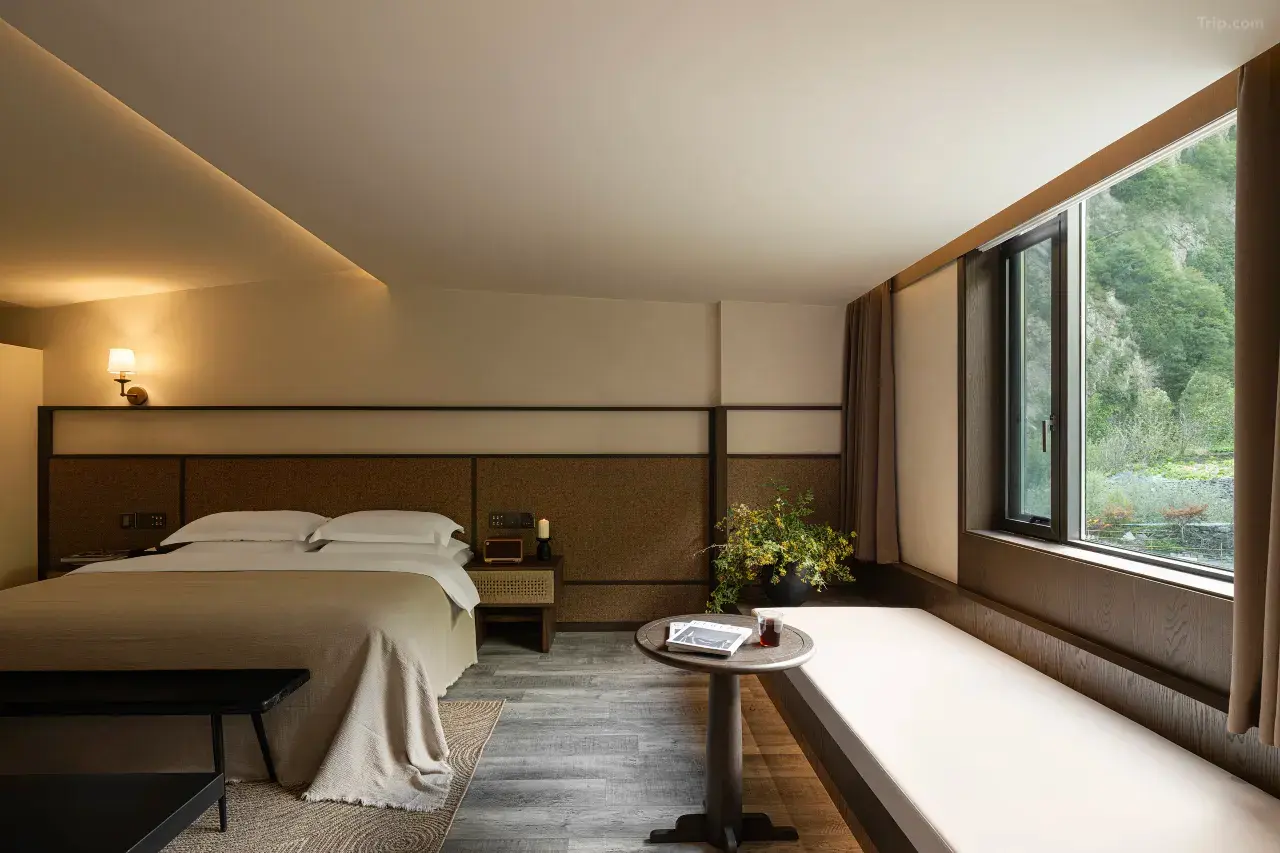
Address: No. 90, Zhuangfang Village, Biping Gorge, Li County, Sichuan, China
Phone: +86-837-6829666
4. VALATOMS·Fanlatu Hotel
The VALATOMS·Fanlatu Hotel (Bipenggou Scenic Area) provides a great place for travelers to relax after a busy day. The VALATOMS·Fanlatu Hotel (Bipenggou Scenic Area) is an ideal choice for travelers who want to take in the sights and sounds of Li County. There is no shortage of things to see in the area, with the Bipeng Holy Land RV Self-Driving Camping Ground, Tuju Island Bipenggou Yujingyuan RV Self-Driving Campground and Moon Bay all nearby. This hotel makes a great place to kick back and relax after a long day of sightseeing. This Li County hotel features parking on site.
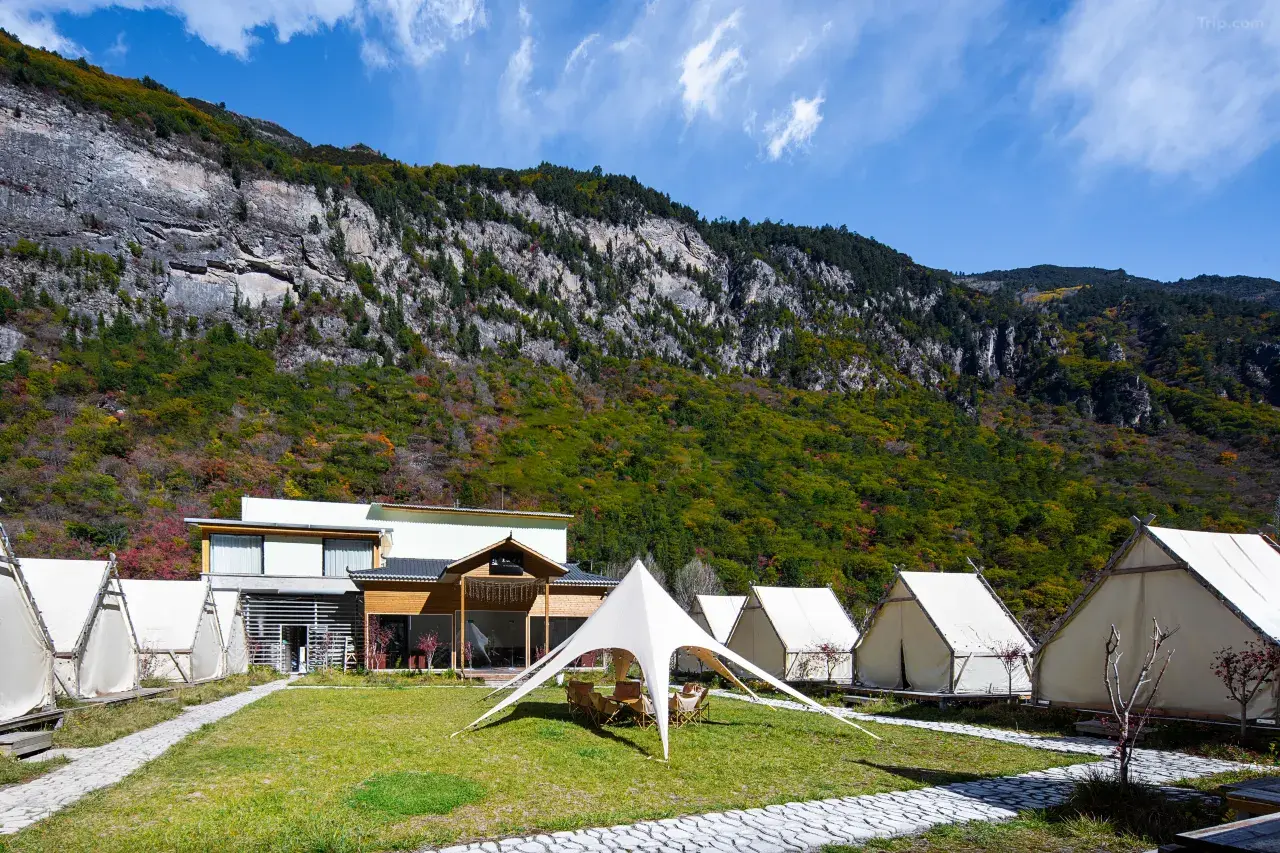
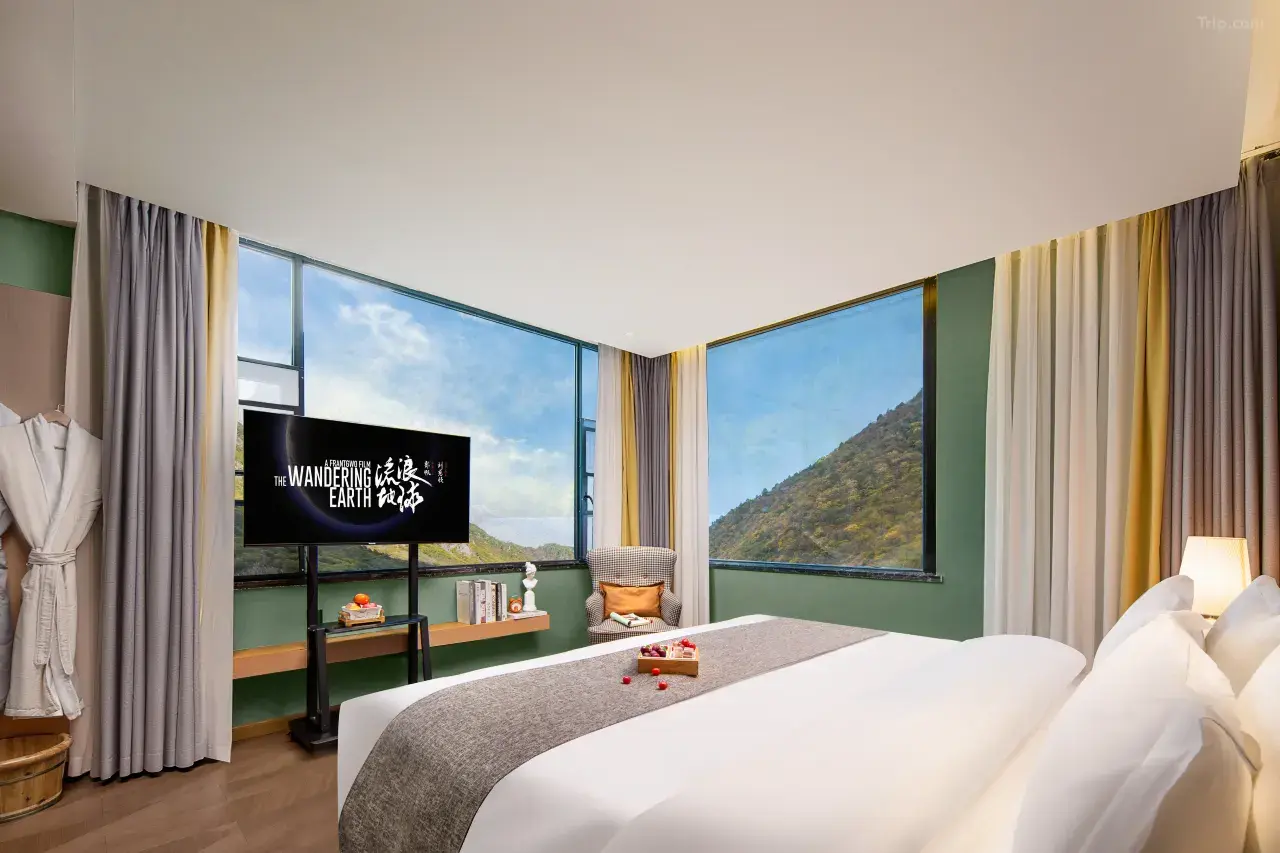
Address: No. 70, Village Group 1, Zhuangfang Village, Putou Town, Li County, Sichuan, China
Phone: +86-19383719195
b. Off-Scenic Area Accommodation
1. Erma Renjia Guesthouse
The Erma Renjia Guesthouse is one of the newest hotels in Li County, having been renovated in 2025. Guests will find Taoping Qiang Village, May 12th Wenchuan Special Huge Earthquake Qiang Village Earthquake-resistance and Disaster Relief Recovery Rebuild Exhibition Room and Aba Qiang Village Watchtower Group Taoping Qiang Village - Salang Square just a short distance from the hotel. This hotel makes a great place to kick back and relax after a long day of sightseeing. This Li County hotel features parking on site.
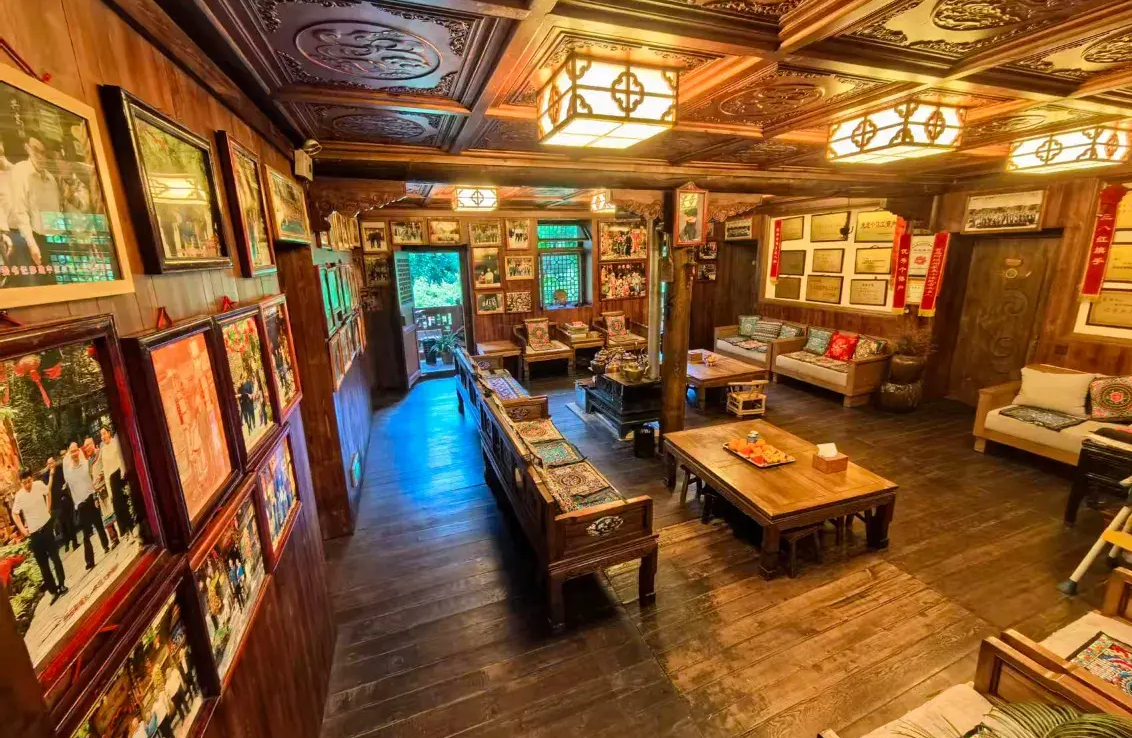
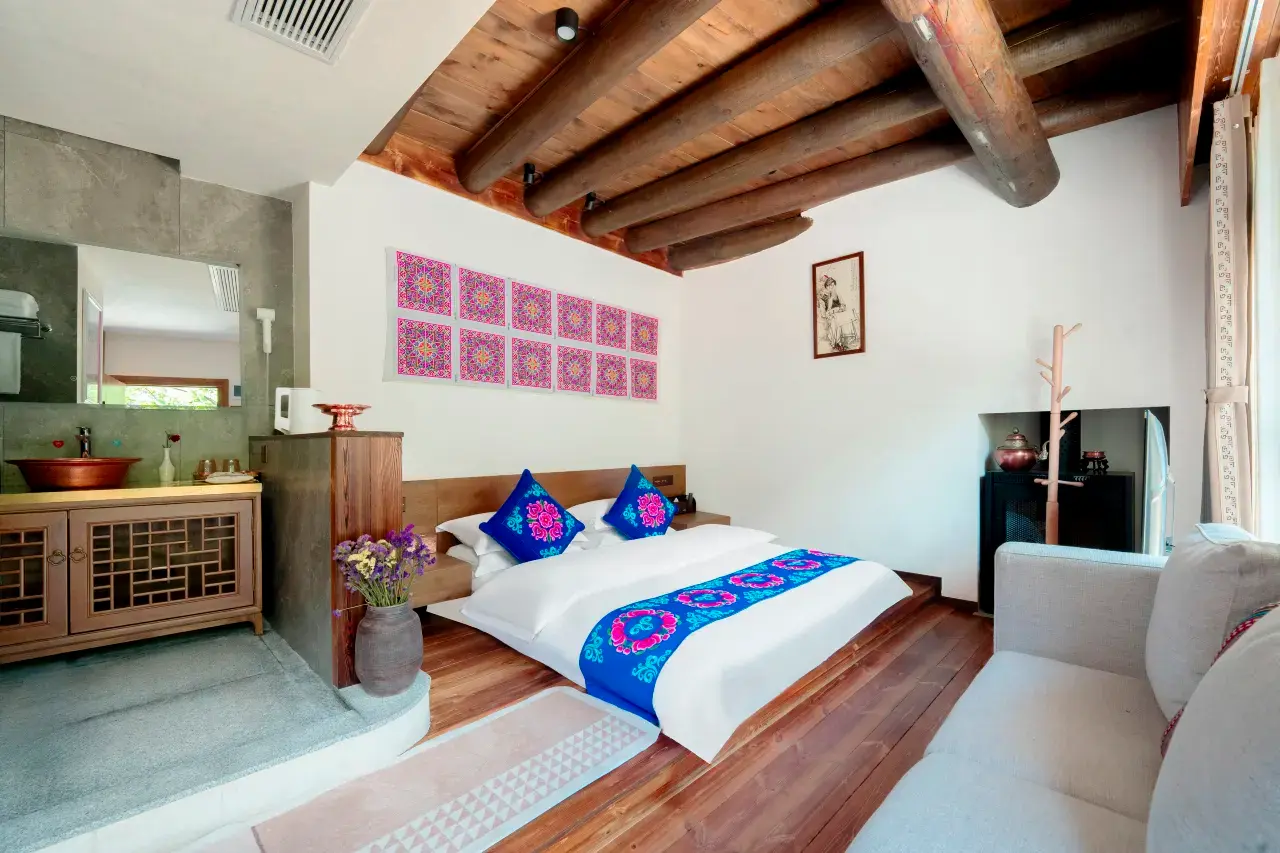
Address: No. 119, Taoping Qiang Village, Li County, Sichuan, China
Phone: +86-837-6836666
2. Jiaka Folk Boutique Hotel
The Jiaka Folk Boutique Hotel is an ideal spot for travelers wanting to discover the city. The Jiaka Folk Boutique Hotel offers a pleasant stay in Li County for those traveling for business or leisure.
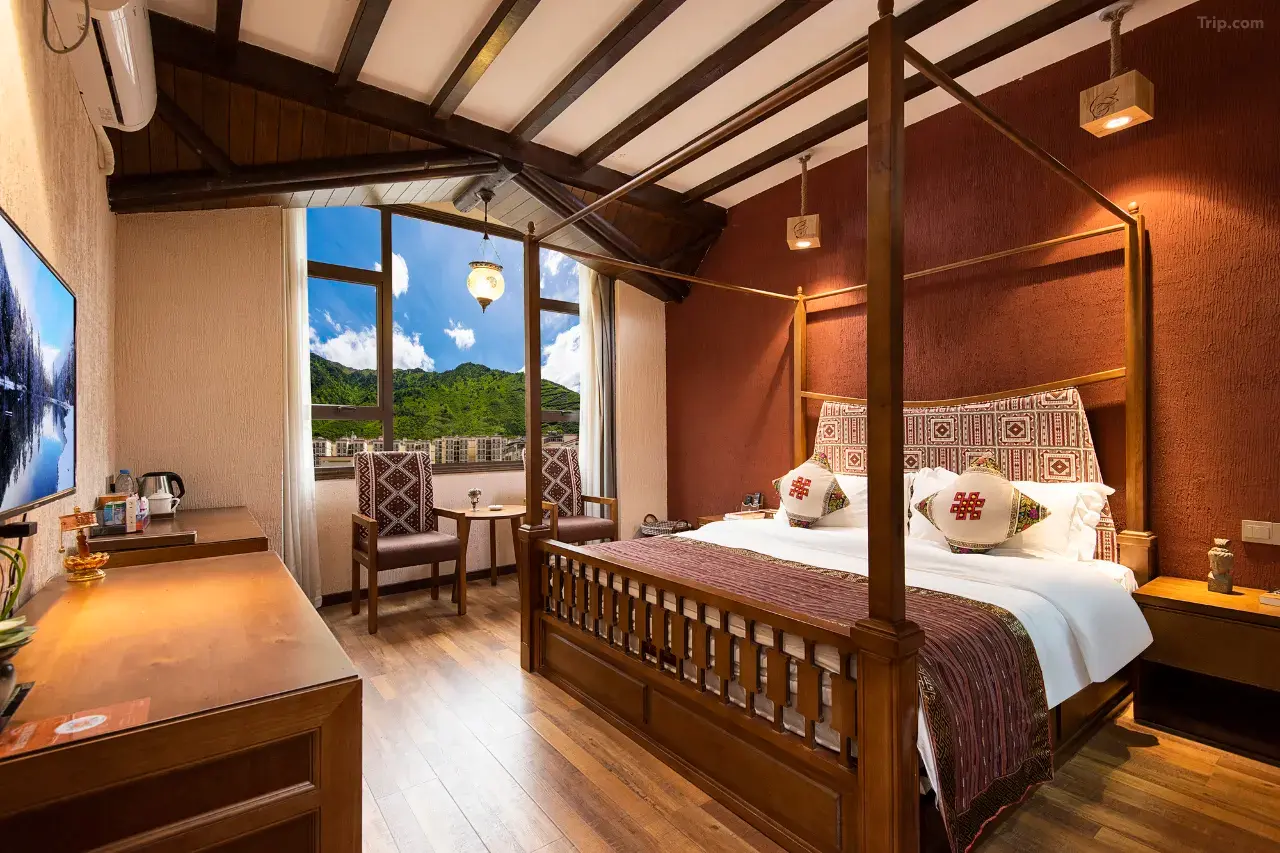
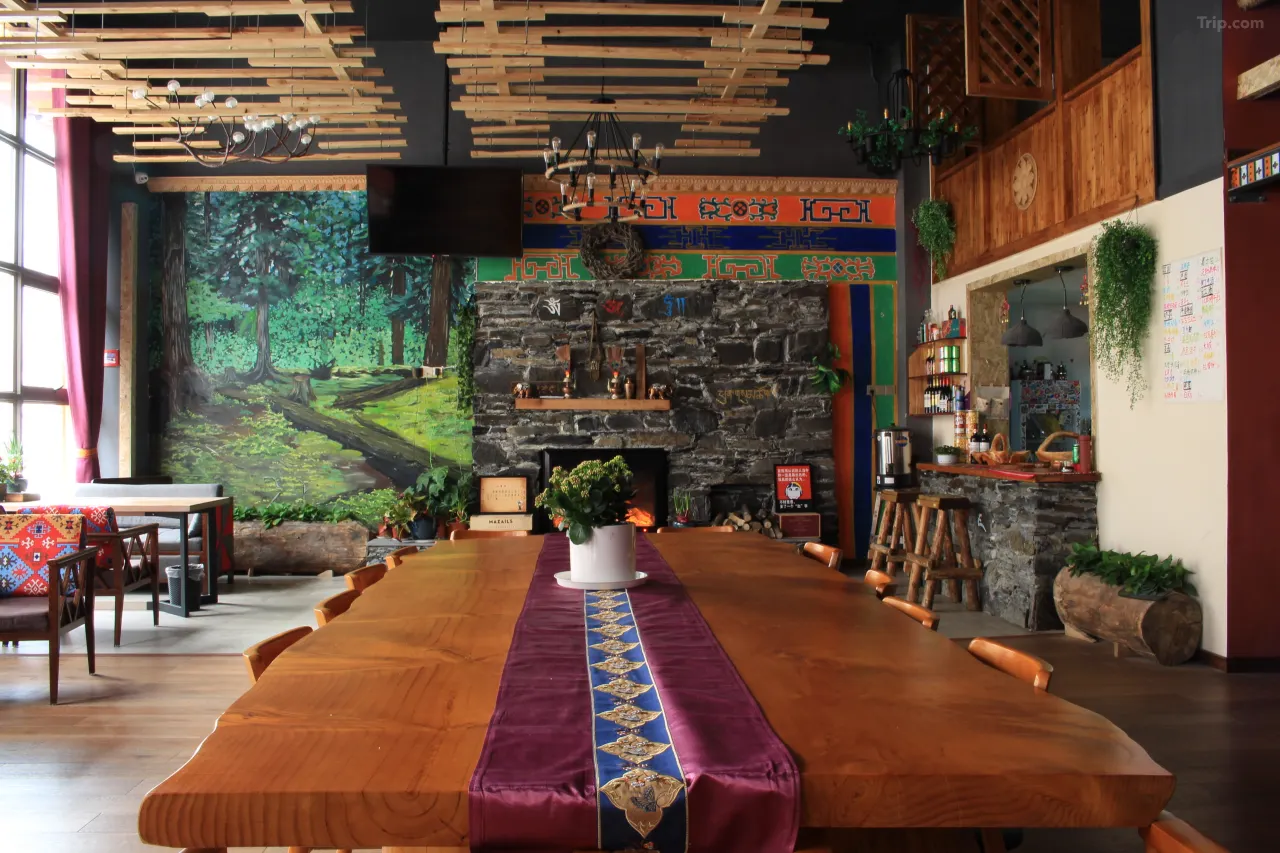
Address: No. 27 Danzhamu Road, Li County, Sichuan, China
Phone: +86-837-8856999
3. Ganbao Tibetan Village Jingji Chamayi Inn Homestay
The Ganbao Tibetan Village Jingji Chamayi Inn Homestay is a great choice for guests looking for accommodation in Li County, having been recently renovated in 2022. With Ganbao Tibetan Village and Zasag Scenic Area both within a short distance, there is no shortage of things to do in the area. In their spare time, guests can explore the hotel's surroundings. Guests of this Li County hotel can make use of the parking facilities.
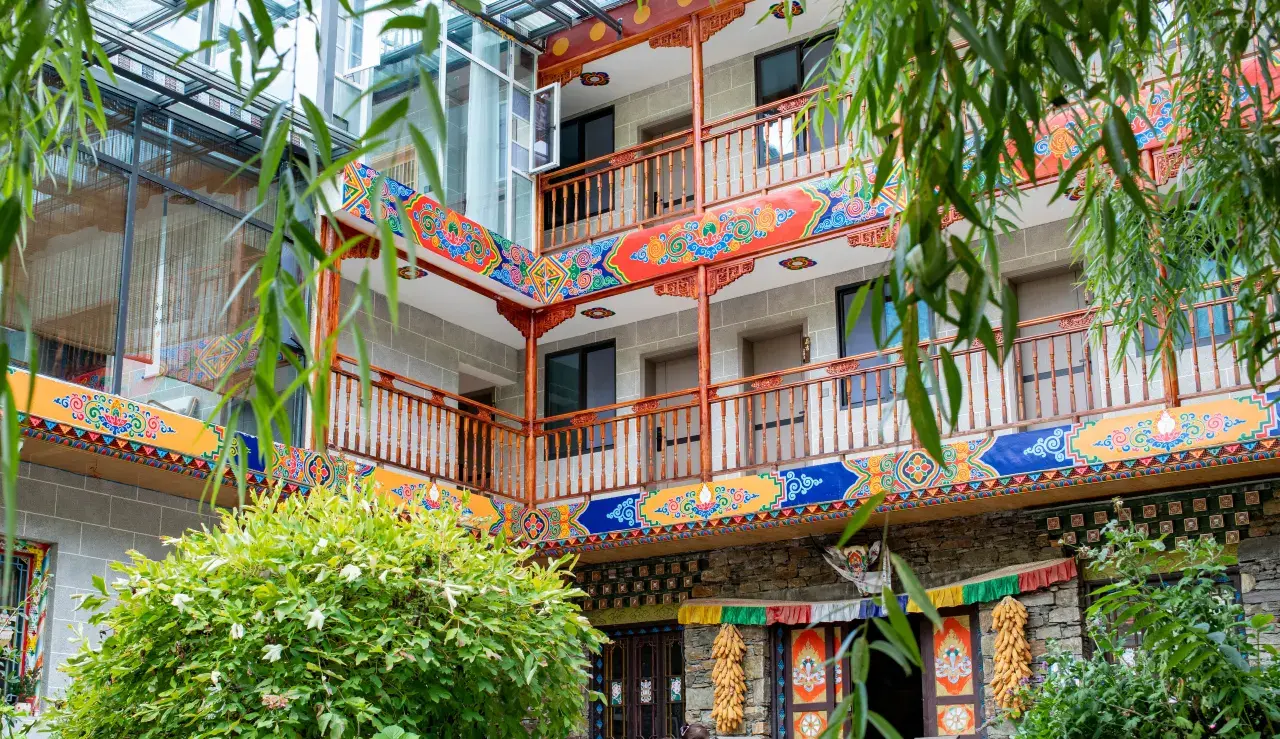
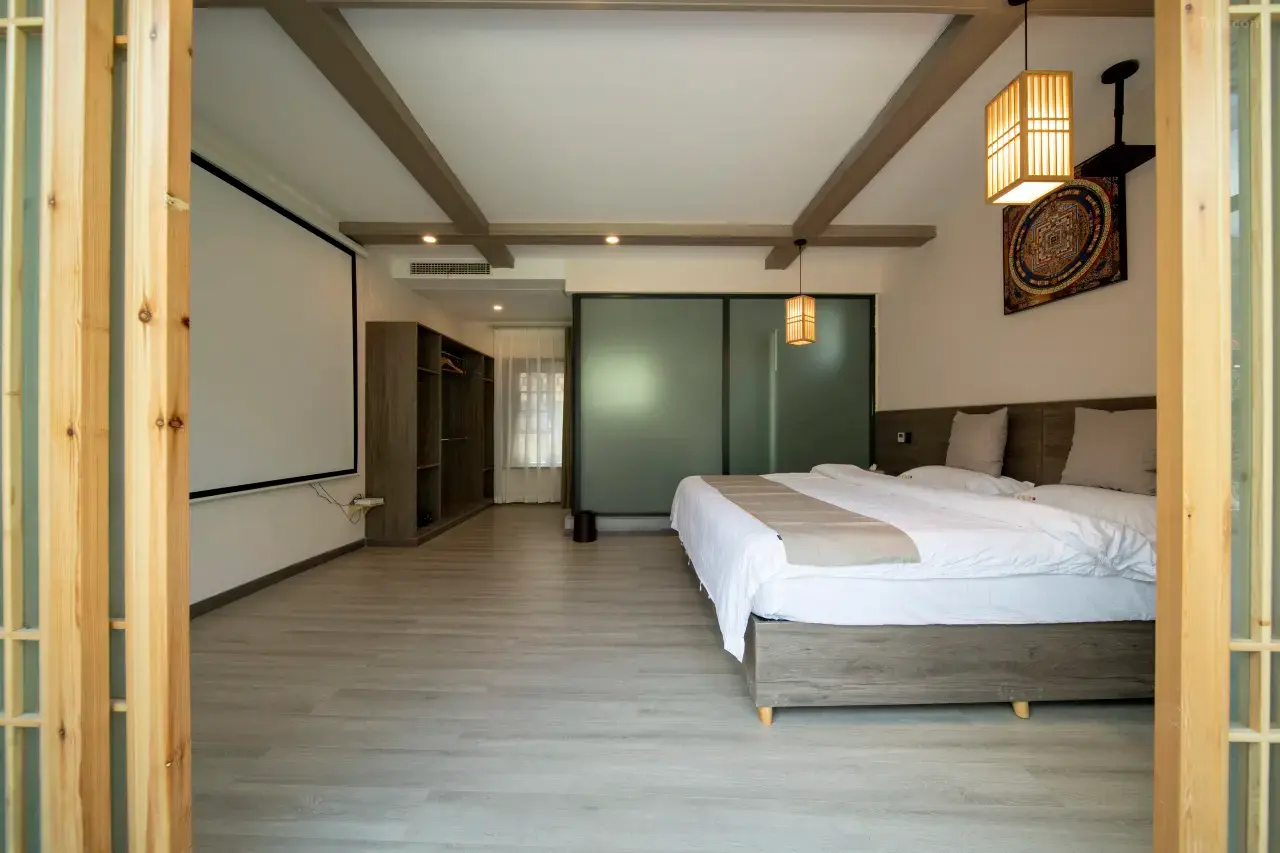
Address: Ganbao Tibetan Village Scenic Area, Li County, Sichuan, 623100, China
Phone: +86-18048002866
4. Namu Zangjiale
The Namu Zangjiale provides a great place for travelers to relax after a busy day. The Namu Zangjiale offers a pleasant stay in Li County for those traveling for business or leisure. There's plenty to do nearby, with Ganbao Tibetan Village, and Zasag Scenic Area all just a both distance away.
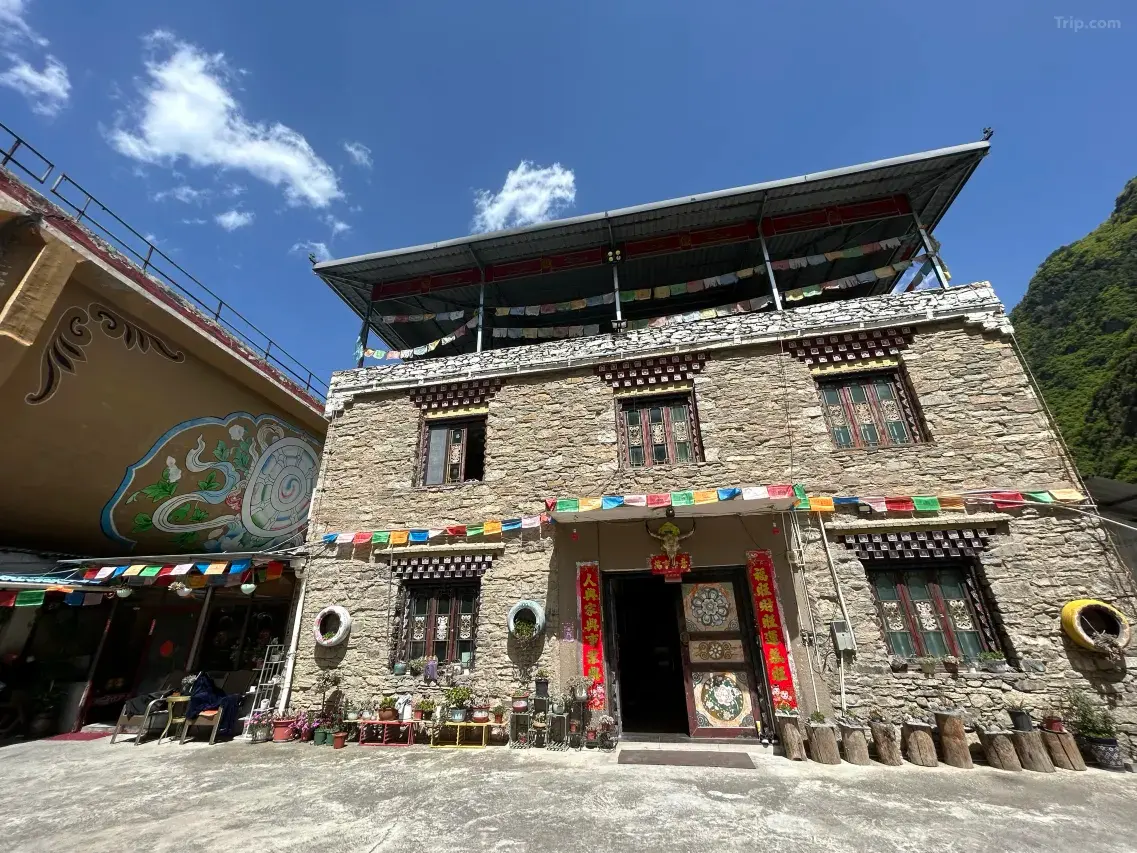
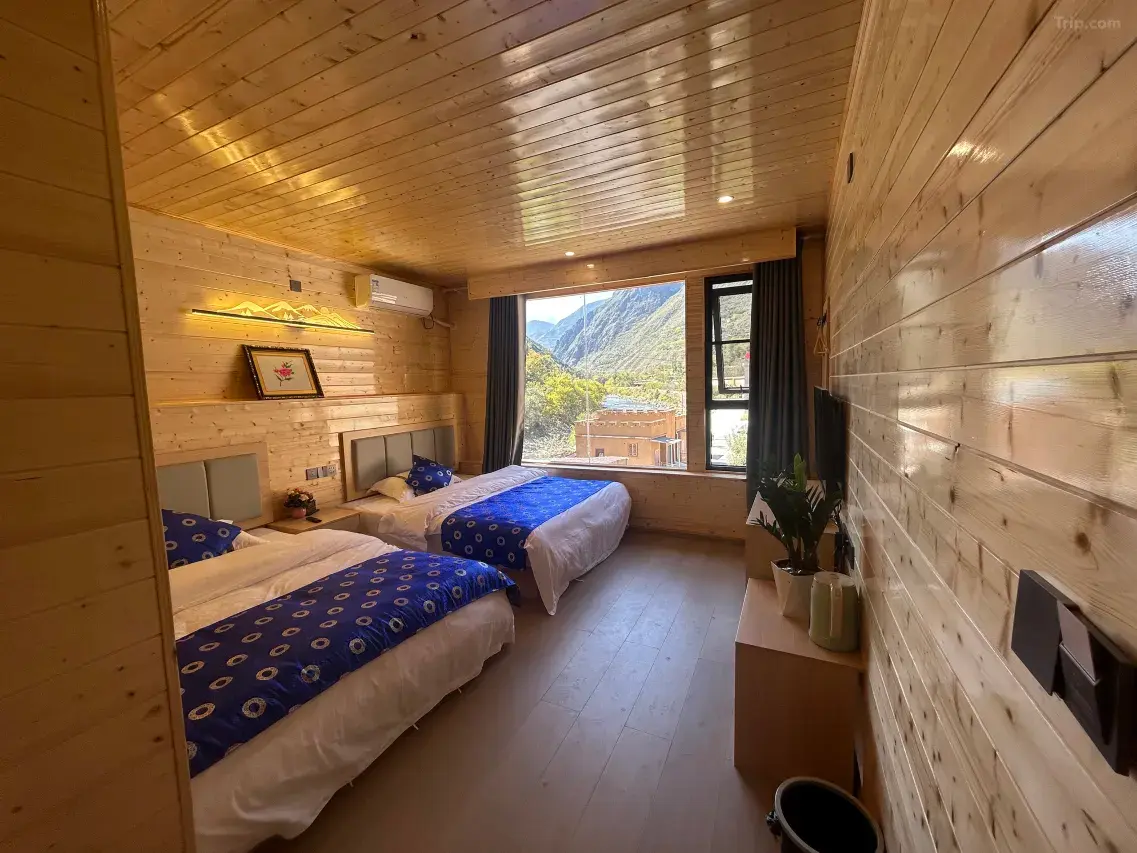
Address: No. 2, Ganbao Tibetan Village, Li County, Sichuan, 623100, China
Phone: +86-15183703335
Shopping Guide
A. Must-Buy Specialties
a. Food Specialties
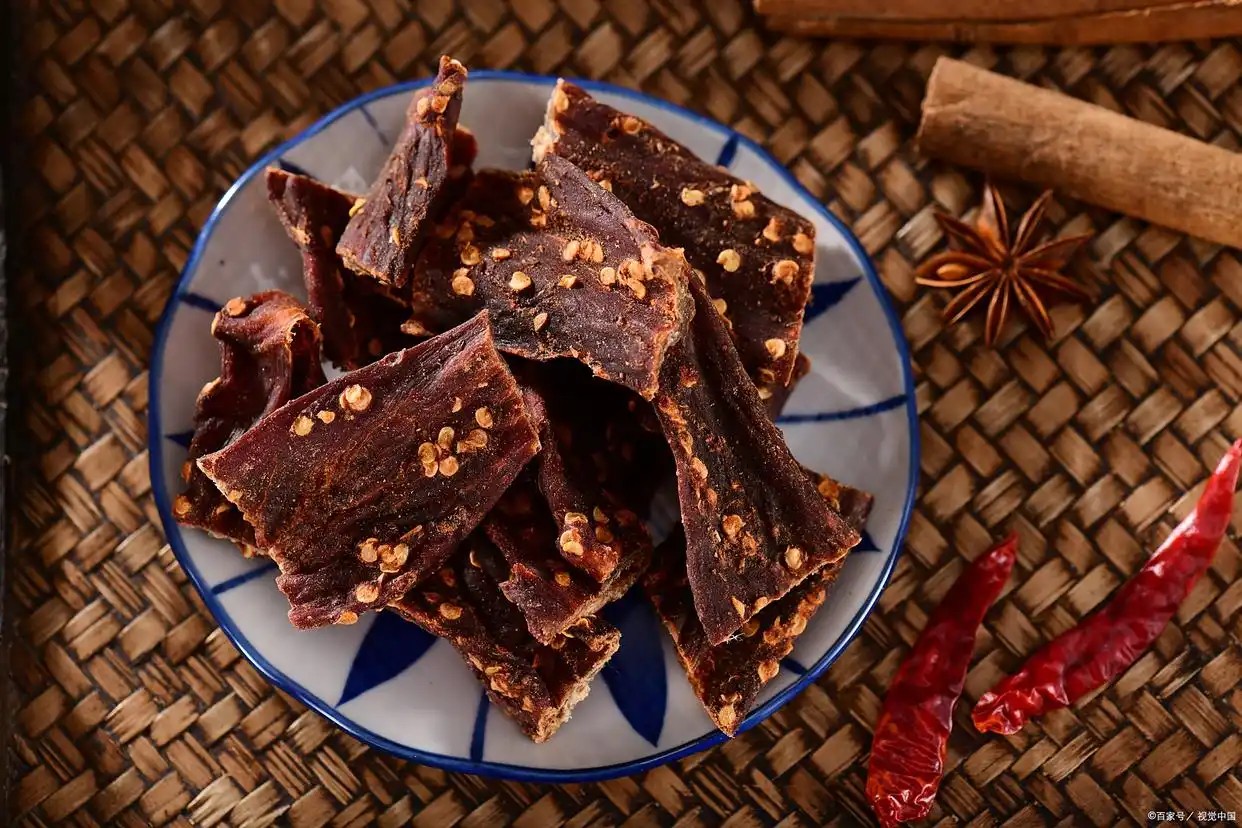
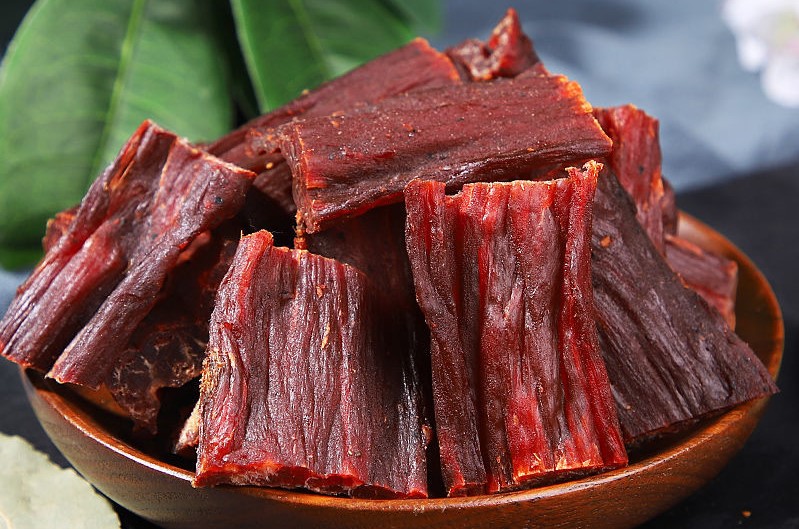
1. Dried Yak Meat Series
· Features: Made from plateau yaks, with firm and chewy texture, high protein, and low fat.
· Purchasing Tips: Look for the "Plateau Yak" logo and buy from Lixian specialty stores (30% cheaper than in the scenic area). Avoid bulk products (risk of adulteration).
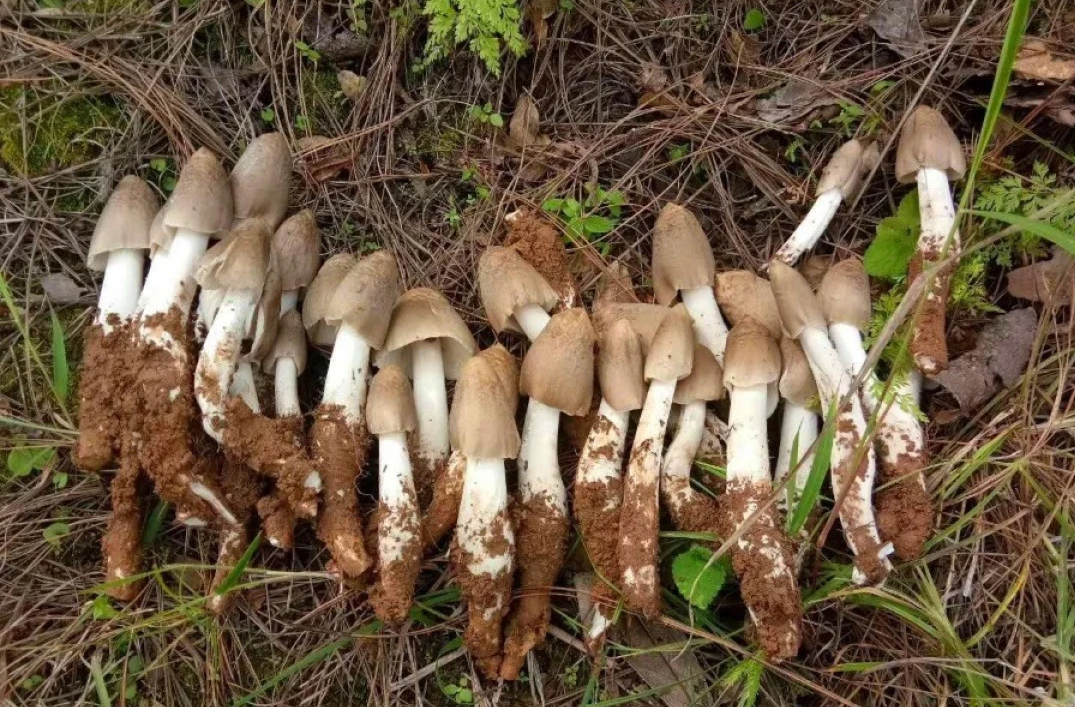
2. Wild Mushroom/Matsutake Series
· Features: Grown in pollution-free plateau environments, delicious and nutritious.
· Recommendations: Matsutake sauce, dried mushrooms (suitable for stewing), available in vacuum packaging for easy carrying.

3. Sea Buckthorn Products
· Features: Plateau specialty rich in vitamin C, beneficial for skin care and beauty.
· Recommendations: Sea buckthorn puree jelly, sea buckthorn juice, sea buckthorn cakes. Approximately 4.5 RMB/bag (200g) in county supermarkets.


b. Handicrafts / Souvenirs
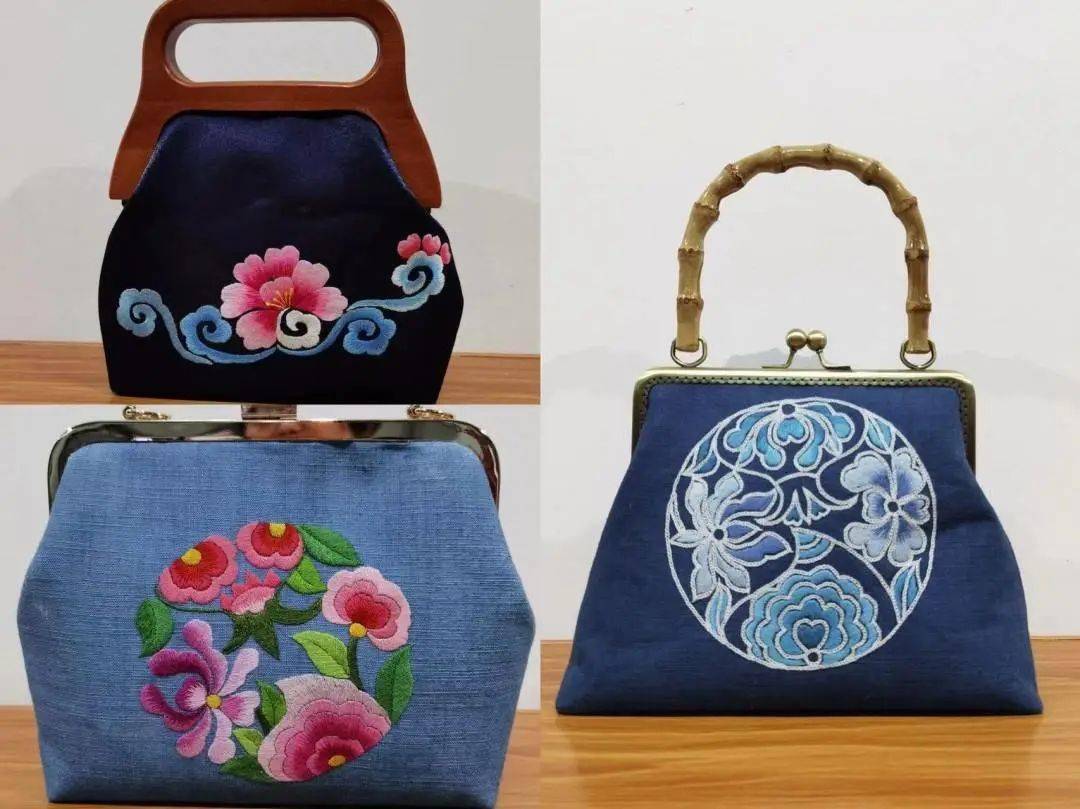
1. Qiang Embroidery
· Features: Intangible cultural heritage craft with bright colors and diverse stitches (e.g., frame stitching).
· Products: Aprons, belts, headscarves, phone cases, laptop bags, etc.
2. Tibetan Handicrafts
· Thangka Paintings: Hand-painted Buddhist artworks.
· Silver Jewelry: Tibetan-style earrings, necklaces, bracelets, etc.
· Wood Carvings: Buddha statues, animal figurines, etc.
3. Lixian Paper Cutting
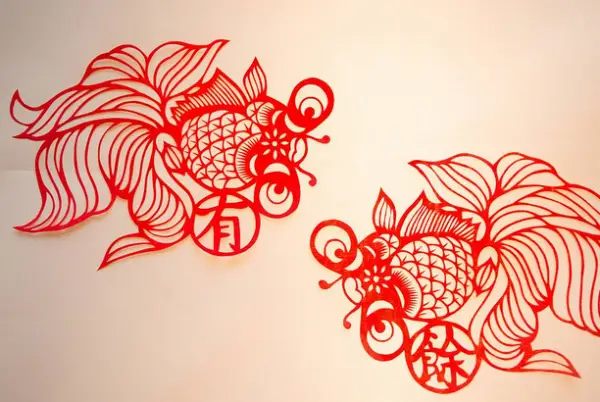
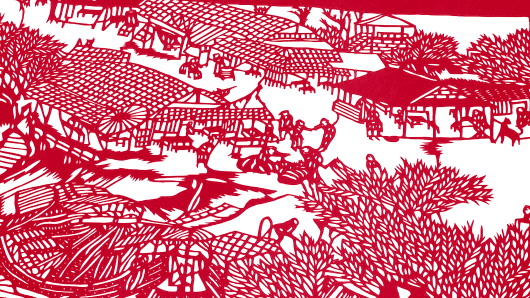
· Features: Qiang intangible cultural heritage, works by inheritor Han Longkang with unique styles.
B. Recommended shopping places
There are usually souvenir shops inside scenic areas. If you want to buy some local specialties, it's recommended to go to the various markets in the county town. Souvenirs inside scenic areas tend to be slightly more expensive.
FAQs
Q1: Is a day trip from Chengdu to Bipenggou feasible?
A1: Feasible but rushed; recommend arranging at least 2 days and 1 night (Day 1: Chengdu — Bipenggou — visit core attractions; Day 2: in-depth experience — return to Chengdu.
Q2: Bipenggou has a high altitude, can the elderly and children go?
A2: Healthy elderly and children over 6 years old can go; avoid strenuous exercise, prepare altitude sickness medicine in advance, and prioritize flat routes.
Q3: Is Bipenggou Ski Resort suitable for beginners in winter?
A3: Yes! The ski resort has special beginner slopes and coach guidance, complete ski equipment, and high cost-effectiveness.
Travel Tips
A. Practical Travel Tips
1. Pre-Trip Preparation
· Documents: ID card (required for entry to Aba Prefecture); border pass (optional) if planning to visit border areas (e.g., Siguniang Mountain).
· Clothing: Changeable plateau climate, bring windproof jacket, thermal underwear, hiking jacket, comfortable hiking shoes; add down jacket, snow boots, scarf and gloves in winter.
· Supplies: Altitude sickness medicine (rhodiola, oxygen cylinder; take rhodiola 3 days in advance), sunscreen (SPF50+), sunglasses, moisturizer, lip balm (plateau dryness).
2. On-Scenic Area Practical Information
· Tickets & Sightseeing Bus: Scenic area ticket ~120 RMB/person, sightseeing bus (mandatory) ~60 RMB/person (round-trip, stops at all attractions); ski package (ticket + sightseeing bus + 2-hour skiing) ~260 RMB/person.
· Travel Route: Recommend taking the sightseeing bus to the highest point first, then hiking down (saves energy, enjoys scenery along the way).
· Dining: Few restaurants in the scenic area with high prices; bring snacks and mineral water; suggest eating enough in homestays/county seat before entering.
3. Safety Tips
· Altitude Sickness Prevention: Avoid strenuous exercise, drink plenty of water, do not drink alcohol; rest and inhale oxygen immediately if symptoms such as headache or chest tightness occur.
· Road Safety: Many curves on mountain roads, drive carefully; hike along designated trails, do not deviate without permission.
· Weather Warning: Check the scenic area weather forecast; heavy rain or snow may close some sections, confirm in advance.
4. Culture & Local Etiquette
· Respect Religious Beliefs: Do not touch Buddha statues or prayer flags casually, and do not make noise when entering Qiang watchtowers or Tibetan Buddhist temples.
· Folk Taboos: Qiang people do not eat dog meat; Tibetans do not eat horse meat or donkey meat; ask for permission before taking photos with locals.
· Environmental Etiquette: Do not litter, pick wild flowers, or damage vegetation (Bipenggou is an ecological reserve).
5. Sustainable Travel Suggestions
· Reduce Disposable Products: Bring your own water cup and eco-bag, refuse disposable plastic tableware.
· Support Local Economy: Choose local homestays, buy local handicrafts, and taste local cuisine to support rural revitalization.
· Civilized Viewing: Do not feed wild animals, chase or frighten flora and fauna, keep a safe distance.
B. Other Tips
1. Travel Timing Tips
· Avoid peak national holidays: The National Day holiday (October 1-7) and Mid-Autumn Festival are the busiest times in Bipenggou. During these periods, the scenic area is overcrowded, accommodation prices can double or triple, and traffic jams are common on the roads from Chengdu. If possible, plan your trip a week or two before or after these holidays to avoid the crowds.
· Check the weather forecast: Bipenggou’s weather can be unpredictable, especially in spring and summer. Thunderstorms and sudden rain showers are common, so be sure to bring a waterproof jacket and check the weather forecast before setting off. In winter, heavy snowfall may cause road closures, so it’s best to confirm road conditions with the scenic area or local transportation authorities in advance.
· Choose the right time for autumn travel: While autumn is the peak season, the best time to visit for the most vibrant foliage is mid-October to early November. Before mid-September, the leaves are still green, and after early November, the leaves may have fallen. Also, avoid rainy days in autumn, as the colors will be less vivid and the trails can be slippery.
2. Notes for self-driving
· Vehicle preparation: Ensure your vehicle is in good condition, with properly inflated tires and functioning brakes. In winter, snow tires or anti-skid chains are a must, as the mountain roads can be icy.
· Speed limits: The speed limit on expressways is 120 km/h, but on National Highway 317 (mountain roads), the speed limit is usually 40-60 km/h. Obey traffic signs and avoid overtaking on blind curves.
· Rest stops: There are several rest stops along the way, including the Wenchuan Service Area and Lixian Service Area, where you can refuel, use the restroom, and buy snacks or drinks.
· Parking: The Bipenggou Scenic Area has several parking lots at the entrance, with fees ranging from 10-20 RMB per day.
3. Notes for public transportation
· Book tickets in advance: During peak seasons (autumn and winter), long-distance buses and shuttle buses can sell out quickly, so it’s best to book tickets online (via platforms like Ctrip or the official scenic area website) or at the bus station a day in advance.
· Check departure times: The schedule of local minibuses from Lixian to Bipenggou may be irregular, so it’s best to inquire at the bus station upon arrival.
· Luggage: Public transportation has limited space for luggage, so try to travel light or use a backpack instead of a large suitcase.
4. Hiking Tips
· Wear comfortable, waterproof hiking shoes with good grip to handle slippery trails.
· Bring layers of clothing, as the temperature can change quickly in the mountains.
· Carry plenty of water (at least 2 liters per person) and high-energy snacks (such as chocolate, nuts, and energy bars).
· Apply sunscreen and wear a hat and sunglasses to protect against the strong UV rays at high altitudes.
· Follow the marked trails and do not deviate from the route, as the area is remote and getting lost is a risk.
5. Skiing Tips
· Book ski equipment and accommodation in advance, especially during peak winter season (Christmas and New Year).
· Take a ski lesson if you’re a beginner. The resort offers ski lessons with professional instructors, costing around 200 RMB per hour.
· Wear warm, waterproof clothing and gloves to stay comfortable in the cold weather.
· Follow the safety rules of the ski resort and avoid skiing in restricted areas.
6. Photography Tips
· Bring a tripod: Essential for sunrise, sunset, and starry sky photography.
· Use a polarizing filter: Helps reduce glare from water and leaves, and enhances colors.
· Dress warmly: Even in summer, the high-altitude areas can be cold, so bring layers of clothing.
· Be patient: The best light only lasts for a short time, so arrive early and wait for the perfect moment.
· Respect nature: Do not trample on plants or disturb wildlife to get a photo.
Bipenggou, with its stunning landscapes, rich biodiversity, and unique cultural heritage, offers an unforgettable experience for travelers seeking both natural beauty and adventure. Whether you're exploring its lush forests, hiking through its alpine meadows, or discovering rare plant and animal species, this hidden gem in Sichuan invites you to connect with nature in its purest form. A visit to Bipenggou is not just a journey through a picturesque valley, but also an opportunity to immerse yourself in the heart of one of China’s most pristine and unspoiled environments. So, pack your bags, embrace the serenity, and let Bipenggou enchant you with its breathtaking beauty.
Your Way Holiday’s Handpicked Guide to Exploring Bipenggou Valley and Extraordinary Chengdu Adventures
We design private and tailor-made Chengdu tours customized to your travel style at affordable local prices. You’ll enjoy the comfort of a private, spacious car and the company of a professional local guide with over 5 years of experience, dedicated exclusively to you or your group. From transportation and tickets to authentic dining experiences (we always recommend the dishes most loved by locals), everything will be arranged according to your preferences. Please take a look at some of our most popular Chengdu tours below:
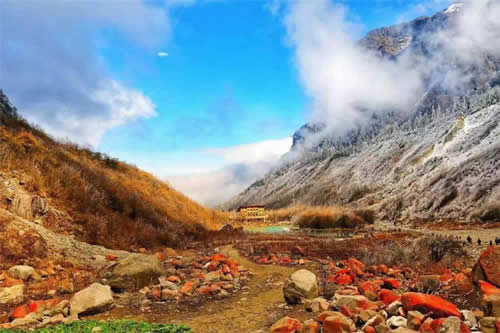 5 Days Sichuan Trips with Hailuogou Glacier Exploration
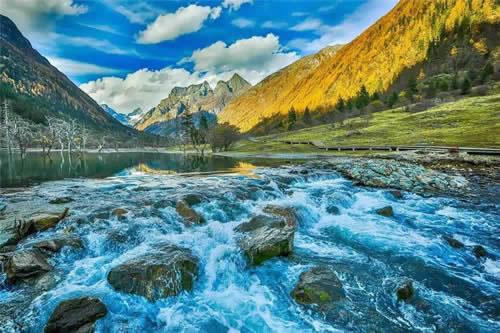 3 Days Hailuogou Glacier Park Exploration Tour from Chengdu
Not exactly what you’re looking for? Don’t worry — all of our Chengdu tours can be fully customized based on your interests, schedule, and budget. We specialize in creating unique Chengdu experiences that go beyond the guidebook, giving you the chance to truly connect with the local culture and people. Our enthusiastic tour experts are always ready to provide detailed suggestions and will respond to your inquiry within 24 hours. Ready to explore Chengdu your way? Contact us today and let us design a Chengdu shopping experience that fits your style. Your Way Holiday looks forward to your message! We're ready to design an unforgettable Chengdu trip for you anytime.




















How much cost private transfer from 12hb to 15hb.
From Chengdu, to bipenggou, Dujiangyan and xiling snow mountain.
4 days private transfer.
2 adults, 3 child.
Replied:09 October 2025
Hi, thank you so much for your interest in our Chengdu private tour! We’d be delighted to help arrange a memorable day in Chengdu for you and your companion.
To provide an accurate quote and confirm availability, could you please kindly let us know whether you’d like hotel pickup and drop-off included? If you have any special preferences (e.g., vegetarian meals, flexible timing, etc.), feel free to share — we’ll tailor the experience just for you.
We’d be happy to continue the conversation via email. Please feel free to reach us directly at [email protected], and we’ll get back to you promptly with all the details and pricing.
Looking forward to hearing from you!
Your Way Holiday - Your trusted partner for private tours in China!
Hi, I want to enquiry about Bipenggou 1 day trip from Chengdu to Bipenggou on 1 or 2 December for family of 4 persons. How much does it cost, what’s included, & what’s the itinerary? Thank you in advance
Replied:17 April 2026
Thank you for your inquiry about the Bipenggou 1-day trip from Chengdu for your family of four.
A one-day trip from Chengdu to Bipenggou is possible, though it is a long day with approximately 3.5–4 hours of driving each way. We recommend departing early in the morning to maximize your time in the valley. Our private tour includes round-trip transportation in a comfortable vehicle with a dedicated driver, and we can also arrange assistance with park tickets and entry. Please note that entrance fees and the scenic area shuttle bus fare are typically not included, and these can be purchased on-site. The exact itinerary would involve an early departure from Chengdu, a scenic drive to Bipenggou, time to explore the colorful lakes and waterfalls, and then a return drive to Chengdu in the evening.
For detailed pricing, a full itinerary breakdown, and information on what is and isn’t included for your family, please contact us directly at [email protected]. We will tailor a quote based on your travel dates and specific needs.
Your Way Holiday - Your trusted partner for private tours in China!
I am Vera. I would like to request for the price list if we were to visit Bipenggou and Siguniang Mountain only.
Here's some information for your reference:
Estimate date of visit: 21 April 2025
Trip Length: estimated 2 days
Number of pax: 2
Accommodation: Hotel Standard
Num of Rooms: 1
Appreciate the response on this.
Thank you! Regards
Replied:17 April 2026
Dear Vera,
Thank you for your inquiry about the 2-day tour to Bipenggou and Siguniang Mountain for two people.
This itinerary works well for your requested travel date in April, as both destinations are easily accessible from Chengdu. Our standard 2-day package includes private round-trip transportation in a comfortable vehicle with a dedicated driver, one night’s accommodation in a standard hotel room, and on-trip support. Please note that entrance fees and scenic area shuttle bus fares are not included, and these can be purchased on-site during your visit.
For a detailed price list and itinerary tailored to your travel dates and preferences, please contact us directly at [email protected]. We will send you a customized quote right away.
Your Way Holiday - Your trusted partner for private tours in China!
How can we go to bipenggou from Chengdu city? can we request for a private driver to bring us there?
Replied:17 April 2026
Thank you for your inquiry about traveling to Bipenggou Valley from Chengdu.
Private transfer is a very popular and convenient option for this trip, and we can arrange a dedicated driver and vehicle for you. The journey from Chengdu to Bipenggou takes about 3–4 hours by road, and having a private driver means you can travel comfortably without the hassle of public transport schedules. Our drivers are familiar with the route and the local area, ensuring a smooth and safe trip.
We also offer additional services to enhance your visit, such as help with park tickets, English-speaking guides, and recommendations for local stops or overnight accommodation if you plan to extend your trip. For more details, including vehicle options, pricing, and a customized itinerary, please contact us via email at [email protected].
Your Way Holiday - Your trusted partner for private tours in China!