24 Hours Hotline: +8613735411378
Email:[email protected]
24 Hours Hotline: +8613735411378
Email:[email protected]
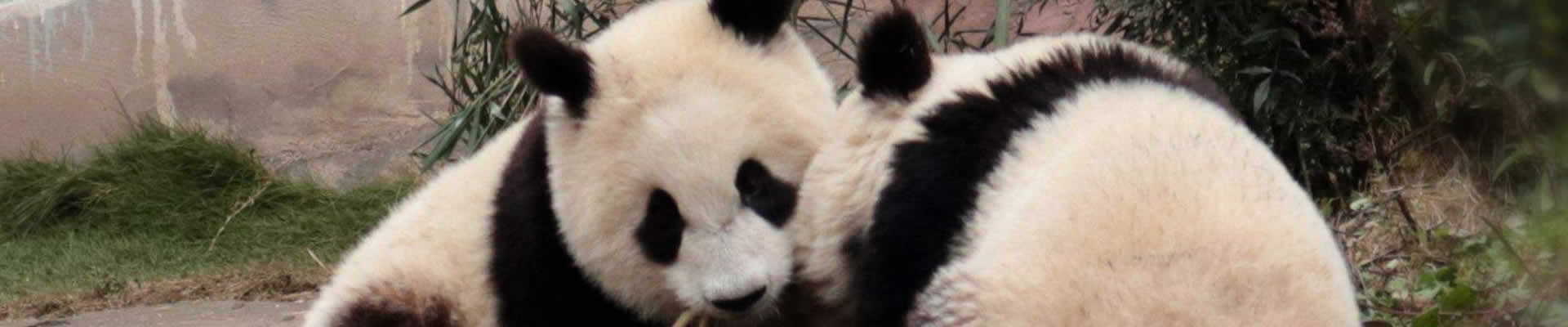
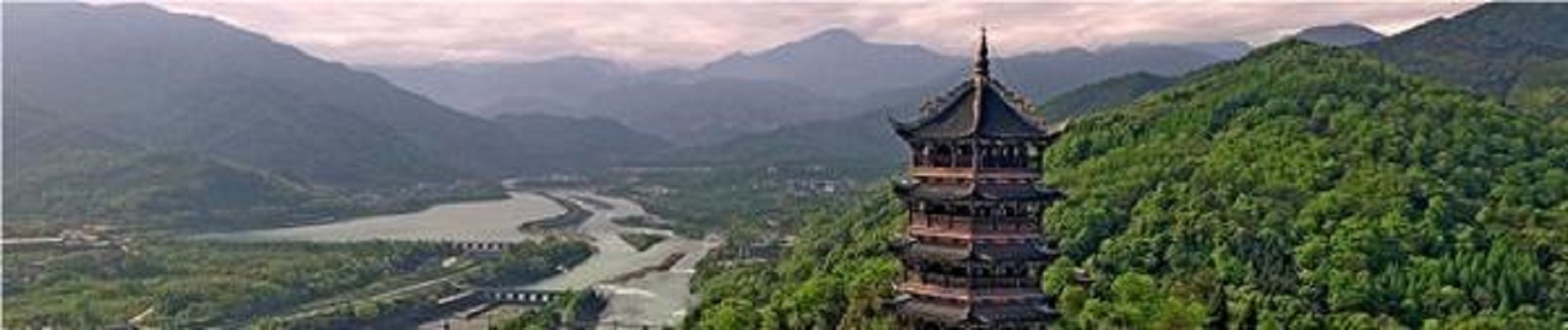
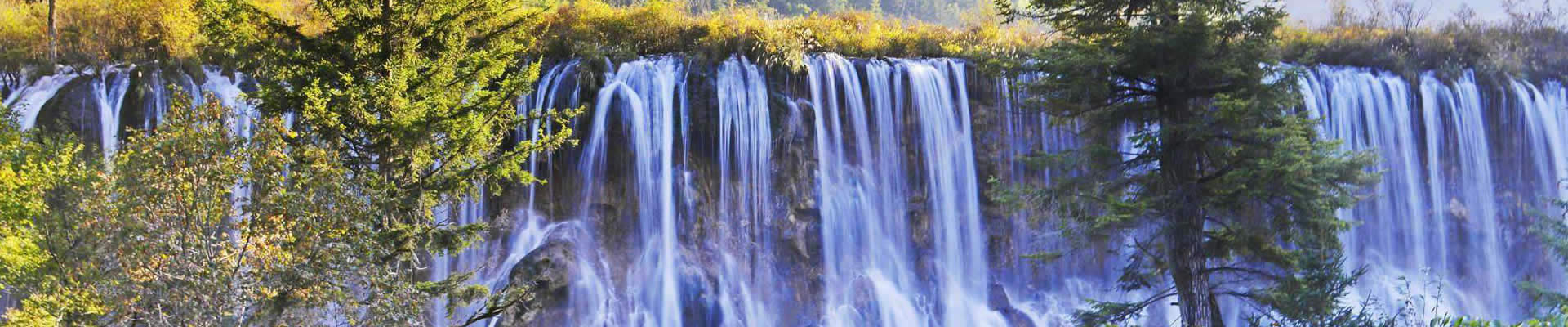
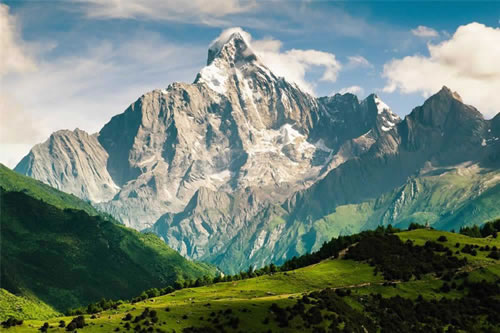
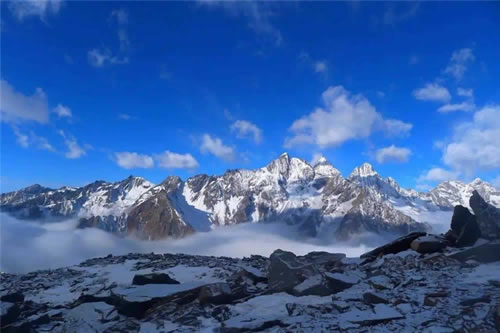
Gongga Mountain, also known as Mount Gongga or the "King of Sichuan," is the highest peak in the province, towering at 7,556 meters (24,790 feet). It is located in the eastern part of the Tibetan Plateau and is renowned for its stunning landscapes, challenging climbs, and unique biodiversity. This guide provides you with all the information you need to explore and experience this majestic mountain.
Explore Chengdu Like a Local: Authentic Tours, Real Experiences!
Looking to see Chengdu through a local’s eyes? Our tours offer just that.
Step beyond the typical tourist path and immerse yourself in Chengdu’s everyday life. Visit community-run markets, try street food favorites with local guides, and learn about ancient traditions from those who know them best. These tours aren’t just about sightseeing—they’re about connecting with the heart of Chengdu and understanding the culture from a local’s perspective.
 5 Days Sichuan Trips with Hailuogou Glacier Exploration
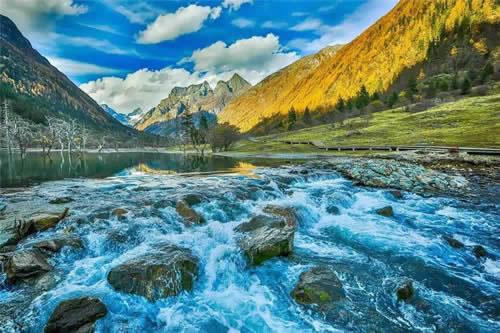 3 Days Hailuogou Glacier Park Exploration Tour from Chengdu
Quick Overview
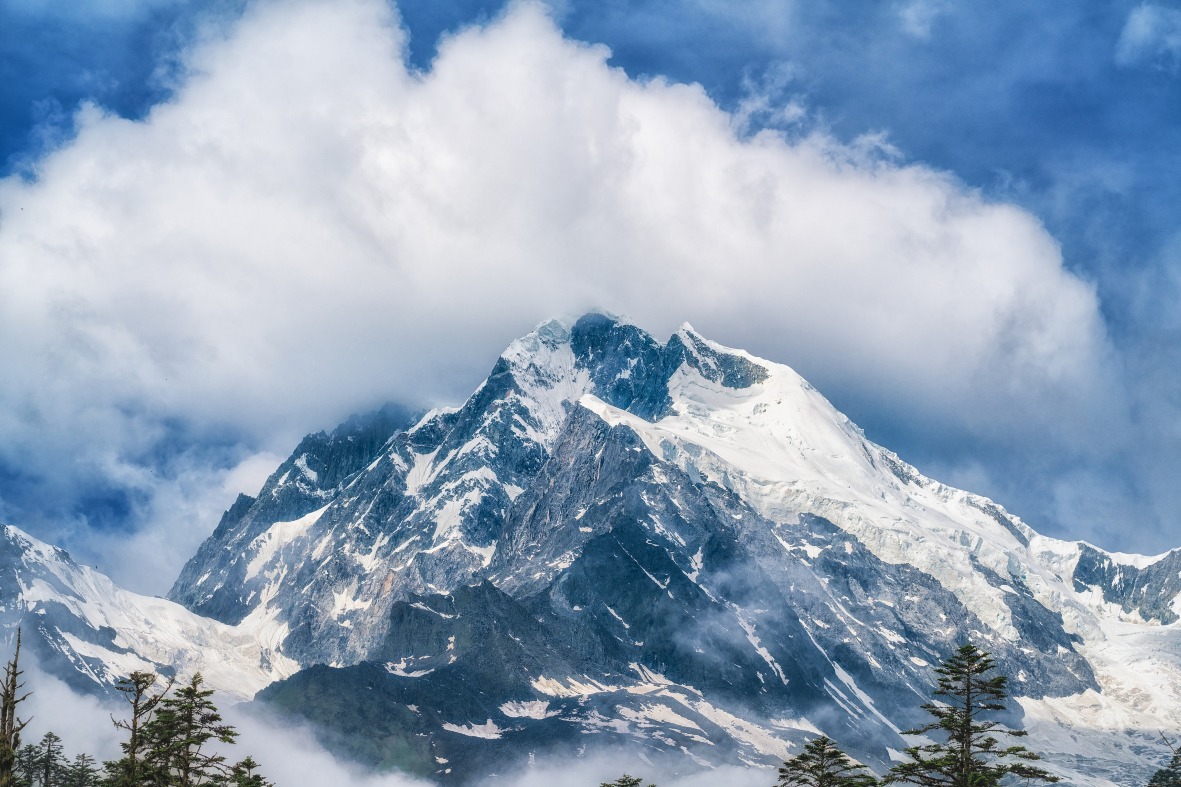
Gongga Mountain is located at the border of Garze Tibetan Autonomous Prefecture and Ya’an City in western Sichuan, about 300 kilometers from Chengdu (the provincial capital). Its core scenic area spans over 10,000 square kilometers, encompassing 74 subsidiary peaks (all over 6,000 meters) and 159 glaciers (covering a total area of 390 square kilometers). The mountain’s unique location—at the intersection of the Qinghai-Tibet Plateau and the Sichuan Basin—creates a dramatic climate contrast: from lush forests at the foot to snow-capped peaks at the top, you can experience four seasons in a single day. Locally, it’s revered by Tibetans as a "sacred mountain," adding a layer of cultural depth to its natural grandeur.
Why Visit Gongga Mountain?
Gongga Mountain attracts adventurers, nature enthusiasts, and culture seekers alike. With its imposing height and rugged terrain, it offers a thrilling experience for mountaineers, while also being a great destination for trekkers looking to immerse themselves in nature. The scenery changes dramatically depending on where you are, from alpine meadows rich with wildflowers to glacial rivers, and towering snow-covered peaks that seem to touch the sky.
Besides its natural beauty, the surrounding area is home to rich Tibetan and Yi Ethnic Group culture. The region’s monasteries, villages, and festivals are an excellent way to immerse yourself in the local traditions and spiritual practices.
Geography & Landscapes
1. Glacial Wonders
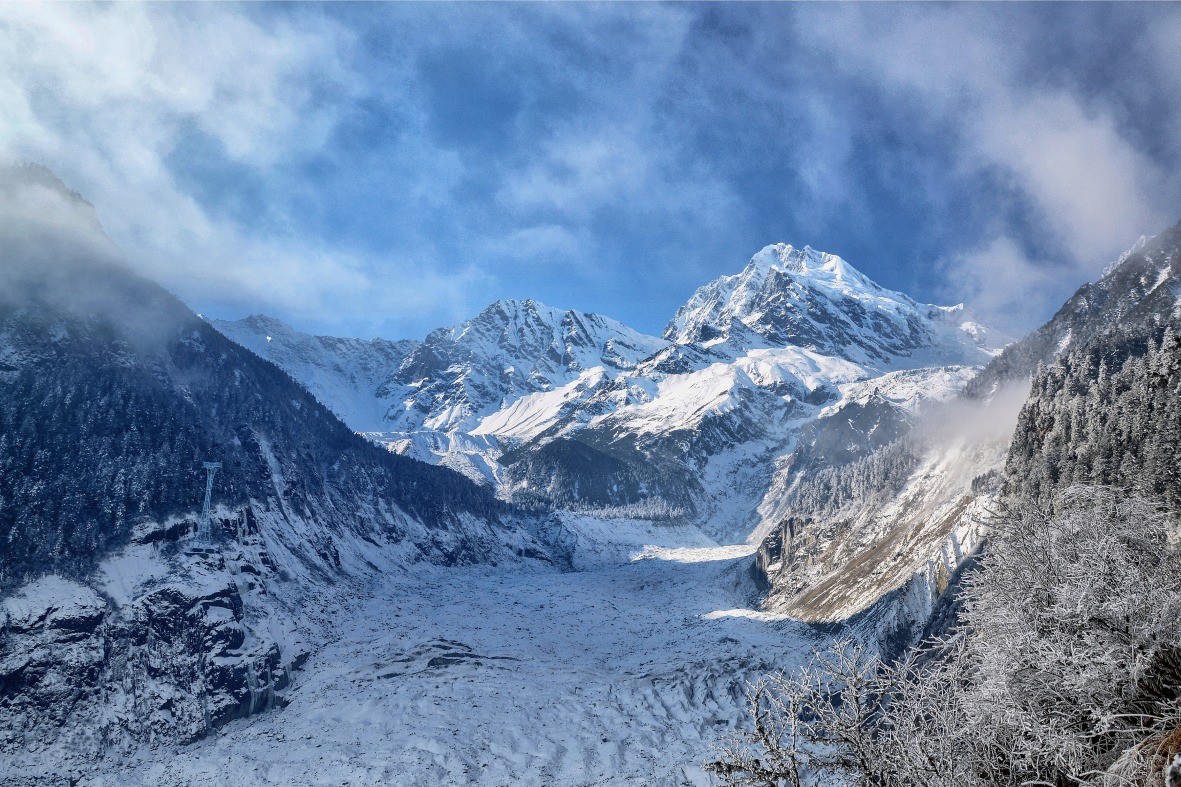
Gongga’s glaciers are the stars of its natural landscape, and none is more famous than Hailuogou Glacier—Asia’s lowest-altitude marine glacier (starting at just 2,850 meters). Stretching 30.7 kilometers long, this glacier flows down from Gongga’s main peak like a frozen river, with its most iconic feature being the Hailuogou Icefall: a 1,080-meter-high, 1,100-meter-wide wall of ice that shimmers blue in the sun. In summer, you can hear the ice crackle and see small icebergs calve into the valley below.
2. Mountains & Lakes
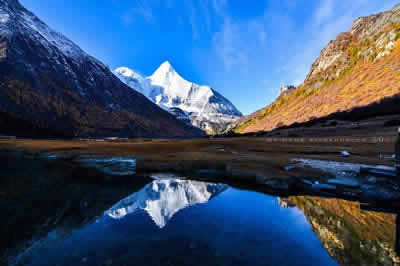
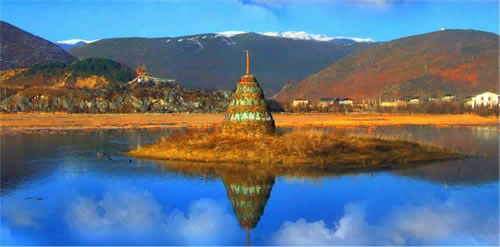
Beyond the main peak, Gongga’s surrounding mountain range is a paradise for landscape lovers. Xiannairi Peak (6,032 meters) is known for its sharp, pyramid-like shape, while Yangmaiyong Peak (5,958 meters) has a gentler, rounded silhouette—both are part of the "Three Holy Mountains" in western Sichuan and are sacred to Tibetans. For lake lovers, Mugua Co (also called "Wooden Grid Lake") is a must-visit: located 3,700 meters above sea level, this alpine lake changes color with the light—turquoise at noon, deep blue at dusk, and even pink at sunrise (due to algae and sunlight). The lake is surrounded by pine forests and grasslands, making it a perfect spot for a picnic or short hike. Five-Color Lake (Wusehai), hidden in the mountains near Zimeiyakou, is smaller but equally stunning: its waters reflect the surrounding snow-capped peaks, creating a mirror-like effect that blends sky, mountain, and lake into one.
3. Biodiversity
As a typical representative of the Hengduan Mountains region—one of the 25 global biodiversity hotspots—and an important ecological barrier in the upper reaches of the Yangtze River, the Gongga Mountain area holds an extremely significant ecological status. Its complex and diverse natural and geographical conditions have nurtured a rich variety of flora and fauna, earning it the reputation of "a treasure trove of plants and animals."
The reserve is home to 3,795 species of plants, including 6 National Class ? Protected Plants such as Taxus chinensis (Chinese Yew), Kingdonia uniflora (Single-leaf Kingdonia), Isoetes hypsophila (Alpine Quillwort), and Sorolepidium glaciale (Yulong Shield Fern); 11 National Class ? Protected Plants such as Tetracentron sinense (Tetracentron), Cercidiphyllum japonicum (Katsura Tree), Cupressus chengiana (Minjiang Cypress), Neocheiropteris palmatopedata (Fan Fern), and Fagopyrum dibotrys (Golden Buckwheat); as well as the endemic plant Polygonatum curvistylum (Curved-stem Solomon's Seal).
In terms of fauna, there are 587 species of animals, including 16 National Key Protected Wild Animals of Class ? such as Ailuropoda melanoleuca (Giant Panda), Rhinopithecus roxellana (Sichuan Golden Monkey), Przewalskium albirostris (White-lipped Deer), Grus nigricollis (Black-necked Crane), Panthera uncia (Snow Leopard), Panthera pardus (Leopard), Budorcas taxicolor (Takin), and Lophophorus lhuysii (Green-tailed Monal). Additionally, there are 62 National Key Protected Wild Animals of Class ? and 101 China-endemic wild animal species.
Cultural Background
A. Yi Cultural Background
The Yi people mainly live in the areas around Gongga Mountain that border Liangshan Yi Autonomous Prefecture (such as parts of Ya’an and Garze). Their culture retains strong ethnic characteristics, with a focus on family, traditions, and nature worship.
1. Social Structure: Centered on Jiazhi (Clan)
The Yi society is traditionally organized around "jiazhi" (clans). Each clan has a common ancestor, and clan members support each other in daily life (such as farming, weddings, and funerals). The clan head, usually an elderly and respected person, is responsible for mediating conflicts and preserving clan traditions. Even today, many Yi people still identify strongly with their clans—surnames and clan histories are important parts of their identity.
2. Religious Beliefs: Nature and Ancestor Worship
· Nature Worship: Yi people worship natural elements like mountains, rivers, and fire. They believe every mountain has a "mountain god" that protects the village, so they hold annual rituals to offer sacrifices (such as wine, meat, and grains) to the gods. Fire is especially sacred—every Yi home has a fire pit that is kept burning all year round (except during funerals). They believe fire can drive away evil spirits and bring good luck to the family.
· Ancestor Worship: Ancestors are highly respected by the Yi. Every family has a small shrine at home to honor their ancestors, and they offer food and wine to the shrine during festivals or important events (like weddings). During the Yi New Year, families hold a ceremony to "invite" ancestors back home to celebrate with them—a tradition that strengthens the connection between the living and the deceased.
3. Lifestyle: Closely Tied to Agriculture
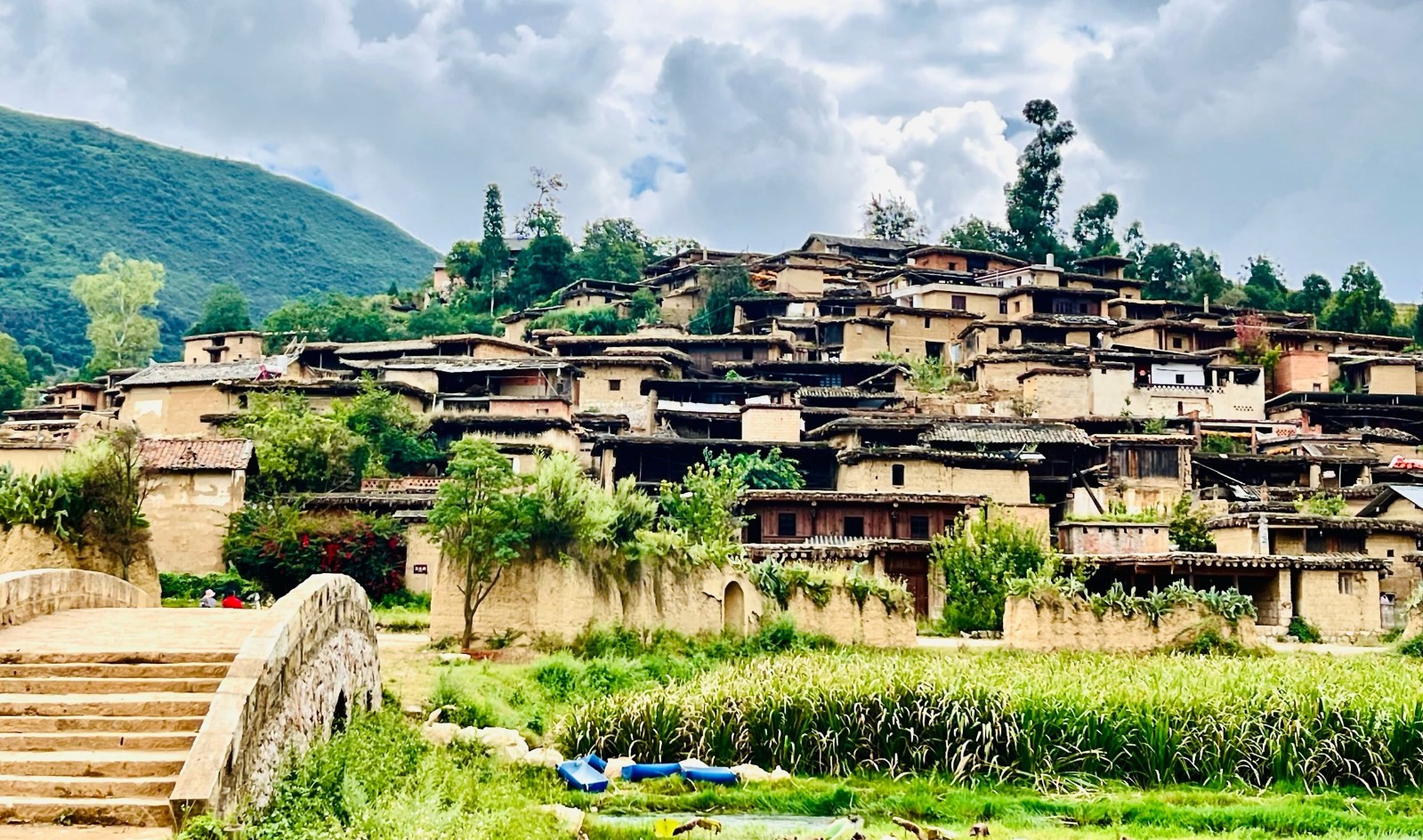
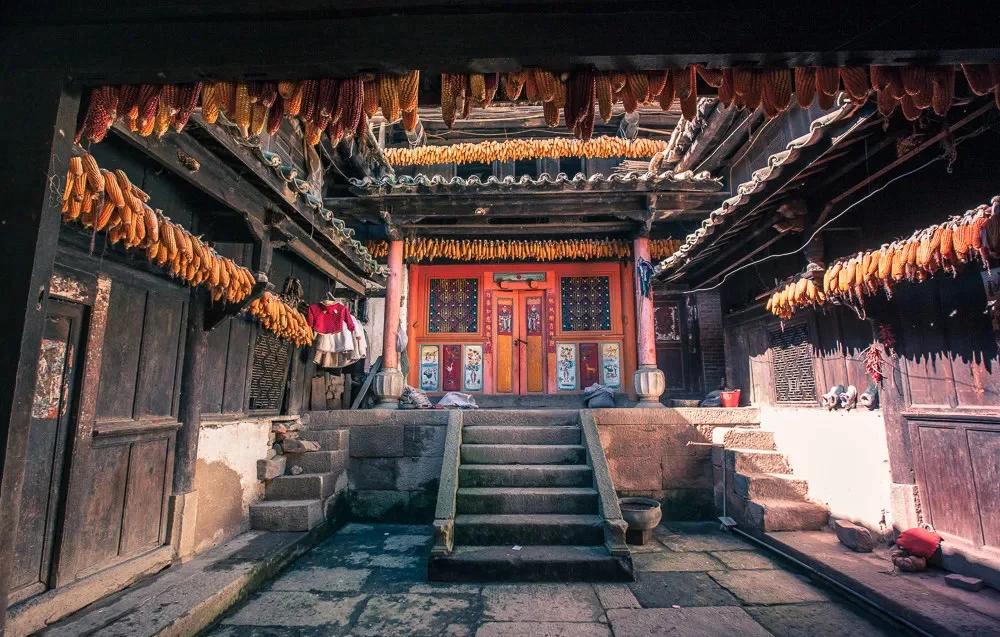
· Dwelling: Traditional Yi houses are "tuzhangfang" (earth-and-wood houses) with flat roofs. The roof is used for drying crops (like buckwheat and corn), and the first floor is for raising livestock, while the second floor is for living. The houses are usually built on hillsides to avoid flooding and make the most of the limited flat land in the mountains.
· Economy: Agriculture is the main economic activity for the Yi. They grow crops that are suitable for the plateau, such as buckwheat, corn, and potatoes. They also raise pigs and chickens—"sour pork" (a fermented pork dish) is a traditional food made by salting and fermenting pork in a pottery jar, which can be stored for years. In recent years, some Yi communities have started developing eco-tourism, inviting visitors to experience their traditional farming life.
4. Traditional Culture: Vibrant and Unique
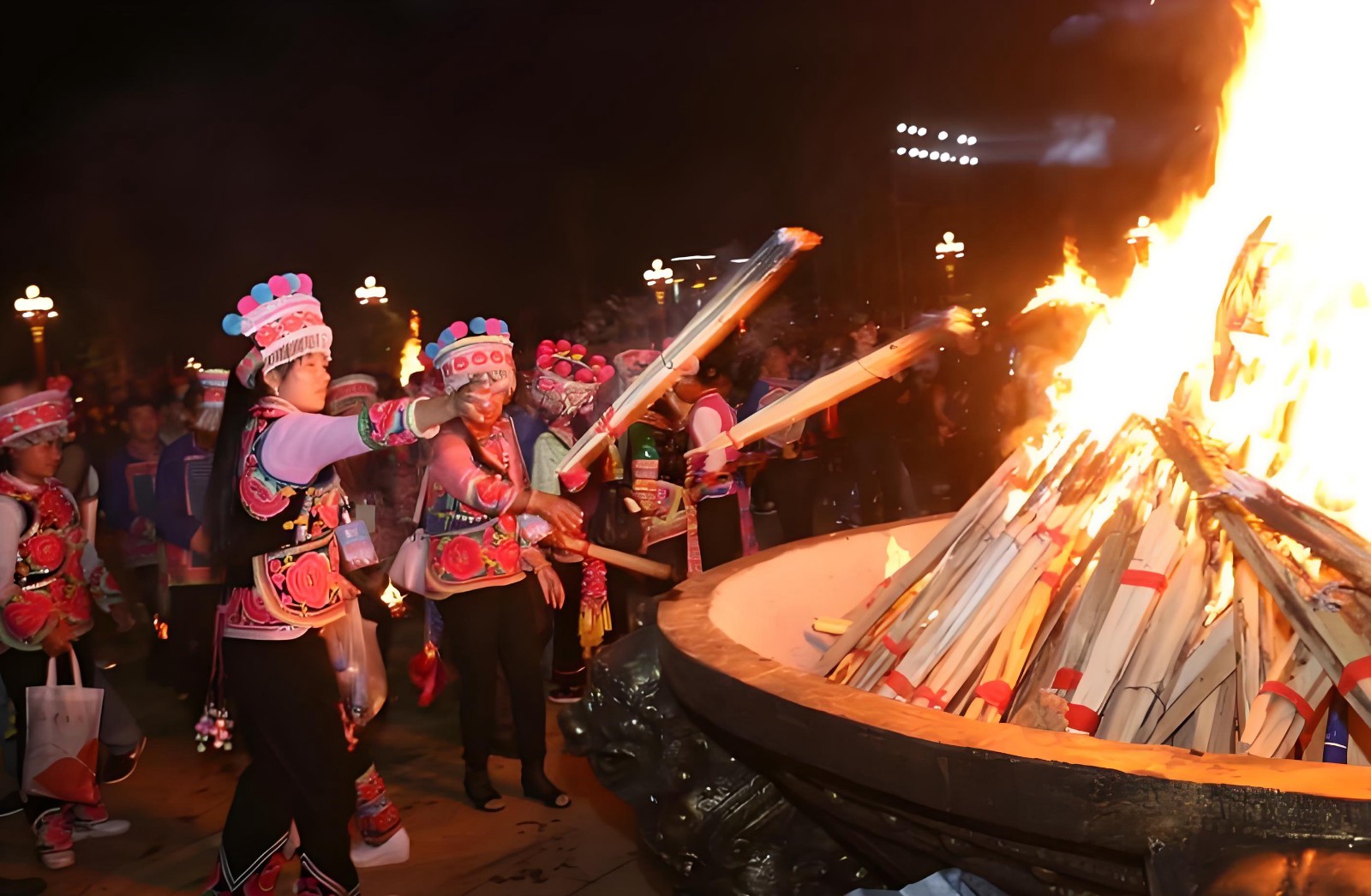
· Festivals: The Torch Festival is the most famous Yi festival, held on the 24th day of the sixth lunar month. On this day, Yi people light torches and walk around their villages to drive away pests and evil spirits. They also hold activities like bullfighting, wrestling, and singing competitions. The Yi New Year (held in the 12th lunar month) is another important festival—families gather to eat "sour pork," drink rice wine, and tell stories about their ancestors.
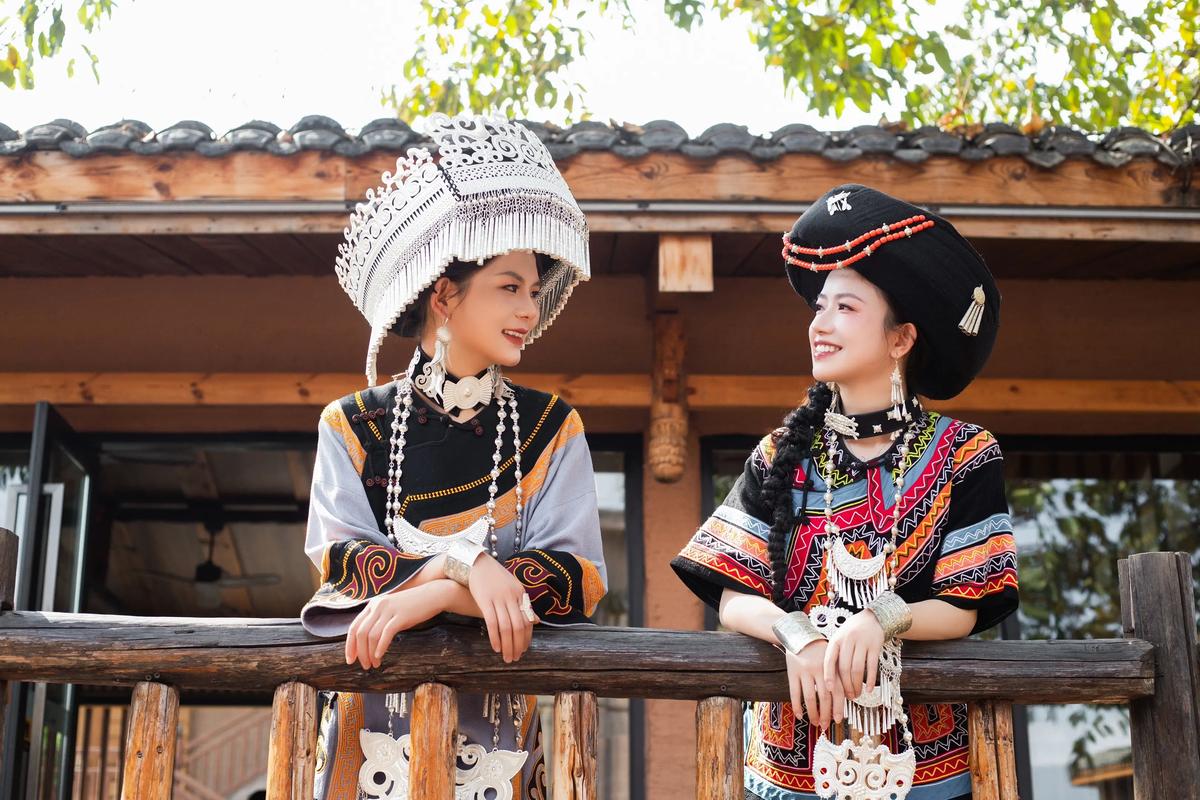
· Costume and Art: Yi costumes are colorful and distinctive. Women wear long skirts, embroidered blouses, and silver ornaments (like headpieces, necklaces, and bracelets)—the silver is believed to ward off evil. Men usually wear black turbans, loose jackets, and wide trousers. Yi folk art includes "Axi Dance" (a lively group dance) and "lush eng playing" (a traditional wind instrument). Oral literature is also important—stories and poems about heroes, love, and nature are passed down from generation to generation through singing.
B. Tibetan Cultural Background
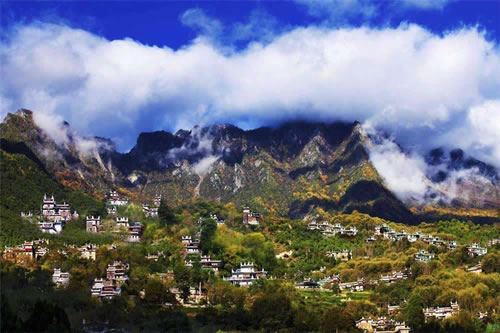
Tibetans are the main ethnic group in the core area of Gongga Mountain (such as Kangding, Xinduqiao, and Tagong Town). Their culture is deeply rooted in the plateau’s natural environment and Tibetan Buddhism, showing a strong connection with nature and spirituality.
1. Religious Beliefs: Centered on Tibetan Buddhism and Sacred Mountain Worship
· Tibetan Buddhism Influence: Most Tibetans here follow the Gelug Sect (Yellow Hat Sect) of Tibetan Buddhism. Monasteries like Xinduqiao Temple and Tagong Monastery are not only religious sites but also cultural centers. Locals visit monasteries regularly to pray, turn prayer wheels, and listen to monks’ teachings—activities that are part of their daily spiritual life.
· Sacred Mountain Reverence: Gongga Mountain is regarded as a "sacred mountain" by Tibetans. They believe the mountain is inhabited by protective deities, so they avoid damaging its natural environment (such as cutting trees or littering) out of respect. Every year, some devout Tibetans even make a pilgrimage around Gongga Mountain on foot, a journey that can take several weeks.
2. Lifestyle: Adapted to the Plateau
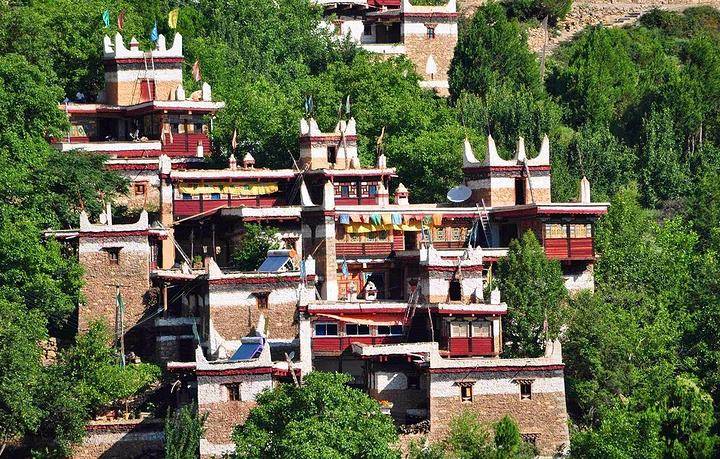
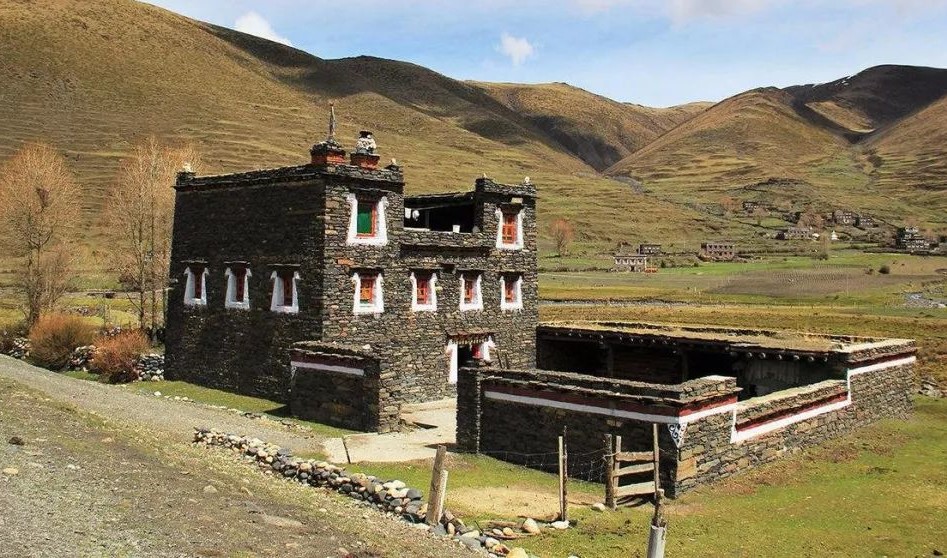
· Dwelling: Traditional Tibetan houses are mostly "diaolou" (stone watchtowers) or flat-roofed stone houses. The walls are thick to resist the cold plateau winds, and the interior is divided into living areas and spaces for storing food (like highland barley) and raising livestock (such as yaks). The central part of the house often has a fire pit, which is used for heating and cooking, and is considered a symbol of family warmth.
· Economy: Historically, Tibetans here relied on animal husbandry (raising yaks, sheep) and semi-agriculture (growing highland barley). Yaks are essential to their lives—yak meat provides protein, yak milk is made into butter and cheese, and yak wool is woven into tents and clothing. In recent years, with the development of tourism, many Tibetans have opened guesthouses or sold handcrafts (like Tibetan jewelry, Thangka paintings) to visitors.
3. Traditional Culture: Rich and Vivid
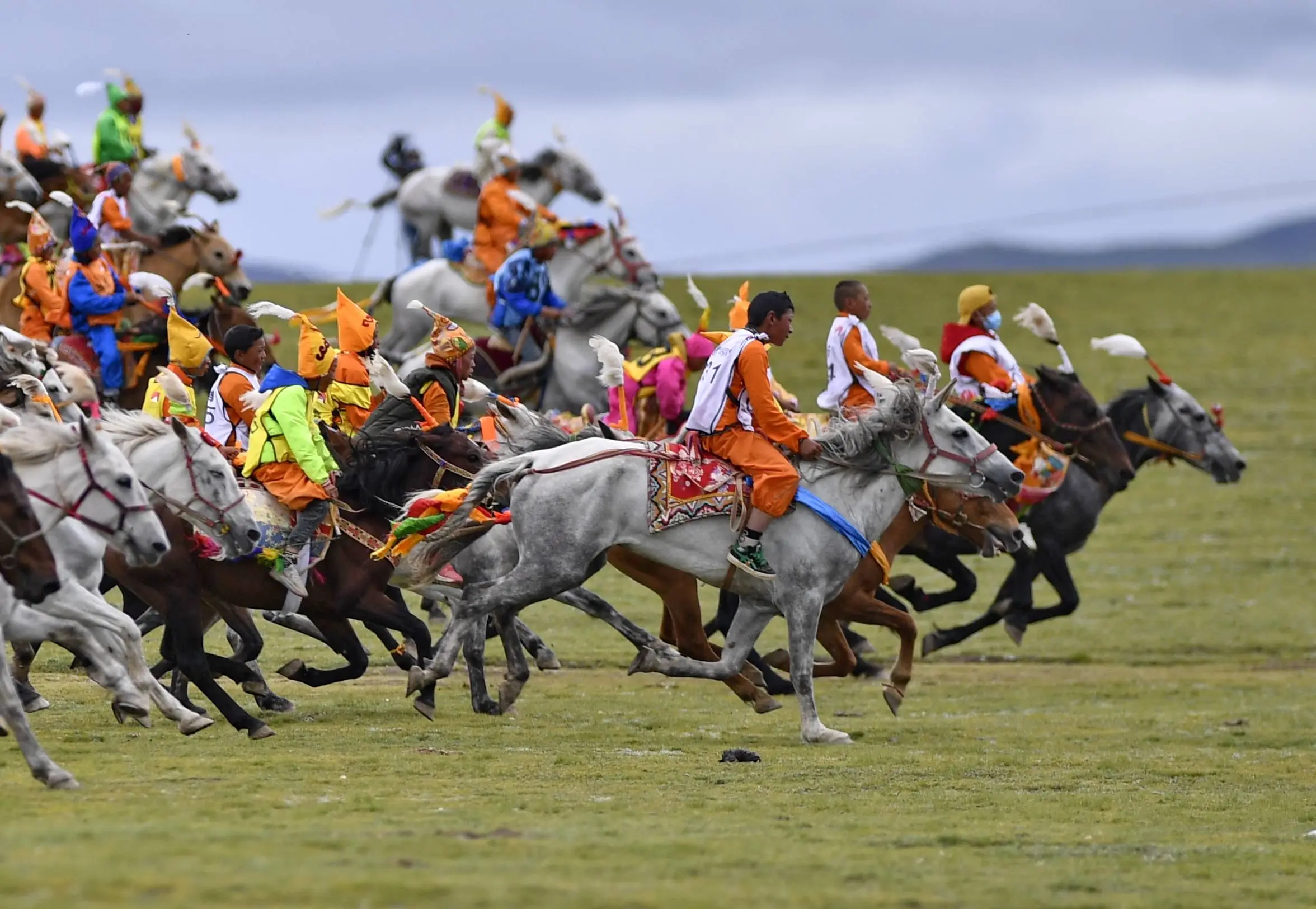
· Festivals: The most important festivals are Tibetan New Year (Losar) and Kangding Horse Racing Festival. During Losar, families clean their houses, make "kapse" (fried dough) and "gya thuk" (noodle soup), and exchange gifts. The Horse Racing Festival, held in August, features horse races, Tibetan folk songs, and Guozhuang dances—locals dress in colorful traditional clothes and gather to celebrate.
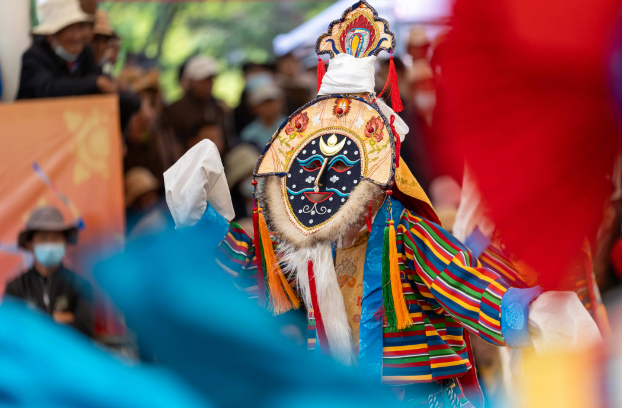
· Art and Craft: Thangka painting is a famous Tibetan art form. Artists use natural pigments (made from minerals and plants) to paint Buddhist deities or stories on cotton cloth, and a single Thangka can take months or even years to complete. Tibetan opera, with its distinctive masks and singing style, is another important art form—performances often tell stories from Buddhist scriptures or local legends.
Chengdu Unplugged: Slow Down and Discover the City at Your Own Pace!
Take it easy and explore Chengdu at a more relaxed pace.
With our custom tours, you can slow down and enjoy the quieter side of the city. Stroll through peaceful parks, visit hidden temples, or simply enjoy a cup of tea in a cozy teahouse. These tours are perfect for those who want to escape the hustle and bustle and take time to connect with the beauty and tranquility of Chengdu.
 Western Sichuan Travel: 6 Days "Soul of Shangri-La" Daocheng Yading Tour
 5 Days Tibet Culture Tour with Mount Siguniang
About the Hailuogou Scenic Area of Gongga Mountain
Gongga Mountain Scenic Area (Hailuogou Scenic Area), centered on Mount Gongga, is currently China's largest scenic area in terms of both area and environmental capacity, covering a total area of over 10,000 square kilometers. Located at the southeastern edge of the Qinghai-Tibet Plateau and the eastern slope of Mount Gongga, Hailuogou Scenic Area lies at the junction of three counties: Luding and Kangding in Garzê Tibetan Autonomous Prefecture, and Shimian in Ya'an City, Sichuan Province. Covering a total area of 906.13 square kilometers, it comprises six sub-scenic areas: Hailuogou, Yanzigou, Mozigou, Nanmenguan Gou, Yajia Qinghai (Romance Sea of Yajia), and Moxi Platform.
A. Hailuogou
1. Caohaizi (Grass Lake)
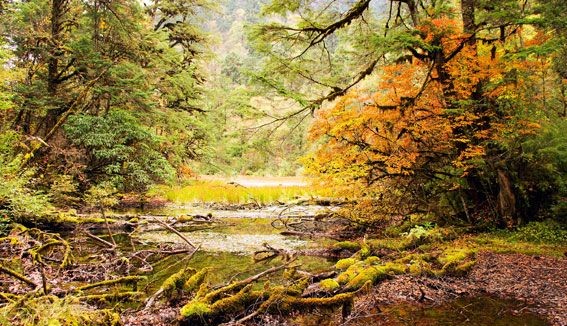
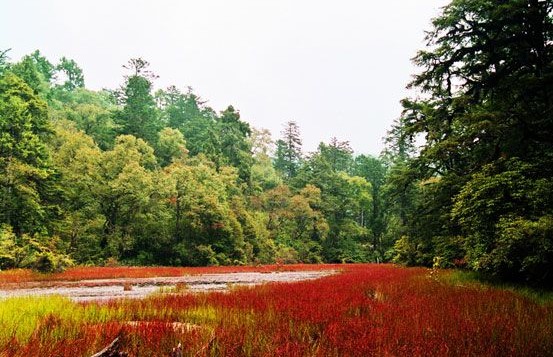
Caohaizi (Grass Lake) serves as the entrance to the Glacier Rainforest Walking Corridor. With a forested area of over 70 square kilometers—most of which is primeval forest—Hailuogou is one of the regions in China preserving the most ancient and primitive biological species, featuring rich ornamental plants and high biodiversity.
Nestled in the mountainous warm temperate coniferous-broadleaved mixed forest zone at an altitude of 2,850 meters, Caohaizi covers a water area of nearly 5,000 square meters. As a paleo-morainic lake formed during the Last Glacial Period, it is dotted with 1-2 meter tall "tofu grass" (a local aquatic plant). Surrounded by lush green primeval arbor trees, most of which are National Class III Protected Plants such as Abies georgei (George's Fir) and Picea brachytyla (Short-style Spruce), the lake shimmers like a bright mirror in a jade frame. Rare plants thrive along its shores, creating a serene and mysterious atmosphere.
The surrounding jungle, known as the "Five-Colored Forest" (Wuhua Lin), bursts into vibrant hues with seasonal changes. Boasting a negative oxygen ion concentration of 100,000 to 1,000,000 ions per cubic centimeter—2,000 times that of the Chengdu Plain—this forest is a rare natural oxygen bar for humans.
2. Bingchuan Chengmendong (Glacier City Gate Cave)
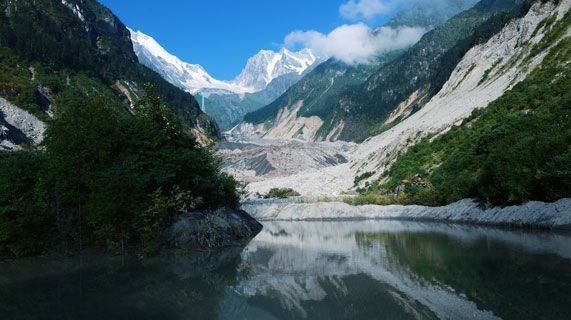
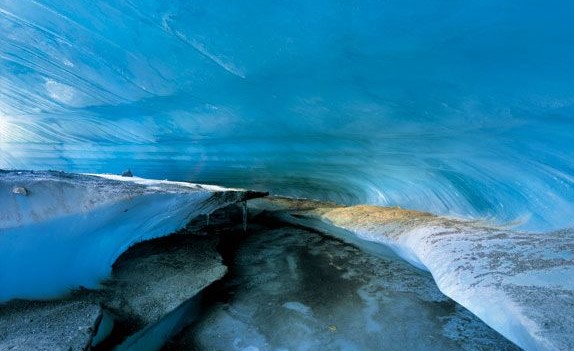
The Glacier City Gate Cave (Bingchuan Chengmendong) marks the terminus of the Hailuogou Glacier, which extends all the way from the summit of Mount Gongga (7,556 meters above sea level). Melting glacial water converges here through supraglacial rivers, supraglacial lakes, and subglacial rivers, forcing its way out at one or multiple points at the glacier's end. This water flow carves out a channel enclosed by ice walls, earning it the poetic local name "City Gate Cave"—it is also the source of the Hailuogou River. Not only can visitors admire glaciers, ice walls, glacial rivers, and ice caves here, but they can also gaze upon snow-capped mountains and Moon Lake (Yueliang Hu), the only glacial lake in the scenic area.
3. Ganheba (Dry River Bar)
Ganheba (Dry River Bar), located at an altitude of 3,000 meters, is the terminal of the scenic area's sightseeing buses. After arriving here by bus, visitors can take the cable car (Cable car ticket: 150 yuan per person for a round trip) to Camp 4, where they can admire the scenic area's famous Great Icefall, the summit of Mount Gongga, and the snow-capped mountain ranges; and hike along the Glacier Walking Trail (approximately 3 hours round-trip) to reach the glacier, getting up close and personal with it. Along the way, visitors can observe glacial natural landscapes such as ice caves, ice bridges, and ice crevasses.
4. Laoguanjing Tai (Old Observation Deck)
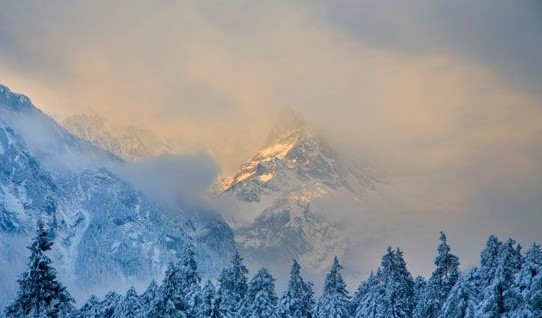
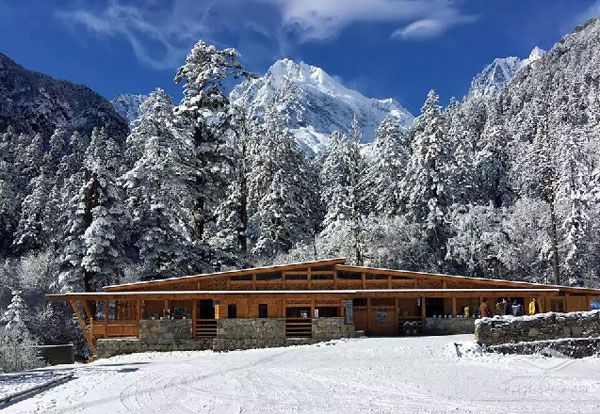
Laoguanjing Tai (Old Observation Deck) serves as a rest stop on the Glacier Walking Trail. From here, visitors can enjoy a panoramic view of Jinyin Peak (Golden-Silver Peak) with its snow-capped slopes and the entire Glacier No. 1. The glacier tongue in the ablation zone of Glacier No. 1 stretches 6 kilometers into the primeval Abies fabri (Fabri Fir) forest, forming a world-rare natural landscape where glaciers and primeval forests coexist—hailed as the magical "Green Sea Glacier". A visitor service point is also available here, providing basic food, beverages, and travel consultation services for tourists.
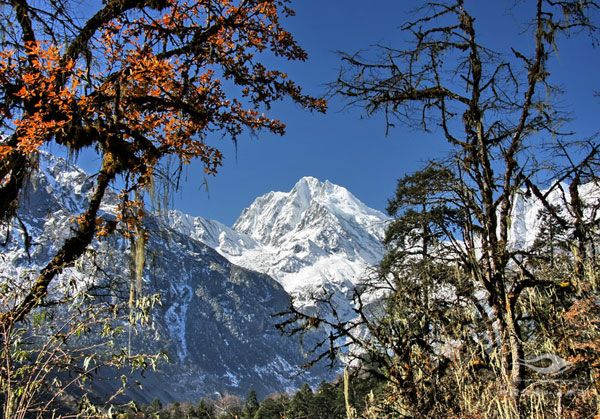
5. Wolf Totem Landscape
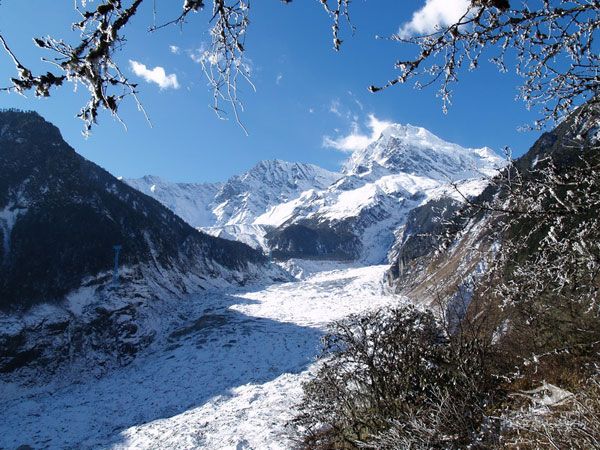
The Wolf Totem Landscape lies between Hailuogou Glacier No. 1 and Glacier No. 2. Formed by natural erosion of the mountain, it creates a unique visual effect: a mighty glacial snow wolf with its head held high stands proudly, visible from the cable car to Camp 4, Observation Deck No. 1, and Wangfutai Observation Deck (Wife-Watching Platform). With a clear outline, vivid demeanor, and a powerful stance, the wolf gazes faithfully at the sacred Mount Gongga, guarding Hailuogou.
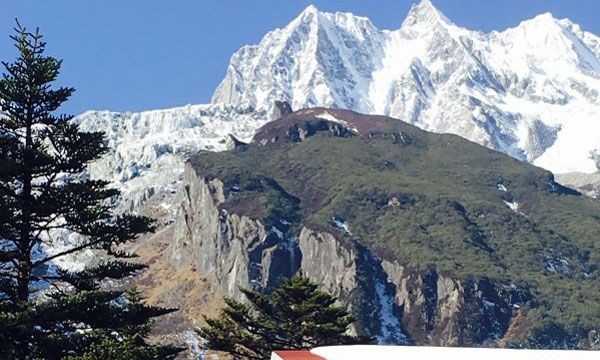
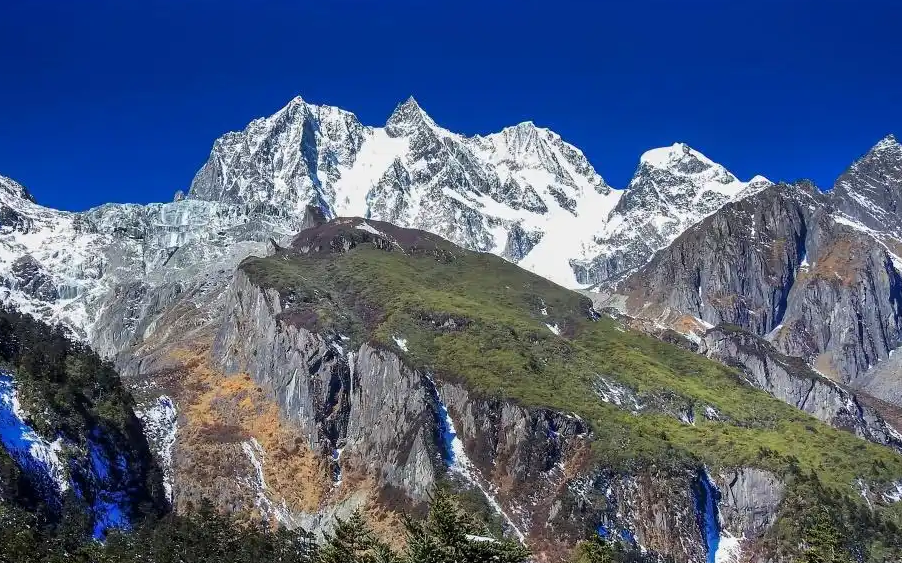
6. Simianfo (Four-Faced Buddha) Observation Deck
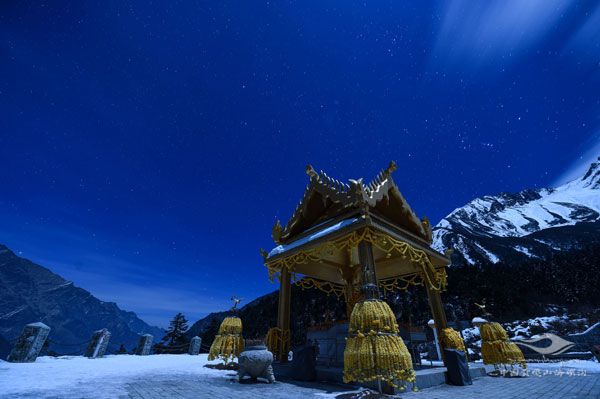
Simianfo (Four-Faced Buddha) Observation Deck is one of the best vantage points to admire Hailuogou's Great Icefall and the main peak of Mount Gongga. It is also an indispensable stop on the way to the Red Stone Beach.
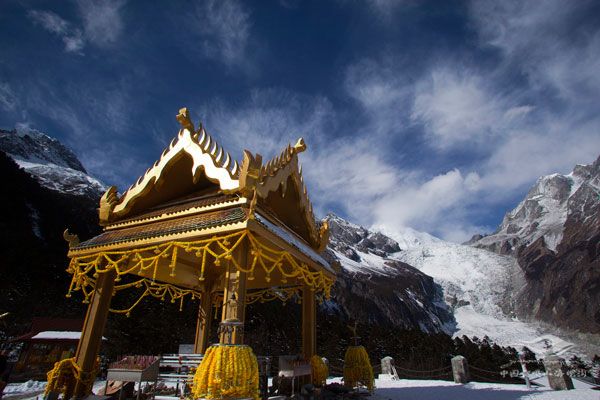
7. Great Glacier Waterfall Observation Deck
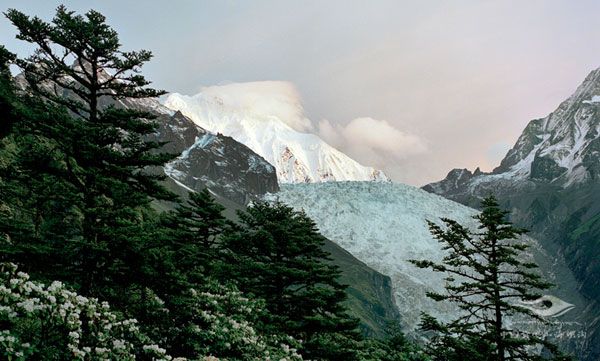
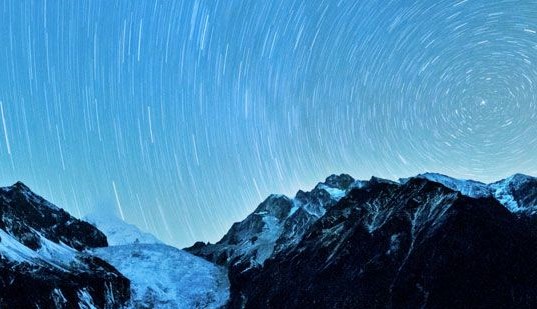
The Great Glacier Waterfall Observation Deck in Hailuogou is the closest observation deck to the glacier for visitors. From here, you can not only gaze upon Mount Gongga—the "King of Sichuan Mountains"—but also admire the world-famous Great Icefall and Hailuogou's renowned Century Glacier. With luck, you may even witness natural wonders such as the Sea of Clouds and Buddha's Light.
8. Jinyin Peak (Golden-Silver Peak)
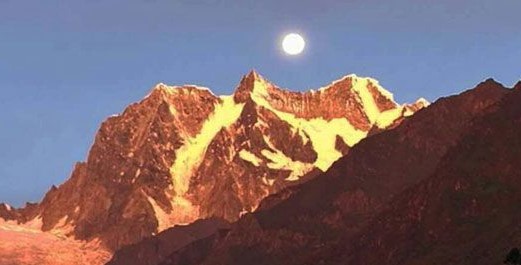
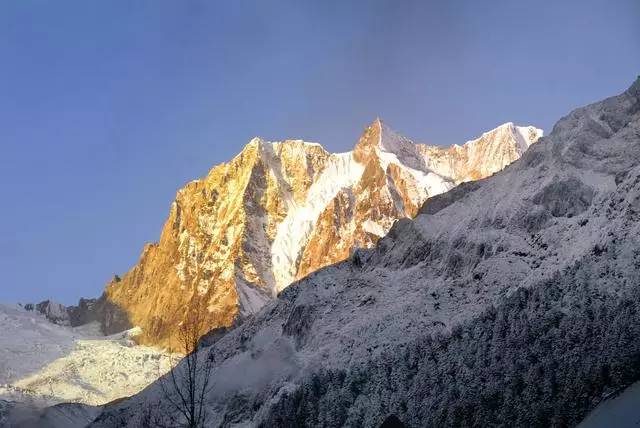
The snow-capped mountain directly in front of Camp 3 is named Jinyin Peak (Golden-Silver Peak), standing at 6,410 meters above sea level. It is this very mountain that gives rise to "Rizhao Jinshan" (Golden Sunlit Peak)—one of Hailuogou's most famous wonders.
As the first ray of morning sunshine pierces the sky at dawn, the snow-covered peak responds to the sun's call: it gradually transforms from light gray to peach pink, then to golden yellow. The steep and towering snow-capped peak, glowing brightly with golden light, exudes a majestic and grand momentum. Just a few minutes later, as the sun completes this magnificent display and moves farther away, the "Golden Mountain" reverts to a "Silver Mountain." This entire process is Hailuogou's most renowned spectacle—"Rizhao Jinshan," also known as the moment when the sun kisses the earth.
B. Yanzigou
1. Haizidang (Lake Hollow)
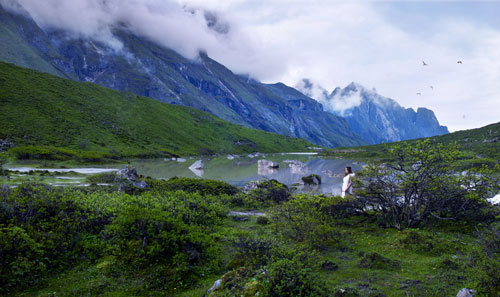
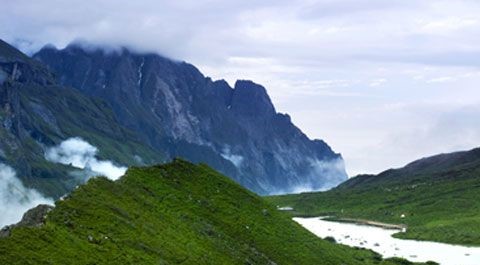
Haizidang (Lake Hollow) sits at an altitude of 3,980 meters. Starting from the Main Peak Service Area, cross the river and hike upward through a ten-square-kilometer alpine rhododendron forest. The rhododendron trees, all roughly the same height, sway gently in harmony with the undulations of the mountain slope, creating a rhythmic and picturesque scene.
2. Red Stone Beach
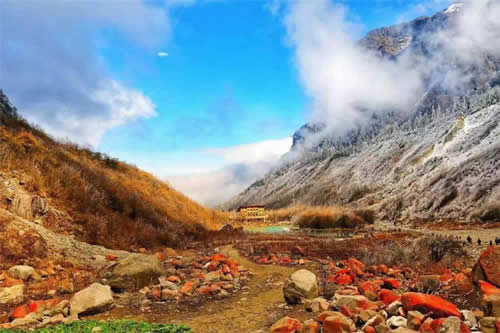
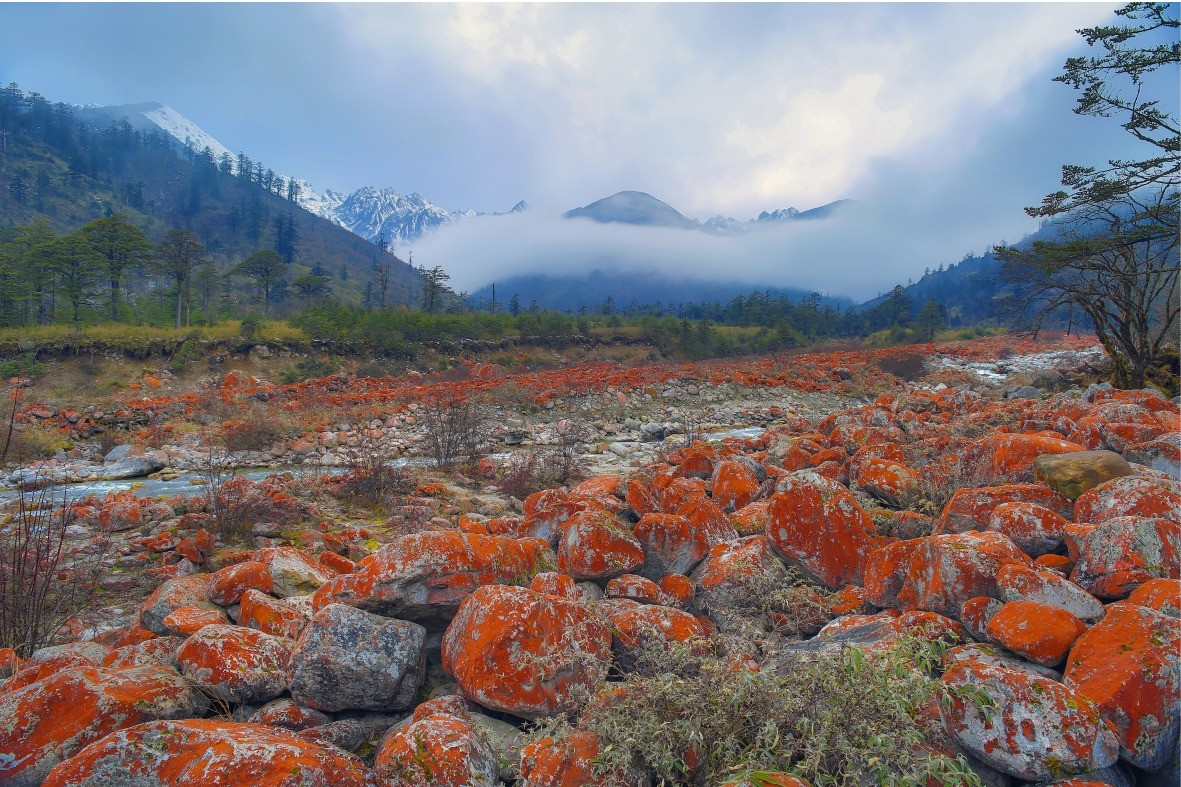
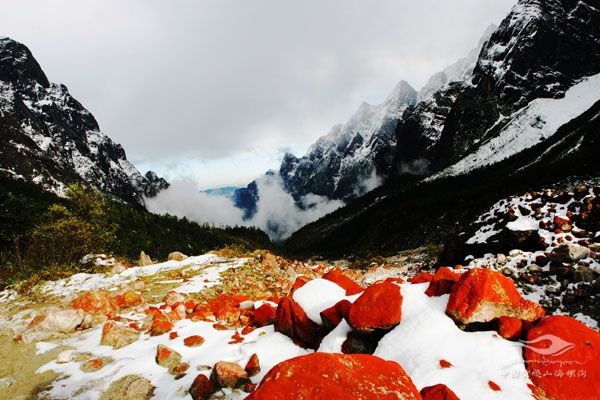
Red Stone Beach, situated at an altitude of 3,100 meters, lies in the river valley opposite Yulin Glacier (Fish Scale Glacier) and the middle reaches of the Gonggala Qu River. As the most concentrated distribution area of red stones in Yanzigou, it covers several square kilometers.
In the nearly 100-meter-wide river valley, red stones are dense and widespread. The clear, turbulent river water is divided and gathered here, swirling around the red stones as it rushes downstream. Eroded by glacial meltwater over time, the red stones of Yanzigou appear particularly bright and magnificent when viewed from a distance.
3. Luoke Ranch (Locke Ranch)
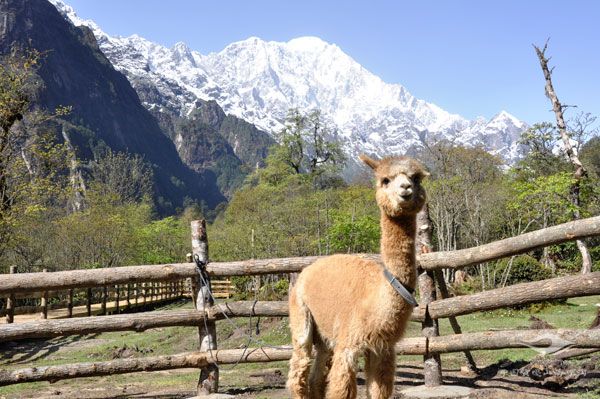
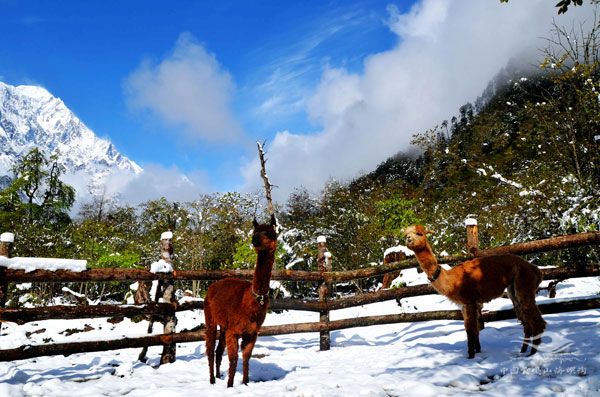
Ginseng Fruit Flat (Rensheng Guoping) is named after a rare plant of the Rosaceae family that grows here, scientifically known as Ge Rong Wei Ling Cai. The local Jiarong Tibetans call it "Ginseng Fruit." The fruit has black skin and red flesh, with a sweet taste. It is not only edible but also used in traditional medicine, believed to have the extraordinary effects of invigorating Qi, nourishing blood, and boosting vitality.
Located at an altitude of 3,300 meters, Ginseng Fruit Flat marks the end of Shuangqiao Valley's glacial landscape. On the roadside, there are hundreds of acres of lush meadows. During the spring and summer, the meadows are blanketed with a variety of alpine flowers, resembling a massive, colorful flower basket that refreshes the senses. Cattle and sheep graze peacefully across the fields, while the area is surrounded by twisting, elegant sea buckthorn forests. The high mountains, clear waters, expansive land, and blue skies create an idyllic, paradise-like scene, as if one has stepped into a hidden utopia.
C. China Red Stone Park Scenic Area
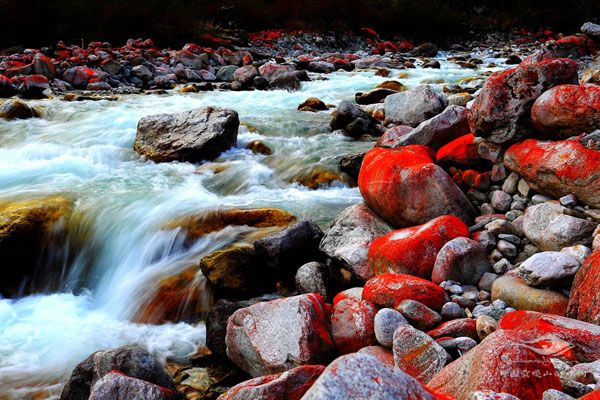
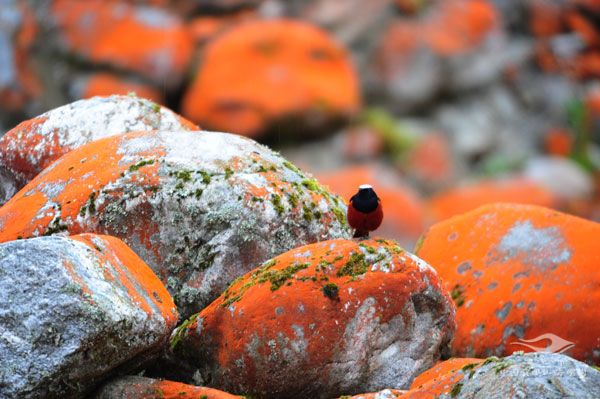
China Red Stone Park Scenic Area is an important component of the Greater Hailuogou Scenic Area. Every stone here is cloaked in a beautiful red coat by Trentepohlia jolithus (an orange alga), scattered across valleys and along rivers like leaping and flowing musical notes. Set against the backdrop of snow-capped mountains, the scene is on a grand scale, magnificent and breathtaking—unique in the world, truly deserving the title of "the World's Red Stone Park."
Beyond its famous red stones, the scenic area is a haven for diverse flora and fauna, housing more than 4,800 rare species such as Kangding Magnolia, rhododendrons, Bhutanitis thaidina (Three-tailed Swallowtail), and Ailurus fulgens (Red Panda). It is a veritable natural zoo and botanical garden, as well as a valuable biological gene bank, highly valued by the international academic community. Known as "China's Alpine Botanical Garden," it holds significant scientific research value. In addition to the world's only red stone river valley, the scenic area also features the ancient and mysterious Tea Horse Road, the winding Wilson Trail, and the towering and sacred Yajiageng snow-capped mountain ranges.
D. Yajia Qinghai (Romance Sea of Yajia)
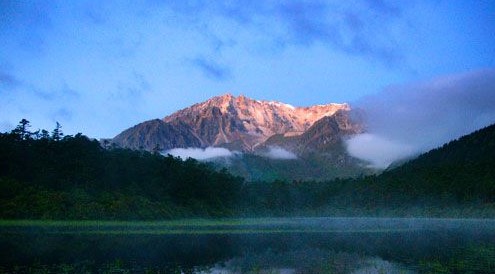
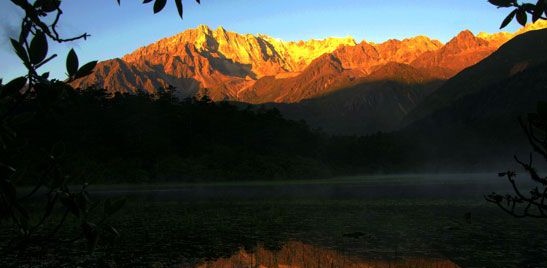
Yajia Qinghai (Romance Sea of Yajia) lies in the scenic corridor between Hailuogou and Kangding—the "City of Love Songs"—and is an important part of the Greater Hailuogou Scenic Area. Known as "China's Alpine Botanical Garden" and "China's Red Stone Park," it boasts classic and breathtaking ecological scenery, rich and profound historical relics, and countless rare flora and fauna.
Highlights include the world's only red stone river valley, sparkling alpine lakes, towering snow-capped peaks, and colorful flower seas. It is also home to the ancient and winding ruins of the Tea Horse Road, the serene and secluded Wilson Trail, and the mysterious ancient hanging coffins of thousands of years. Additionally, visitors can spot adorable red pandas and the world-famous "Xikang Magnolia" (Kangding Magnolia). Yajia Qinghai is an ideal destination for ecological sightseeing, outdoor experiences, scientific expeditions, and cultural exploration.
E. Moxi Platform
1. Ecological Rose Garden
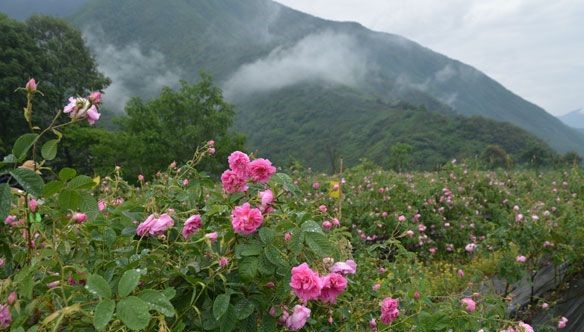
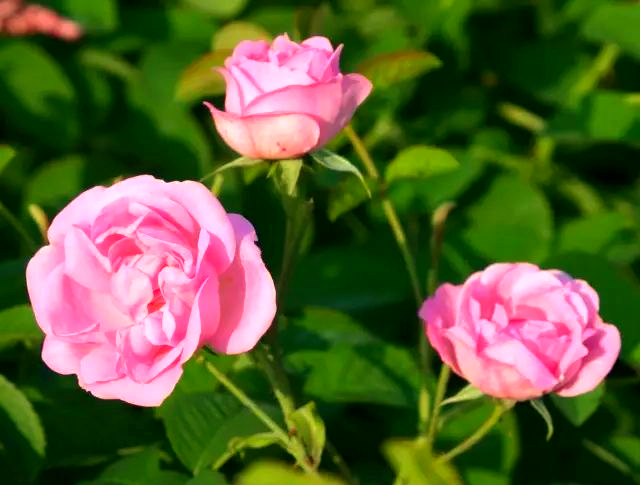
The Ecological Rose Garden is located in the hinterland of Hailuogou Scenic Area, adjacent to the famous Red Stone Beach Park and Yanzigou—an international mountaineering and tourism route. Following the concept of integrating agriculture with tourism, Hailuogou has developed a characteristic and high-efficiency agricultural industry themed around roses. Visitors here can not only appreciate the natural scenery and enjoy the natural hot springs but also admire the stunning rose landscapes. The garden provides a comfortable ecological environment for people to "return to nature."
2. Moxi Ancient Town
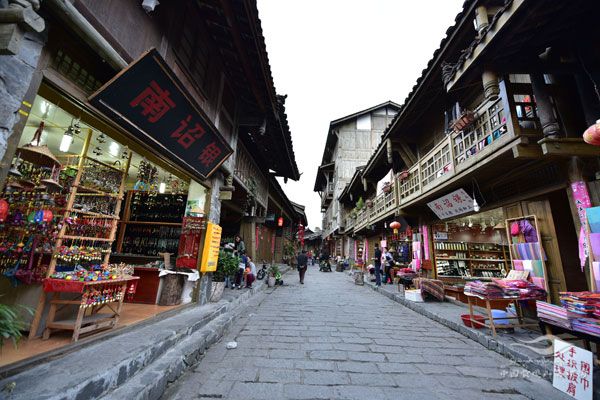
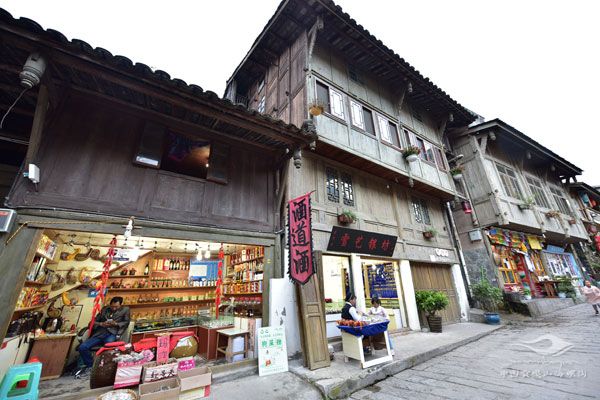
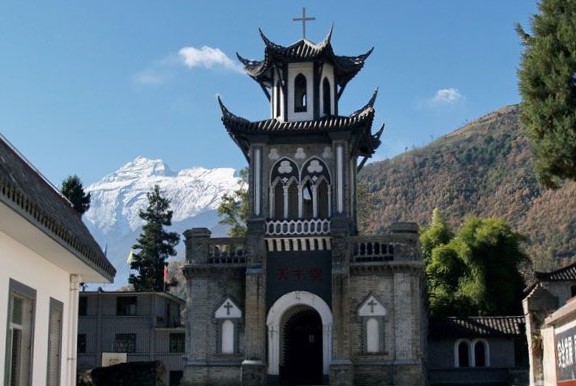
Moxi Ancient Town is the main tourist distribution center for the Greater Hailuogou Scenic Area (comprising Hailuogou, Mozigou, Yanzigou, Nanmenguan Valley, Red Stone Park, and Yajiaqinghai). Moxi Old Street, approximately 1,200 meters long, was once the main commercial area for local residents and an important post station on the Tea Horse Road - a crucial route to Tibetan areas. Steeped in history and cultural significance, the street and its buildings maintain the typical Western Sichuan architectural style featuring wooden pavilions, staggered structures, green-tiled eaves, and shiny stone-paved roads. Today, the street primarily offers tourist souvenirs, inn accommodations, bars, and local snacks. Nearby are the Moxi Catholic Church and the former residence of Chairman Mao Zedong.
5. Moxi Catholic Church
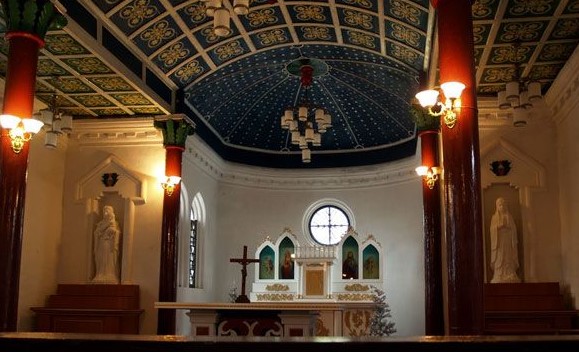
Moxi Catholic Church was first built in 1918 by a French missionary surnamed Pei. Using natural nanmu (Phoebe zhennan)—a wood with excellent anti-corrosion and moisture-proof properties—as its main building material, the church consists of a bell tower, a nave, and ancillary buildings. Facing east with its back to the west, it is a courtyard-style structure integrating Chinese and Western architectural styles, ranking among the few Catholic churches in China that blend the two cultural traditions.
Best Time to Visit Gongga Mountain
The best times to visit Mount Gongga are from April to June and September to October. These months offer stable weather, with clear skies and pleasant temperatures for trekking. Winter months (December to February) can be extremely harsh, with heavy snow and freezing temperatures, while the summer months (July to August) bring monsoon rains, making trekking difficult.
1. Spring (March-May)
The lower slopes are covered in rhododendrons (peak bloom in April), and the weather is mild (daytime temperatures 10-18°C). However, higher-altitude areas (above 4,000 meters) still have snow, so some hiking trails may be closed.
2. Summer (June-August)
This is the rainy season, with occasional afternoon showers. But the mountains are lush green, and alpine meadows are dotted with wildflowers. Daytime temperatures range from 15-22°C, making it a good time to escape the heat of Chengdu. Note: Landslides can occur on mountain roads after heavy rain, so check road conditions before traveling.
3. Autumn (September-November)
The best season for most visitors. The sky is clear (low rainfall), and the forests turn golden and red (peak foliage in October). Daytime temperatures are 8-18°C, and visibility is perfect for viewing Gongga’s main peak. This is also the busiest season, so book accommodation in advance.
4. Winter (December-February)
The mountain is covered in snow, creating a magical winter wonderland. Daytime temperatures are -5 to 8°C, and there are few crowds. It’s a great time for photography (snow-capped peaks against blue skies) but note that some scenic areas (like Hailuogou’s higher viewing platforms) may be closed due to snow.
5. Best Viewing/Activity Times in Gongga Mountain Area
| Viewing/Activity | Times |
| Kangding Magnolia | Mid-March to mid-late April |
| Rhododendron Viewing | Mid-April to mid-June |
| Best for Summer Retreat (Heat Escape) | June to September |
| Autumn Red Leaves Viewing | Early October to mid-November |
| Winter Snow Activities | November to March |
| Glacier Viewing | Year-round |
| Golden Sunlit Peaks (Sunshine on Golden Mountains) | · Spring: Around 06:40 AM |
Beyond the Panda: Explore the Lesser-Known Sides of Chengdu!
Think you’ve seen all that Chengdu has to offer? Think again.
While the pandas are world-famous, there’s so much more to discover in this vibrant city. From the scenic beauty of nearby mountains to the bustling artistic districts, Chengdu offers an endless array of experiences. Our tours take you off the beaten path to explore the lesser-known gems that make this city so unique.
 4 Days Classic Siguniangshan Mountain Hiking Tour with Wolong Panda Base
 4 Days Daocheng Yading Hiking Tour from Chengdu by Flight
What to Do in Gongga Mountain
1. Visit Hailuogou Glacier Museum
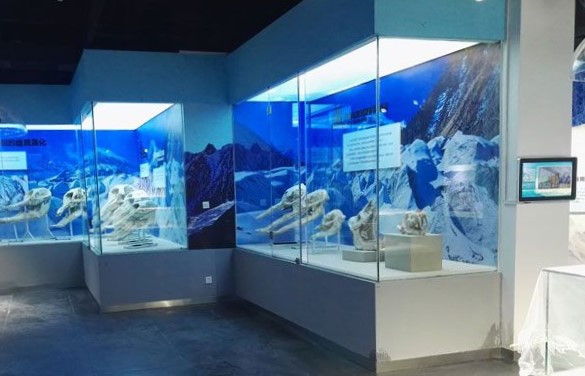
The Hailuogou Glacier Museum is located on the B1 floor of the Hailuogou Scenic Area Tourist Reception Center, covering a building area of 634.50 square meters. Through a large number of precious specimens, pictures, scene restorations, multimedia, and other technological means, the museum's exhibition comprehensively and multi-dimensionally showcases geological diversity, biodiversity, and glacial evolution diversity. It constructs a scientific, ornamental, and interesting glacial geoscience knowledge system within the exhibition hall.
Open to the public, the museum is based on global glaciological knowledge, with the purpose of popularizing glacial science, while also accommodating scientific research on glacial evolution. It strives to develop the Hailuogou Glacier Museum—featuring modern and contemporary geological characteristics—into a high-quality cultural and technological venue integrating popular science, technology, and culture. Its goal is to promote the protection of Hailuogou's glacial geological relics and the sustainable development of environmental benefits.
2. Unwind in Alpine Hot Springs
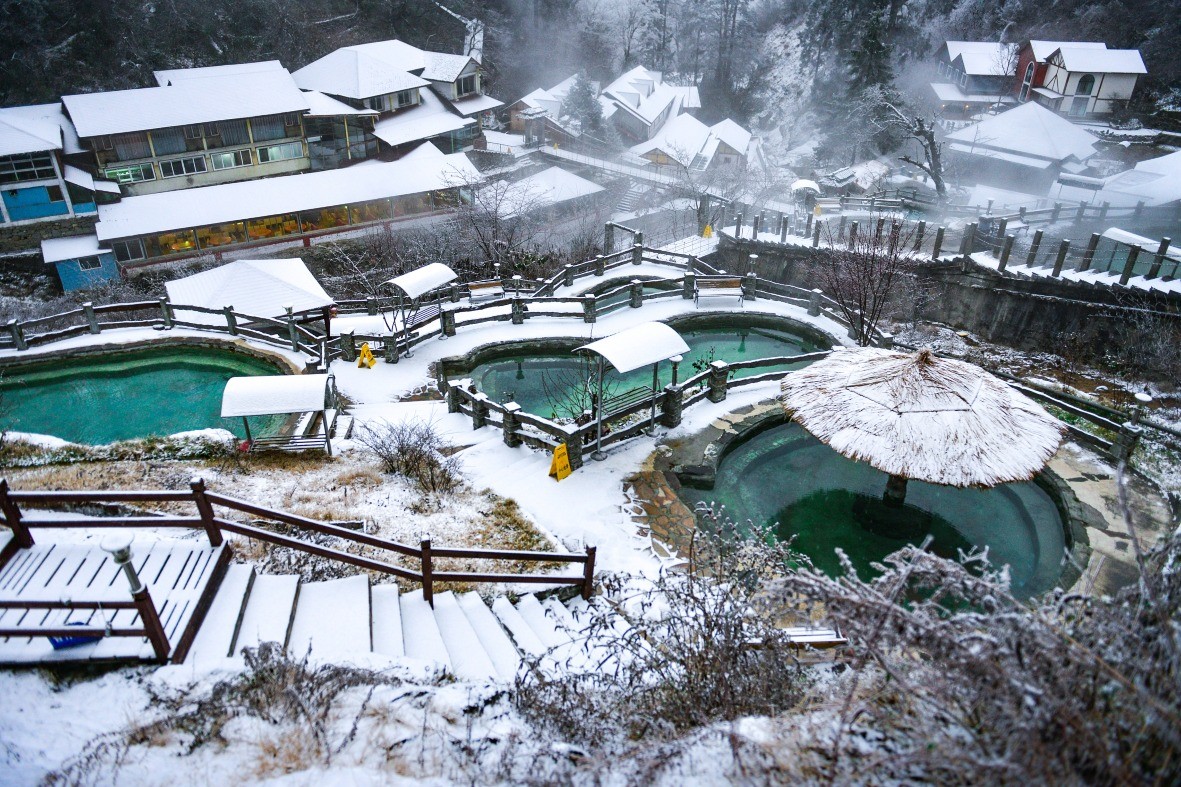
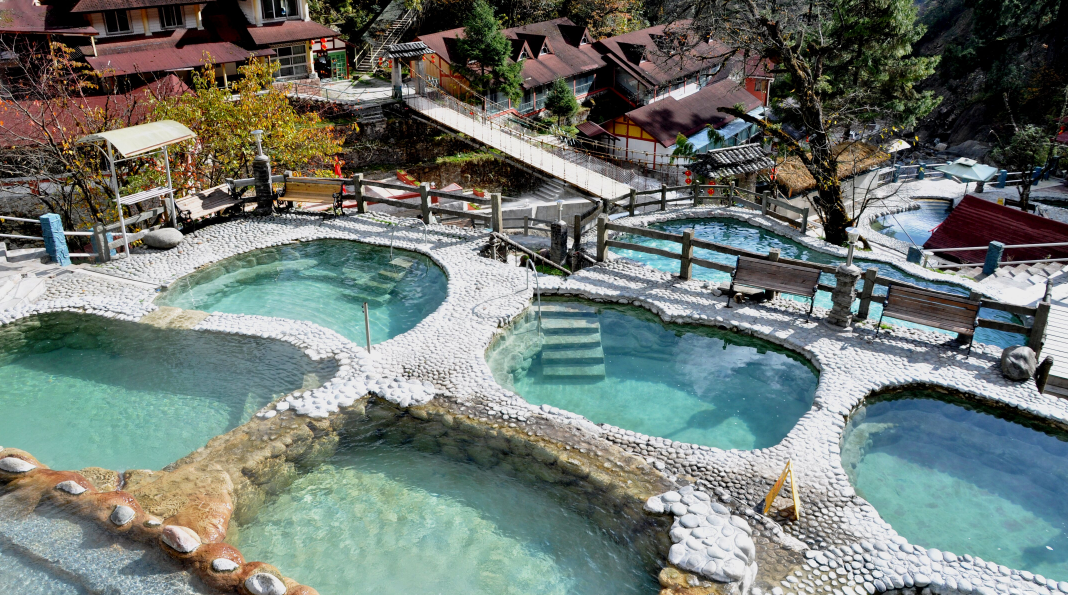
Hailuogou is famous for its alpine hot springs, fed by geothermal water. The most popular is the Hailuogou Hot Spring Resort (near No. 2 Camp), with outdoor pools overlooking the mountains. Soak in the 40-45°C water while watching snow fall in winter—an unforgettable experience.
· Pro Tips: Wait 24–48 hours after arriving at high altitude to soak (to avoid worsening altitude sickness), and limit each session to 20 minutes. Some hot springs are said to have skin-soothing benefits, thanks to their high sulfur content.
3. Hiking
Recommended hiking routes: Moxi (Sightseeing Bus) — Caohai Lake (Hiking) — Glacier Rainforest Walkway — Camp 3 — Glacier Gate & Crescent Lake — Skywalk — Dry Riverbed (Option: Glacier Walkway to Ice Towers OR Cable Car to Camp 4)
4. Photography
The best spots and times vary by season. In autumn, shoot the golden forests of Yanzigou at 9-10 AM (soft sunlight). In winter, capture the snow-covered Hailuogou Icefall at noon (blue ice shines brightest).
· Gear tip: Bring a tripod for long exposures (sunrise/sunset) and a polarizing filter to reduce glare on lakes.
Travel Tips
1. Altitude Sickness Prevention Tips
· Eat light, high-carbohydrate meals (e.g., rice, noodles, bread) instead of heavy, fatty foods—carbs provide more energy at high altitude.
· Sleep well: Try to get 7-8 hours of sleep per night. Avoid sleeping in poorly ventilated rooms, as low oxygen levels can worsen symptoms.
· Use natural remedies: Drink "Hongjingtian" (Rhodiola rosea) tea, available at local pharmacies—many Tibetans swear by it for boosting oxygen tolerance. You can also chew on dried goji berries, which are high in antioxidants.
2. Weather awareness: Mountain weather changes quickly—sunny skies can turn to snowstorms in an hour. Check the forecast before going out (use the "Sichuan Weather" app or ask your hotel). Carry a waterproof jacket, hat, and gloves even in summer. If you’re hiking, bring a whistle and a compass (or GPS device) in case you get lost.
3. Equipment preparation: For hiking, wear waterproof, anti-slip hiking boots (high-top to protect ankles). Dress in layers: a moisture-wicking base layer, a fleece or down jacket for warmth, and a waterproof outer layer. Bring a first-aid kit with bandages, antiseptic, painkillers, and altitude sickness medicine (e.g., Diamox). For high-altitude areas, carry a portable oxygen tank (available for rent in Kangding, ¥50-100 per tank).
4. Photography Tips
· Golden hour magic: The "golden hour"—1 hour after sunrise and 1 hour before sunset—is the best time to shoot. The warm, soft light turns the snow-capped peaks golden and avoids harsh shadows. For Gongga’s main peak, position yourself at Zimeiyakou facing east for sunrise, or Haizi Mountain facing west for sunset.
· Camera settings: Use aperture priority mode (f/8-f/11) for sharp landscapes. For sunrise/sunset, set ISO to 100-200 to avoid noise. If shooting moving water (waterfalls in Yanzigou), use a slow shutter speed (1-3 seconds) to create a silky effect.
· Foreground interest: Don’t just shoot the peak—add a foreground element (e.g., a wildflower, a prayer flag, a stone) to create depth. For example, shoot Gongga’s reflection in Mugua Co with a few pine trees in the foreground.
· Protect your gear: High altitude and cold weather can damage cameras. Keep extra batteries in your inner pocket (body heat keeps them charged longer). Use a lens hood to prevent snow or rain from getting on the lens. Carry a microfiber cloth to wipe off frost.
5. Cultural Etiquette Tips
· Monastery etiquette: When entering a monastery, remove your hat and sunglasses. Do not touch or climb on statues, and do not take photos of religious relics (e.g., Thangka paintings) without permission—signs usually indicate if photography is allowed. Walk clockwise around monasteries and prayer wheels (this follows Tibetan Buddhist tradition).
· Greeting locals: The most common Tibetan greeting is "Tashi Delek" (pronounced "tah-shee deh-lek"), which means "good luck" or "blessings." Smile and nod when saying it—locals will appreciate your effort. If you’re offered butter tea, take at least one sip (declining may be seen as rude), even if you don’t like the taste. The Yi people are warm and hospitable. When meeting elders, greet them with a slight bow and use respectful terms (e.g., "Lao Ye" for elderly men, "Lao Nai" for elderly women). Handshakes are acceptable, but avoid overly firm grips—gentle contact shows politeness. When entering a Yi home, wait for the host to invite you in and step over the threshold (never step on it, as it’s considered sacred).
· Religious items: Do not step on prayer flags, mani stones (carved with Buddhist symbols), or sutra piles. These are sacred to Tibetans. If you see a line of mani stones, walk around them clockwise. Do not pick or disturb prayer flags—they are meant to be left up to blow in the wind (each blow spreads prayers).
· Photography of people: Always ask permission before taking photos of Tibetans and Yi people, especially elders or monks. Some people may decline, and that’s okay—respect their wishes. Offer a small gift (e.g., candy for children) if they agree, as a sign of gratitude.
· Taboos on Daily Life: Do not touch or try on a Yi woman’s silver ornaments (e.g., headpieces, necklaces) or men’s black turbans—these are important symbols of identity and dignity. The fire pit in the center of a Yi home is a sacred space for cooking and gathering; never spit near it, throw garbage into it, or step over the fire. Avoid pointing at others with your finger (use an open palm instead) and do not whistle indoors, as it’s believed to bring bad luck.
6. Other Information
* Address: Gongga Mountain, Luding County, Ganzi Tibetan Autonomous Prefecture, Sichuan, China
* Ticket Prices for Gongga Mountain-Related Scenic Areas:
· Hailuogou Scenic Area
Entrance Ticket: ¥90 per person
Round-Trip Shuttle Bus Ticket: ¥70 per person
Round-Trip Cable Car Ticket: ¥135 per person
· Yanzigou Scenic Area
Entrance Ticket: ¥100 per person
Round-Trip Shuttle Bus Ticket: ¥70 per person
· Hongshi Park Scenic Area
Entrance Ticket: ¥60 per person
* Tourist information: +86-0836-3268893
* Winter/Spring Closing Time: 05:00 PM
Summer/Autumn Closing Time: 06:00 PM
Mount Gongga is one of the most iconic mountains in China, offering a unique combination of natural beauty, cultural significance, and challenging terrain. Whether you are an adventurer seeking to scale its peak, a trekker looking to explore its rugged beauty, or a traveler interested in Tibetan culture, Gongga Mountain is a destination that will leave you with unforgettable memories. Make sure to plan your trip well, respecting both the mountain's environment and the local culture to ensure a safe and rewarding experience.
Your Way Holiday’s Expert Guide to the Unmissable Treks of Mount Gongga
We design private and tailor-made Chengdu tours customized to your travel style at affordable local prices. You’ll enjoy the comfort of a private, spacious car and the company of a professional local guide with over 5 years of experience, dedicated exclusively to you or your group. From transportation and tickets to authentic dining experiences (we always recommend the dishes most loved by locals), everything will be arranged according to your preferences. Please take a look at some of our most popular Chengdu tours below:
 7-Day Sichuan Tour Package from Singapore: Chengdu, Jiuzhaigou, Leshan & Emei
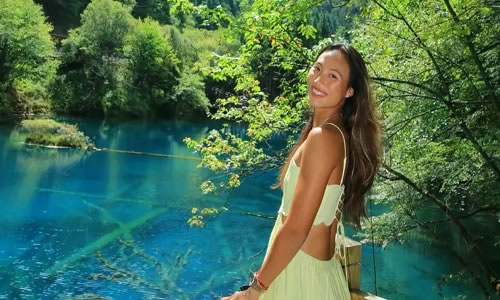 5 Days Captivating Journey: Giant Pandas, Huanglong Wonders & Jiuzhaigou Fairyland
Not exactly what you’re looking for? Don’t worry — all of our Chengdu tours can be fully customized based on your interests, schedule, and budget. We specialize in creating unique Chengdu experiences that go beyond the guidebook, giving you the chance to truly connect with the local culture and people. Our enthusiastic tour experts are always ready to provide detailed suggestions and will respond to your inquiry within 24 hours. Ready to explore Chengdu your way? Contact us today and let us design a Chengdu shopping experience that fits your style. Your Way Holiday looks forward to your message! We're ready to design an unforgettable Chengdu trip for you anytime.
Wechat: YourWayHolidayAsia
24 Hours Hotline:
+8613735411378
Certificate of Excellence
2012~2026

Your Way Holiday
(Your Privacy is Protected)
1 to 1 tailor-made service from our professional travel advisors for the most sophisticated
Constantly excellent reviews for attraction, hotel and service Competitive price
Local experts provide quality tours Best selected knowledgeable local guides Authentic local restaurants
7*24 hours available to create you a worry-free tour. No Hidden Fees and absolutely no pressure to buy. Secured