24 Hours Hotline: +8613735411378
Email:[email protected]
24 Hours Hotline: +8613735411378
Email:[email protected]
Tour Style:
This six-day trip links Chengdu and Lhasa in one itinerary, so you cover Sichuan and Tibet without wasting days on backtracking. In Chengdu you meet the pandas, wander Wenshu Temple and Jinli, and eat a Sichuan hot pot dinner. Then you fly to Lhasa for the Potala Palace, Jokhang Temple and the Barkhor circuit, and the great monasteries at Drepung and Sera. The price covers your private guide and car, the Chengdu-Lhasa flight, hotel rooms, the listed meals, and entrance fees to the sights. You start from your hotel, train station, or airport in Chengdu and finish at your hotel, Lhasa Train Station, or Lhasa airport.
Duration: 6 Days 5 Nights
Attractions(Cities):
Chengdu, Lhasa
Pick-up point:
Your hotel in Chengdu, train station or airport (based on your requirement)
Finishing point:
Your hotel in Lhasa, Lhasa Train Station or Lhasa Airport
Tour Customizable:
Absolutely! (Tell us your specific requirements in the inquiry)
Payment Types:
Cash, Wire, Paypal, WesternUnion, Wechat, Alipay, Bank transfer
Available: Daily
Day1 Arrival in Chengdu
Day 2 Chengdu: Chengdu Panda Base, Wenshu Temple, Vegetable Lunch, Wangjianglou Park, Jinli Ancient Street, Hot-Pot Dinner
Day 3 Chengdu-Lhasa: Transfer to Chengdu Shuangliu International Airport and Pick up at Lhasa Airport
Day 4 Lhasa: Potala Palace, Jokhang Temple, Barkor Street
Day 5 Lhasa: Drepung Monastery, Sera Monastery
Day6 Lhasa Departure
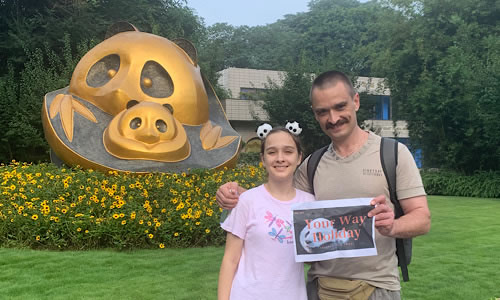
Your private guide and driver meet you at the exit of the Chengdu station or airport holding a welcome sign that reads Your Way Holiday. They help with your luggage, settle you into the car, and spend the drive talking you through the city, where you are staying, what the next days hold, and the small details that make Chengdu worth slow attention. It is a relaxed start rather than a rushed one, and your guide keeps the suggestions practical and suited to what you have said you enjoy.

Your guide brings you to your hotel in downtown Chengdu and helps with check-in before you have time to rest. If you arrive hungry, a first Sichuan dinner is easy to arrange nearby on your own; your guide can point you to a neighbourhood kitchen and dishes to try, such as hotpot or Mapo tofu. Otherwise, keep the evening free and turn in early before the next few days.
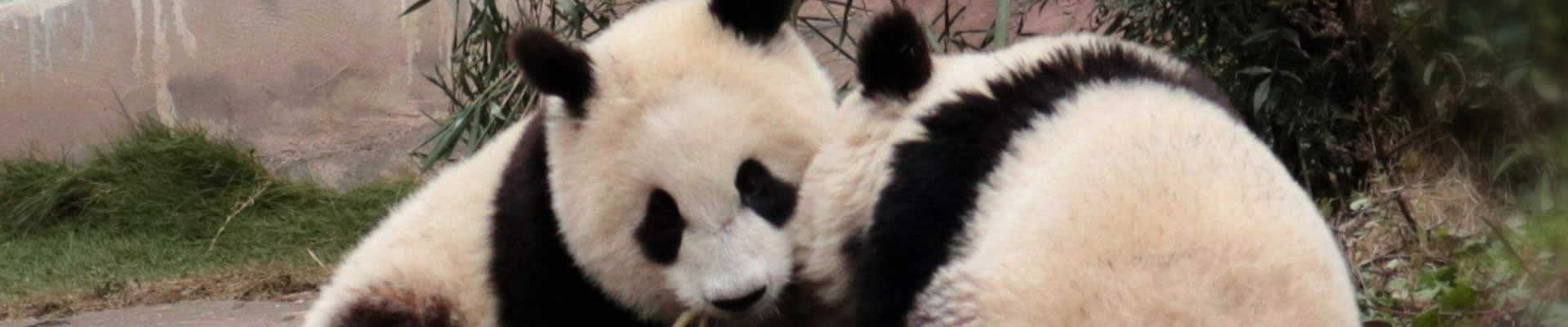
The day opens at the Chengdu Giant Panda Breeding Research Base, a short drive from downtown among bamboo groves. The base breeds and protects giant pandas, and you see them at different ages, cubs tumbling, adults working through a day of bamboo, along the raised walkways that run through the enclosures. Keep an eye out for red pandas on the tree-lined paths and black swans on the ponds. Your guide explains how the keepers care for the animals and what the breeding work is meant to achieve for the wild population.


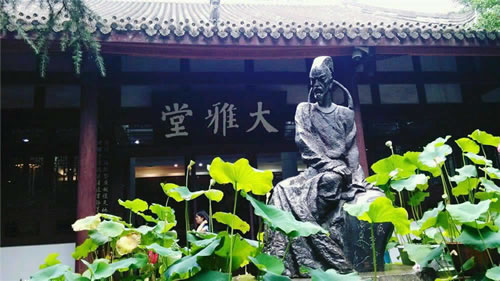
Next comes Wenshu Temple, the largest and best-preserved Buddhist temple in Chengdu, founded in the Tang Dynasty. Inside are carved wooden screens, old eaves, and halls where incense burns, set around small ponds with lotus. Monks go about their day between the halls, and the Wenshu Monastery Teahouse on the grounds is full of local people drinking tea and talking quietly. It is a calm place to walk slowly in the middle of the city.


Lunch is set at a vegetarian kitchen inside the Wenshu Temple grounds. The dishes are built from fresh local vegetables and show how Sichuan cooks handle vegetarian food, and your guide walks you through the ingredients and how each plate is made. It is an easy, quiet meal before the afternoon.
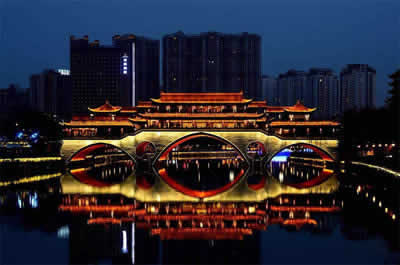
After lunch your guide takes you back through the temple grounds, then on to Wangjianglou Park, known as the Park of the Pavilion that Watches the River, with views over the Jinjiang River and long green walks. Its Wangjiang Pavilion is a fine piece of traditional architecture and a good place to stop for photographs. Together with Wuhou Memorial Temple and Dufu's Thatched Cottage, it is counted among the best-known sights of old Chengdu, and your guide fills in the poets and stories behind each.


The Wangjiang Pavilion, also called Chongli Pavilion, stands about 39 metres high and is dedicated to the Tang-dynasty poetess Xue Tao. Around it the park keeps several related spots: the Well of Xue Tao, Zhuojin Pavilion, the Pavilion for Reciting Poems, the Pavilion for Washing Bamboo Slips, and the Pavilion of the Five Immortals in the Sky. From the upper levels you look out over the trees and the river.


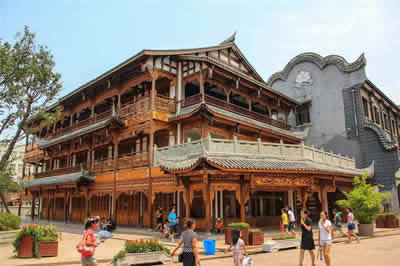
Jinli Ancient Street is a rebuilt old quarter of cobblestone lanes, timber fronts, and red lanterns, busy with street food. You pass spicy skewers, dumplings, and sweet rice cakes, and there are often Sichuan opera and puppet shows on the small stages. Shops sell hand-made crafts and tea, and there is a teahouse if you want to sit. Your guide keeps you clear of the most crowded stretches and shows you where locals eat.


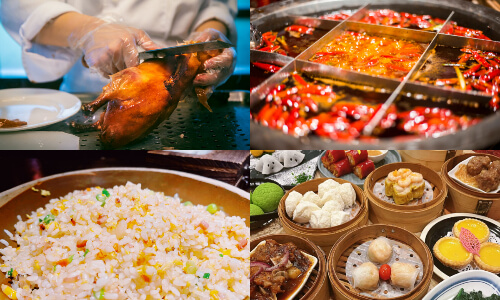
The evening is given over to a hot pot dinner, the Sichuan way of cooking at the table over a simmering pot. Platters of thinly sliced meat, leafy greens, mushrooms, and dumplings come to you to cook yourself in the broth. Chengdu hot pot runs spicy by default, so tell your guide if you want the milder split pot that keeps half of it plain. It is a slow, social meal and a fair way to end the city day.


Your driver takes you back to your hotel in downtown Chengdu. On the way your guide goes over what you saw and answers whatever you want to know about the rest of the trip and the days ahead in Tibet. Then you are set down at your hotel for the night.
You have the morning to yourself until your guide and driver come round to take you to Chengdu Shuangliu International Airport for the flight to Lhasa, a trip of about two hours in the air. On landing, your Lhasa guide and driver meet you, help with your bags, and drive you to your hotel. Once you are checked in, the rest of the day is left free on purpose: at this height the sensible thing is to take it easy, drink water, and let your body settle before any sightseeing tomorrow.
Your guide meets you in the hotel lobby in the morning, and the first stop is the Potala Palace, the landmark that defines Lhasa and the highest palace of its kind in the world. A UNESCO World Heritage site, it is part fortress and part temple, and climbing through it takes you past the audience halls where decisions were once made and the gilded burial stupas of earlier Dalai Lamas. The walls carry Buddhist frescoes and thangkas, painted with scenes and teachings from Tibetan Buddhism, and your guide walks you through what each section was used for.


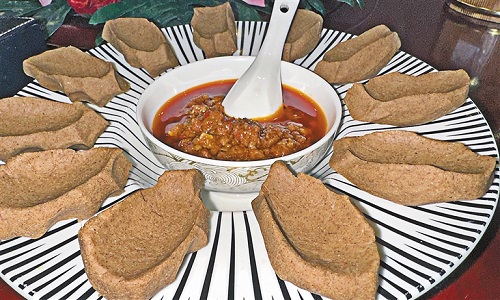
Midday is a break at a local restaurant for Tibetan food. Try momos, steamed dumplings filled with meat or vegetables and eaten with a sharp dipping sauce, or thukpa, a thick noodle soup with vegetables and meat that warms you after a morning on the stairs. If you want something plainer, there is tsampa, roasted barley flour stirred into butter tea, which is how many people in Tibet start the day. Your guide helps you order and explains the dishes as they arrive.

After lunch you go to Jokhang Temple, the holiest place in Tibet. It was built in 647 AD during the reign of King Songtsen Gampo, with the hand of Princess Wencheng of the Tang court in its founding. Outside, pilgrims make their prostrations on the stone; inside, among the murals and old relics, stands the statue of Buddha Shakyamuni, said to show him at the age of twelve and to be the reason the temple exists at all. Your guide explains the rituals you are watching so the visit means more than photographs.


Around Jokhang runs Barkhor Street, the old pilgrim circuit where worshippers walk the kora, the clockwise circle around the temple, all day long. You are welcome to join the flow. The lane is lined with shops selling Tibetan handicrafts and snacks, and at the market end you find stalls of silver and turquoise where traders from different parts of Tibet still haggle over jewelry. It is the liveliest corner of the old city, and a good place to see daily life moving alongside devotion.


Later you sit in with locals at a tea house for a cup of po cha, the Tibetan butter tea, rich and faintly salty, the drink that keeps people warm on the plateau. It is an unhurried stop, and there is room to talk with the people around you. The day ends on a welcome dinner of Tibetan dishes, momo and thukpa again on the table, a relaxed meal to gather impressions of Lhasa before the rest of your time in Tibet.


Your guide and driver take you back to your hotel in a private car. On the way you can ask about anything you saw that day or what is coming next, and your guide is glad to talk it through. Once you are back at the hotel, they help with whatever you need before leaving you to rest. At height it is worth an early night.
Today is given to two of the great Gelugpa monasteries around Lhasa, and it begins at Drepung. Jamyang Choeje founded Drepung in 1416 on the slopes of Gambo Utse Mountain, and at its height it was the largest monastery in Tibet, home to more than ten thousand monks. You move through the terraced complex and its courtyards, look at the murals, and reach the old monastery kitchen, once built to feed thousands at a time. Nearby are carved Buddhist panels showing the deities and the stories around them, the work of monks who gave years to a single board.


After lunch you continue to Sera Monastery, founded in 1419 by Jamchen Choeje, a disciple of the reformer Tsongkhapa. Sera is best known for its monk debates, held in the open courtyard most afternoons, where two monks work through a point of Buddhist philosophy, one asking and one answering, with sharp hand gestures to mark each step. It looks like a performance and it is serious study at once. Your guide then shows you the rock painting of the Buddha carved and coloured on stone, the sand mandalas, and the Tibetan scripture printing house, where blocks of sacred text are kept and reprinted.


The evening ends at a local restaurant serving Tibetan dishes, and your guide helps you pick what to order. After dinner your driver takes you back to your hotel, and you can use the short ride to ask about tomorrow or anything from the day. Then you are set down for the night, with the high point of the trip still ahead.
The last day opens with free time to relax or wander on your own. When it is time to go, your guide and driver collect you for the transfer to Lhasa Train Station or the airport, whichever suits your onward ticket. Looking back, the six days have run from the teahouses and old streets of Chengdu to the pandas, the Potala Palace, the pilgrim circuit at Jokhang, and the debates in the courtyard at Sera. Your guide helps you check in and sees you off, whether you are heading home or on to somewhere else.
Yes. Beyond a Chinese visa, a trip into Tibet needs extra entry paperwork. The rules change with nationality and season, so ask us what applies to your passport before you book and allow time for it to be arranged.
By air. On the third day you fly from Chengdu to Lhasa, a flight of about two hours. The afternoon after you land is kept free so you can take it easy and let your body get used to the height.
Lhasa sits on a high plateau, so the first day there is deliberately slow. The main sights involve walking and stairs, and the Potala Palace in particular has a long climb, so you go at your own pace and rest when you need to.
It runs privately, with your own guide and car in both Chengdu and Lhasa. The pace, the restaurants, and the order of the sights can be set around your group.
Lunch is set on the main sightseeing days, and dinner covers a Sichuan hot pot evening in Chengdu and a welcome dinner in Lhasa. Your guide helps with orders and talks you through the dishes.
Most travellers find late spring to early autumn the easiest for Lhasa, when the days are mild and the skies clear. Chengdu is warm and green in summer and grey but mild in winter. Tell us your dates and we plan around the weather.
Price Per Person in US Dollars
Personalized Travel Consultant
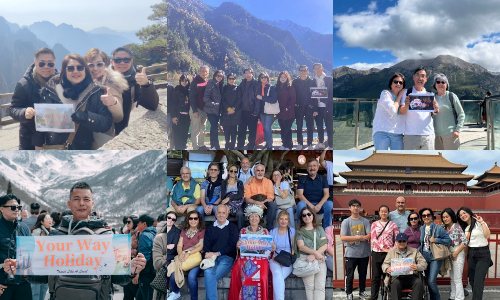
Experience the best of China with our expert travel consultants by your side. With years of local tourism experience, they are not only professional and knowledgeable but also deeply committed to making your trip unforgettable. Your dedicated consultant will craft a bespoke tour plan tailored to your unique interests, schedule, and budget, offering you the utmost flexibility. From the moment you start planning until the end of your journey, they will be in touch, ensuring every detail is perfect and that your trip runs smoothly.
Exceptional Local Guides
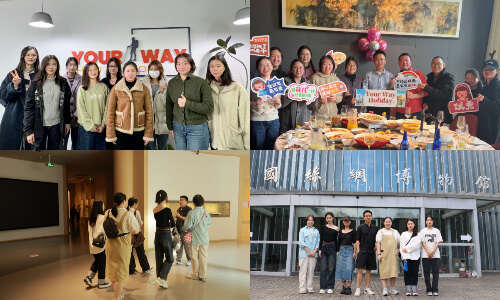
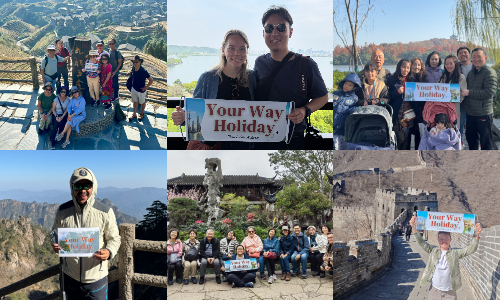
Discover it through the eyes of our exceptional local guides. All certified and experienced, they are passionate about sharing their deep knowledge of attractions, history, and culture. Whether you're interested in hidden gems or popular sites, they know the best places to visit. They can recommend top local restaurants, unique shopping spots, and must-see shows. Beyond just guiding, they provide enriching insights into the history, customs, and authentic daily life, making your experience truly immersive.
Premium Private Transportation
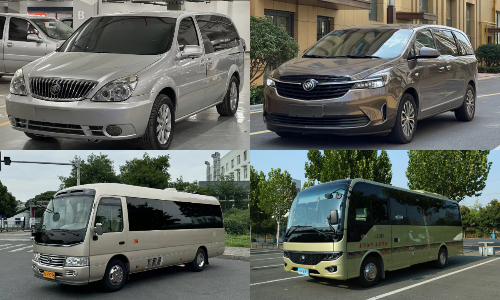
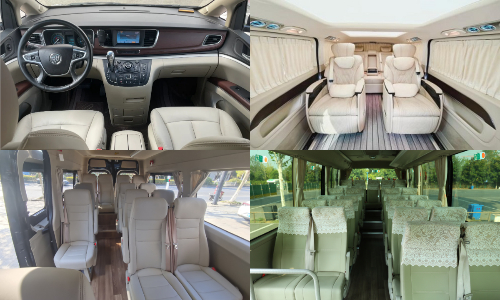
Travel in comfort and style with our premium private transportation. We offer a fleet of air-conditioned, non-smoking, clean, and meticulously maintained vehicles, all less than four years old. Our professional drivers, all locals with over a decade of driving experience, are friendly, courteous, and dedicated to your safety and comfort. Depending on your group's size, we provide a range of vehicles, including sedans, SUVs, business vans (MPVs), and spacious buses, all with ample luggage space.
Authentic Dining Experiences
We prioritize genuine local culinary experiences over pre-arranged tourist restaurants. Our local guides will recommend the best local restaurants where you can savor authentic flavors. This approach ensures you enjoy the freshest, most authentic meals, tailored to your preferences, and experience the true essence of the local cuisine. Whether your dietary needs are vegetarian, Muslim, Chinese, Western, Jewish, or Indian, we have excellent options to make every meal a delightful part of your journey.
Duration:6-8 Hours
Attractions(Cities): Chengdu Panda Research Base, People's Park, Jinli Ancient Street, Kuanzhai Alley
Tour Style:One day, one private car, and an English-speaking local guide who has already booked every ticket on the list. Mornings start early at the Chengdu Research Base of Giant Panda Breeding so you catch the pandas while they are still active; after that, the pace slows to a hillside teahouse in Renmin Park, gaiwan jasmine tea in hand. Between the two you walk Jinli's lantern-lit lane and finish in Kuanzhai Alley, where restored Qing courtyards now sit alongside small shops and tea rooms. Pick-up and drop-off match your schedule — a Chengdu hotel, a train station, or the airport.
Duration:8 Hours
Attractions(Cities):Chengdu Giant Panda Research Base, Leshan Giant Buddha
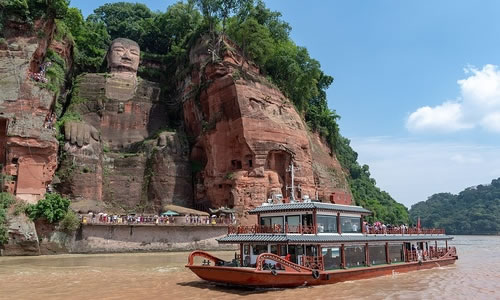
Tour Style:Two UNESCO-listed sights on one private day out of Chengdu. The morning starts at the Chengdu Research Base of Giant Panda Breeding while the animals are still active in the cool hours, then the driver takes you south along the expressway to Leshan, where a 71-metre stone Buddha carved between 713 and 803 AD still stands at the junction of three rivers. Walk the Nine Bends Plank Road, take the river boat, or do both. English-speaking local guide, private air-conditioned car with an experienced driver, Panda Base and Leshan tickets included, hotel, train station, or airport pick-up.
Duration:2 Days, 1 Night
Attractions(Cities):Chengdu Panda Base, Renmin Park, Wuhou Temple, Jinli Street, Wenshu Monastery, Chengdu Museum, Tianfu Square
Tour Style:This two-day private tour moves between the old and new faces of Chengdu at your own pace. Day 1 starts at the Chengdu Research Base of Giant Panda Breeding in the morning, when the pandas are feeding, then takes in the teahouse scene at Renmin Park, the Three Kingdoms shrines of Wuhou Temple, and the snack stalls and craft shops of Jinli Ancient Street. Day 2 covers the Buddhist halls of Wenshu Monastery, the collections of the Chengdu Museum, and the modern plaza at Tianfu Square. A private car and an English-speaking guide carry you between all of them, with pickup from your hotel, train station, or the airport, and the daily order flexes if you want longer at the panda base or a slower teahouse stop. Lunch is left open so your guide can point you to local kitchens rather than tourist menus.
Duration:8-9 Hours
Attractions(Cities):Dujiangyan, Qingcheng Mountain
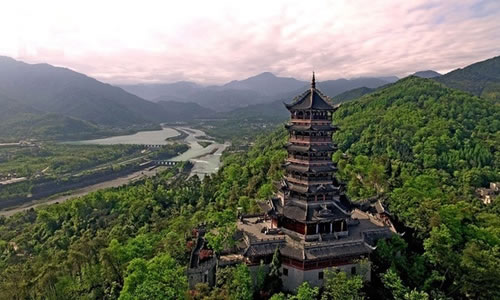
Tour Style:This day trip pairs two UNESCO-listed sights west of Chengdu: the Dujiangyan Irrigation System and Qingcheng Mountain. A private car and driver collect you from your hotel, train station, or the airport and stop first at Dujiangyan, where an English-speaking guide walks you through the 256 BC waterworks that Li Bing and his son built without a dam, still carrying Min River water onto the Chengdu plain after more than 2,000 years. You see the Fish Mouth levee, Flying Sand Reef, and Bottle Neck channel up close. After lunch you drive to Qingcheng Mountain, a founding site of Taoism, and take the cable car and stone paths past the front-mountain temples. Lunch is left out on purpose so your guide can point you to a local Sichuan kitchen; pace, photo stops, and vegetarian or lighter requests are easy to adjust on a private tour.
Duration:3 Days 2 Nights
Attractions(Cities):Leshan Giant Buddha, Mount Emei, Chengdu Research Base of Giant Panda Breeding, Renmin Park, Jinli Ancient Street, Kuanzhai Alley
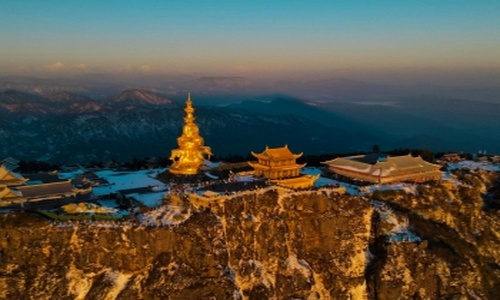
Tour Style:This three-day private tour pairs Chengdu with two mountain and heritage sights. Day one covers the Giant Panda Breeding Research Base in the morning, then Renmin Park teahouse, Jinli Ancient Street, and Kuanzhai Alley. Day two drives about two hours to the 71-metre Leshan Giant Buddha, seen from the cliff path or a Dadu River boat, then on to an overnight at the foot of Mount Emei. Day three rises by eco-bus and cable car to the Golden Summit at 3,077 metres and the old temples before the return to Chengdu. A private car, driver, and English-speaking guide handle tickets and transfers, and pick-up and drop-off run from your Chengdu hotel, station, or airport.
Wechat: YourWayHolidayAsia
24 Hours Hotline:
+8613735411378
(Your Privacy is Protected)
1 to 1 tailor-made service from our professional travel advisors for the most sophisticated
Constantly excellent reviews for attraction, hotel and service Competitive price
Local experts provide quality tours Best selected knowledgeable local guides Authentic local restaurants
7*24 hours available to create you a worry-free tour. No Hidden Fees and absolutely no pressure to buy. Secured