Your Way Holiday’s Curated Guide to the Oriental Buddha Capital Leshan & Unmissable Travel Experiences

24 Hours Hotline: +8613735411378
Email:[email protected]
24 Hours Hotline: +8613735411378
Email:[email protected]
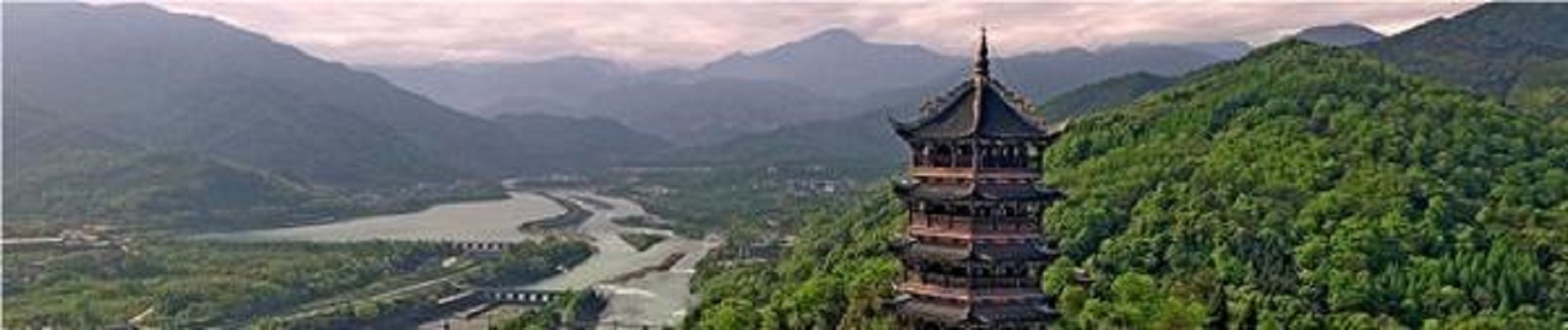
Oriental Buddha Capital Leshan is one of China’s most sacred and serene spiritual destinations, located beside the famous Leshan Giant Buddha. This hidden wonderland invites visitors to step into a world of Buddhist culture and natural beauty. It’s a peaceful retreat that combines ancient spiritual heritage with breathtaking landscapes. In this guide, we’ll take you through the major highlights of this sacred site, offer tips for your visit, and introduce you to the best experiences you can have at Oriental Buddha Capital.
Step Into the Heart of Chengdu: Explore the City with Our Curated Tours!
Experience Chengdu’s unique blend of ancient traditions and modern vibrance.
Our bespoke tours offer a fresh perspective of the city, from the tranquil beauty of its temples to the bustling energy of its food streets. Whether you're a culture enthusiast or an adventurous foodie, we ensure your time in Chengdu is full of meaningful experiences. Discover the city’s heritage, taste the rich flavors, and explore hidden gems—your adventure starts here.
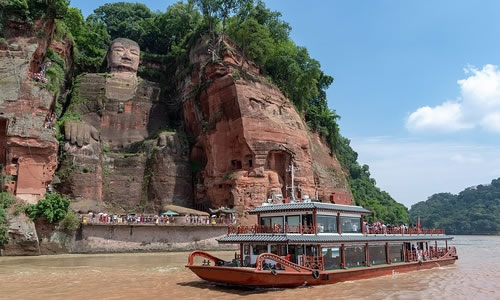 Chengdu Panda Base & Leshan Giant Buddha Day Tour
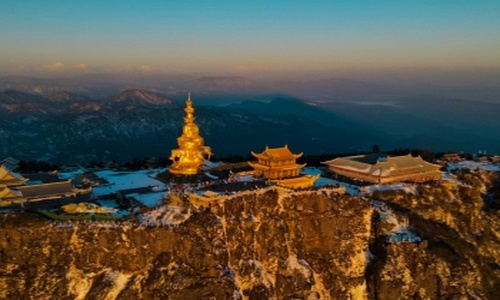 3 Days Chengdu Tour with Leshan Giant Buddha & Mount Emei
Introduction
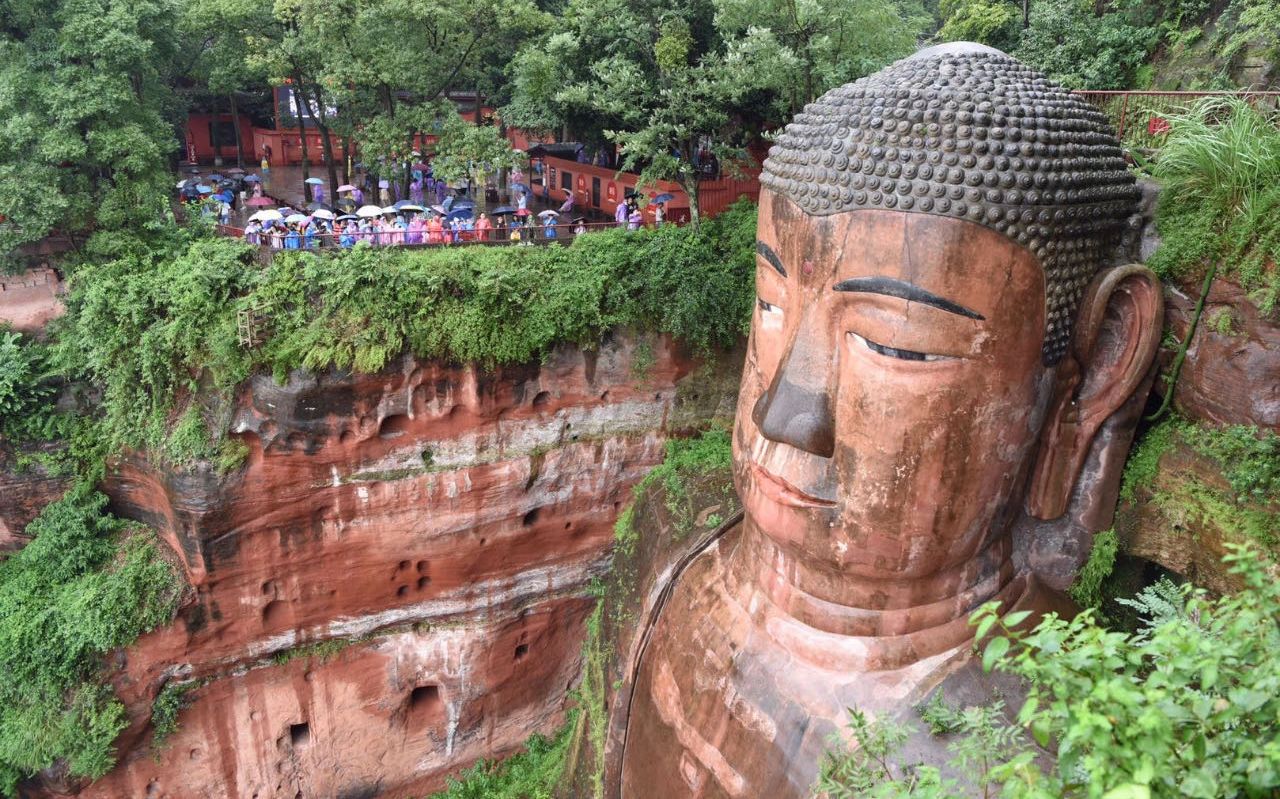
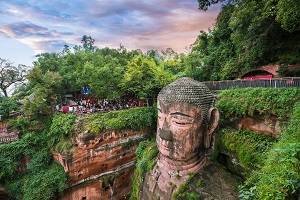
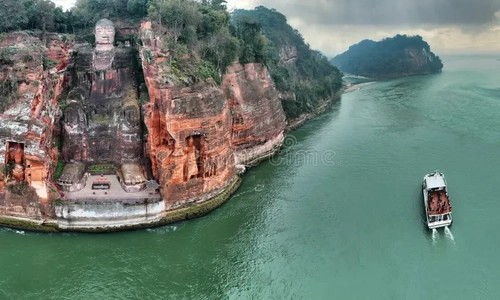
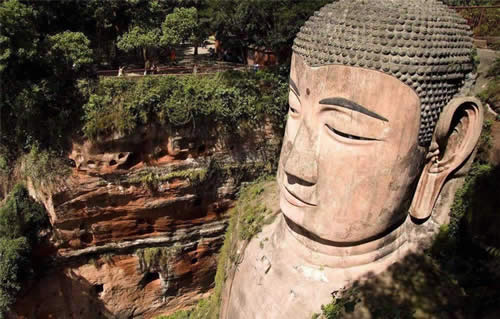
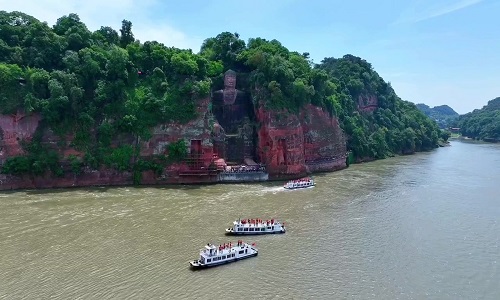
The Leshan Giant Buddha, a UNESCO World Heritage site, is one of China’s most iconic landmarks and the largest stone Buddha statue in the world. Standing at 71 meters tall, this monumental sculpture was carved into the cliff face of Mount Lingyun during the Tang Dynasty (618–907 AD). The Buddha gazes serenely down at the confluence of the Min, Dadu, and Qingyi rivers, offering a sense of peace and protection to the surrounding landscape. The Leshan Giant Buddha is not only a remarkable feat of engineering and artistry but also a deeply spiritual symbol of Buddhism. Visitors from around the world come to admire its grandeur and the breathtaking views of the surrounding area.
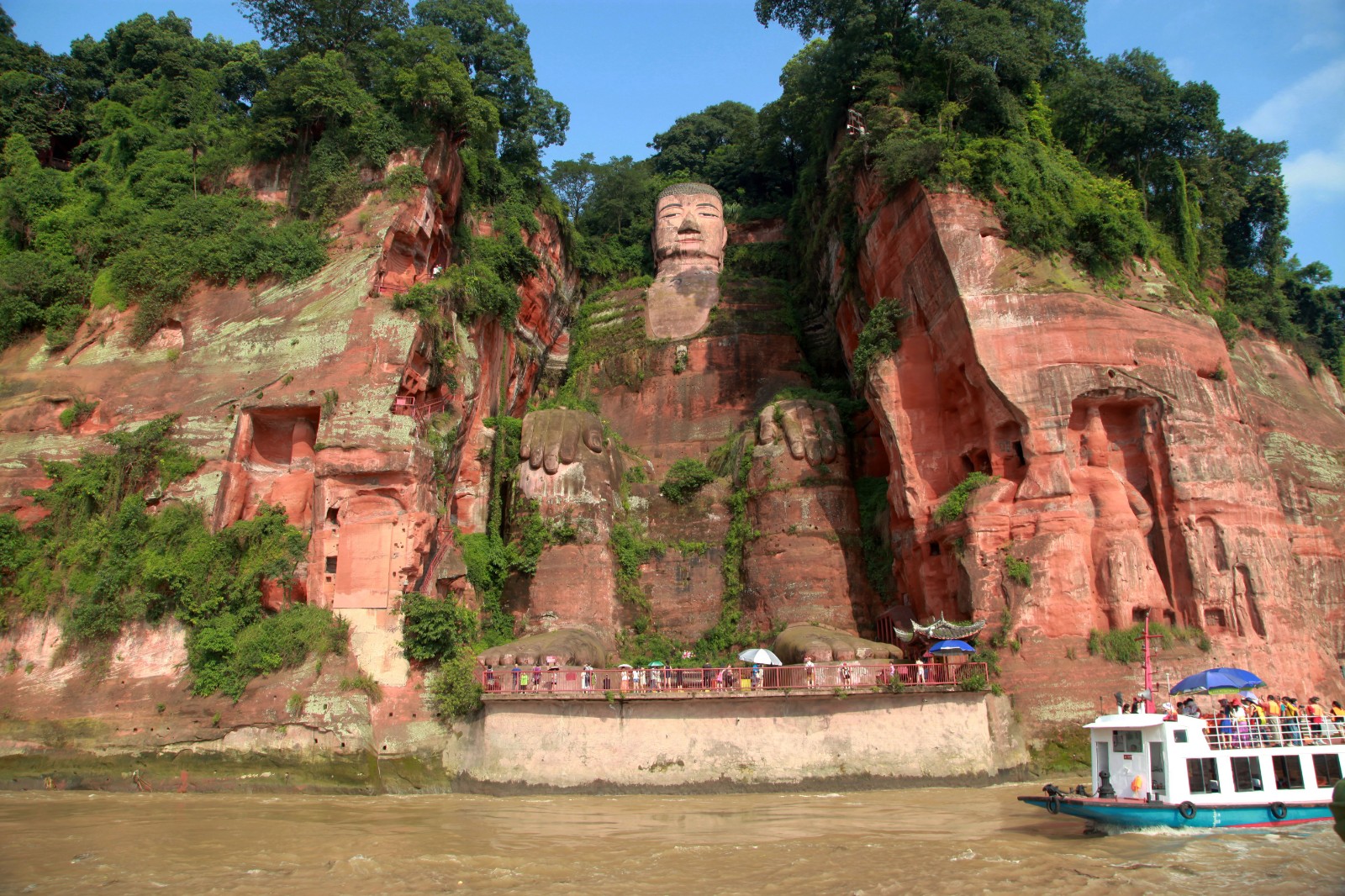
* Recommended Tour Routes for Leshan Giant Buddha
· Land Tour Route: Stone Carved Mountain Gate - Longqiu - Zai Jiu Pavilion - Leshan Giant Buddha - Lingyun Cliff Path - Lingyun Temple - Lingbao Tower - Mo Ruo Hall - Yuexia Pavilion - Dongpo Tower - Stele Forest - Buddha Kingdom Paradise - Bi Jin Tower - Maho Fishing Village - Maho Cliff Tomb Museum - Wuyou Mountain - Wuyou Temple - Oriental Buddha Capital
· Water Tour Route: Dock - Guanfo Tower - Giant Reclining Buddha - Jiulong Beach - Three Rivers Confluence - Lingyun Mountain - Leshan Giant Buddha - Bi Jin Tower - Maho - Wuyou Mountain (Middle Pillar) - Fengzhou Island - Dock
· Water and Land Circular Tour Route: Dock - Giant Reclining Buddha - Jiulong Beach - Three Rivers Confluence - Lingyun Mountain - Leshan Giant Buddha - Wuyou Mountain (Middle Pillar) - Wuyou Temple - Maho Cliff Tomb Museum - Maho Fishing Village - Buddha Kingdom Paradise - Stele Forest - Lingyun Cliff Path - Leshan Giant Buddha - Lingyun Temple - Lingbao Tower - Oriental Buddha Capital
Oriental Buddha Capital is located just behind the Leshan Giant Buddha, nestled in the tranquil hills of Mount Lingyun. While the Leshan Giant Buddha is undoubtedly the focal point of the area, Oriental Buddha Capital offers a quieter, more introspective experience. It is recommended to first visit the Leshan Giant Buddha to fully appreciate its awe-inspiring scale and historical significance, then make your way to Oriental Buddha Capital for a more peaceful and spiritual journey. The transition from the colossal Buddha statue to the serene atmosphere of Oriental Buddha Capital provides visitors with a deeper connection to the spiritual heritage of this sacred region.
Address: 362 Lingyun Road, Shizhong District, Leshan City, Sichuan, China
Phone: +86-833-2301177
What is Oriental Buddha Capital?
Oriental Buddha Capital is a spiritual complex that holds profound religious and historical significance in the heart of Leshan. It is home to stunning Buddhist statues, temples, and carvings that date back centuries. The complex was created as part of China’s cultural preservation efforts, ensuring that the Buddhist heritage of the region remains intact for future generations. The site is often visited by spiritual seekers who wish to connect with the peaceful energy of Buddhism, meditate in tranquil settings, and experience the rich cultural tapestry of the area.
· Geographic & Cultural Link: It’s only 2 kilometers from Leshan Giant Buddha, forming a "Buddhist Culture Corridor" with the world-famous relic, connected by convenient transport like shuttles and taxis.
· Core Positioning: More than a scenic park, it’s a "living Buddhist art museum" integrating three elements—over 10,000 Buddha statues (spanning dynasties), religious practices (meditation, chanting), and natural scenery (lush hills, winding trails).
· Key Attractions: Highlights include Ten Thousand Buddhas Cave (cliffside carvings), Buddha Kingdom Zen Courtyard (serene meditation spaces), Giant Buddha Companion Statues Area (complementary to Leshan Giant Buddha), and a Buddhist Culture Corridor (exhibits and interactive displays).
· Immersive Experiences: It offers hands-on cultural activities like scripture copying, mandala painting, incense offering, and morning chant sessions with resident monks.
The History of Oriental Buddha Capital
1. Conception Background (1980s)
· It emerged from a collaborative vision of Buddhist scholars, traditional artisans, and architects. They aimed to create a complementary space to the Leshan Giant Buddha—a UNESCO World Heritage Site—addressing the need for a more immersive Buddhist cultural experience beyond the iconic giant statue.
· The core idea was to build a "living Buddhist art museum" that integrates ancient craftsmanship with contemporary accessibility, making Buddhist art and philosophy approachable to the public.
2. Construction Phase (1989–2001)
· Groundbreaking began in 1989 in Shizhong District, Leshan, chosen for its proximity to the Leshan Giant Buddha (just 2 km away) and its natural mountainous setting that harmonizes with Buddhist aesthetics.
· Over a decade of construction, master craftsmen revived Tang and Song Dynasty stone-carving techniques to create over 10,000 Buddha statues. The project emphasized cultural authenticity—from statue styles to temple architecture—while incorporating modern design for visitor comfort (e.g., barrier-free paths, lighting for cultural relic protection).
3. Post-Opening Development (2001–Present)
· Officially opened to the public in 2001, it initially focused on core attractions like Ten Thousand Buddhas Cave and Buddha Kingdom Zen Courtyard.
· In subsequent years, it expanded to include immersive experiences (meditation sessions, art workshops) and cultural facilities (Buddhist Culture Corridor, exhibition halls) to enrich the visitor experience.
· It has evolved into a key part of Leshan’s "Buddhist Culture Corridor," working with the Leshan Giant Buddha to promote Sichuan’s Buddhist heritage globally.
Characteristics of the Buddha Capital
1. Rock Carvings
Rock carvings are a unique art form where Buddha statues are carved directly into natural cliff faces. This technique is highly challenging because any mistake during the process could destroy the entire statue, and the cliff itself would be irreparably damaged. However, thanks to the joint efforts of professors from the Sculpture Department of Sichuan Fine Arts Institute and skilled stonemasons, dozens of rock carvings have been successfully created at Oriental Buddha Capital. This art form, which flourished during the Tang and Song dynasties, had nearly been lost for 200 years during the Ming and Qing dynasties, but has now been revived at Oriental Buddha Capital. The Buddhist art project here reflects both the craftsmanship and creativity of the artisans. It blends Eastern sculptural techniques with Western artistic experience and merges traditional elements (such as Buddhist scripture stories and clothing) with modern design elements (including background and narrative designs, compositional principles, and the undulating characteristics of relief sculpture). Centered around Buddhist scriptures, the art integrates various influences from different eras and cultures, achieving a balance between tradition and innovation in ancient Buddhist sculpture art.
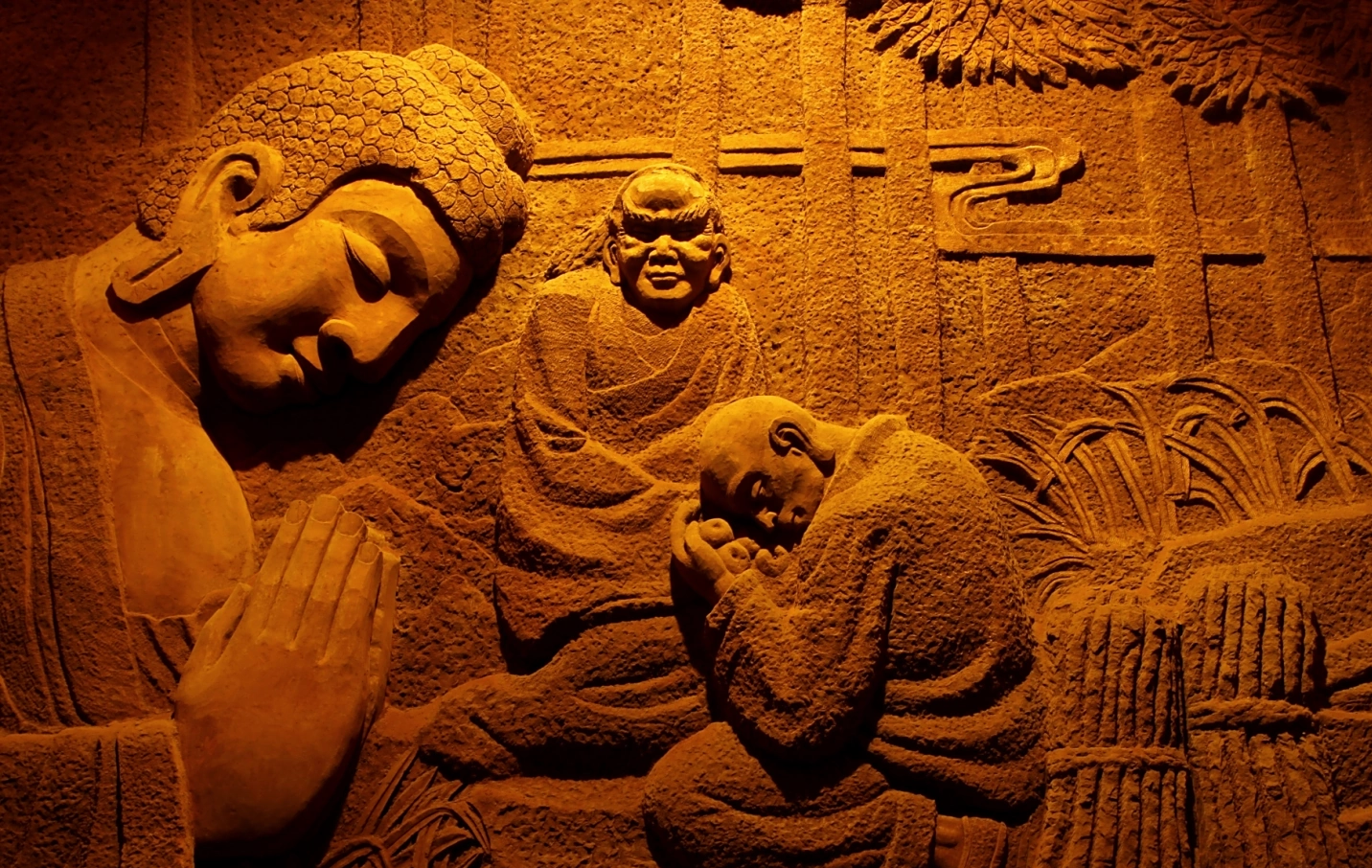
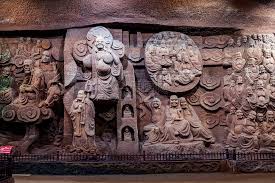
2. Sculpture Art
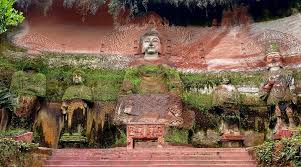
Oriental Buddha Capital breaks away from traditional sculptural forms while preserving the traditional philosophical content. Much like the Renaissance artist Michelangelo, who preserved the humanist spirit of ancient Greece in his works, the creation of sculptures here combines tradition with innovation. By incorporating Western sculptural methods and experiences, the artists at Oriental Buddha Capital have created grand, timeless Buddha statues that transcend time and space. If sculptural art can be seen as a representation of frozen history, the great project at Oriental Buddha Capital is a monumental achievement that solidifies culture into the spiritual wealth of history and opens a magnificent vision for future societal development.
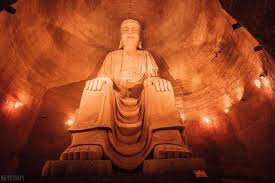
3. Underground Palace
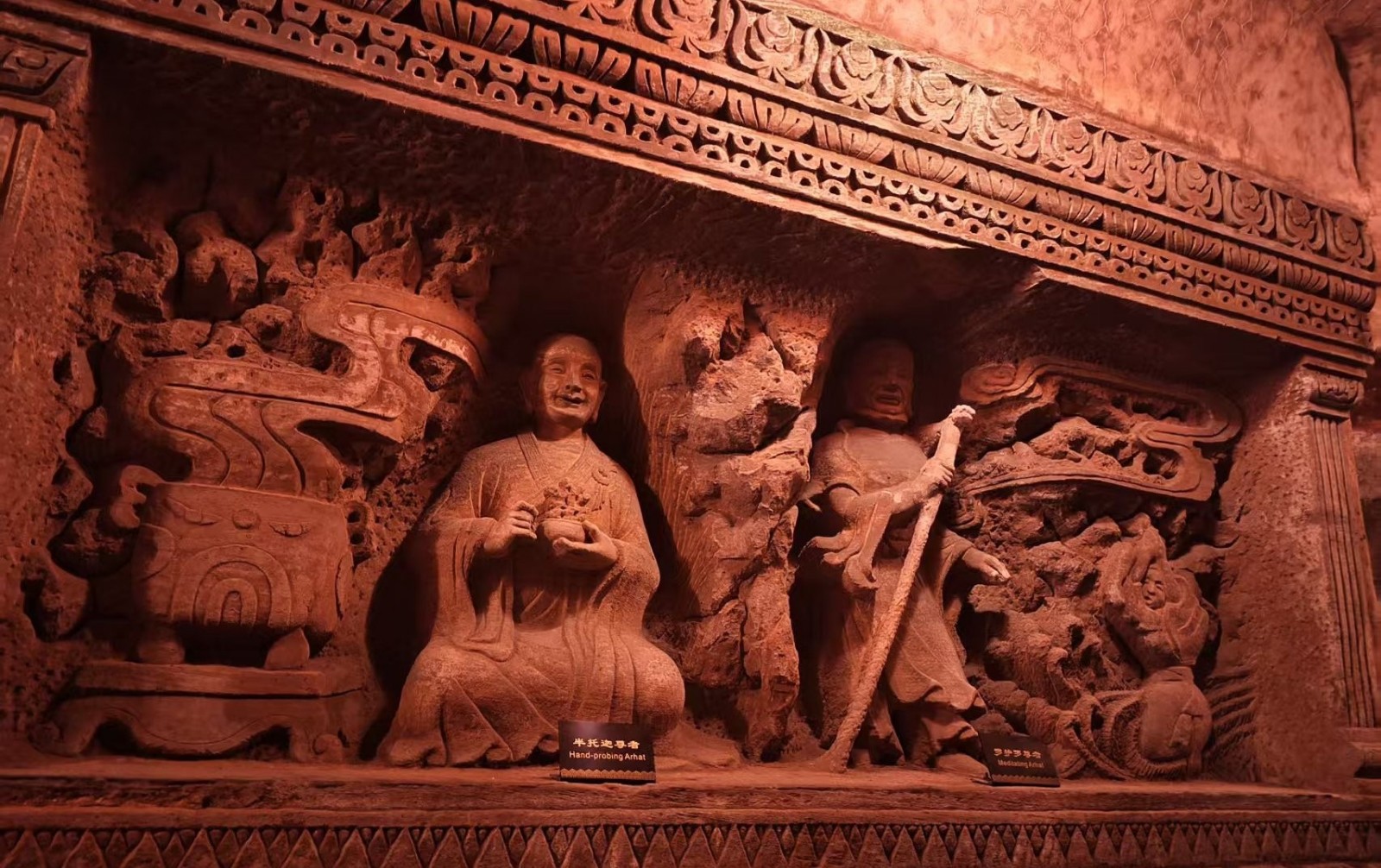
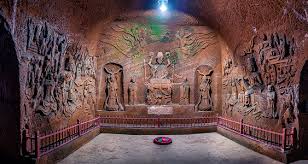
The underground palace is a Buddhist art space that exudes a mystical atmosphere, with swirling mist and a grand, otherworldly ambiance, as if stepping into an immortal realm. It is one of the most important attractions of Oriental Buddha Capital, showcasing works by many famous sculptors. In the vast and intricate Buddhist art project within the cave, the sculptors blend their knowledge of ancient Chinese carving techniques with Western anatomical principles, focusing on Buddhist stories and cultural thoughts. This fusion leads to the creation of massive, numerous, and highly detailed religious sculptures. The project is comparable to Michelangelo’s Renaissance works, which reinterpreted and created Christian cultural representations. If sculptural art is the representation of frozen history, then what is created at Oriental Buddha Capital is a grand project that solidifies culture into the spiritual heritage of history, laying the foundation for a bright vision of future societal development.
4. Gardens
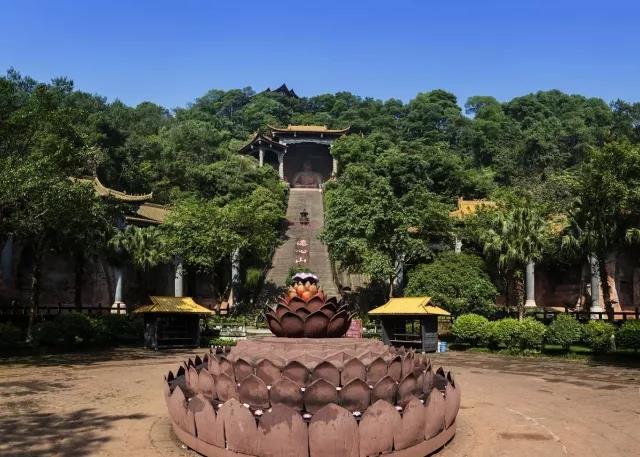
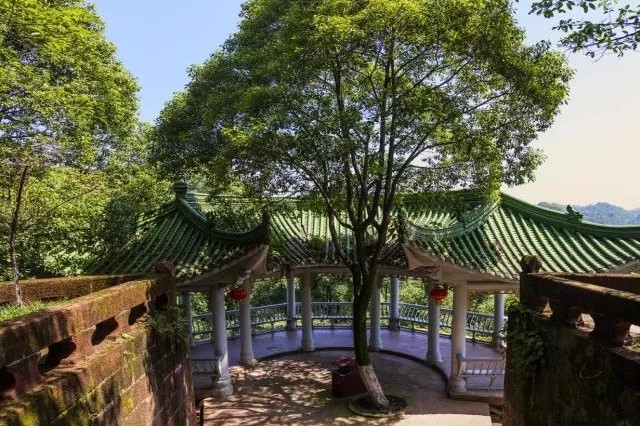
The Buddha Capital is surrounded by lush forests, creating a vibrant and wild atmosphere with an ancient and pristine natural charm. The designers have utilized and modified the natural landscape, integrating plantings with the Buddha statues to form a harmonious environment for visitors to enjoy and relax. This seamless blending of nature with art creates a scenic area that offers both aesthetic appreciation and peaceful respite.
Chengdu’s Best-Kept Secrets: Exclusive Tours for a Unique Experience!
Dive deep into Chengdu’s hidden wonders!
From the ancient Dujiangyan Irrigation System to secret spots favored by locals, our tours take you to places few tourists ever get to see. Whether you're discovering serene parks, visiting local workshops, or savoring off-the-beaten-path delicacies, these tours offer an authentic Chengdu experience. Perfect for those looking to explore beyond the usual tourist spots, let us guide you to the heart of this fascinating city.
 2-Day Chengdu Tour: City Tour with Panda Base and Leshan Giant Buddha
 Full Day Chengdu Tour with Leshan Giant Buddha, Hot Pot & Sichuan Opera
Key Attractions in Oriental Buddha Capital
1. Ten Thousand Buddhas Cave (Wanfo Cave)
As the crown jewel of Oriental Buddha Capital, Ten Thousand Buddhas Cave is a 500-meter-long cliffside cave adorned with over 10,000 Buddha statues. Carved by master craftsmen using traditional techniques passed down from the Tang and Song dynasties, each statue is unique—ranging from 10-centimeter-tall miniature Buddhas to 30-meter-high giant sculptures. The cave’s interior is lit by soft, warm lights that highlight the intricate details of the carvings: flowing robes, serene facial expressions, and symbolic hand gestures (mudras) that convey different Buddhist teachings. Don’t miss the central Sakyamuni Buddha statue, which stands 28 meters tall and is carved directly into the cave wall—its eyes seemingly following visitors as they walk by. Also worth noting are the “Eighteen Arhats” statues lining the cave’s corridor, each with distinct personalities and postures, and the “Thousand-Armed Guanyin” sculpture, whose delicate arms are carved with incredible precision.
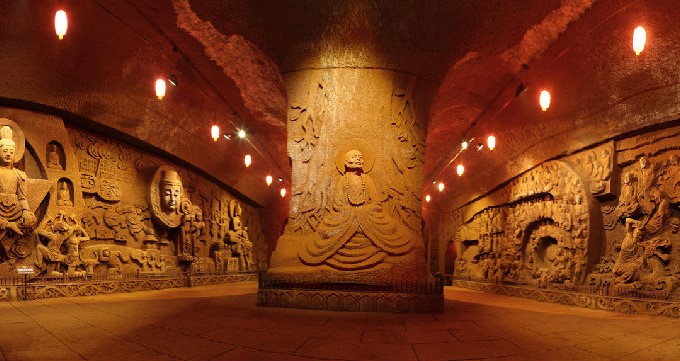
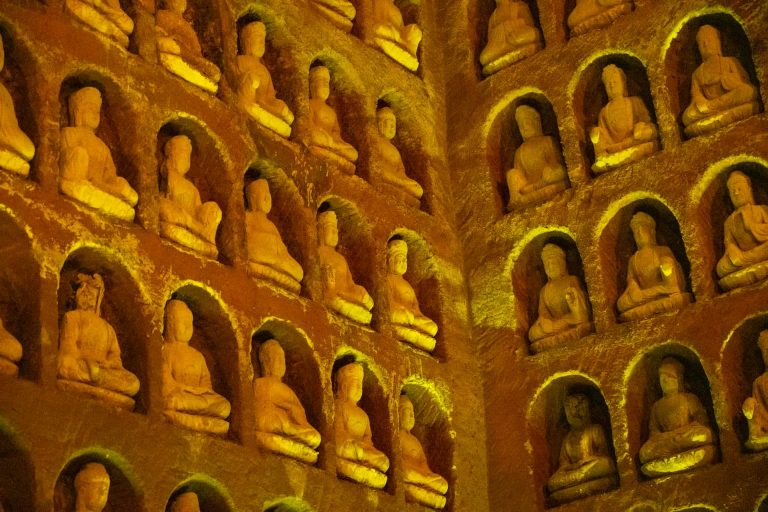
· Feature: Thousands of exquisitely carved Buddha statues in different postures, spanning multiple dynasties’ artistic styles.
· Highlight: Signature statues (e.g., Sakyamuni Buddha, Guanyin Bodhisattva) and their cultural connotations.
· Best Visiting Time: 8:00 – 10:00 AM (fewer crowds, soft morning light enhances statue details) or 3:00 – 5:00 PM (warm golden light adds a serene vibe).
· Photography Tips: Use a wide-angle lens to capture the cave’s scale; avoid flash (preserves artifacts) and shoot from low angles to emphasize statue grandeur.
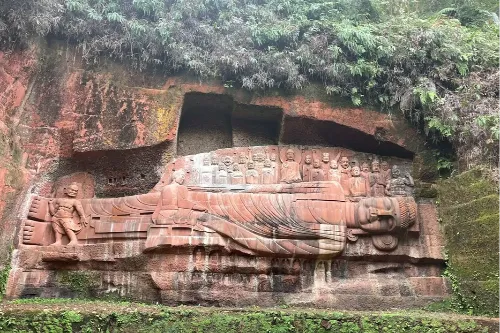
2. Oriental Reclining Buddha (Dongfang Wofo)
The Oriental Reclining Buddha at Oriental Buddha Capital is one of the most awe-inspiring and tranquil sights in the region. Unlike traditional standing or seated Buddha statues, the reclining posture represents the Buddha's final moment of earthly existence and his ultimate peace after attaining enlightenment. As one of the largest reclining Buddha statues in China, it stands as a symbol of spiritual serenity, attracting both pilgrims and tourists alike who come to pay respects and seek inner peace. The sheer scale and peaceful aura of the statue make it a central point of spiritual and cultural significance within the Oriental Buddha Capital complex.
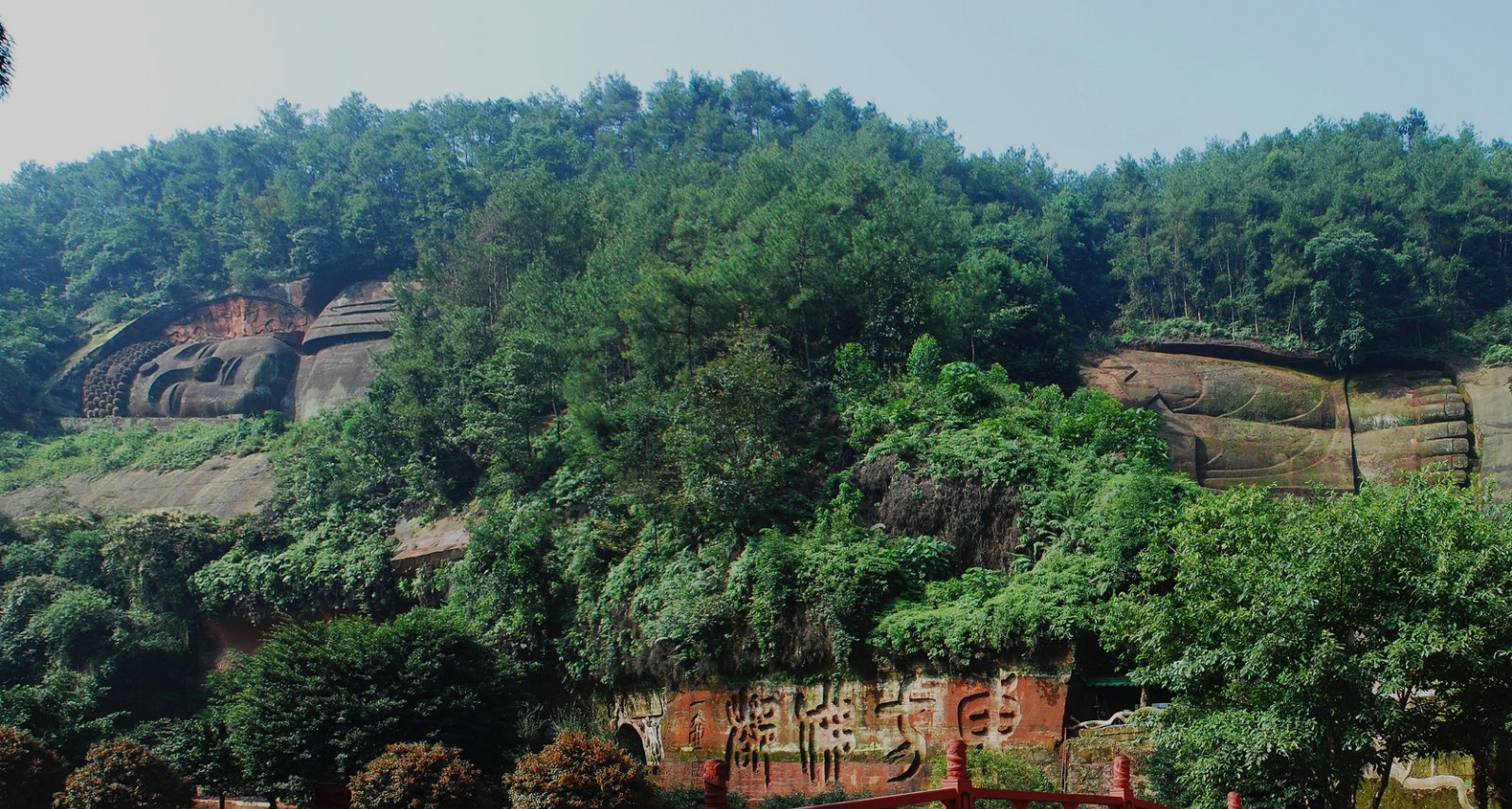

· Feature: A 170-meter-long giant reclining Buddha, modeled after the 23-meter-long Dazu Rock Carvings. It follows the natural contour of the mountain—with the head carved at the southern end, feet at the northern end, and natural mountain vegetation in between, resembling a green quilt covering the serene Sakyamuni Buddha in nirvana.
· Highlight: Impressive dimensions (24-meter-long head, 32.7-meter-wide head, 4.5-meter-wide mouth, 115 hair buns each 1 meter in diameter, 10.2-meter-wide instep) and the "two dragons playing with a pearl" carving above the head. The Buddha’s eyes are half-closed, with a peaceful expression, lying sideways to inspire contemplation.
· Best Visiting Time: 7:30 – 9:00 AM (misty mountain backdrop enhances spirituality) or 4:00 – 6:00 PM (golden hour softens the stone texture, avoiding overexposure).
· Photography Tips: Use a wide-angle or ultra-wide lens to capture the full 170-meter length; shoot from the eastern hillside viewpoint for the "green quilt" effect. For close-ups, focus on the Buddha’s eyes and the "two dragons playing with a pearl"—use a telephoto lens to highlight details without distortion.
3. Demon-Subduing Pool (Xiangyao Chi)
The Demon-Subduing Pool, located within the serene grounds of Oriental Buddha Capital, is a unique and mystical feature of the site. Steeped in local legend and Buddhist symbolism, the pool is believed to possess protective qualities, guarding the sacred space from evil spirits and negative energy. According to ancient folklore, the pool was created by Buddhist monks to ward off malevolent forces and ensure the purity and peace of the spiritual environment.
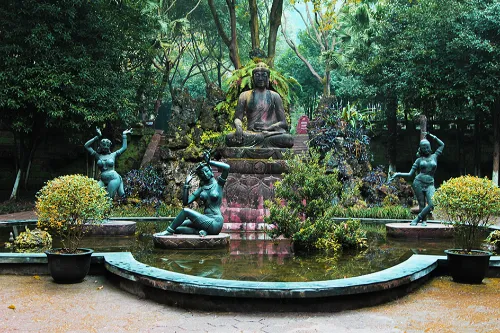

· Feature: Also known as "Buddha Subduing Demonesses," it depicts a scene from Sakyamuni’s path to enlightenment. While meditating under the Bodhi tree, the devil king sent three jade maidens (who transformed into 500 beauties with endless variations) to seduce him with charming gestures and entertainment. Sakyamuni remained unshaken, embodying the "four great voids" (no form, feeling, perception, volition).
· Highlight: Sculpted by Liu Kaiqu—a master known as the "father of Chinese sculpture," who created statues of Sun Yat-sen and Chiang Kai-shek, and led the reliefs on Beijing’s Monument to the People’s Heroes (appointed by Premier Zhou Enlai). This work, completed shortly before his death, was praised by Zhao Puchu as his "final solemnity."
· Best Visiting Time: 10:00 AM – 12:00 PM (natural light streams through the pool’s skylights, illuminating statue expressions) or 2:00 – 4:00 PM (fewer visitors, ideal for observing delicate carvings).
· Photography Tips: Shoot at eye level with the statues to capture their facial expressions (e.g., the maidens’ charming gestures vs. Sakyamuni’s calm). Avoid flash—use a high ISO setting or a tripod to preserve the pool’s serene atmosphere. Focus on the contrast between the dynamic poses of the demonesses and the static dignity of Sakyamuni.
4. Giant Buddha Bay (Dafo Wan)
As one of the core attractions of Oriental Buddha Capital Leshan, Giant Buddha Bay is rooted in the ancient architectural philosophy of "carving Buddhas along the mountain and integrating with nature." Surrounded by peaks on three sides, it boasts a staggered terrain that preserves the traditional wisdom of ancient Buddha-carving while gathering the essence of thousands of years of Buddhist culture. It is a sacred place that combines the grandeur of nature with the solemnity of humanity. Stepping into it, you can not only feel the harmonious coexistence of the mountain and architecture but also find inner peace amid historical relics and human wishes.
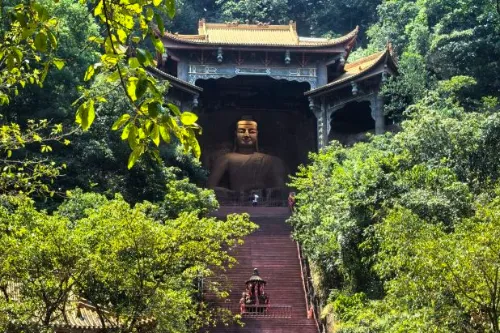
· Feature: Looking up from the front, the three-tiered halls are vertically arranged like a solemn dragon throne, echoing the terrain surrounded by mountains on three sides, presenting the magnificent aura of a Buddhist sacred site. The Buddha statues here span from the Northern Wei Dynasty to the Song Dynasty, covering the Buddhist art styles of multiple dynasties and completely recording the development context of Chinese Buddhist culture.
· Highlight: Sculpted by Liu Kaiqu—a master known as the "father of Chinese sculpture," who created statues of Sun Yat-sen and Chiang Kai-shek, and led the reliefs on Beijing’s Monument to the People’s Heroes (appointed by Premier Zhou Enlai). This work, completed shortly before his death, was praised by Zhao Puchu as his "final solemnity." The grandeur of the natural mountain, the solemnity of the thousand-year-old Buddha statues, and the warm atmosphere of human prayers blend together, creating a unique experience that combines a sense of history and warmth.
· Best Visiting Time: 8:30 – 10:30 AM (cool temperature for climbing steps, fewer crowds on Lianxin Mountain) or 3:00 – 5:00 PM (sunlight slants to highlight the "dragon throne" hall structure).
· Photography Tips: For Lianxin Mountain, shoot from the bottom of the steps using a vertical composition to emphasize the 173-step grandeur; capture close-ups of the lucky locks with sunlight reflecting off their surfaces. For the three-tiered halls, use an upward angle to highlight the "dragon throne" shape; frame with surrounding peaks to enhance the mountain-integrated design.
5. Medicine Buddha Cave
Passing through the underground palace, the Medicine Buddha Cave opens up before you. Inside, a towering 51-meter-high statue of Medicine Buddha is enshrined, with intricate folds of his robes and a compassionate, serene expression. Medicine Buddha is the lord of the Eastern Lapis Lazuli World, and according to legend, he possesses the power to heal illnesses and alleviate the suffering of all beings. The lighting design inside the cave is unique, with warm-toned lights casting down from above, creating a solemn and dignified atmosphere.
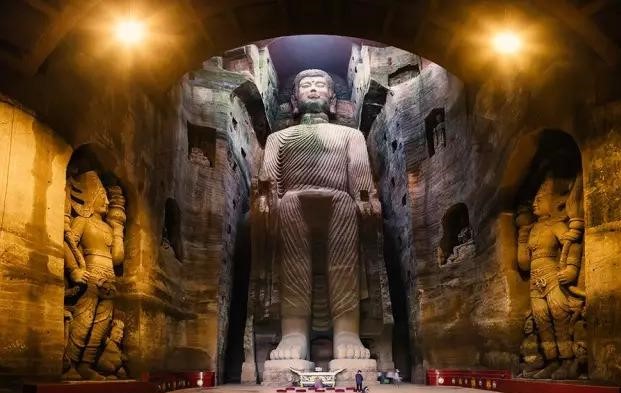
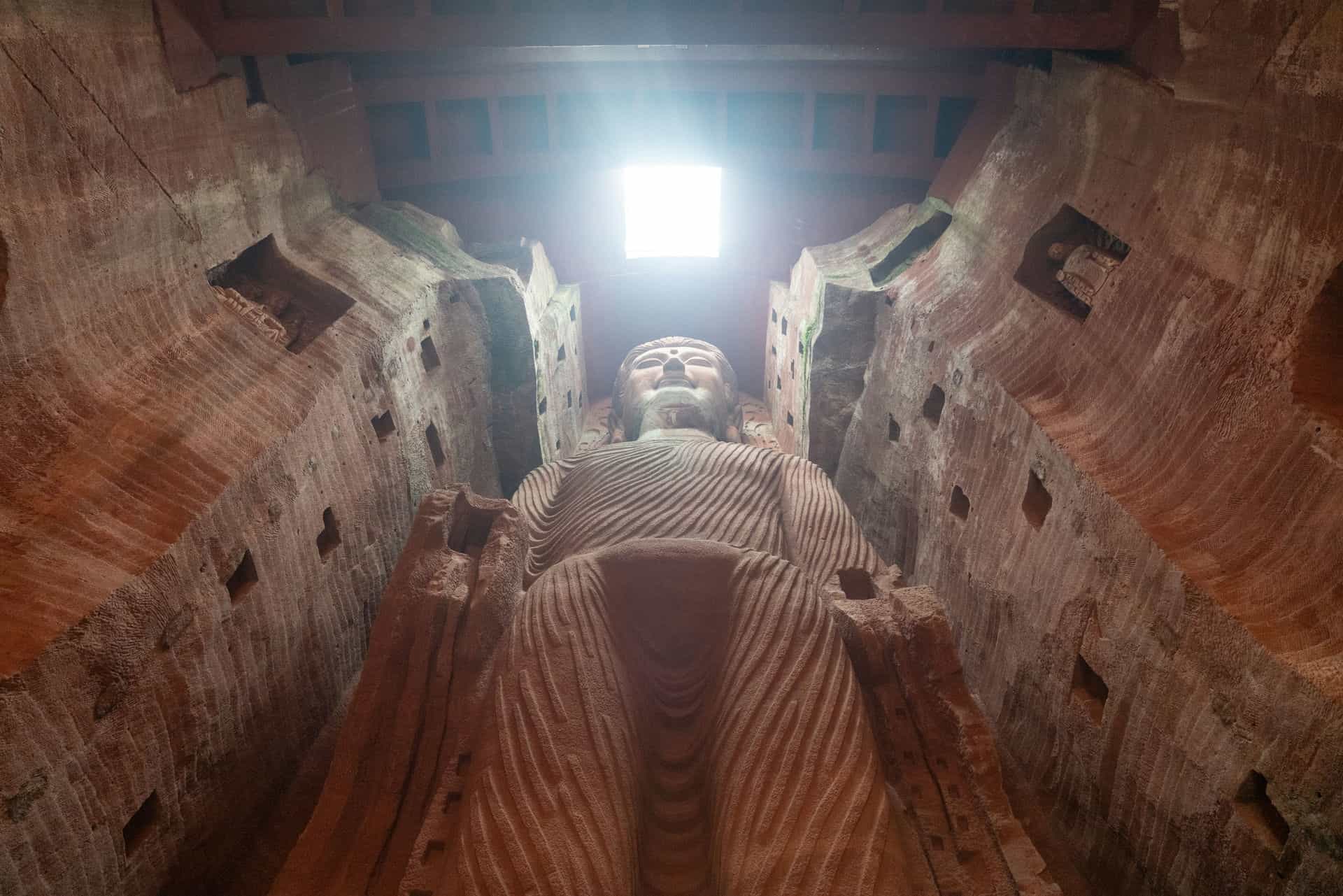
· Feature: Inherits the Buddhist theme of "blessing peace and health" from Leshan Giant Buddha, focusing on the Medicine Buddha’s cultural connotation of "healing and protecting all beings," forming a complementary spiritual experience of "grandeur + blessing."
· Highlight: A 51-meter-tall seated Medicine Buddha statue as the centerpiece, with intricate carvings of medicinal herbs and auspicious patterns on the cave walls; a dedicated prayer area for health blessings, popular among visitors seeking wellness.
· Best Visiting Time: 10:00 – 12:00 AM (soft natural light penetrates the cave, highlighting statue details) or 2:00 – 4:00 PM (fewer crowds, ideal for quiet prayer and observation).
· Photography Tips: Shoot the Medicine Buddha statue from a slightly lower angle to emphasize its dignity; capture close-ups of the medicinal herb carvings on the cave walls with natural light; avoid flash to preserve the cave’s serene atmosphere.
6. Maitreya Buddha
Exiting the Cave of Ten Thousand Buddhas, follow the winding path, and you will encounter a uniquely styled Maitreya Buddha. Standing about 20 meters tall, this Maitreya Buddha is sculpted using round carving techniques. Seated against the mountainside, his plump form is exposed with his chest and belly, radiating a welcoming and joyful smile. The Buddha’s large belly and infectious smile seem to encompass all the world’s troubles, filling visitors with a sense of happiness. Surrounding the statue are playful child figures, adding a lively touch to the scene. These figures symbolize Maitreya’s joyful embrace of all, bringing blessings to all beings, and infusing the solemn Buddha realm with a sense of warmth and earthly charm.
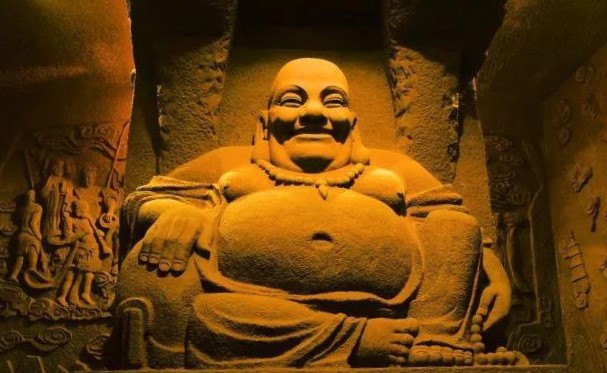
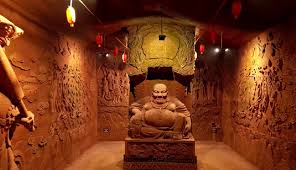
· Feature: Echoes the grandeur of Leshan Giant Buddha with a joyful and inclusive vibe, complementing the Giant Buddha’s solemnity with Maitreya’s "open-hearted joy," enriching Leshan’s Buddhist cultural experience.
· Highlight: A 12-meter-tall smiling Maitreya Buddha statue (with a round belly and broad grin) symbolizing tolerance and auspiciousness; the hall’s eaves adorned with colorful painted stories of Maitreya’s legends; a "touch the Buddha’s belly" tradition for good luck.
· Best Visiting Time: 9:30 – 11:30 AM (lively yet not crowded, perfect for experiencing the blessing tradition) or 3:00 – 5:00 PM (golden light shines through the hall’s windows, adding warmth to the statue).
· Photography Tips: Shoot the full-body Maitreya statue with a wide-angle lens to capture its joyful posture; take candid shots of visitors touching the Buddha’s belly for a lively vibe.
Best Time to Visit
The best time to visit Oriental Buddha Capital is during the spring and autumn months when the weather is mild, and the landscape is at its most vibrant. Spring (March to May) offers pleasant temperatures, with the natural surroundings bursting into bloom, creating a colorful and fragrant atmosphere. Autumn (September to November) is equally ideal, with clear skies and cooler temperatures, allowing visitors to explore comfortably without the summer heat.
These seasons not only provide the most comfortable climate but also offer the opportunity to experience the park's beauty at its peak. The fall foliage, with its golden hues, adds a magical touch to the already stunning landscapes. Additionally, these months tend to be less crowded, so visitors can enjoy a more peaceful, reflective experience.
Summer (June to August) can be quite hot and humid, especially in the afternoon, which might make exploring the outdoor attractions less enjoyable. However, it is a great time for those who enjoy the lively atmosphere, as this is when most tourists visit.
Winter (December to February) is the least popular time to visit due to the colder temperatures. However, for those who appreciate the tranquil, off-peak experience, the site can offer a unique and quiet atmosphere, though some outdoor areas might be less accessible due to snow or cold weather.
How to Get to Oriental Buddha Capital
1. Public Transport
· From Leshan City Center: Take bus 3, 13, or 302 from Leshan Railway Station or Leshan Bus Station to “Oriental Buddha Capital” stop. The journey takes 20-30 minutes, and the fare is 2 - 3 RMB.
· From Chengdu: Take a high-speed train from Chengdu East Railway Station to Leshan Railway Station (40 - 60 minutes, 50 - 80 RMB). From Leshan Railway Station, take bus 3 or 13 to Oriental Buddha Capital (20 minutes).
· From Leshan Airport: Take a taxi from Leshan Airport to Oriental Buddha Capital (30 minutes, 50 - 70 RMB) or take the airport shuttle bus to Leshan City center, then transfer to bus 3 or 13.
2. Self-Driving
· From Chengdu: Take the Chengdu-Leshan Expressway (about 1.5 hours). Exit at “Leshan East” and follow the signs to Oriental Buddha Capital. The park has a large parking lot with free parking for visitors.
· From Leshan City Center: Drive along Minjiang Road for about 10 minutes, then follow the signs to the park.
3. Airport/Train Station Transfers
· Leshan Airport to Oriental Buddha Capital: No direct bus, so taxi is the most convenient option. The fare is around 50-70 RMB, and the journey takes 30 minutes.
· Leshan Railway Station to Oriental Buddha Capital: Take bus 3 or 13 (20 minutes, 2 RMB) or a taxi (10 minutes, 15-20 RMB).
Things to Do at Oriental Buddha Capital
Oriental Buddha Capital offers a wide range of experiences for visitors, from spiritual practices to cultural exploration. Whether you're seeking inner peace, admiring the beauty of art, or simply immersing yourself in the natural landscape, in addition to visiting the core attractions, here are some exciting activities you won't want to miss when exploring this sacred site:
1. Meditate in the Temples
Oriental Buddha Capital is an ideal place for those seeking a peaceful escape from the hustle and bustle of everyday life. The temples scattered throughout the complex offer serene and quiet environments perfect for meditation and reflection. Take a moment to sit in one of these sacred spaces, close your eyes, and absorb the tranquil atmosphere. Many visitors find that spending time in these temples helps to clear the mind and promote spiritual well-being.
2. Admire the Magnificent Sculptures
The park is home to some of China’s most impressive Buddhist sculptures, including the towering statues of the Buddha, Maitreya, and Medicine Buddha. The craftsmanship on display is exceptional, with intricate details capturing the grace, serenity, and power of these spiritual figures. The rock carvings, reliefs, and smaller Buddha statues scattered throughout the park are also worth exploring.
3. Wander Through the Gardens
The gardens of Oriental Buddha Capital offer a peaceful retreat for visitors to stroll through, surrounded by lush greenery, blooming flowers, and peaceful pathways. The designers have carefully integrated the natural landscape with the Buddhist sculptures and temples, creating a harmonious environment that reflects the tranquility of the site. Whether you're looking to meditate, take in the beauty of the flora, or simply enjoy a quiet walk, the gardens are the perfect place to relax and recharge.
4. Participate in Buddhist Rituals
For those interested in deepening their spiritual experience, participating in Buddhist rituals can offer a profound connection to the teachings of Buddhism. Visitors can light incense, make offerings, and participate in prayer ceremonies held in the temples. These rituals, which are often led by local monks, provide an opportunity to experience the spiritual practices of the region and gain insight into Buddhist traditions.
5. Photography and Scenic Views
The entire site is a photographer’s paradise, with countless opportunities to capture stunning views of the Buddha statues, temples, and surrounding landscapes. Whether you’re photographing the massive statues or the intricate details of the stone carvings, you’ll find that Oriental Buddha Capital offers unique perspectives at every turn. The panoramic views of the surrounding river and mountains also provide beautiful backdrops for photos, especially during sunrise and sunset.
Embrace Chengdu’s Culture and Flavor: Personalized Tours for Every Explorer!
Chengdu offers more than meets the eye.
Our expertly crafted itineraries blend the best of Chengdu’s heritage with its vibrant modern scene. Stroll through ancient temples, wander along scenic riverbanks, or indulge in a cooking class where you’ll learn the art of Sichuan cuisine. Whether you want to explore the city’s rich history, immerse yourself in local culture, or dive into its food scene, we have a tour that’s perfect for you.
 Private Chengdu Leshan Tour: All Inclusive Leshan Giant Buddha Tour by High-speed Train/Car
 One Day Chengdu Leshan Giant Buddha Tour with Authentic Tea Culture Leaning
In-Depth Extension: Beyond the Park
A. Combined Tour with Leshan Giant Buddha
Oriental Buddha Capital and Leshan Giant Buddha are best experienced together, as they offer complementary perspectives on Leshan’s Buddhist culture. Here are two itinerary options to help you plan:
1. One-Day Tour
· 8:00 AM: Arrive at Oriental Buddha Capital (opens at 8:00 AM). Start with the morning chant session (if you booked) or explore Ten Thousand Buddhas Cave (fewer crowds in the morning).
· 10:30 AM: Visit the Buddha Kingdom Zen Courtyard for meditation or tea.
· 12:00 PM: Have lunch at the park’s vegetarian restaurant (try the Buddha Jumps Over the Wall or braised bamboo shoots).
· 1:30 PM: Take a taxi or shuttle bus to Leshan Giant Buddha (15-minute ride).
· 2:00 PM: Explore the Giant Buddha—climb the stairs to the base of the statue, visit the Lingyun Temple, and enjoy the river views.
· 5:00 PM: Return to Leshan City center.
2. Two-Day Tour (More Relaxed)
· Day 1: Focus on Oriental Buddha Capital. Spend the morning exploring the core scenic zones, join a Buddhist art workshop in the afternoon, and stay overnight at a nearby Zen-style guesthouse.
· Day 2: Visit Leshan Giant Buddha in the morning (arrive early to avoid crowds), then head to the nearby Wuyou Temple (a quiet ancient temple with beautiful gardens) in the afternoon. Return to your accommodation in the evening.
B. Local Culture & Cuisine
a. Local Cuisine
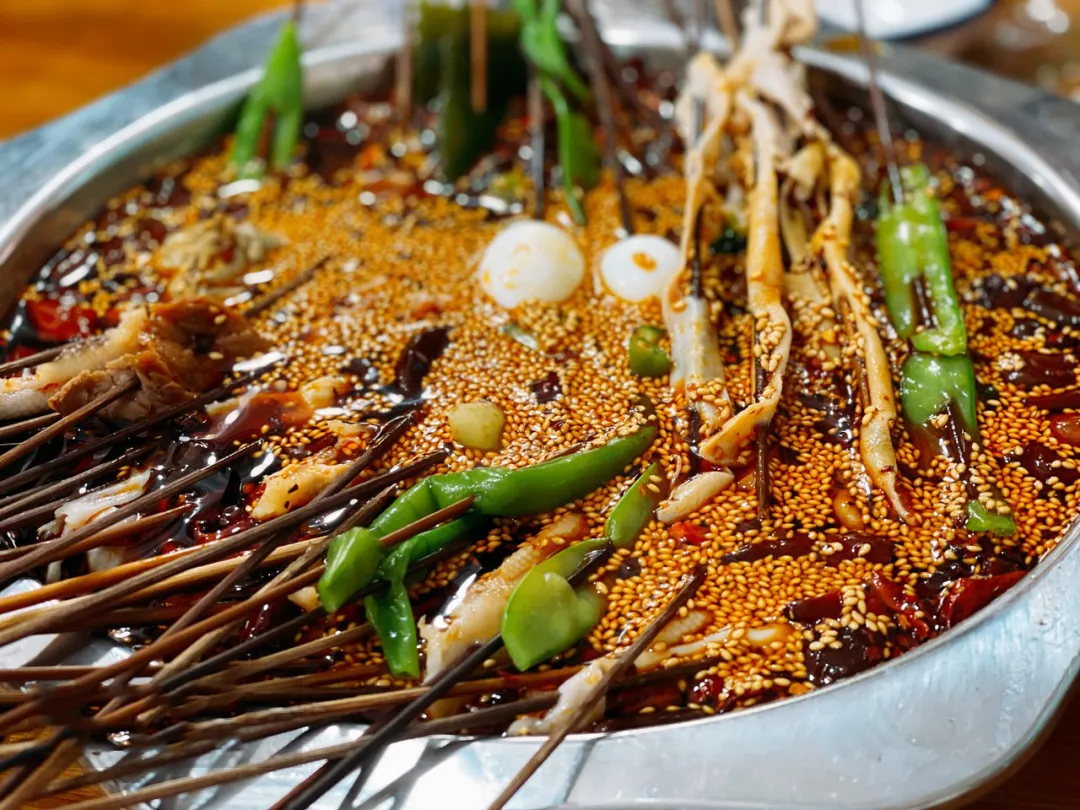
1. Leshan Bobo Chicken
A iconic Leshan snack—small pieces of chicken, tofu, and vegetables skewered on bamboo sticks, dipped in a spicy or savory sauce.

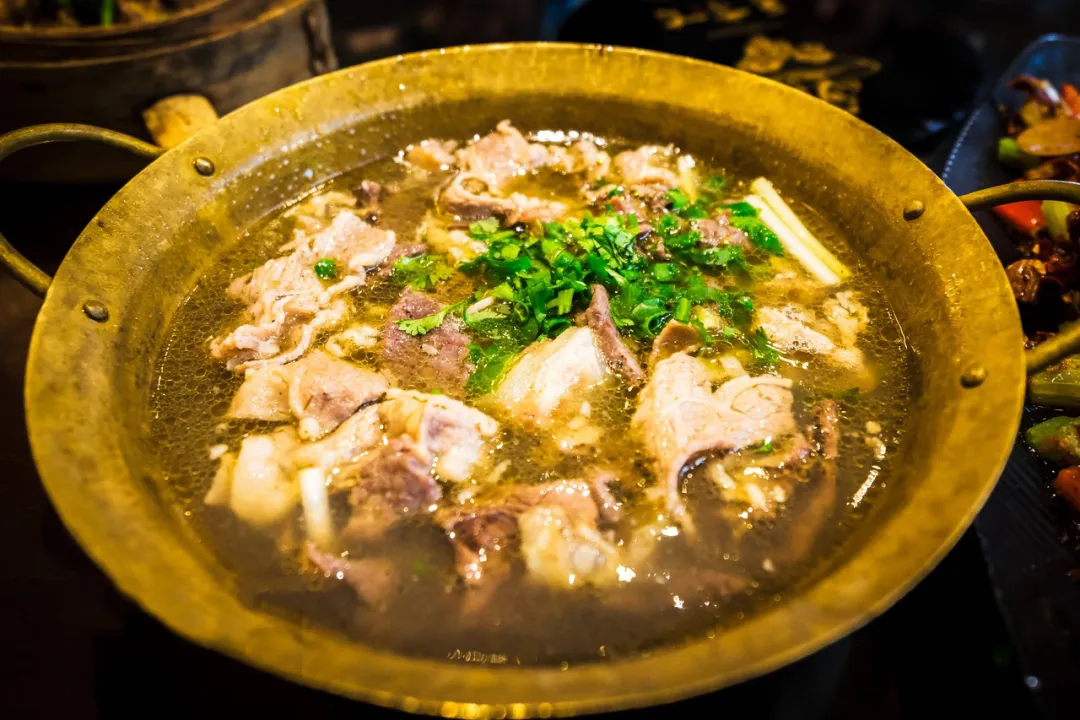
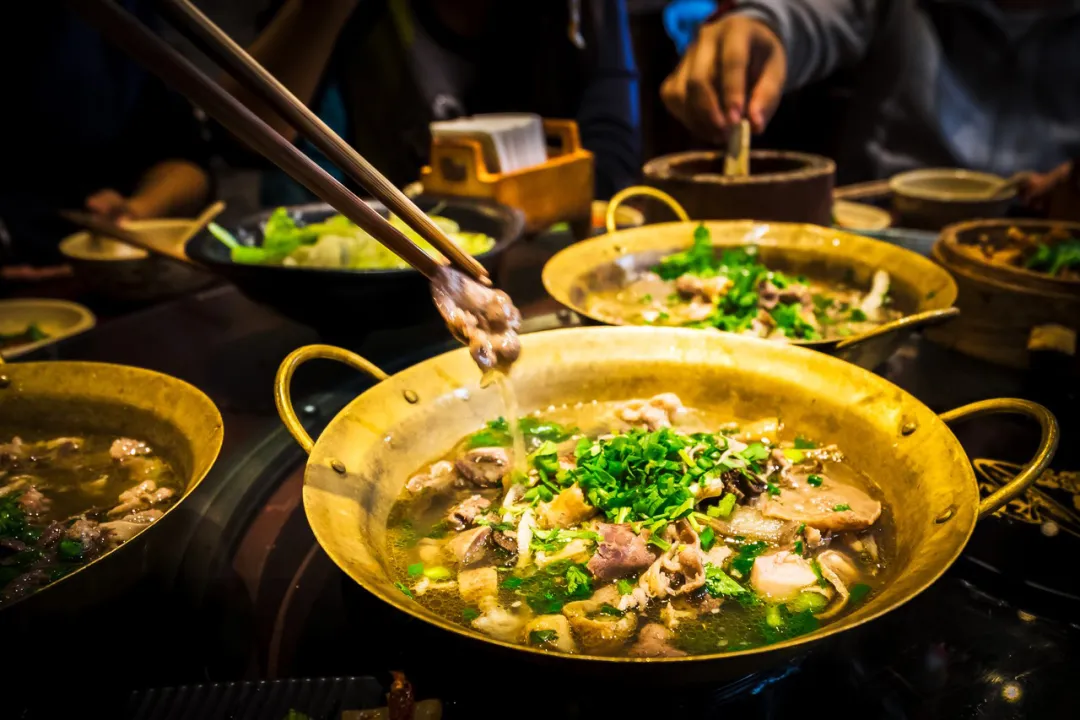
2. Qiaojiao Beef
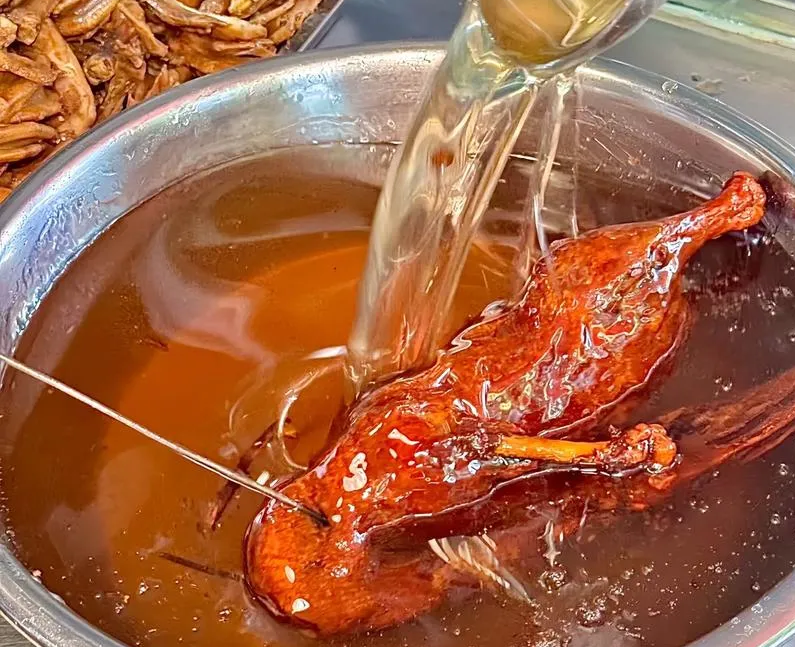
3. Sweet-Skin Duck (Tianpi Duck)

b. Nearby Food Recommendations
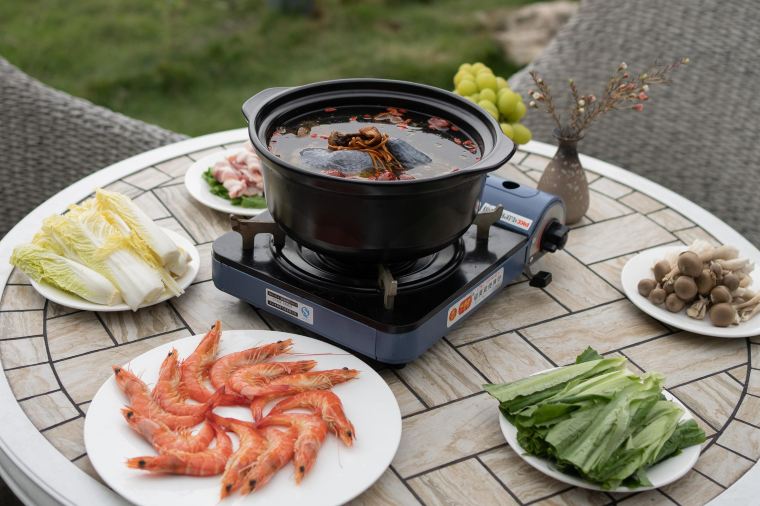
1. Leshan Qianli Zou Danqi Resort Hotel & Private Cuisine Restauraut
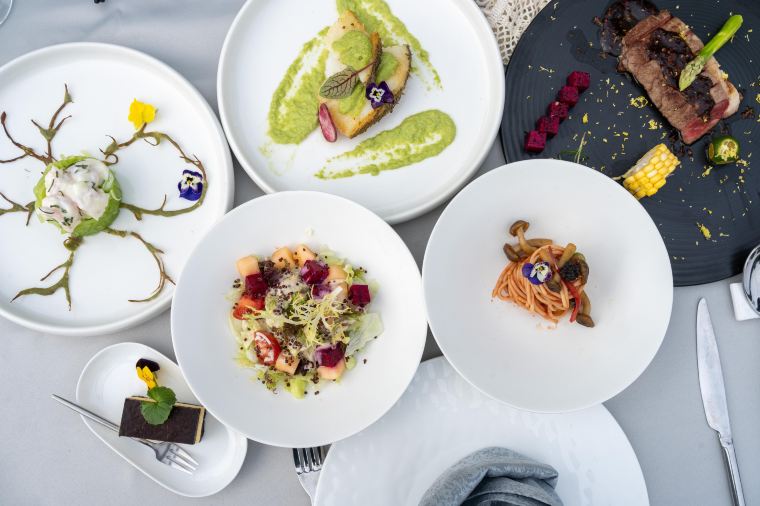
Address: 36th Floor, No. 2 Wuyou Dam, Jiufeng Road,Leshan Sichuan, China
Phone: +86-19981360067
Opening hours: 09:00 AM - 07:00 PM
2. Yixiaoxin Resort Hotel & Forest Restaurant
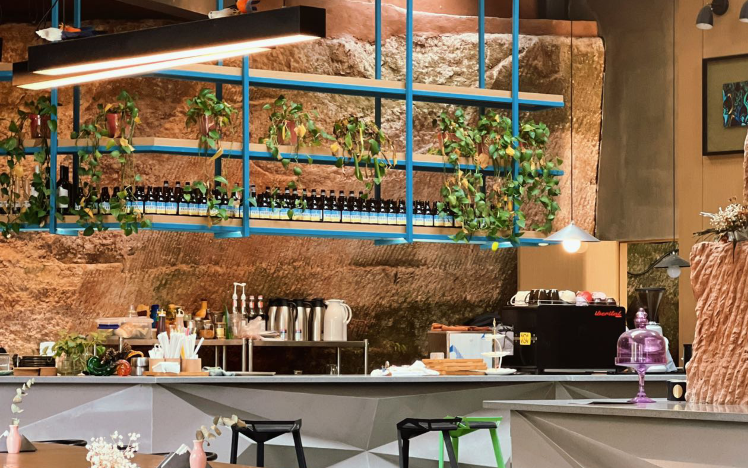
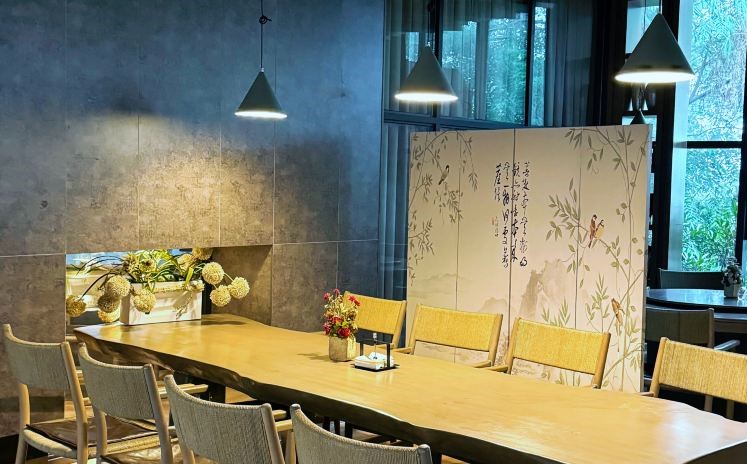
Address: Yixiao New Resort Hotel, Group 1, No. 29, Anshan Village, S104 (Jiufeng Road), Shizhong District, Leshan City, Sichuan, China
Phone: +86-833-6210080
Opening hours: 07:30 AM - 08:00 PM
3. There are many different types of restaurants scattered around the scenic area, allowing visitors to choose dining options based on their preferences.
c. Cultural Souvenirs
When visiting Oriental Buddha Capital, you’ll find a variety of authentic souvenirs to take home:
1. Buddhist-Themed Crafts
· Sandalwood Beads: Handmade beads from sandalwood, with a fragrant scent that calms the mind. Available at the park’s gift shop or from local artisans near the entrance.
· Mini Buddha Statues: Small, intricately carved Buddha statues made of wood, stone, or jade. Choose from different styles (e.g., Sakyamuni, Guanyin) as a reminder of your spiritual journey.
· Buddhist Sutra Scrolls: Replica scrolls of famous Buddhist texts, such as the Heart Sutra or Diamond Sutra. Some scrolls are handwritten by monks, making them unique gifts.
2. Local Handicrafts:
· Bamboo Weaving: Leshan is known for its bamboo products, such as baskets, fans, and coasters. Look for handwoven items at the market near the park.
· Sichuan Embroidery: Beautiful embroidered pieces featuring Buddhist symbols (e.g., lotus flowers, Buddhas) or natural scenes. Available at specialty shops in Leshan City center.
Shopping Tip: Always ask for the price before buying, and feel free to negotiate (especially at local markets). Avoid buying expensive items like jade or gold Buddha statues unless you’re sure of their authenticity.
C. Accommodation Options
Whether you’re looking for a peaceful Zen retreat or a convenient budget stay, there are plenty of accommodation options near Oriental Buddha Capital:
1. Nanyuan Ancient Luxury Homestay
As the only hotel with a province-protected heritage building as its centerpiece, Nanmu Courtyard was once the residence of Mr. Du Daosheng—revered linguist and "Guardian of Chinese Characters." Meticulously restored from a 200-year-old mansion, the property preserves its original blue-brick walls, ink-tiled roofs, and soaring eaves with traditional mortise-and-tenon wooden structures. Nestled against ancient city walls, this two-courtyard Siheyuan exemplifies classic Southern Sichuan architecture. Twelve bespoke suites are discreetly distributed between two intimate courtyard compounds and the main quadrangle, blending historical grandeur with modern comfort. Five tea parlors of varying scales host private tea ceremonies and intellectual salons. The hotel also features a private kitchen restaurant that customizes menus according to patrons' tastes and preferences.
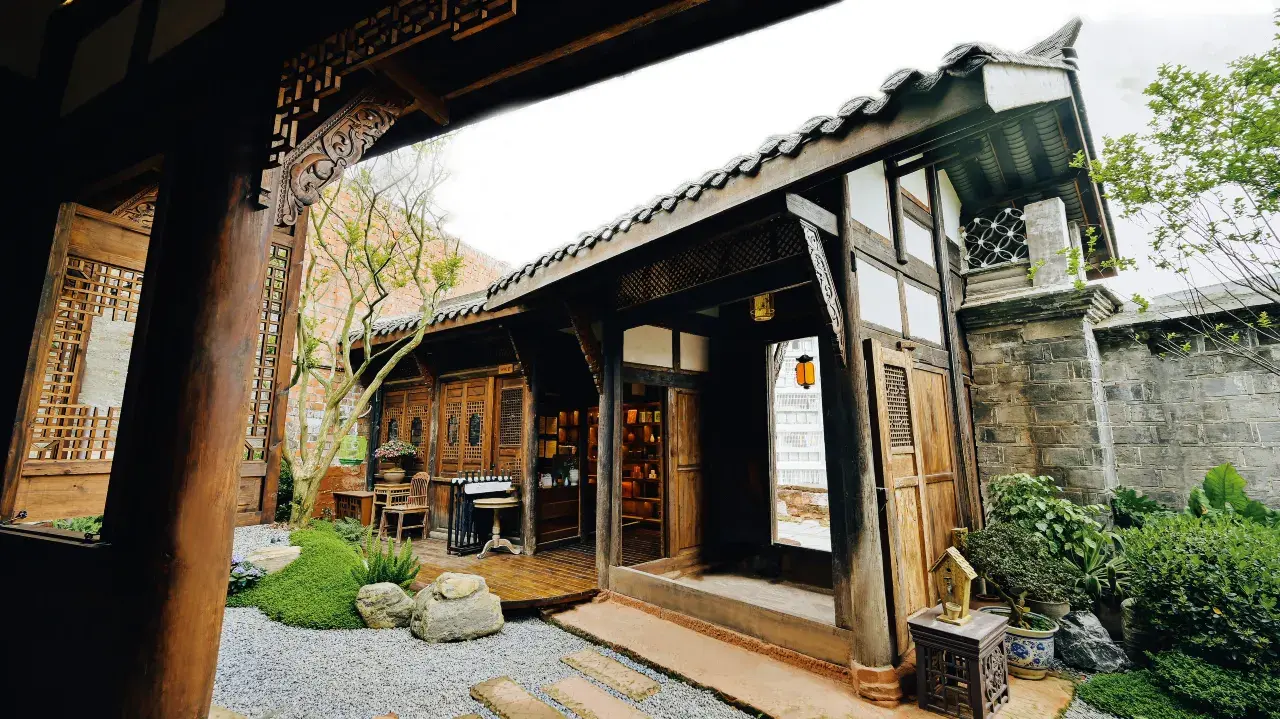
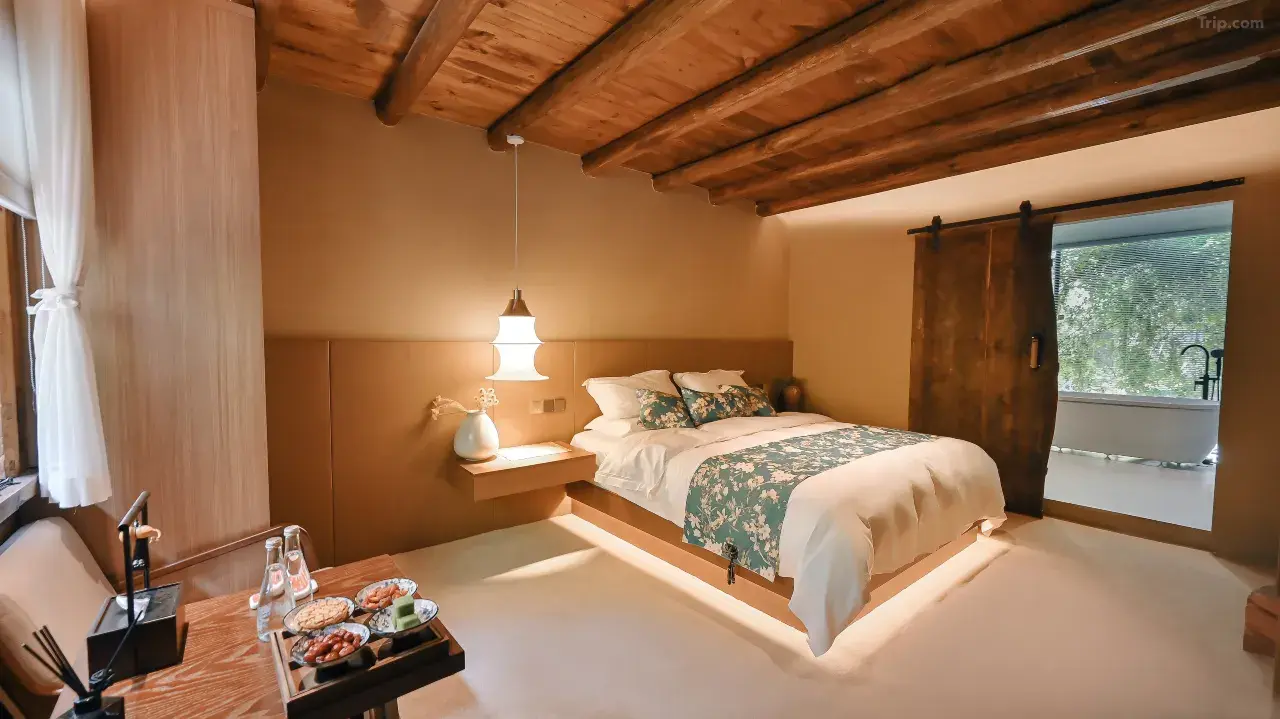
Address: No. 28 Guihualou Lane, Shizhong District, Leshan, Sichuan, China
Phone: +86-833-7909999
2. Yixiaoxin Hotel
The Yixiaoxin Hotel provides a great place for travelers to relax after a busy day. Visitors to Leshan will find that the Yixiaoxin Hotel is a fantastic accommodation choice. Leshan Railway Station is located approximately 15km away from this hotel. This hotel is located near many of Leshan's attractions including Underground Palace, Wuyou Mountain and Jiuqu Plank Road. After a long day of sightseeing, guests can retire to the comfort of the hotel. This Leshan hotel features parking on site. Guests tell us the location of this hotel is fantastic. For guests traveling with families, this hotel is consistently one of the most popular choices.
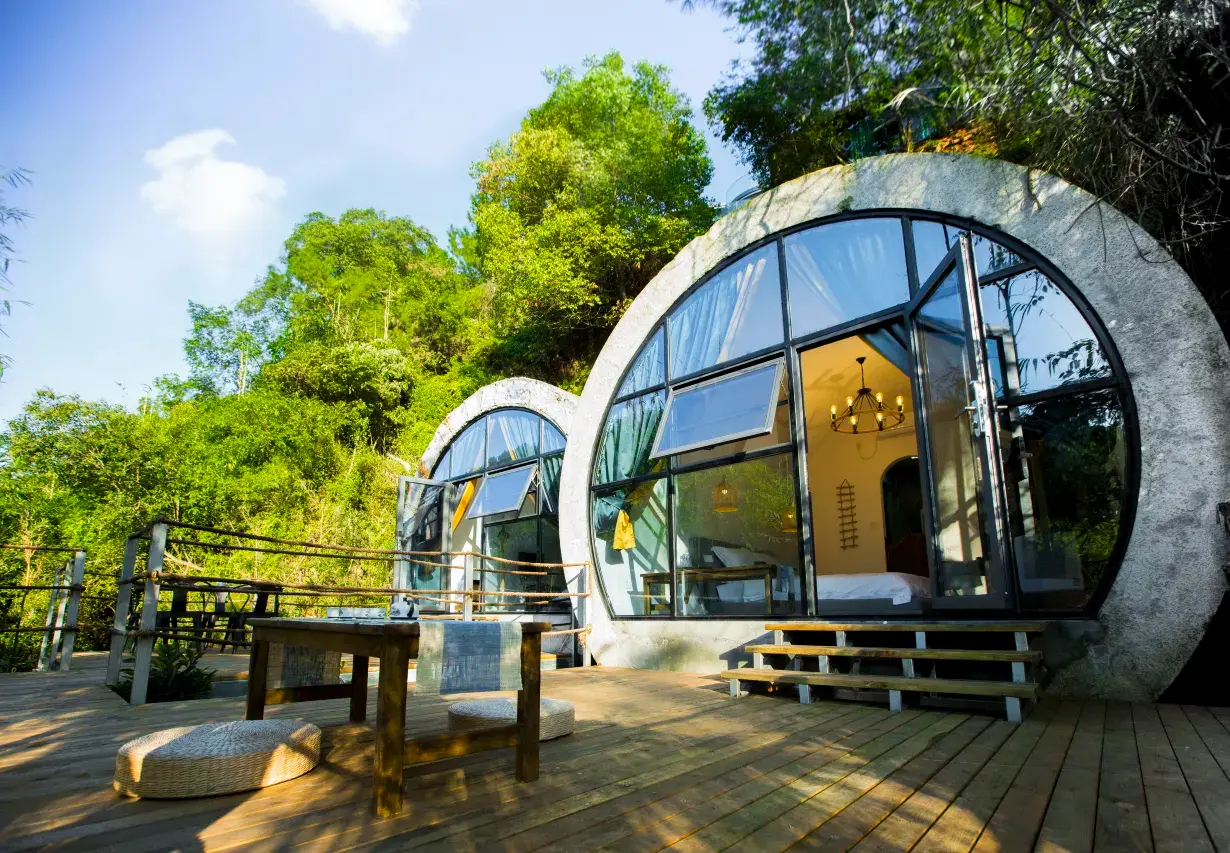
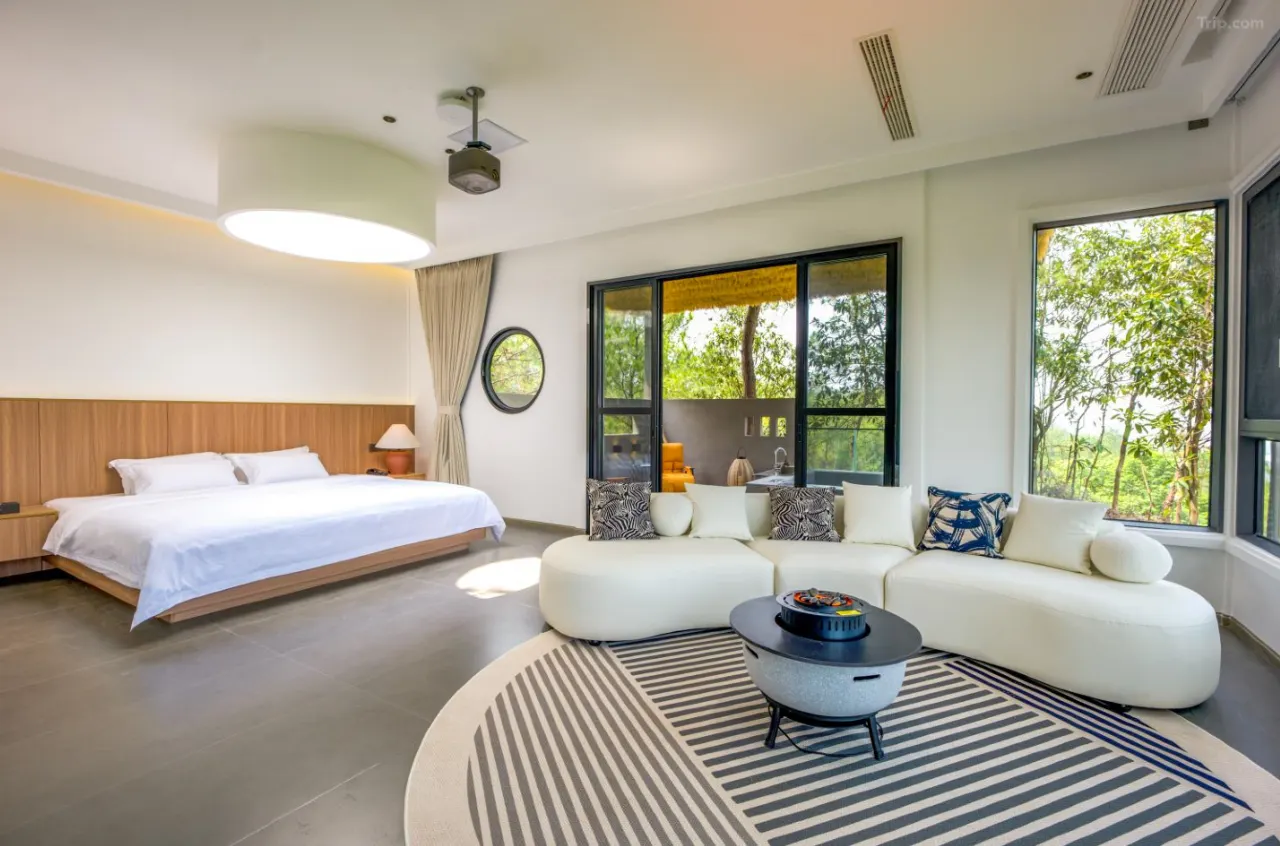
Address: Jiufeng Road (No.29 Group 1, Anshan Village), Shizhong District, Leshan, Sichuan, China
Phone: +86-833-6210999
3. ShanShui S Hotel (Leshan Giant Buddha)
The ShanShui S Hotel (Leshan Giant Buddha) provides a great place for travelers to relax after a busy day. Visitors to Leshan will find that the ShanShui S Hotel (Leshan Giant Buddha) is a fantastic accommodation choice. The hotel is conveniently located a short 10km drive from Leshan Railway Station. With multiple attractions nearby including Le Shan Supine Buddha, Leshan Confucian Temple and Jiading Lane, guests will find plenty to keep themselves occupied. At the end of a busy day, travelers can unwind and relax in the hotel or go out and enjoy the city.
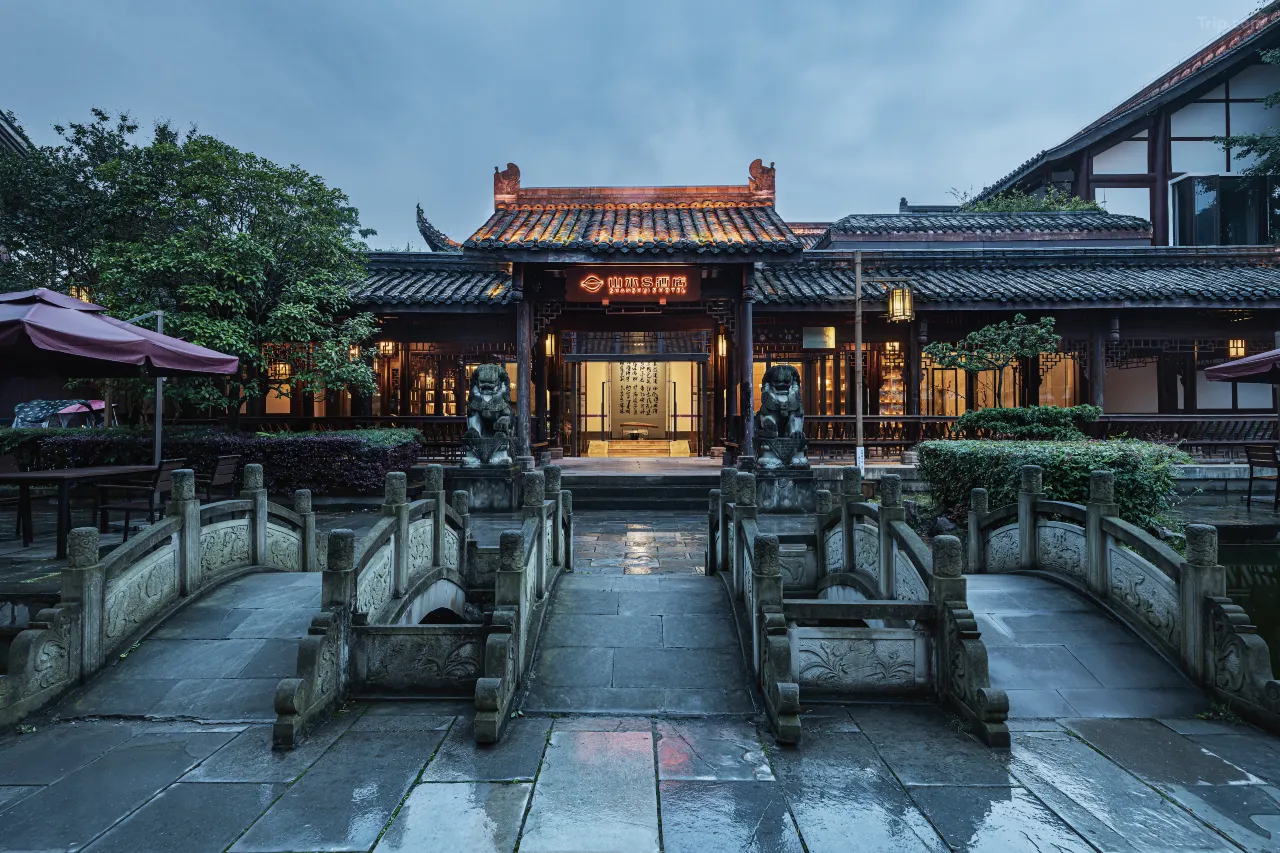
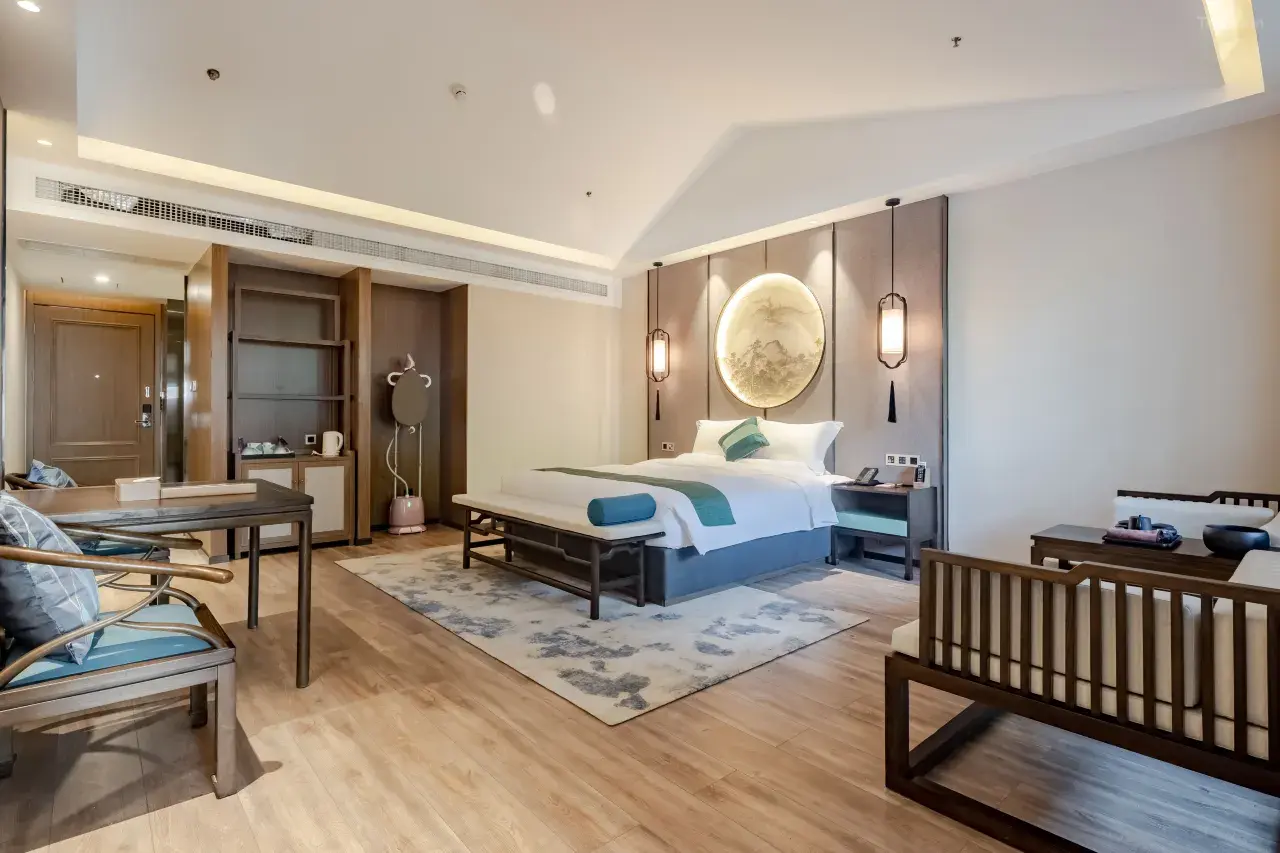
Address: Jiadingfang Area A, Big Buddha Scenic Area, Shizhong District, Leshan, Sichuan, China
Phone: +86-833-2090777
4. Jiangpan Xiaozhu Homestay (Leshan Giant Buddha)
The hotel is just 11km away from Leshan Railway Station. With multiple attractions nearby including Inscription, Leshan Giant Buddha, Lingyun Temple and Lingyun Mountain, guests will find plenty to keep themselves occupied. At the end of a busy day, travelers can unwind and relax in the hotel or go out and enjoy the city. For those driving themselves, parking is provided on site.
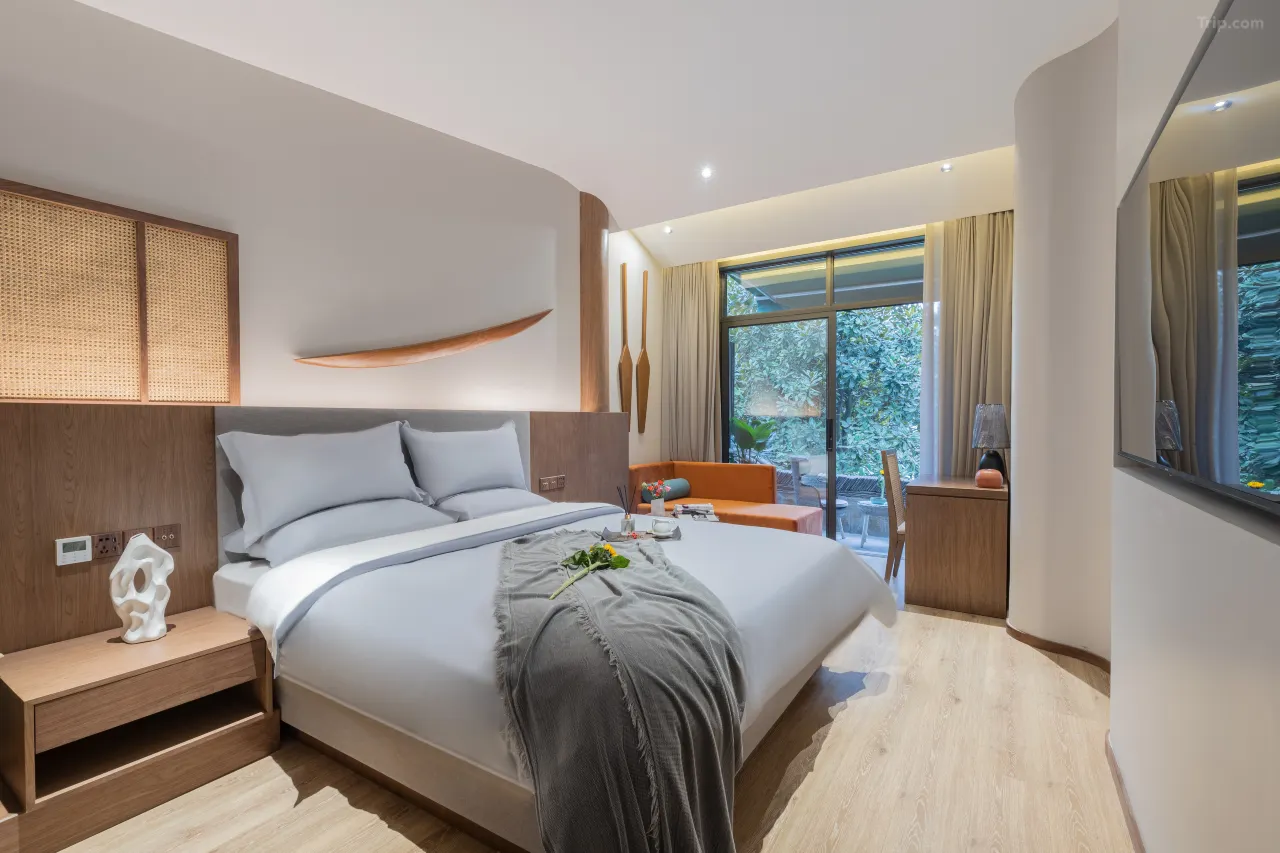
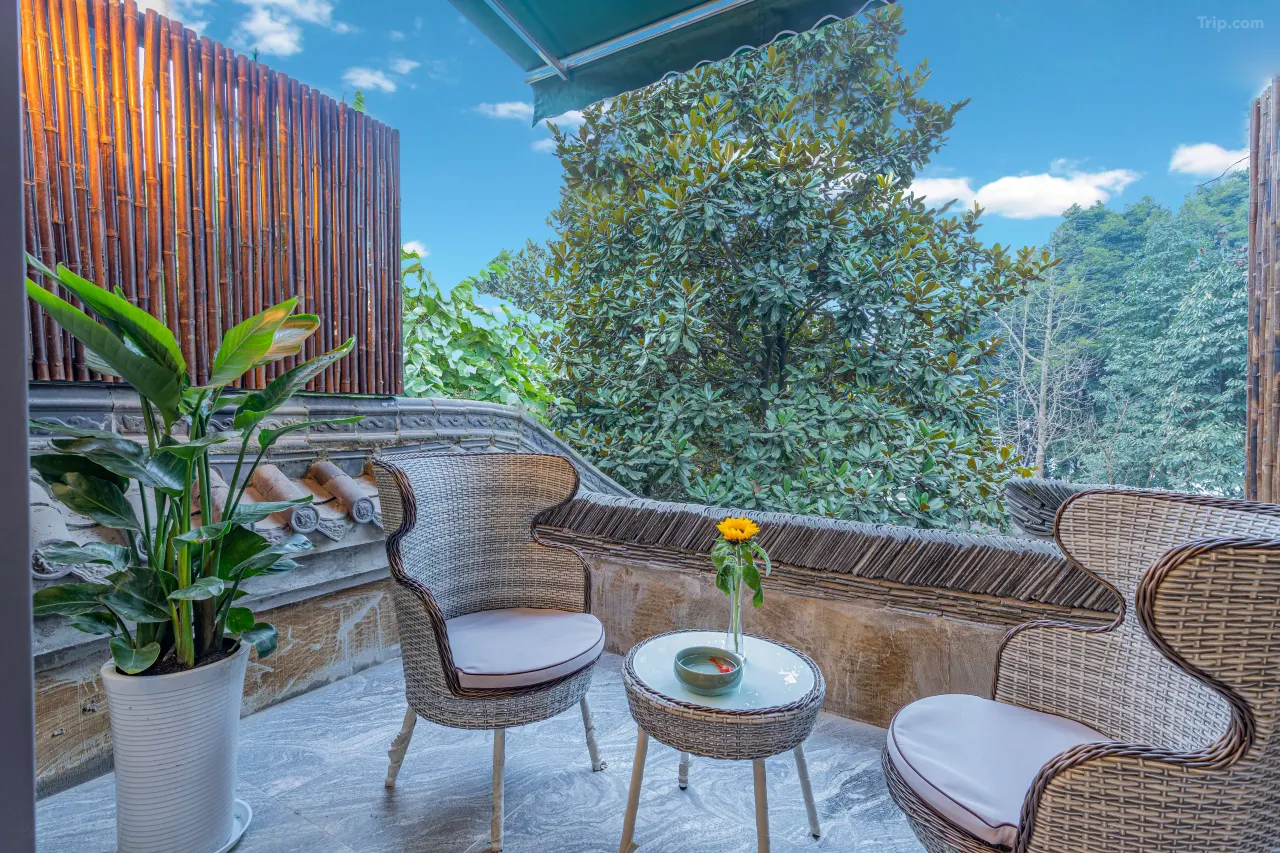
Address: Longhong Road Jiadingfang Pedestrian Street B Area B8-2, Shizhong District, Leshan, Sichuan, China
Phone: +86-19181365366
5. City Comfort Inn Hotel (Leshan Dafu)
The hotel offers easy access to Leshan Railway Station, just 9km away. There is no shortage of things to see in the area, with the Jiazhou Ferry, Leshan Day Cruise and Riverside Park all nearby. When guests have some time on their hands they can make use of the onsite facilities. This Leshan hotel features parking on site.
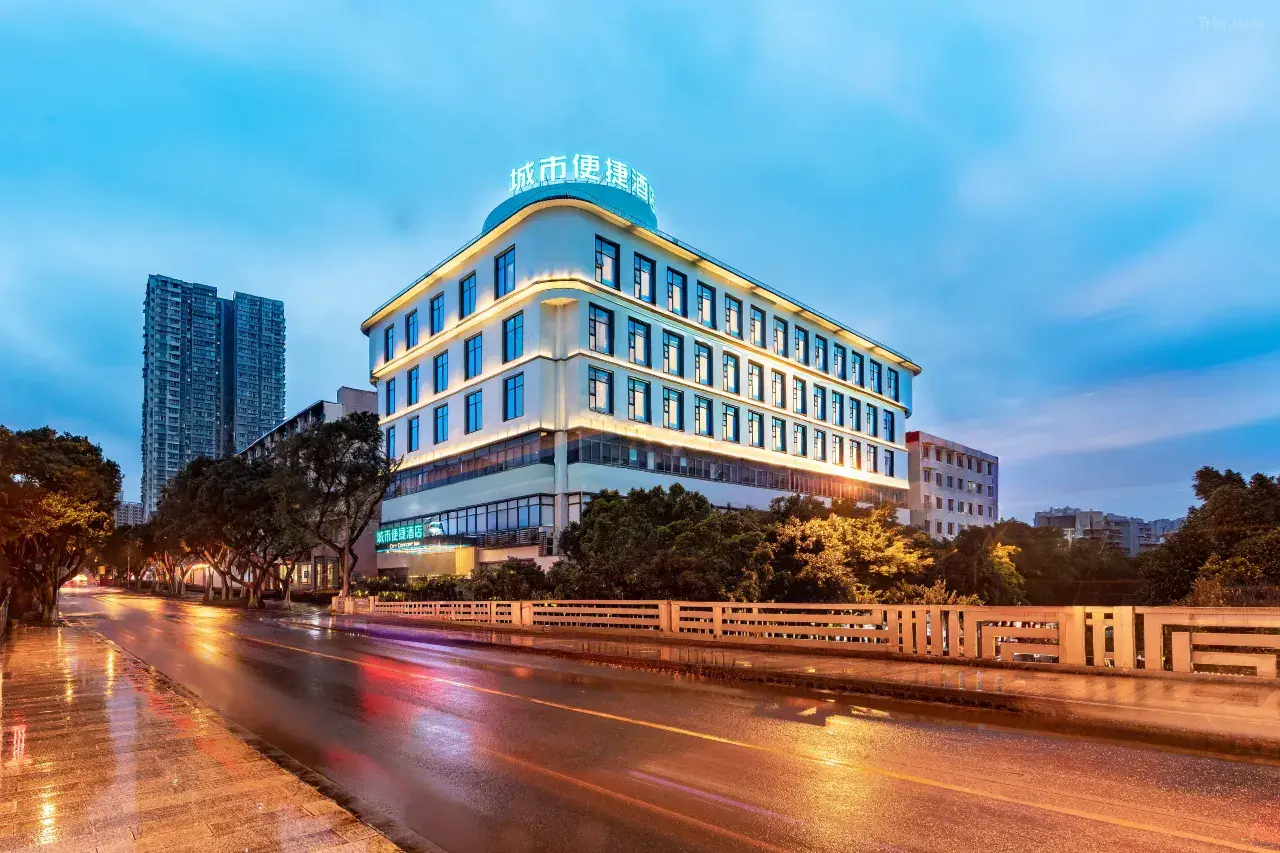
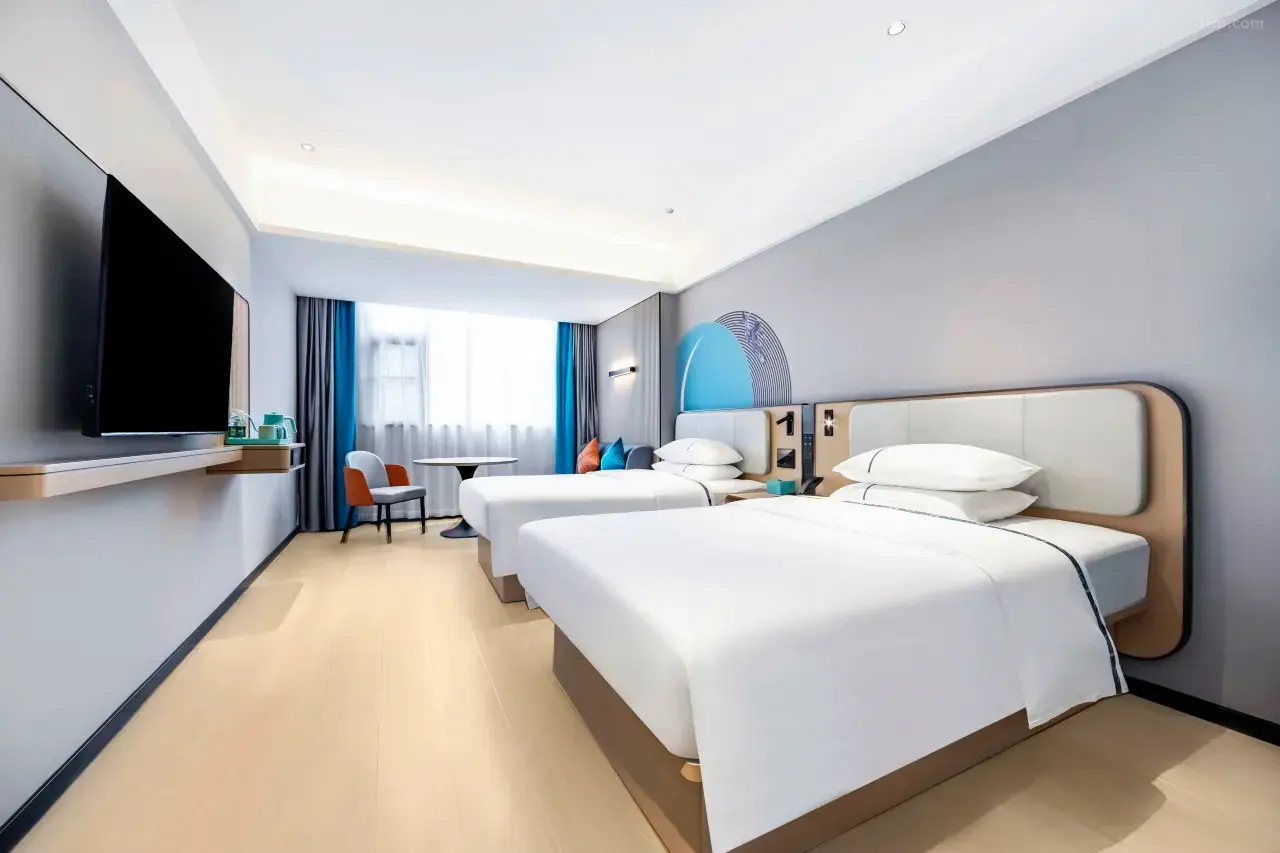
Address: No. 4 Daqiao West Street, Shizhong District, Leshan, Sichuan, China
Phone: +86-833-2191333
Accommodation Tip: Book in advance during peak seasons (spring, autumn, and Chinese holidays) to secure your preferred stay. If you’re interested in meditation or Buddhist culture, choose a Zen-style guesthouse for a more immersive experience.
Tips for Visiting
A. Ticket & Opening Hours
1. Ticket Prices
· Standard Fare: 80 RMB per person (includes access to all scenic zones, performances, and the Buddhist Culture Corridor).
· Discounts
· Students (with valid student ID): 40 RMB.
· Seniors (60-69 years old with ID): 40 RMB; seniors over 70 years old: Free.
· Children under 1.2 meters: Free; children 1.2-1.4 meters: 40 RMB.
· Disabled visitors (with valid ID): Free.
2. Opening hours:
· Apr 1–Oct 7 every year: 7:30 AM–6:00 PM
· Every year from Oct 8 to Mar 31 of the following year: 8:00 AM–5:30 PM
· [Lingyun Mountain Night Tour Project]
[Leshan Giant Buddha] Summer admission hours: April 1–October 7, 7:30 PM–9:30 PM
[Oriental Buddha Capital] Summer admission hours: April 1–October 7, 7:30 PM–10:00 PM
[Leshan Giant Buddha] Summer opening hours: April 1–October 7, 7:30 PM–10:30 PM
[Oriental Buddha Capital] Summer opening hours: April 1–October 7, 7:30 PM–11:00 PM
3. Booking
· Online Reservation: Book tickets via Ctrip, Fliggy, or the park’s official website to skip ticket lines. Online tickets are valid for 7 days from the booking date.
· On-Site Purchase: Tickets can be bought at the park’s entrance ticket office (cash or mobile payment accepted).
B. Etiquette & Dress Code
1. Religious Etiquette
· Keep your voice down in all religious areas (temples, caves, meditation spaces).
· Do not climb on or touch the Buddha statues (this is considered disrespectful and may damage the artifacts).
· Respect monks and worshippers: Do not interrupt their rituals or take photos without permission.
· When entering a temple hall, remove your hat and avoid wearing sunglasses.
2. Dress Code
· Wear modest clothing that covers your shoulders and knees (shorts, skirts above the knee, and tank tops are not allowed in temple halls).
· Wear comfortable walking shoes, as the park has many trails and stairs.
· Avoid bright or flashy clothing (neutral colors like beige, gray, or blue are more appropriate for a spiritual setting).
3. Photography Rules
· Photography is allowed in most areas of the park, but flash photography is prohibited when taking photos of Buddha statues (it can damage the paint and stone).
· No photography in the Buddha Kingdom Zen Courtyard during chanting or meditation sessions.
· Do not use drones without prior permission from the park management.
C. Other Practical Info
1. Language Support
· The park has English signs in all key areas (scenic zones, restrooms, restaurants).
· English-speaking guides are available for hire at the information desk (100 RMB per hour for a group of up to 5 people).
· The park’s official website and mobile app have English versions with detailed information about attractions and services.
2. Medical Facilities
· There is a first-aid station near the park’s entrance, staffed by a nurse and equipped with basic medical supplies.
· The nearest hospital is Leshan People’s Hospital (10-minute taxi from the park), which offers comprehensive medical services.
3. Accessibility
· Wheelchairs are available for rent at the information desk (free of charge, with a valid ID deposit).
· The park has barrier-free paths leading to most scenic zones (except some steep trails in the mountain area).
· Elevators are available in Ten Thousand Buddhas Cave for visitors with mobility issues.
4. Other Tips
· Bring a reusable water bottle (water fountains are available throughout the park).
· Carry insect repellent (especially in summer and autumn).
· The park is cash-friendly, but mobile payment (Alipay, WeChat Pay) is accepted at most shops and restaurants.
Oriental Buddha Capital in Leshan is a must-visit destination for those seeking peace, culture, and history. The sacred site offers a deep spiritual experience through its temples, sculptures, and tranquil atmosphere. Whether you're drawn to the area for meditation, photography, or cultural exploration, this spiritual wonderland provides a unique glimpse into China’s rich Buddhist heritage. Don’t miss the chance to explore this hidden gem beside the world-famous Giant Buddha.
Your Way Holiday’s Curated Guide to the Oriental Buddha Capital Leshan & Unmissable Travel Experiences
We design private and tailor-made Chengdu tours customized to your travel style at affordable local prices. You’ll enjoy the comfort of a private, spacious car and the company of a professional local guide with over 5 years of experience, dedicated exclusively to you or your group. From transportation and tickets to authentic dining experiences (we always recommend the dishes most loved by locals), everything will be arranged according to your preferences. Please take a look at some of our most popular Chengdu tours below:
 Private Day Tour to Dujiangyan Panda Base and Dujiangyan Irrigation System
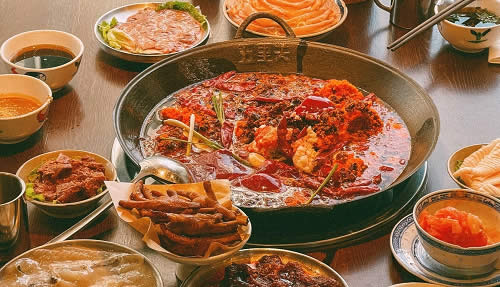 Sichuan Food Tour: Uncover Flavors at Sichuan Cuisine Museum, Kuanzhai Alley, and Jinli Street
Not exactly what you’re looking for? Don’t worry — all of our Chengdu tours can be fully customized based on your interests, schedule, and budget. We specialize in creating unique Chengdu experiences that go beyond the guidebook, giving you the chance to truly connect with the local culture and people. Our enthusiastic tour experts are always ready to provide detailed suggestions and will respond to your inquiry within 24 hours. Ready to explore Chengdu your way? Contact us today and let us design a Chengdu shopping experience that fits your style. Your Way Holiday looks forward to your message! We're ready to design an unforgettable Chengdu trip for you anytime.
Duration:6-8 Hours
Attractions(Cities): Chengdu Panda Research Base, People's Park, Jinli Ancient Street, Kuanzhai Alley
Tour Style:Immerse yourself in the charm of Chengdu with our Chengdu City Tour. Start at the Chengdu Research Base of Giant Panda Breeding, where you'll get a close look at the adorable giant pandas in their natural habitat and learn about vital conservation efforts. Next, head to People's Park, where you can enjoy a traditional tea experience, soaking in the tranquil local atmosphere. Afterward, take a stroll through Jinli Ancient Street, renowned for its traditional architecture and vibrant market. Finish the tour at the unique blend of history and modernity in Kuanzhai Alley. With round-trip transportation from your Chengdu hotel, this tour offers a seamless and memorable experience, perfect for panda lovers and culture enthusiasts alike!
Duration:8 Hours
Attractions(Cities):Chengdu Giant Panda Research Base, Leshan Giant Buddha
Tour Style:This day tour takes you to two of Chengdu’s most iconic attractions: the Chengdu Giant Panda Research Base and the Leshan Giant Buddha. In the morning, you’ll visit the panda base, where you can see the adorable pandas up close in their natural environment. Your guide will provide fascinating details about their behavior, diet, and conservation efforts, helping you gain a deeper understanding of these beloved creatures. In the afternoon, you’ll head to Leshan to marvel at the Leshan Giant Buddha, the largest stone-carved Buddha in the world. Your guide will share the rich history and cultural significance behind this ancient monument, making your visit even more enriching. This tour combines Chengdu’s natural wonders with its deep cultural heritage, ensuring a memorable and insightful experience.
Duration:2 Days, 1 Night
Attractions(Cities):Chengdu Panda Base, Renmin Park, Wuhou Temple, Jinli Street, Wenshu Monastery, Chengdu Museum, Tianfu Square
Tour Style:This 2 days Chengdu tour offers a perfect blend of the city’s ancient heritage and modern charm. On Day 1, you’ll visit the Chengdu Panda Base to meet the adorable pandas, followed by a stroll through Renmin Park to experience the local lifestyle. In the afternoon, you’ll explore Wuhou Temple, a historic site steeped in the Three Kingdoms era, and wander through Jinli Ancient Street, a lively area filled with traditional crafts and local snacks. On Day 2, you’ll visit Wenshu Monastery, where full of peaceful Buddhist culture, followed by the Chengdu Museum to discover the city’s rich history. The tour ends at Tianfu Square, where you can feel the vibrant pulse of modern Chengdu. This itinerary, guided by a knowledgeable local, seamlessly combines the city's ancient and contemporary attractions.
Duration:8-9 Hours
Attractions(Cities):Dujiangyan, Qingcheng Mountain
Tour Style:This day tour takes you to two of Sichuan's most fascinating sites: Dujiangyan and Qingcheng Mountain, where nature and culture come together seamlessly. First, you’ll explore the Dujiangyan Irrigation System, a UNESCO World Heritage site that showcases ancient Chinese engineering brilliance. Your guide will explain its history, importance, and how it has shaped water management in the region for over two thousand years. Next, you’ll visit Qingcheng Mountain, a peaceful and spiritual place known as the birthplace of Taoism. Here, you’ll wander through ancient temples and Taoist shrines, surrounded by lush greenery and serene landscapes. This tour offers a unique opportunity to immerse yourself in both natural beauty and rich cultural heritage.
Duration:3 Days 2 Nights
Attractions(Cities):Leshan Giant Buddha, Mount Emei, Chengdu Research Base of Giant Panda Breeding, Renmin Park, Jinli Ancient Street, Kuanzhai Alley
Tour Style:This 3-day Chengdu tour offers the perfect blend of cultural exploration and natural beauty. On Day 1, visit the Chengdu Research Base of Giant Panda Breeding to see China’s iconic pandas up close, then continue to Renmin Park, Jinli Ancient Street, and Kuanzhai Alley, where you’ll experience the city’s lively atmosphere and rich heritage. Day 2 takes you to Leshan, where you’ll marvel at the UNESCO-listed Leshan Giant Buddha, followed by a scenic drive to Mount Emei. On Day 3, explore the sacred beauty of Mount Emei, including the Golden Summit and the stunning Huazang Temple. Throughout the journey, your expert guide will offer fascinating insights, ensuring a smooth, engaging, and unforgettable experience every step of the way.
Wechat: YourWayHolidayAsia
24 Hours Hotline:
+8613735411378
Certificate of Excellence
2012~2026

Your Way Holiday
(Your Privacy is Protected)
1 to 1 tailor-made service from our professional travel advisors for the most sophisticated
Constantly excellent reviews for attraction, hotel and service Competitive price
Local experts provide quality tours Best selected knowledgeable local guides Authentic local restaurants
7*24 hours available to create you a worry-free tour. No Hidden Fees and absolutely no pressure to buy. Secured