Chengdu Things to Do: A Local’s Guide to Exploring the City’s Best Sights
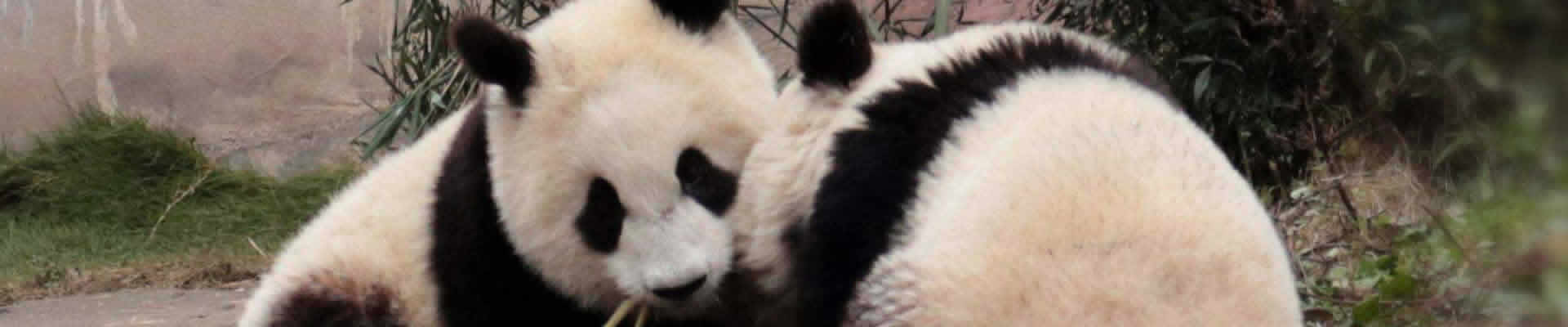
Welcome to the hometown of Ginat Panda in China--Chengdu! It is the place to see the Giant Panda and one of the ideal place to taste the authenic Sichuan food. Chengdu is the capital of Sichuan province in China and a rising tourist attraction for foreigners. Although most of the people visit it to see the cutest animals on this planet – the pandas, Chengdu has much more to offer. From its incredible architecture to its delicious Sichuan cuisine, Chengdu should definitely be on your travel list when visiting China.
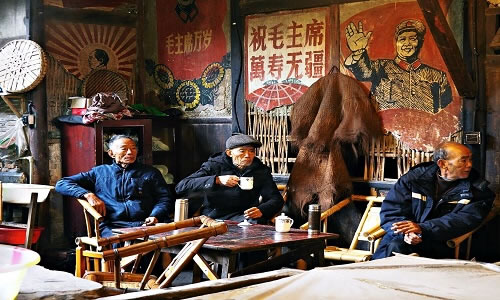 Full Day Chengdu Tour with Tea Culture, Hot Pot & Sichuan Opera
 2 Days Chengdu Tour: Blending Modern & Ancient Heritage
A Glimpse of Chengdu
Chengdu, the capital of Sichuan Province, is a city where ancient traditions seamlessly blend with modern innovation. Known for its vibrant culture, rich history, and irresistible charm, Chengdu offers travelers an experience like no other. At its heart lies a deep cultural heritage, from the ancient tea houses and historical temples to the fascinating stories of the Three Kingdoms period, which still resonate in the city today. Yet, Chengdu is also a hub of modern creativity, boasting a thriving arts scene, cutting-edge architecture, and a dynamic nightlife.
With a history that dates back over 2,000 years, Chengdu is both a modern metropolis and a keeper of ancient traditions. Whether you're a history enthusiast, a nature lover, or a foodie, Chengdu offers something for every traveler. This guide will take you through all the must-do activities in the city, giving you the insider knowledge to explore Chengdu like a local.
Top Sights in Chengdu: Must-See Attractions
A. Wuhou District (Historical and Cultural Heart)
1. Wuhou Shrine
Wuhou Shrine is one of the most important cultural landmarks in Chengdu, celebrating the legendary strategist Zhuge Liang of the Three Kingdoms period. The tranquil setting, combined with its rich history, makes it a must-visit for those interested in Chinese culture and history.
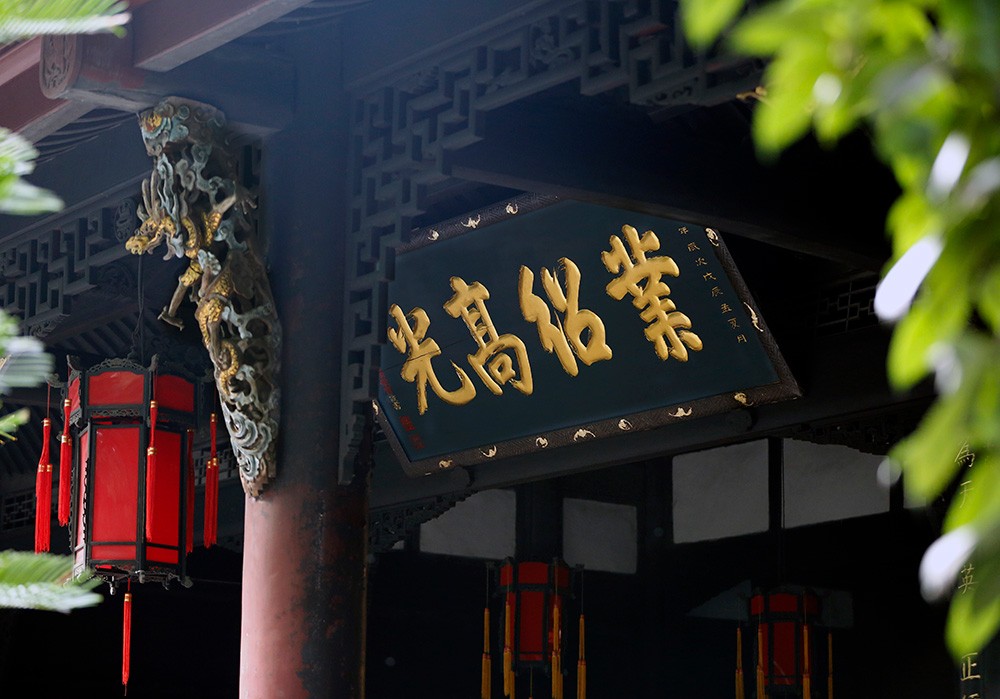
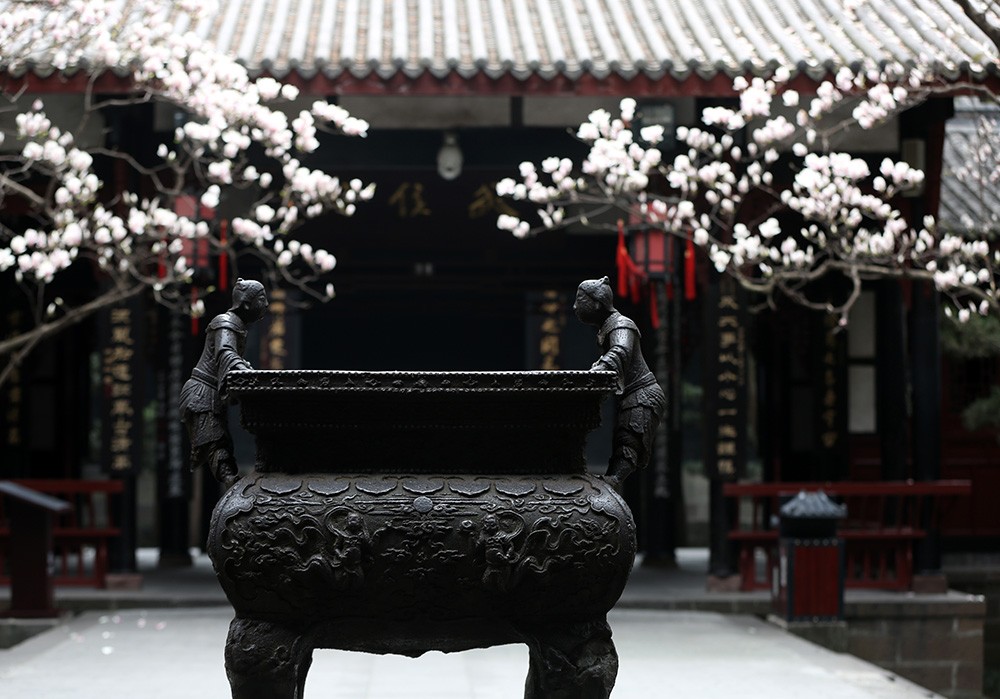
Address: No. 231 Wuhouyu Street, Wuhou District, Chengdu, Sichuan, China
Phone: +86-28-85535951 | +86-28-85538914
Opening Hours: 8:30 AM - 6:30 PM (Admission ends at:5:30 PM)
Highlights: Visit the memorial hall, explore the beautiful gardens, and learn about the history of Zhuge Liang and the Three Kingdoms era.
Transportation:
· Buses: You can reach the Chengdu Wuhou Shrine Museum by taking buses 1, 57, 82, 334, 335, G97, High-speed Rail Tourism Line 2, Airport Tourism Line 1, Jincheng Sightseeing Line 1, or Night Tour Line 3.
· Metro: By metro, take Line 10 to Wuhouci (Jinli) Station, Exit A2, and walk 3 minutes. Or take Line 3/5 to Gaoshengqiao Station, Exit A, and walk 10 minutes.
· Direct tourist shuttles: Direct tourist shuttles to the museum are available from Chengdu Shuangliu Airport, Chengdu East Bus Station, Kuanzhai Alley, Du Fu’s Thatched Cottage, Jinsha Site, Chengdu IFS, Chunxi Road, Taikoo Li, Dujiangyan, and Sanxingdui.
Website: https://www.wuhouci.net.cn/index.html
2. Jinli Ancient Street
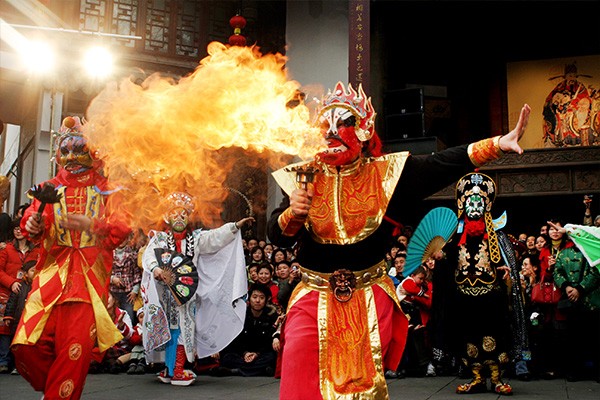
Jinli Ancient Street is one of the most well-preserved traditional streets in Chengdu, offering a charming glimpse into the city’s rich cultural heritage. Located next to the Wuhou Shrine, this pedestrian street is lined with ancient-style buildings, offering visitors a chance to step back in time. Jinli Street is not only famous for its historical significance but also for its lively atmosphere, with street performers, tea houses, and an abundance of local snacks. It is the perfect place to experience the blend of Chengdu’s ancient charm and its modern vibrancy.
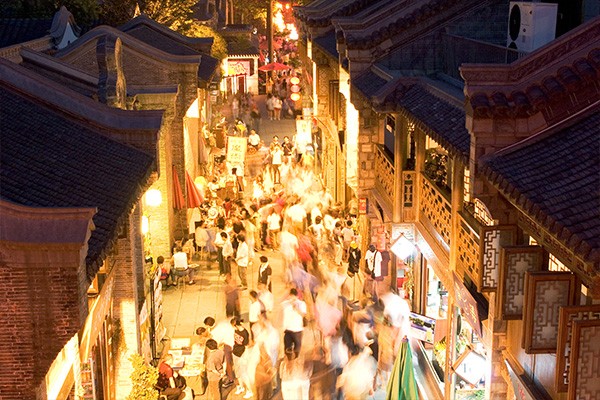
Address: No. 231 Wuhouyu Street, Wuhou District, Chengdu, Sichuan, China
Phone: +86-28-85538914 | +86-28-66311313
Opening Hours:
· Open all day
· The lights will be turned on at 8:00 PM. The business hours for merchants are from 9:00 AM-10:00 PM (excluding bars).
Highlights: Wander through the traditional shops selling Sichuan handicrafts, taste local delicacies like chao shou (Sichuan dumplings), and enjoy traditional performances such as face-changing opera.
Transportation:
· Buses: Take Bus 1, 57, 82, 334, 335, G97, High-speed Rail Tourism Line 2, Airport Tourism Line 1, Jincheng Sightseeing Line 1, or Night Tour Sightseeing Line 3.
· Metro: Take Metro Line 3 or Line 5 to Gaoshengqiao Station, Exit A, and walk for 10 minutes.
· Direct tourist shuttles: Direct tourist shuttles to the museum are available from Chengdu Shuangliu Airport, Chengdu East Bus Station, Kuanzhai Alley, Du Fu’s Thatched Cottage, Jinsha Site, Chengdu IFS, Chunxi Road, Taikoo Li, Dujiangyan, and Sanxingdui.
Website: https://www.cdjinli.com/
3. Wangjiang Pavilion Park
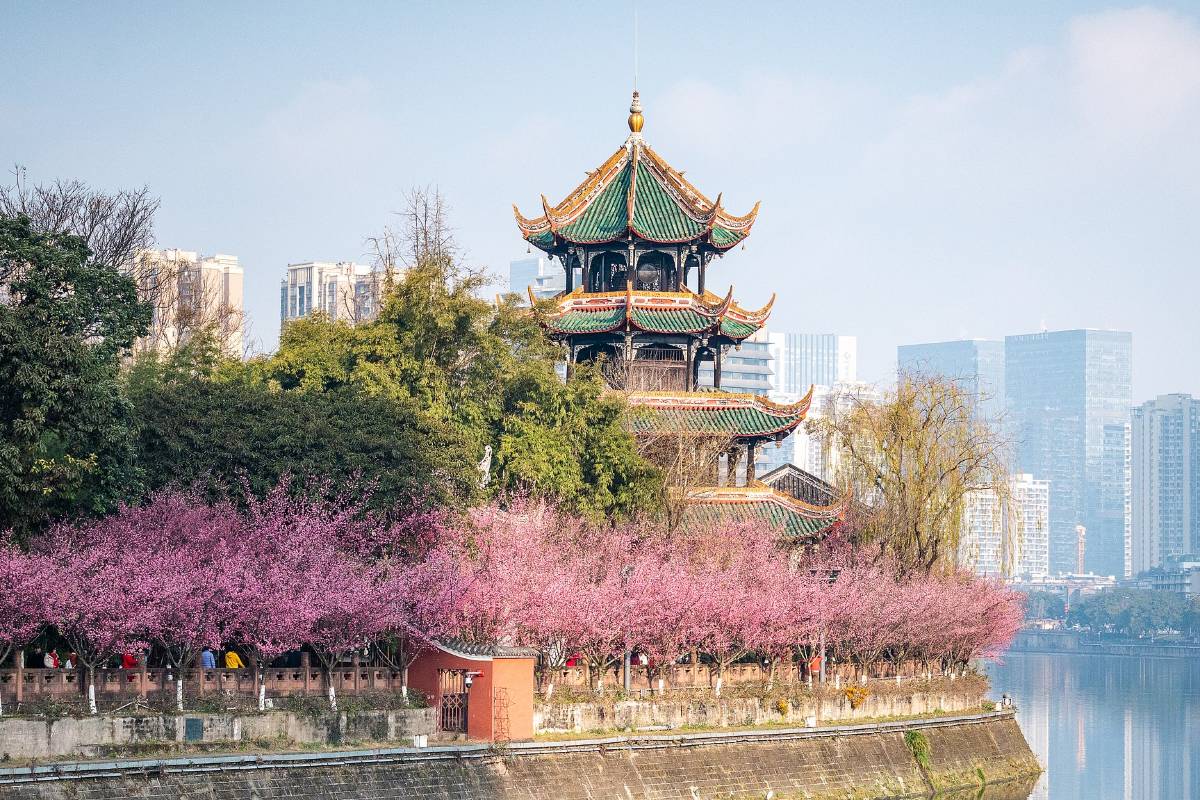
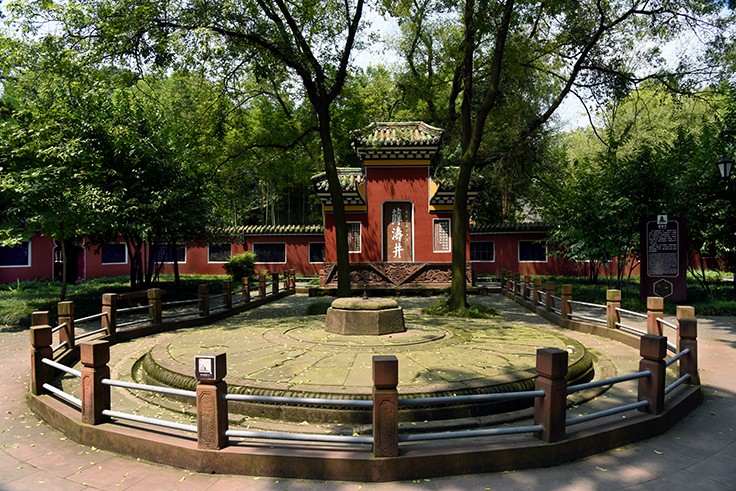
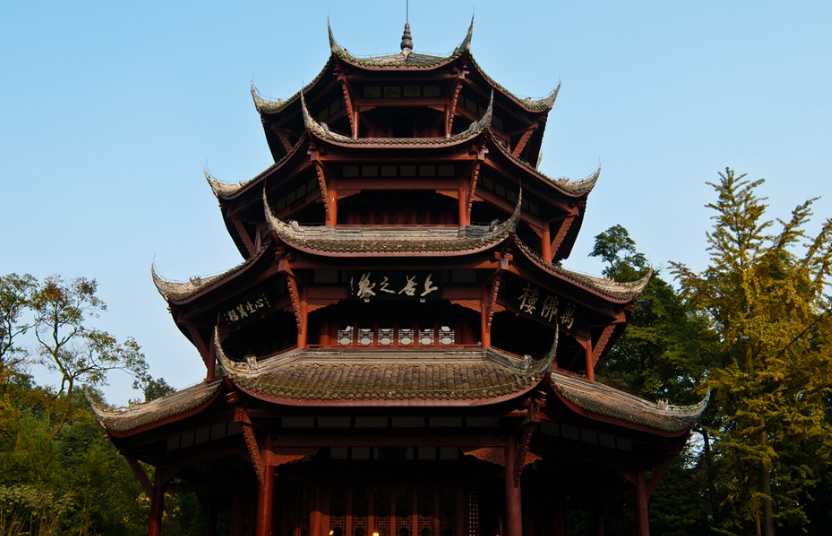
Wangjianglou Park is a peaceful, scenic park located on the banks of the Jin River. It is most famous for the Wangjiang Tower, an ancient structure that was once used by scholars to study the river's currents and is now a place to enjoy sweeping views of the surrounding area. The park is known for its bamboo groves, tranquil walking paths, and serene environment, making it an ideal spot for relaxation and reflection. With a history dating back to the Tang Dynasty, Wangjianglou Park offers both natural beauty and cultural heritage.
Address: 30 Wangjiang Road, Wuhou District, Chengdu, Sichuan, China
Phone: +86-28-85223389
Opening Hours:
· Heritage area: 8:00 AM-6:00 PM
· open area: 6:00 AM-9:00 PM
Highlights: Climb to the top of Wangjiang Tower for a panoramic view of Chengdu, enjoy the peaceful bamboo forests, and visit the memorial hall dedicated to the famous poet Xue Tao, who once lived here.
Transportation: Take Bus 3, 19, 35, 335, etc., and get off at Wangjianglou Park Station.
Website: https://www.wangjianglou.com/
B. Qingyang District (Traditional Sichuan Culture)
1. Kuanzhai Alley
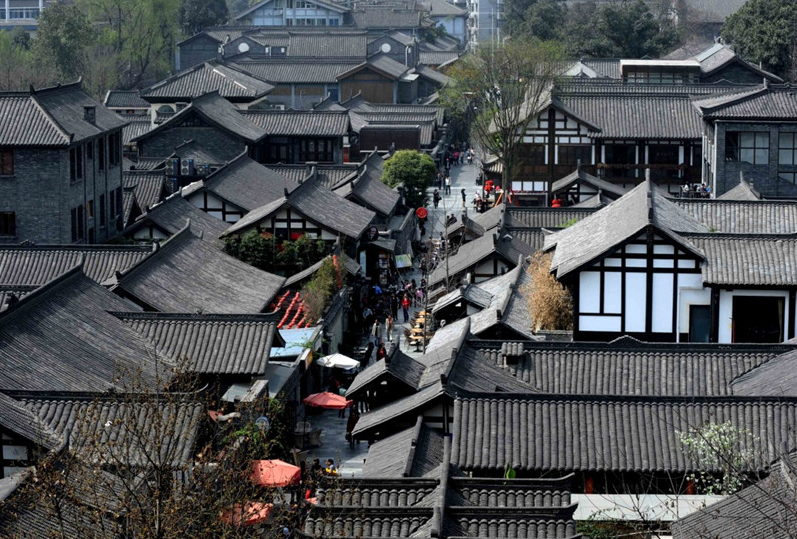
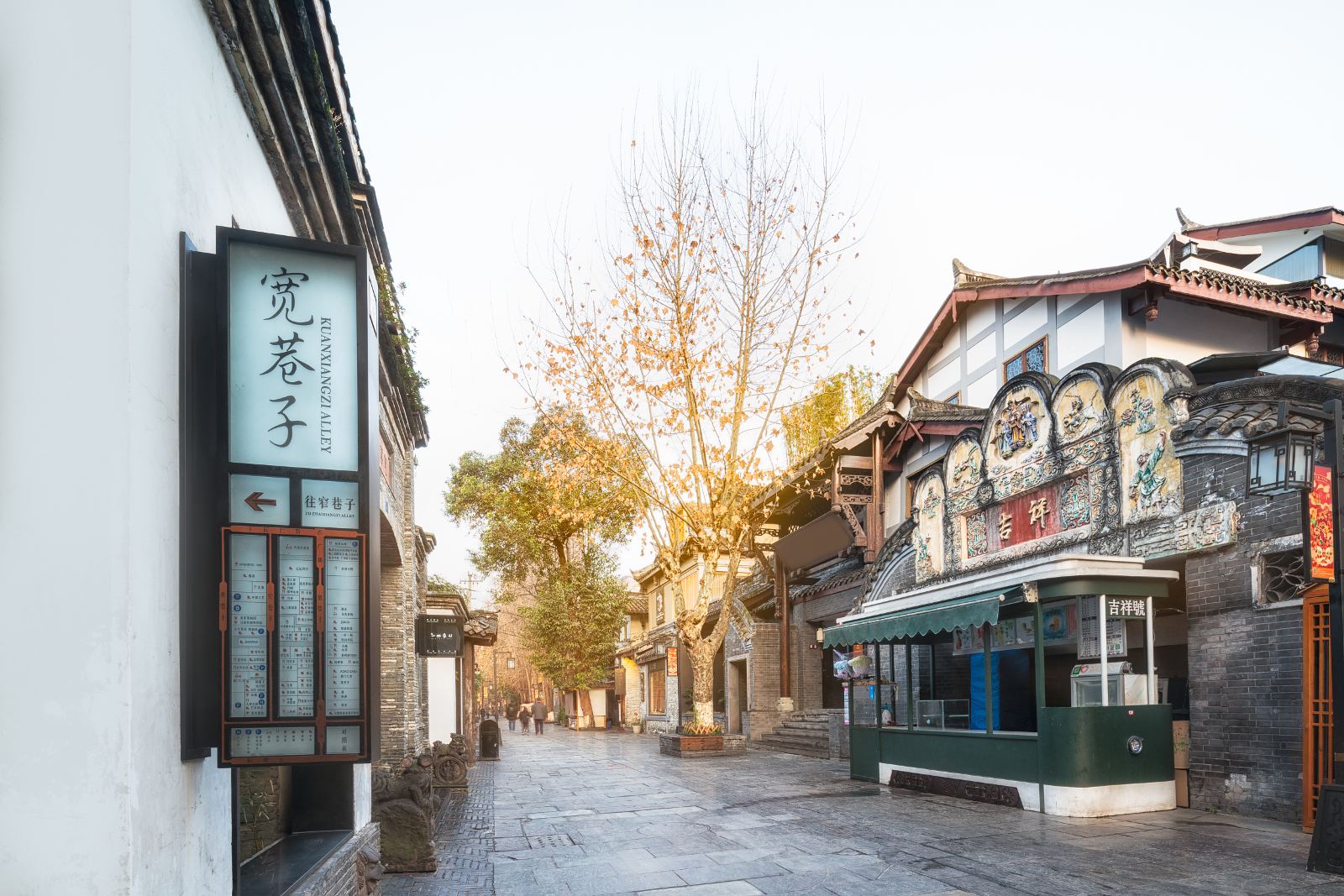
Kuanzhai Alley is one of Chengdu’s most famous historical and cultural areas, offering a blend of traditional Sichuan architecture and modern influences. The area consists of three main alleys — Wide Alley, Narrow Alley, and the New Alley — each offering visitors a glimpse of Chengdu's old-world charm. Visitors can stroll through the alleys, shop for local handicrafts, try traditional Sichuan snacks, and relax in the many teahouses and cafes. It’s a perfect spot to experience Chengdu’s laid-back lifestyle.
Address: Kuanzhai Alley, Jinhe Road, Qingyang District, Chengdu, Sichuan, China
Phone: +86-28-86259233 | +86-28-66355355
Opening Hours: Open all day
Highlights: Wander through traditional alleys, sample Sichuan snacks, visit teahouses, and enjoy the mix of historical and modern culture.
Transportation:
· Taxi: Available at the Changshun Shangjie Taxi Stand and the Xia Tongren Road Taxi Stand.
· Bus Routes: Located within the inner ring road, the area is very accessible and close to People's Park, Qintai Road, Baihuatan Park, and more. You can take Bus 5, 13, 25, 42, 47, 58, 64, 78, 81, 340, 93, 98, or 43 to get there.
Website: http://www.kzxz.com.cn/
2. People's Park
People’s Park is one of Chengdu’s largest and most popular public parks, offering a relaxing escape with its lakes, gardens, and traditional teahouses. The park is a great place to experience Chengdu’s local culture, with many visitors enjoying tea, Tai Chi, and traditional activities. It’s a perfect spot for a leisurely walk, paddle boating on the lake, or simply enjoying the peaceful environment while observing the city’s daily life.


Address: No. 12, Shaocheng Road, Qingyang District, Chengdu, Sichuan, China
Phone: +86-28-86132021
Opening Hours: 6:30 AM - 10:00 PM
Highlights: Enjoy a boat ride on the lake, experience Chengdu’s tea culture, and watch locals practice Tai Chi or engage in traditional dances.
Transportation:
· Car: Enter "Chengdu People's Park" into a map search engine, and follow the navigation for direct access.
· Buses: Visitors can take Bus 4, 5, 7, 13, 43, 47, 58, 64, 81, 85, etc., to reach the park.
· Metro: Take Metro Line 2 and get off at People's Park Station (Exit A).
Website: http://www.cdpeoplespark.cn/
3. Du Fu Thatched Cottage
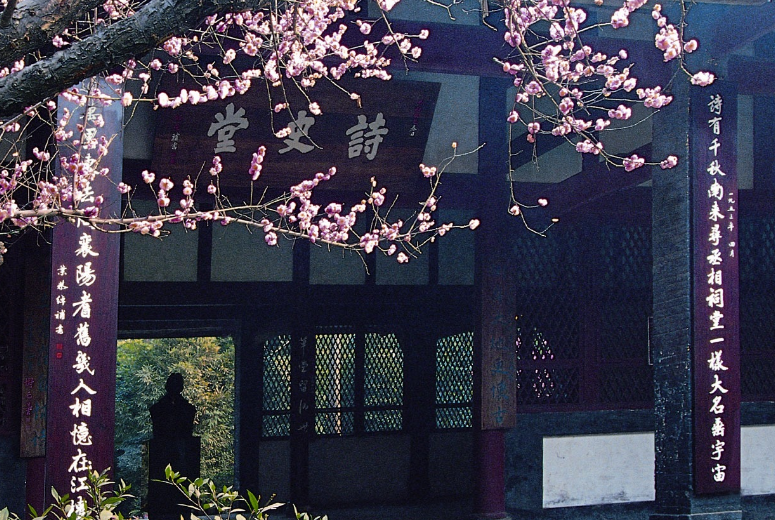
Du Fu Thatched Cottage is a historic site dedicated to the famous Tang Dynasty poet Du Fu. Set in a picturesque location along the river, this site offers visitors a peaceful retreat to explore Du Fu’s life and work. The cottage, gardens, and pavilions are surrounded by lush greenery, making it an inspiring place for poetry lovers and nature enthusiasts alike. Visitors can enjoy the beautiful landscapes and learn about Du Fu’s influence on Chinese literature.
Address: No.37, Qinghua Road, Qingyang District, Chengdu, Sichuan, China
Phone: +86-28-6892-1800
Opening Hours:
· Jan 1-Jun 30 every year: 9:00 AM - 6:00 PM (Tickets available until:5:00 PM)
· Jul 1-Aug 31 every year: 8:30 AM - 6:30 PM (Tickets available until:5:30 PM)
· Sep 1-Dec 31 every year: 9:00 AM - 6:00 PM (Tickets available until:5:00 PM)
Highlights: Visit the poet’s thatched cottage, stroll through the peaceful gardens, and learn about Du Fu’s legacy in Chinese literature.
Transportation:
· Self-Driving and Parking Guide: There are underground professional parking lots at both the South and North Gates of the Du Fu Thatched Cottage Museum in Chengdu. The south gate parking is located at No. 2 Caotang Road, with 300 car parking spaces underground and 12 dedicated parking spaces for tour buses on the surface. The north gate parking is located at No. 37 Qinghua Road, with 200 car parking spaces underground.
· Metro: Take Metro Line 4, get off at Caotang North Road Station, and walk to No. 37 Qinghua Road, North Gate of the Thatched Cottage. Or take Metro Line 5, get off at Qingyang Palace Station, and walk to No. 37 Qinghua Road, North Gate of the Thatched Cottage.
· BRT (Bus Rapid Transit): Get off at the Guanghua Village intersection and walk to No. 28 Caotang Road (Main Gate of the Thatched Cottage), or transfer to other bus routes to No. 37 Qinghua Road, North Gate of the Thatched Cottage.
Website: https://www.cddfct.com/
4. Chengdu Museum
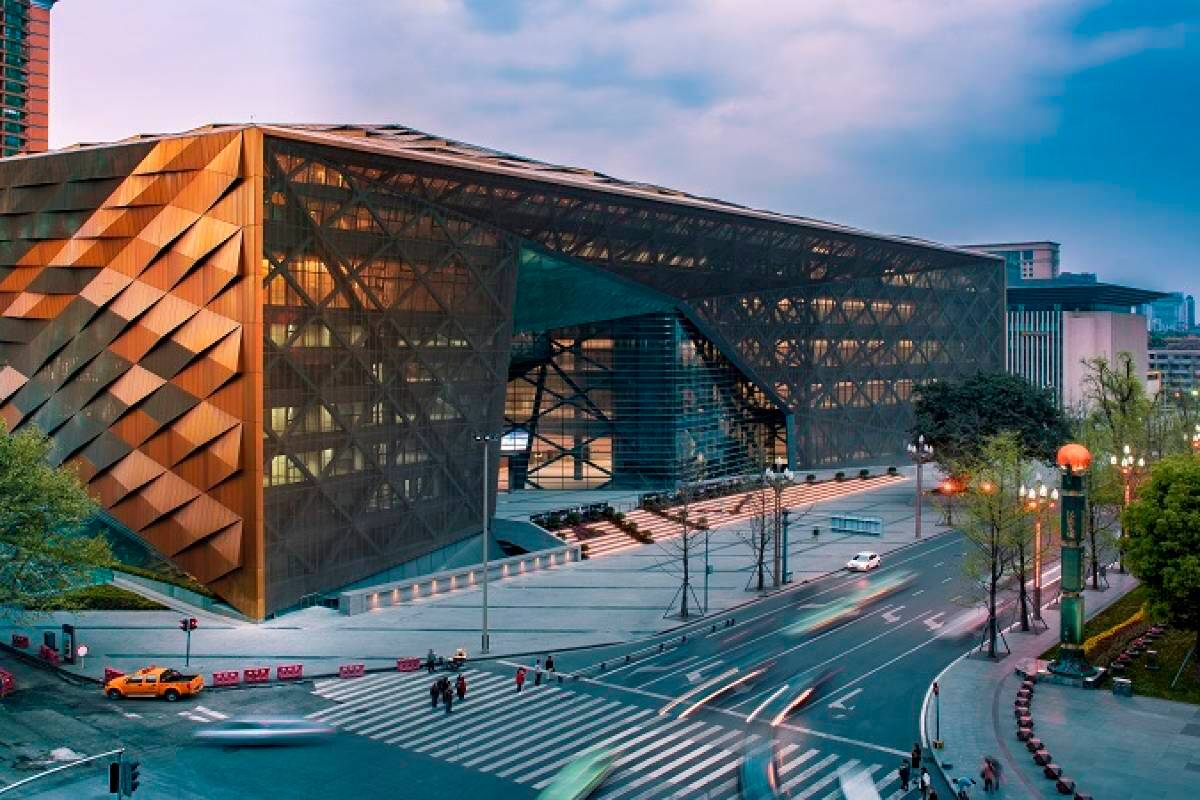
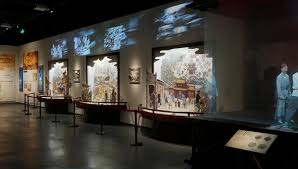
Chengdu Museum is one of the city’s leading cultural institutions, offering a comprehensive look at the region’s history and culture. The museum features exhibits on ancient artifacts, local art, and Chengdu’s cultural evolution. With its modern design and expansive collection, the Chengdu Museum is a must-visit for those interested in learning about the city’s past and its role in Chinese history.
Address: No. 1 Xiaohe Street, Qingyang District (west side of Tianfu Square, Chengdu), Sichuan, China
Phone: +86-28-68277011
Opening Hours:
· Tuesday to Thursday and Sunday: 9:00 AM to 5:00 PM (last entry at 4:30 PM)
· Friday and Saturday (Weekend Children's Museum): 9:00 AM to 8:30 PM (last entry at 8:00 PM)
· Closed on Mondays (except on public holidays)
Highlights: Explore the rich history of Chengdu through ancient artifacts, art exhibits, and cultural displays.
Transportation:
· Car: Tianfu Square is equipped with underground parking lots with 24-hour parking. The parking fee is RMB 5 for 2 hours, and RMB 2 per hour after two hours.
· Buses: 13/30/43/47/64/78 to Xiyujie Station
· Metro: Take Metro Line 1/2 to Tianfu Square Station and follow signs for West 1 (North/South) Exit to get out of the subway.
Website: https://www.cdmuseum.com/en/index.html
5. Wenshu Monastery
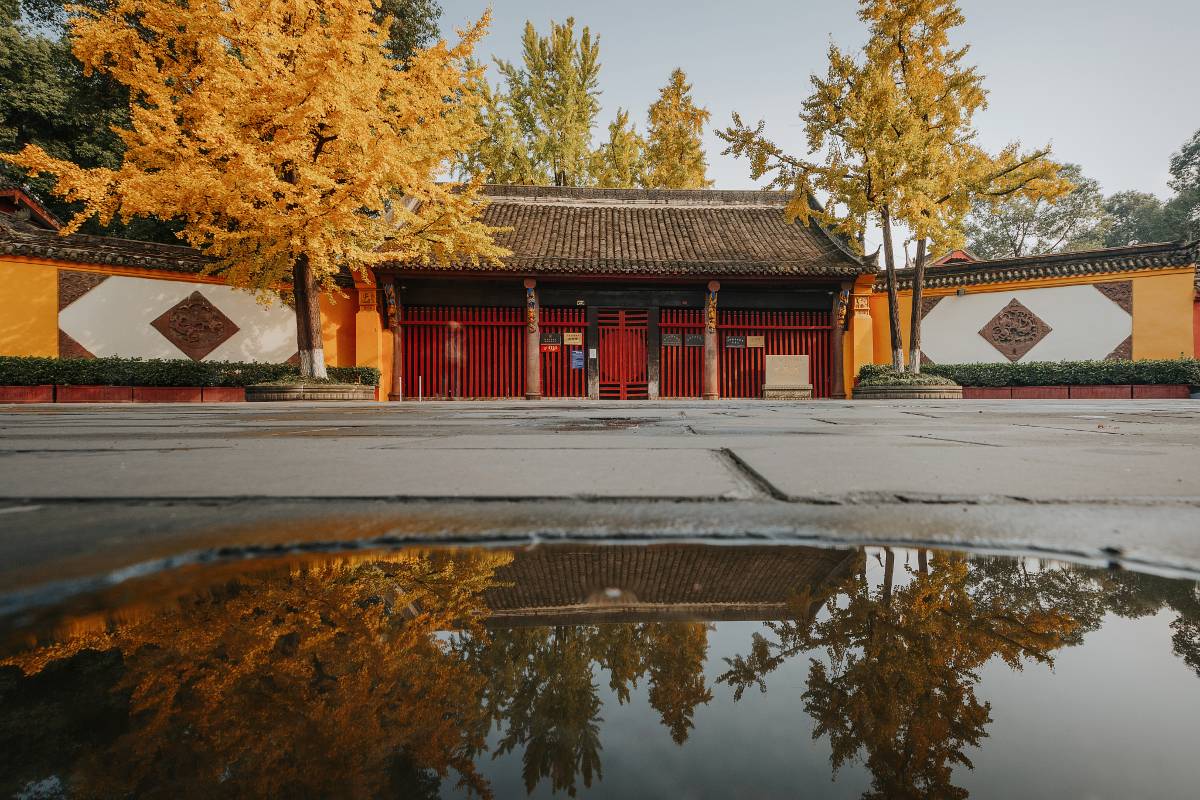
Wenshu Monastery is one of the most significant Buddhist sites in Chengdu, known for its serene ambiance and historical importance. Built during the Tang Dynasty, it is a place of peace and spiritual retreat. The monastery is surrounded by beautiful gardens and ancient trees. Inside, visitors can explore Buddhist scriptures, admire the traditional architecture, and enjoy the peaceful environment. The vegetarian meals offered at the monastery’s restaurant are also a popular attraction.

Address: No. 66 Wenshuyuan Street, Qingyang District, Chengdu, Sichuan, China
Phone: +86-28-86930623 | +86-28-86932375
Opening Hours: 8:00 AM-5:00 PM
Highlights: Explore the Buddhist temple, enjoy the tranquil gardens, and try the vegetarian dishes in the monastery’s restaurant.
Transportation:
· Buses: Take Bus routes 16, 55, or 98, and get off at "Wanfu Bridge" Station.
· Metro: Take Metro Line 1 and get off at "Wenshu Monastery Station." After exiting from Exit K, walk 300 meters to reach the destination.
Website: http://www.konglin.net/
6. Qingyang Taoist Temple
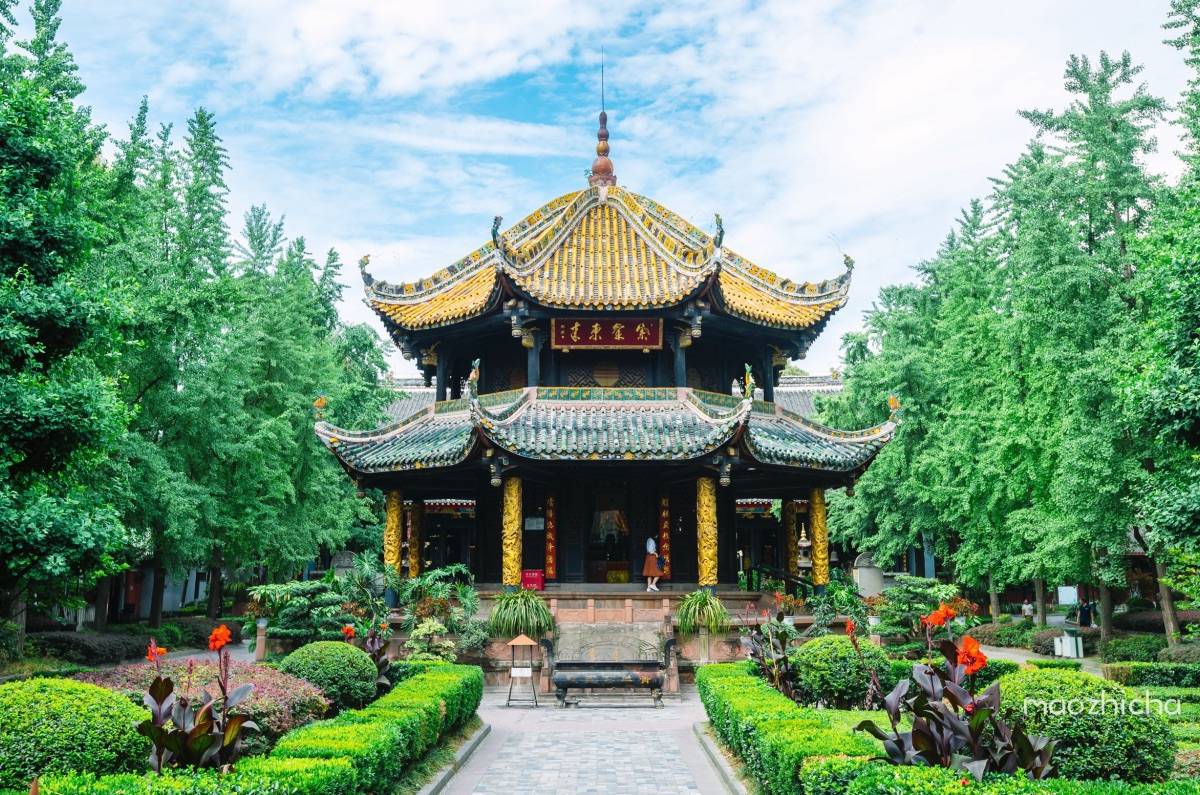
Qingyang Palace is an ancient Taoist temple that offers a fascinating insight into Taoist culture and philosophy. Located in a serene area of Chengdu, the temple complex is known for its traditional architecture, beautiful gardens, and spiritual atmosphere. The main hall of the temple houses numerous Taoist statues and offerings, and visitors can learn about Taoist rituals and practices. It’s a peaceful retreat for those interested in Taoism and Chinese culture.

Address: No. 9, West Section 2, First Ring Road, Qingyang District, Chengdu, Sichuan, China
Phone: +86-28-87766584
Opening Hours: 8:00 AM-6:00 PM
Highlights: Explore the ancient Taoist temple, admire the traditional architecture, and learn about Taoist rituals and history.
Transportation:
· Buses: Take Bus routes 5, 17, 22, 25, 27, 42, 46, 58, 82, or 301 to reach Taoist Temple.
7. Sichuan Science and Technology Museum
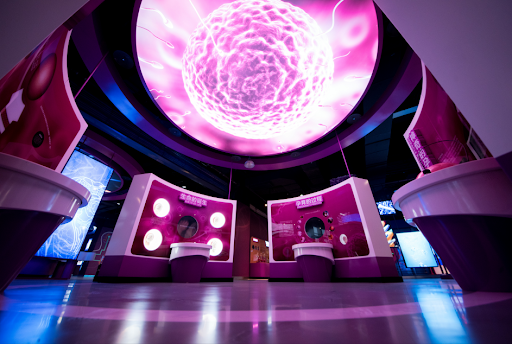
The Sichuan Science and Technology Museum is an interactive museum dedicated to showcasing the wonders of science and technology. Ideal for families and science enthusiasts, the museum offers exhibits on a range of topics, including space exploration, robotics, and environmental science. With interactive displays and hands-on experiences, it’s a great place to learn and have fun.

Address: No.16, Section 1, Renmin Middle Road, Qingyang District, Chengdu, Sichuan, China
Phone: +86-028-86609999
Opening Hours:
· Tuesday-Sunday:9:20 AM-5:00 PM(Admission ends at:4:30 PM)
· Monday:Closed all day
Highlights: Explore interactive science exhibits, visit the planetarium, and engage with hands-on demonstrations.
Transportation:
· Buses: Take Bus 16, 45, 53, 61, 64, or Airport Shuttle Line 2 to Tianfu Square East Station. From the bus station, head north along Renmin Middle Road for 250 meters to reach the Sichuan Science and Technology Museum.
· Metro: Take Metro Line 2 or Line 1 to Tianfu Square Station. You can exit from Exit B/F/H, then walk along Shudu Avenue and Renmin East Road, continuing along Renmin Middle Road for a short distance to reach the Sichuan Science and Technology Museum.
Website: http://www.scstm.com/
C. Jinjiang District (Modern Chengdu and Shopping)
1. Anshun Bridge
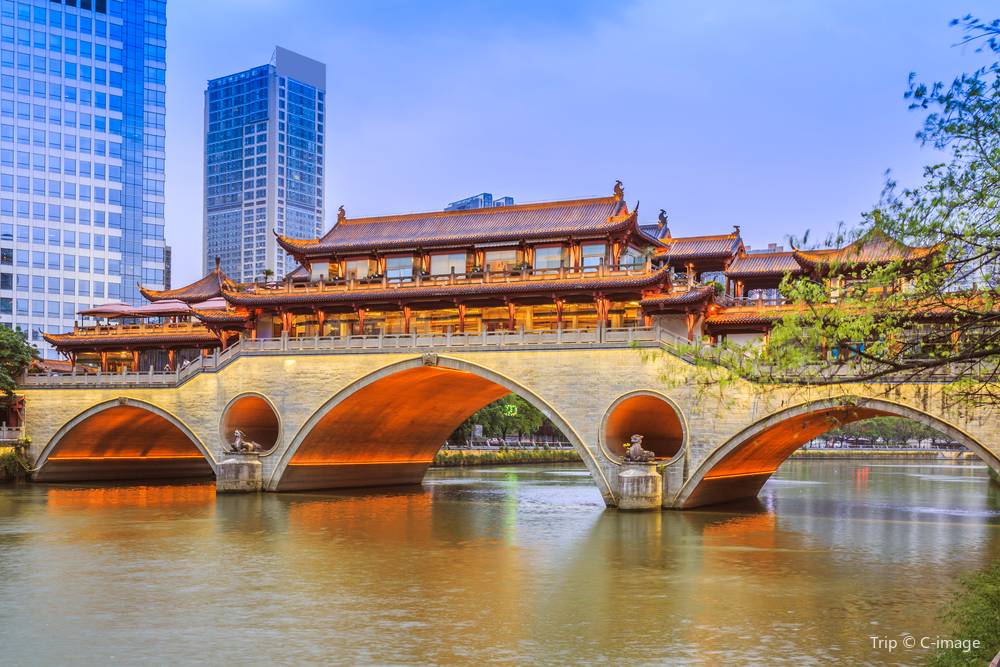
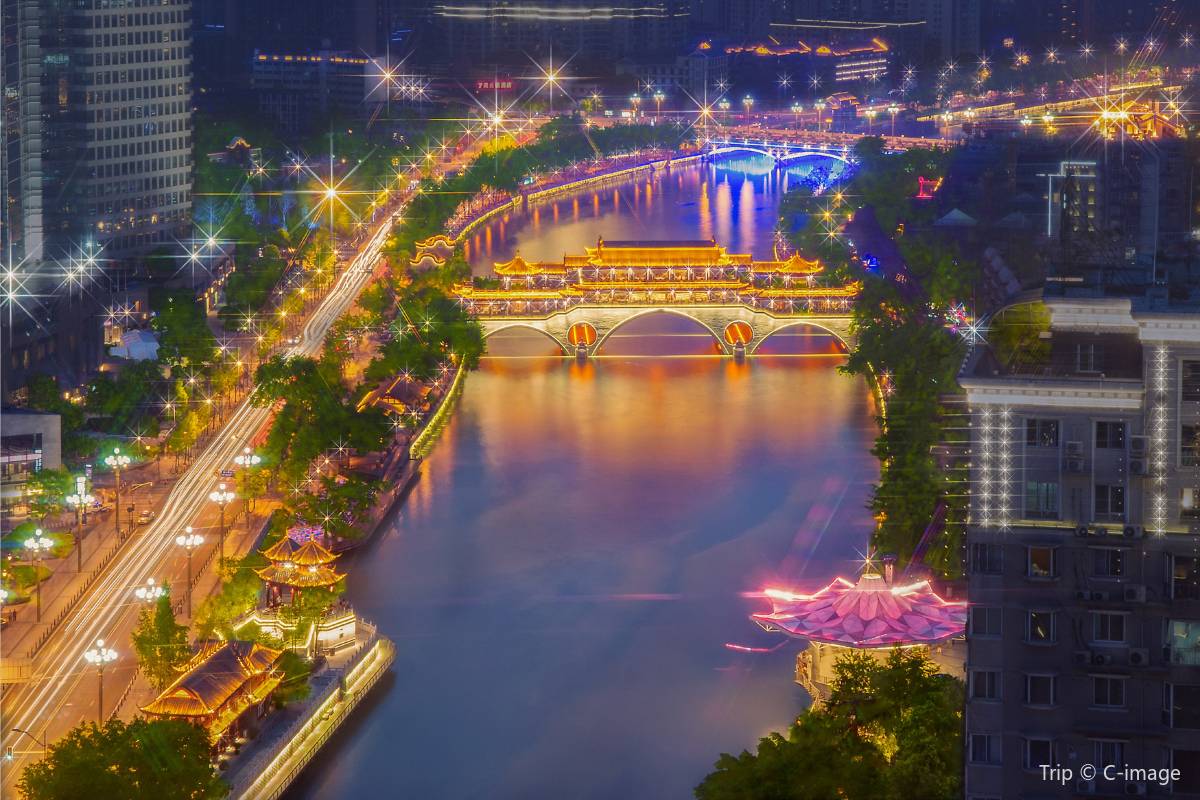
Anshun Bridge, also known as the "Anshun Langqiao," is a historic bridge that spans the Jin River in Chengdu. The bridge, built in traditional Chinese architectural style, is an important cultural landmark in the city. It is especially famous for its exquisite wooden structure and beautiful decoration. At night, the bridge is lit up with colorful lights, making it a perfect spot for evening strolls. Beneath the bridge, visitors can find a variety of riverside teahouses and restaurants where they can enjoy local Sichuan cuisine while taking in the views. Anshun Bridge offers a peaceful yet vibrant atmosphere, ideal for a relaxing visit.
Address: Binjiang E Rd, Jinjiang Qu, Chengdu, Sichuan, China
Opening Hours: Open all day
Highlights: Explore the ancient architecture of the bridge, enjoy riverside dining and tea houses, and capture beautiful photos of the bridge lit up at night.
Transportation:
· Buses: You can take Bus routes 1093, 343, 35, 56A, or 68 to reach the destination.
· Metro: Take Metro Line 2 and get off at Dongmen Daqiao Station, then walk to your destination.
2. Chengdu IFS Mall (International Finance Square)
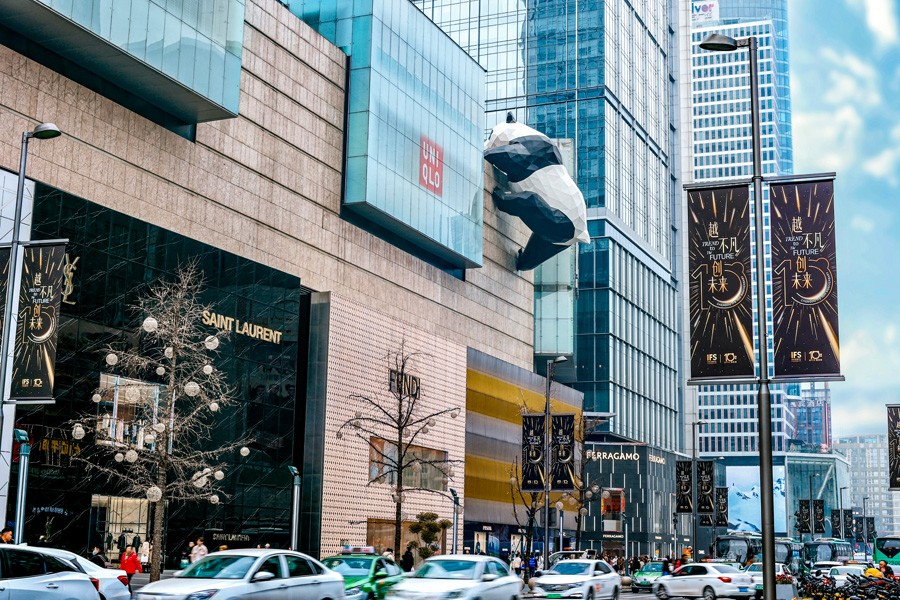
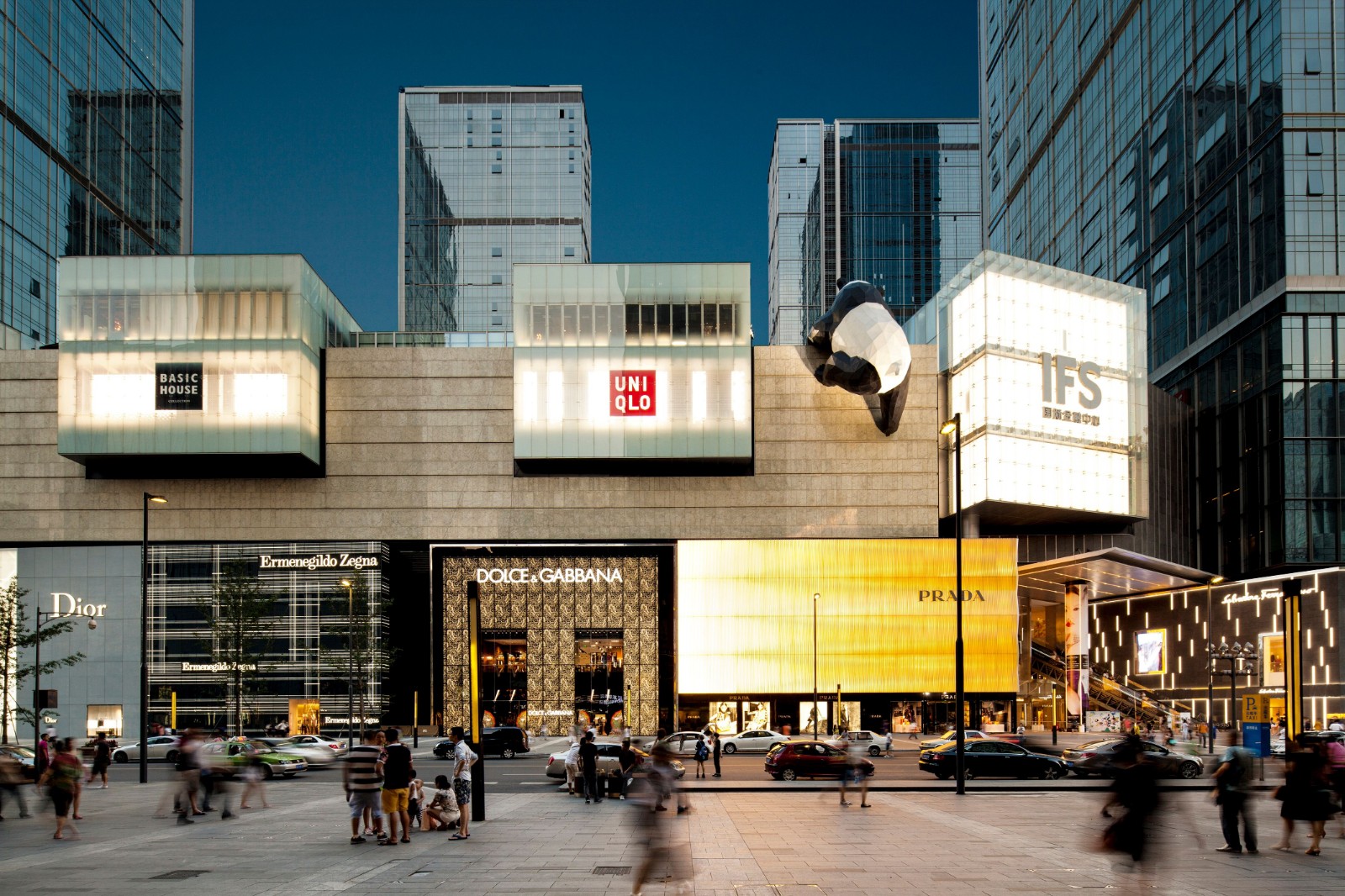
Chengdu IFS (International Finance Square) is a luxury shopping mall and skyscraper complex located in the heart of Chengdu. Known for its modern architecture, this massive shopping center offers a blend of high-end international brands, trendy boutiques, fine dining options, and entertainment. It is also home to some of the world’s most renowned luxury retailers, making it a must-visit for shopping enthusiasts. At night, the building is beautifully illuminated, and visitors can also enjoy stunning views of the city from the top floors.
Address: No.1 HongXing Road, Jinjiang District, Chengdu, Sichuan, China
Phone: +86-28-69396939
Opening Hours: 10:00 AM-10:00 PM
Highlights: Shop at luxury international brands, dine in upscale restaurants, enjoy panoramic views from the observation deck, and explore the vibrant nightlife in the area.
Transportation:
· Driving Route: Parking Entrance: North Shamao Street
Over 1,700 parking spaces
Valet Parking: L3 VIP Parking Lot (opposite to Niccolo Hotel) Or L3 Podium Parking (near Piaget)
· Metro: Chengdu Metro Line 2: Exit C&D, Chunxi Road Station Or Chengdu Metro Line 3: Exit C&D, Chunxi Road Station
Website: https://www.cdifs.cn/zh/homepage
3. Chunxi Road
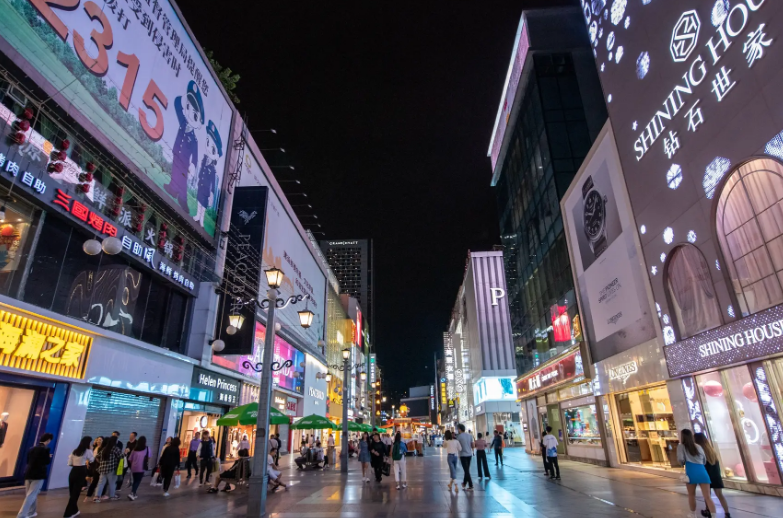
Chunxi Road is one of Chengdu's most famous and bustling shopping streets, attracting locals and tourists alike. Lined with a mix of modern shopping malls, street vendors, and department stores, the area is an ideal place to experience the vibrant pulse of the city. Here, visitors can shop for everything from trendy fashion to unique local products, and try out some of Chengdu’s iconic street food. The road is especially lively in the evenings, with the neon lights and crowds creating an energetic atmosphere.

Address: Chunxi Road, Jinjiang District, Chengdu, Sichuan, China
Opening Hours: Open all day
Highlights: Shop at fashionable stores, try local Sichuan snacks, and explore the lively streets filled with neon lights and a bustling atmosphere.
Transportation:
· Metro: Take Metro Line 2 or Line 3, and get off at Chunxi Road Station. Exit from Exit D.
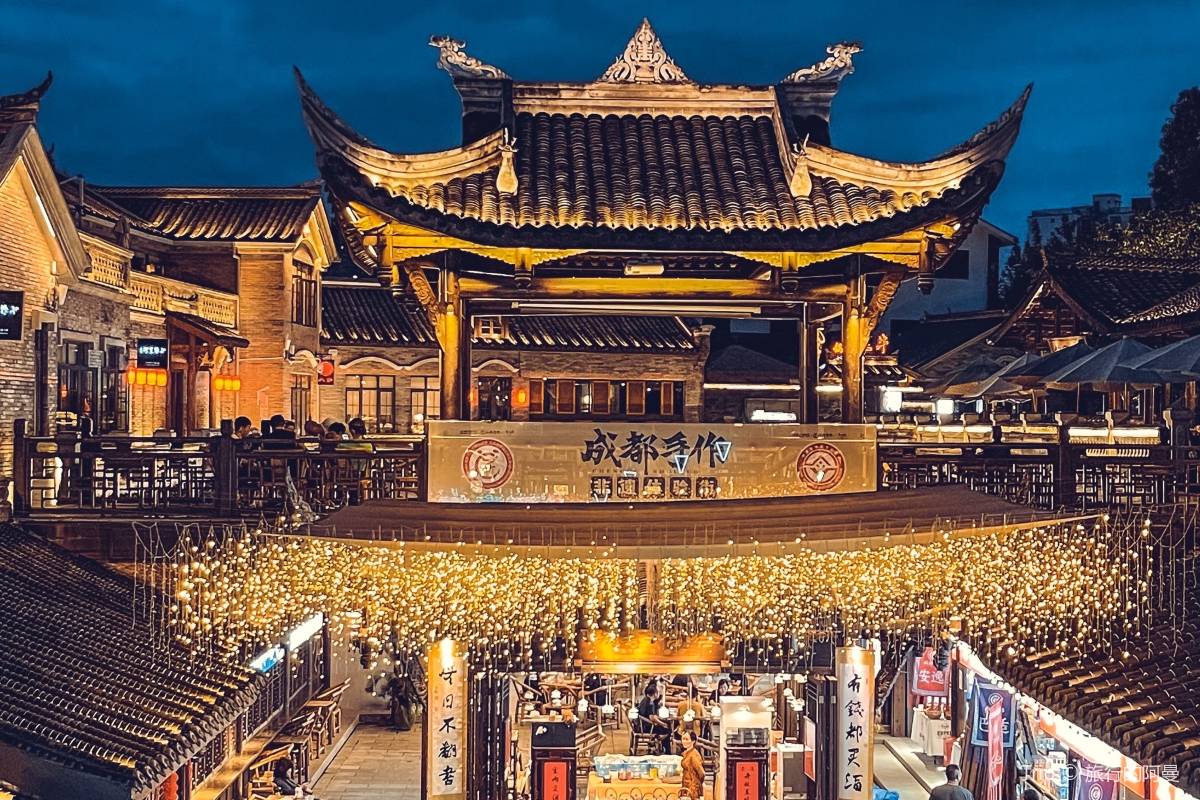
4. Dongmen Marketplace
Dongmen Market is a traditional Chengdu street market that offers a vibrant and authentic look at the local life and culture of the city. Located in the eastern part of the city, this area is packed with food stalls, local shops, and market vendors selling everything from fresh produce to handmade goods.

Address: No. 9, Lingxi West Road, Jinjiang District, Chengdu, Sichuan, China
Phone: +86-18116642363
Opening Hours: Open all day
Highlights: Browse local markets, enjoy traditional Sichuan street food, and experience the lively, authentic atmosphere of a Chengdu street market.
Transportation:
· Buses: Chengdu East Gate Market Metro Lines 2/7 Holiday Special Bus Routes
· Metro: Take Metro Line 7, get off at Shizishan Station, Exit D, and walk a few hundred meters to reach your destination.
Website: http://www.dongmenshijing.cn/
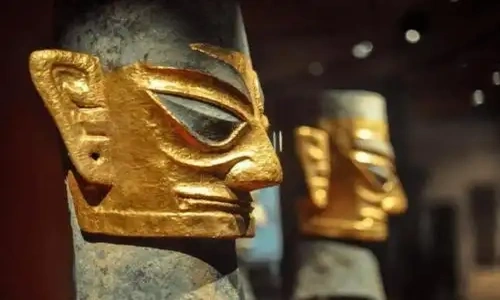 Day Tour in Chengdu: An In-Depth Tour of Ancient Shu Culture and Artistic Creation
 Chengdu Delights: A 3-Day Journey of Culture, Pandas & Sichuan Flavors
D. Chenghua District (Local Life and Parks)
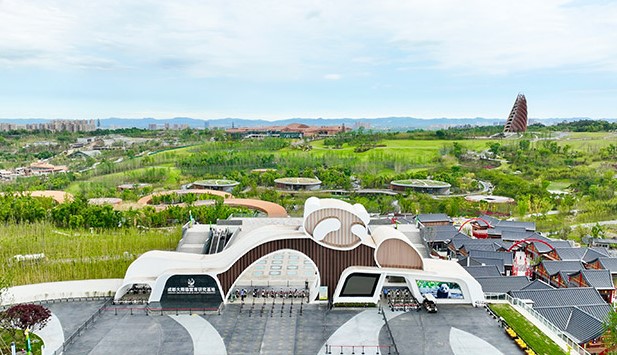
1. Chengdu Research Base of Giant Panda Breeding
The Chengdu Research Base of Giant Panda Breeding is one of the most famous conservation centers in the world, dedicated to the protection and breeding of giant pandas. Located on the outskirts of Chengdu, the base provides a natural habitat for over 80 pandas, as well as other endangered species like red pandas and migratory birds. Visitors can watch these adorable creatures play, eat bamboo, and interact with each other. The facility also offers educational exhibits about panda conservation efforts and the importance of protecting wildlife.

Address: 1375 Panda Avenue, Chenghua District, Chengdu, Sichuan, China
Phone: +86-28-83510033
Opening Hours:
· From November to February: Morning admission at 8:00-12:00; Afternoon admission at 12:00-16:30 (closed at 17:30)
· From March to October: Morning admission at 7:30-12:00; Afternoon admission at 12:00-17:00 (closed at 18:00)
Highlights: See giant pandas in their natural environment, visit the panda breeding center, and learn about panda conservation efforts.
Transportation:
· “Metro + Bus” Route:
Take Metro Line 3 to Chengdu Junqu General Hospital Station and exit at Exit B. Then Walk 280 meters to the bus stop. Transfer to Shuttle Bus 409 to reach the West Gate (about 10-min drive). Or transfer to Bus 110/659 to reach the West Gate.
Another way is take Metro Line 3 to Panda Avenue Station and exit at Exit A. Then Transfer to Shuttle Bus 408 to reach the South Gate. Take Metro Line 3 to Zoo Station and exit. Or Transfer to Bus 655/87 to reach the South Gate.
· Scenic Area Direct Bus (Direct Bus): Direct route to popular scenic areas in the downtown area: There are dedicated buses to attractions like Chunxi Road, and Kuanzhai Alleys.
Inquiry Method: Follow the public platforms.
WeChat Mini Program: Scenic Area Direct Bus|Chengdu Bus APP
Public Account: Chengdu Tourism & Sightseeing Bus
Website: https://www.panda.org.cn/en/
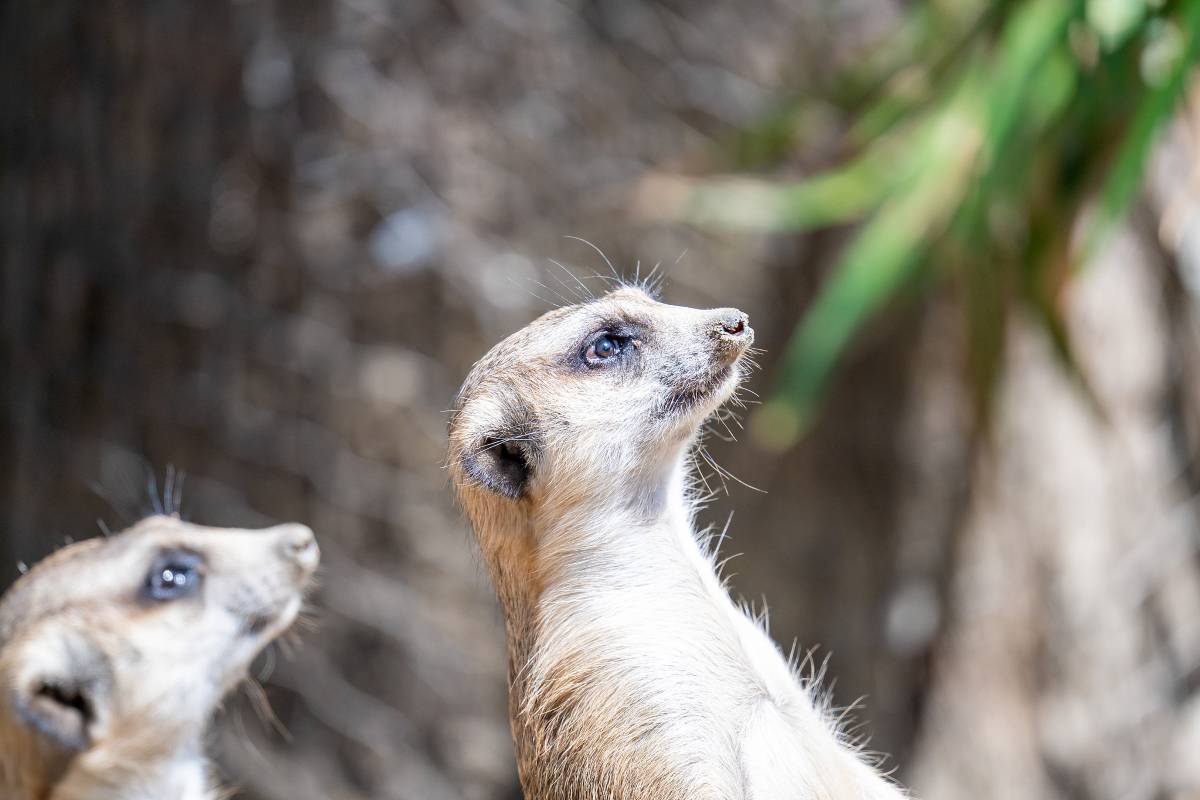
2. Chengdu Zoo
Chengdu Zoo is a large urban zoo that is home to a variety of animals from around the world, including the iconic giant panda, South China tigers, and rare golden monkeys. The zoo is divided into different sections based on animal habitats, such as the Africa Zone, the Asia Zone, and the rare species area. The zoo also offers an educational experience, focusing on animal conservation and protection. It’s a great place for families, animal lovers, and anyone looking to see a diverse range of species.

Address: No. 234, Zhaojuesi South Road, Chenghua District, Chengdu (260 meters walk from Exit A of Zoo Metro Station), Sichuan, China
Phone: +86-28-83516953 | +86-28-83519606
Opening Hours:
· Mar 1-Oct 31 every year: 8:00 AM-5:30 PM(Admission ends at:4:30 PM)
· Every year from Nov 1 to Feb 28 of the following year: 8:30 AM-5:30 PM(Admission ends at:4:30 PM)
Highlights: Visit the panda enclosure, see exotic animals from around the world, and explore the zoo’s animal exhibits and conservation efforts.
Transportation:
· Metro: Take Metro Line 3, Exit A.
Website: http://www.cdzoo.com.cn/
3. Eastern Suburb Memory
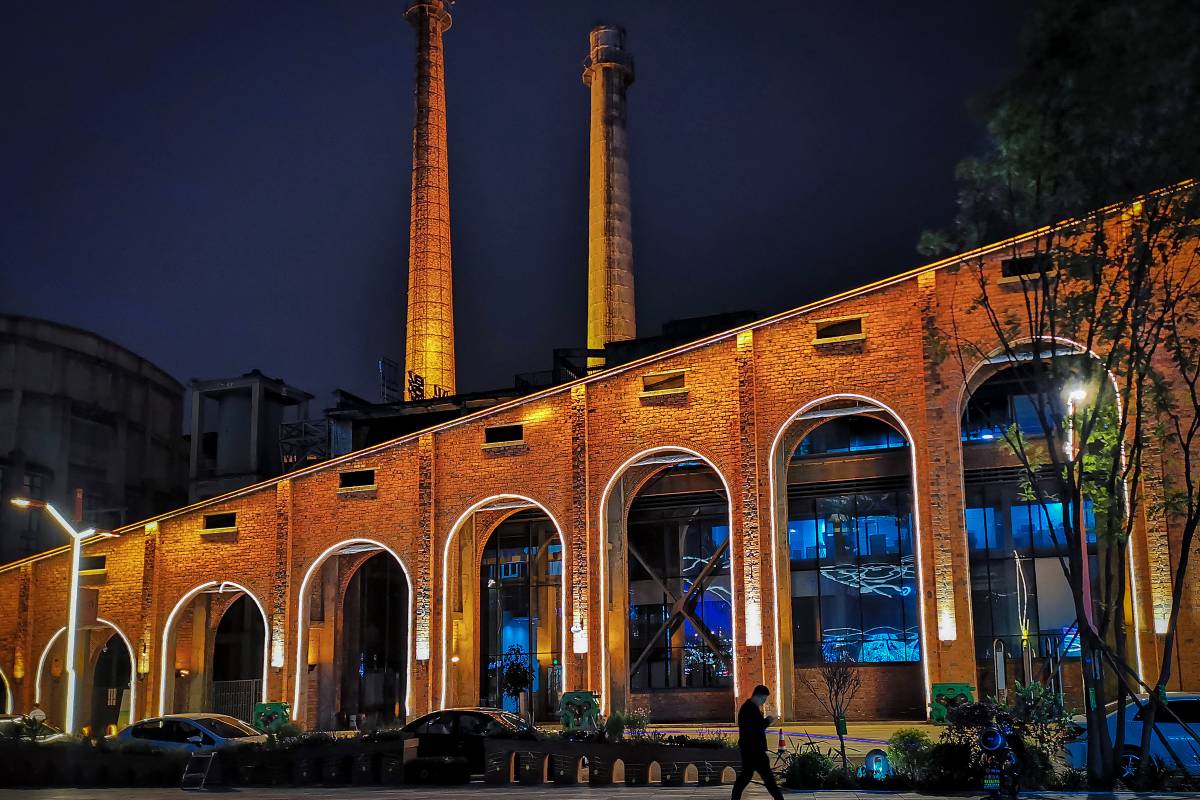
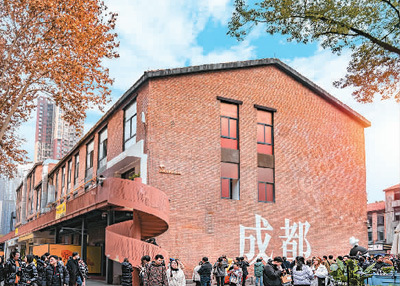
Eastern Suburb Memory is an arts and cultural hub located in the eastern part of Chengdu, created from an old industrial site. This creative space has become one of the city’s most vibrant areas for music, art, and urban culture. The venue hosts a variety of events, including concerts, art exhibitions, food festivals, and workshops. It’s a favorite spot for young people and creatives looking to experience Chengdu’s evolving urban culture and art scene. The industrial architecture and graffiti-filled walls add to the area’s unique and artistic atmosphere.
Address: No. 1, Jianshe Road, Chenghua District, Chengdu, Sichuan, China
Phone: +86-28-84383110 | +86-28-84266726
Opening Hours: Open all day
Highlights: Explore art galleries, attend live music performances, enjoy food festivals, and discover Chengdu’s alternative cultural scene.
Transportation:
· Metro: Take Metro Line 7 (Li Gong University Station).
E. Jinniu District (Hidden Gems and Cultural Exploration)
1. Chengdu Happy Valley
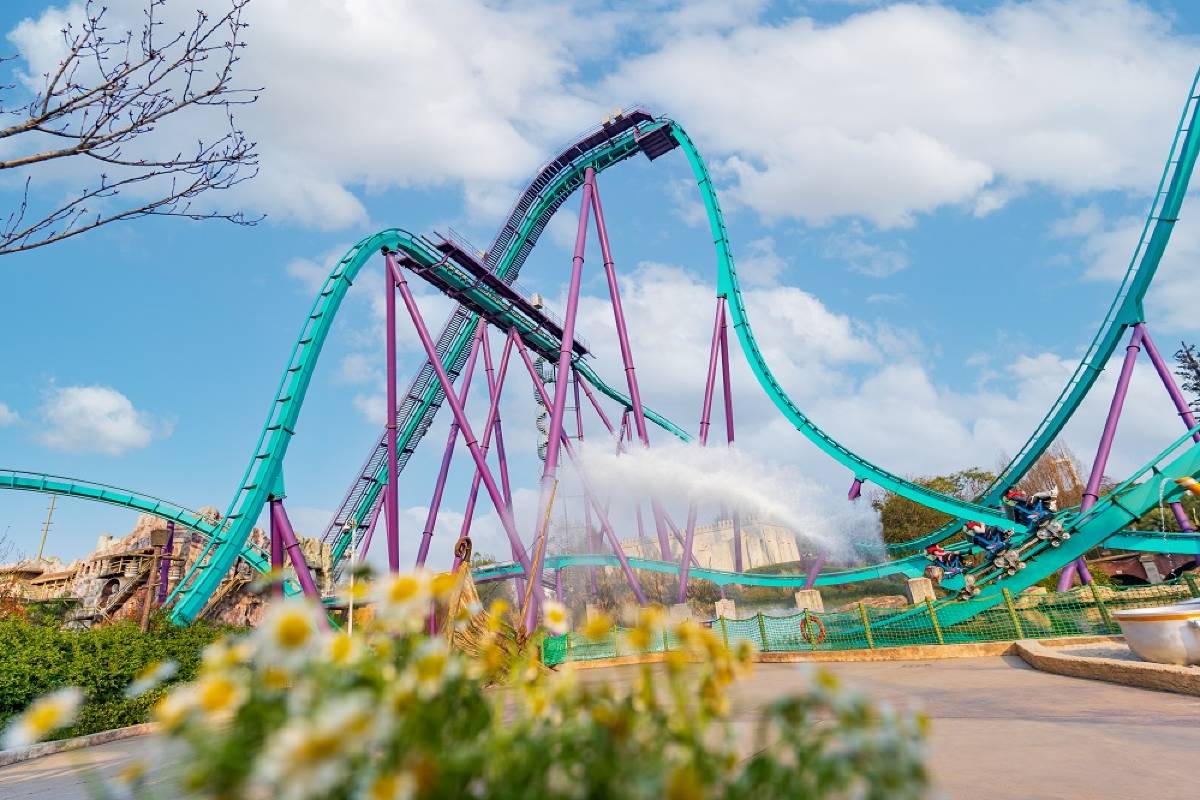
Chengdu Happy Valley is a large, modern amusement park that offers a wide range of exciting rides and attractions for visitors of all ages. The park features various themed areas, including roller coasters, water rides, and live shows, making it a perfect destination for families and thrill-seekers.

Address: No.16, Xihua Avenue, Jinniu District, Chengdu, Sichuan, China
Phone: +86-28-61898118
Opening Hours:
· Friday-Sunday:10:00 AM-10:00 PM (Admission ends at:9:00 PM)
· Monday-Thursday:10:00 AM-9:30 PM (Admission ends at:8:30 PM)
Highlights: Experience thrilling rides, enjoy cultural performances, and have fun at themed attractions like the roller coasters and water rides.
Transportation:
· Buses:
Huaqiaocheng Station: Bus routes 48, 119, 715, 715A, and Community Bus 1061.
Huaqiaocheng Happy Valley (Inner 3rd Ring Road): Bus route 136.
· Metro: Take Metro Line 6 to Xihua Avenue Station, Exit D, and walk about 736 meters to reach Happy Valley.
· Car:Self-driving visitors can drive along Chengdu’s 3rd Ring Road to the Jiaoda Interchange Bridge, or take Jiaoda Road and Xihua Avenue towards the Jiaoda Interchange Bridge to reach the destination.
Parking Entrance: Chengdu Happy Valley Entrance 2 and 3.
Website: https://cd.happyvalley.cn/
2. Chengdu Tianfu Art Museum
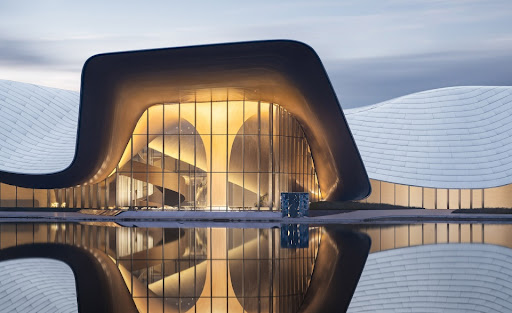
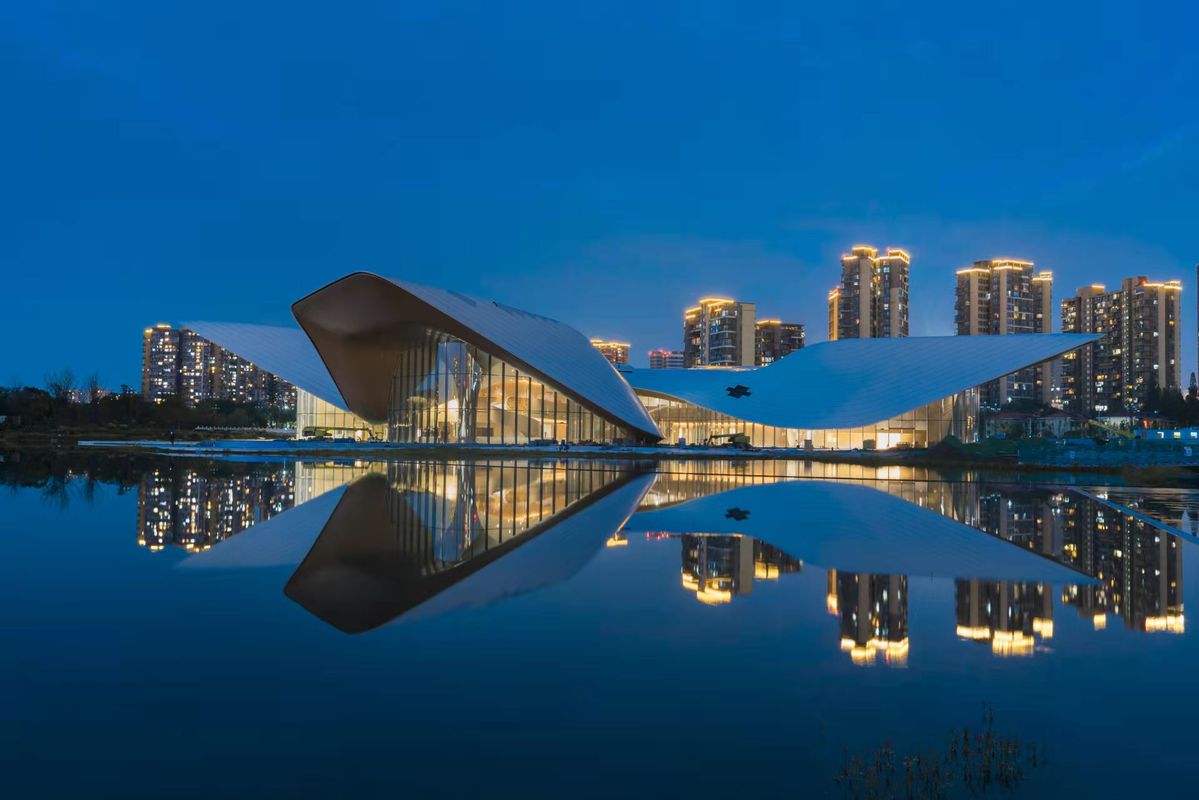
Chengdu Tianfu Art Museum is a prominent cultural landmark dedicated to contemporary and traditional art in Chengdu. The museum features a variety of exhibits, including works by both Chinese and international artists, with a special focus on Sichuan’s unique artistic heritage. The museum’s design blends modern architecture with traditional elements, creating an inspiring environment for art lovers.
Address: No. 181 Huayan Road, Jinniu District, Chengdu, Sichuan, China
Phone: +86-28-63068638
Opening Hours:
· Tuesday-Sunday: 10:00 AM-8:00 PM (Admission ends at:7:30 PM)
· Monday: Closed all day
Highlights: Admire contemporary and traditional Chinese art, explore rotating exhibitions, and enjoy the tranquil museum environment.
Transportation:
· Buses:
Get off at "Yuejin Village Station" (446 meters from Building B): Bus route 710A.
Get off at "Tianfu Art Park Station" (881 meters from Building A, 439 meters from Building B): Bus routes 4, 62, 116, 143, 214, 314, 710, 720, 723, 281, G173, and Night Bus 5.
· Metro:
Line 2: Take Metro Line 2 to Yingbin Avenue Station, Exit D. After exiting, walk about 1 km along Yingbin Avenue and Jinniu Avenue to reach the Chengdu Contemporary Art Museum.
Line 6: Take Metro Line 6 to Xihua Avenue Station, Exit B. After exiting, walk about 1.5 km along Huafeng Road to reach the Tianfu Art Museum.
· Direct tourist shuttles: Direct tourist shuttles to the museum are available from Chengdu Shuangliu Airport, Chengdu East Bus Station, Kuanzhai Alley, Du Fu’s Thatched Cottage, Jinsha Site, Chengdu IFS, Chunxi Road, Taikoo Li, Dujiangyan, and Sanxingdui.
3. Chengdu Yongling Museum
Chengdu Yongling Museum is a fascinating historical site that showcases the cultural heritage of the ancient Shu Kingdom. The museum is housed in the tomb of the Shu King, Liu Zhang, and is an important archaeological site in Chengdu.


Address: No. 10, Yongling Road, Jinniu District, Chengdu, Sichuan, China
Phone: +86-28-87789003
Opening Hours: 7:00 AM-10:00 PM
Highlights: Explore ancient tombs, admire relics and murals from the Three Kingdoms era, and learn about the history of the Shu Kingdom.
Transportation:
· Buses: You can take Bus routes 25, 30, 42, 48, 54, 94, 109, or 302 to reach the destination.
Top Eats in Chengdu: Must-Try Foods and Dining Experiences
Chengdu, known for its bold flavors and spicy cuisine, is a haven for food lovers. The city is the birthplace of Sichuan cuisine, which is renowned for its use of chili peppers, garlic, and Sichuan peppercorns, creating a unique balance of spicy, numbing, and savory flavors. Chengdu’s food culture is a blend of traditional dishes, street food, and dining experiences that reflect the local way of life. Here are the essential food experiences you should have when visiting Chengdu:
A. Iconic Dishes to Try
1. Taste the Famous Chengdu Hotpot
Chengdu's hotpot is the epitome of Sichuan cuisine, offering a thrilling culinary experience with its signature spicy and numbing flavor profile. The hotpot is served with a bubbling broth that is either chili oil-based or clear broth. The ingredients — ranging from meats like beef, lamb, and pork to vegetables like mushrooms and cabbage — are cooked in the hotpot at the table, making it a fun and interactive dining experience.
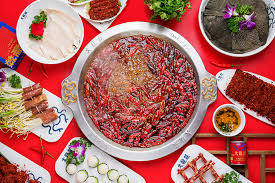
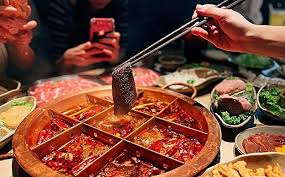
Spicy or Mild: While the default is fiery, you can request a less spicy option if you’re not used to the heat. However, be prepared for the signature Sichuan peppercorns, which provide the "numbing" sensation on the tongue, called má.
Must-try Ingredients: Include sliced beef, duck blood, tofu skin, and fish balls. For the adventurous eater, spicy rabbit head and pork kidneys are local delicacies.
Where to Eat: Popular spots like Chuan Chuan Xiang, Shu Da Xia, and Huo Guo Jia are famous for their authentic hotpot.
2. Explore Chengdu's Street Food: Jinli and Wuhou Shrine
Chengdu is home to some of China’s best street food, and Jinli Ancient Street and the surrounding areas are perfect for sampling local snacks. This vibrant street is lined with stalls offering an array of mouth-watering treats that are deeply rooted in the city’s culinary heritage.
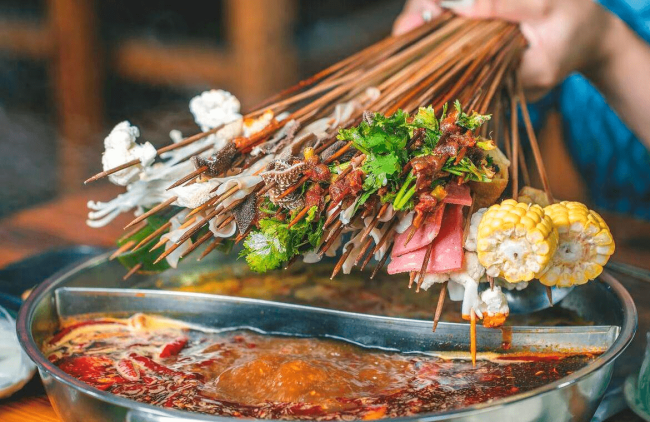
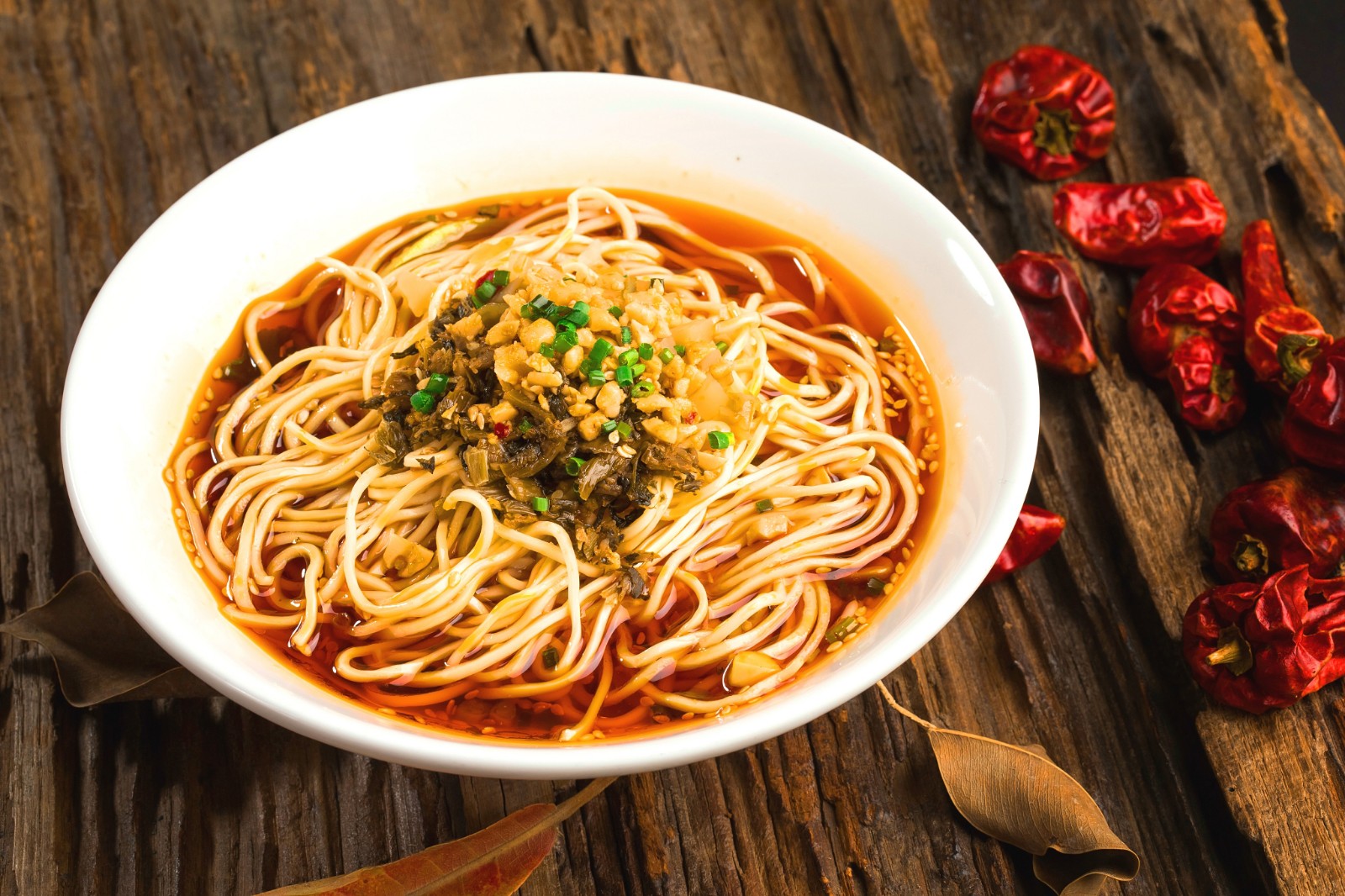
Chuan Chuan: Skewers of various meats and vegetables, boiled in a spicy broth and served with dipping sauces. It's a more portable version of hotpot, popular in the streets.
Mapo Tofu: A spicy, flavorful tofu dish, cooked with chili paste, minced pork, and topped with Sichuan peppercorns.
Dan Dan Noodles: A noodle dish served with minced pork, chili sauce, and sesame paste, often topped with peanuts for crunch.
Long Chao Shou: Dumplings filled with seasoned pork and served in a spicy broth.
*Jinli and Wuhou Shrine: As you stroll through these historical streets, you’ll find street food vendors that offer crispy tofu, steamed buns, and sweet rice cakes. Don't forget to try a local tea drink, like sichuan-style jasmine tea.
3. Indulge in Sichuan’s Iconic Dishes
Sichuan cuisine, known for its bold and vibrant flavors, is one of the most distinctive and beloved culinary traditions in China. Characterized by its use of Sichuan peppercorns, chili peppers, and garlic, the cuisine creates a unique sensory experience often described as "mala". This combination produces a tingling, mouth-numbing sensation that pairs perfectly with fiery heat, offering a complex, layered taste that sets Sichuan cuisine apart from other regional Chinese cooking styles.
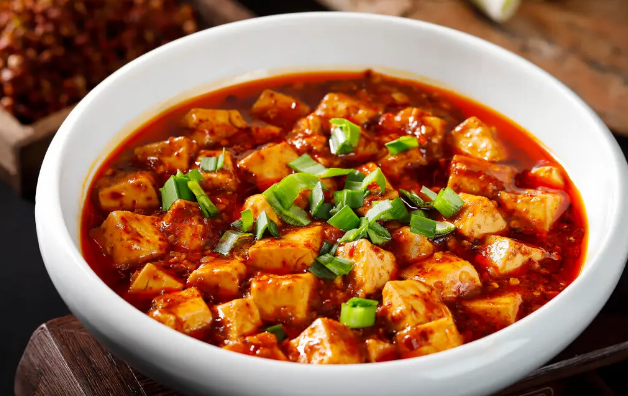

Kung Pao Chicken: A well-known dish featuring diced chicken, peanuts, vegetables, and dried chili peppers, stir-fried in a tangy sauce made from soy sauce, vinegar, and sugar. This dish is a spicy-sweet sensation.
Fish-fragrant Pork: Despite its name, this dish doesn’t contain fish. Instead, it’s made from shredded pork, stir-fried with garlic, ginger, and a tangy sauce made with soy sauce, vinegar, and chili paste.
Mapo Tofu: Known internationally, this dish features tofu cubes simmered in a spicy sauce made from fermented bean paste, chili oil, and Sichuan peppercorns for that signature numbing sensation. It’s often served with minced pork or beef.
Sichuan Hot Dry Noodles: A perfect dish for those who enjoy a rich and spicy flavor profile. These noodles are tossed in garlic, soy sauce, and chili paste, topped with chopped peanuts and cilantro.
Sichuan Pickles: A great way to balance the spiciness of Sichuan dishes, pickled vegetables like radish and cabbage provide a refreshing tang to the meal.
4. Experience Chengdu’s Tea Culture
Tea drinking is an important aspect of Chengdu's culture, with traditional tea houses scattered throughout the city. A visit to a Chengdu tea house is not just about drinking tea — it’s about experiencing the city’s relaxed atmosphere and engaging with locals.
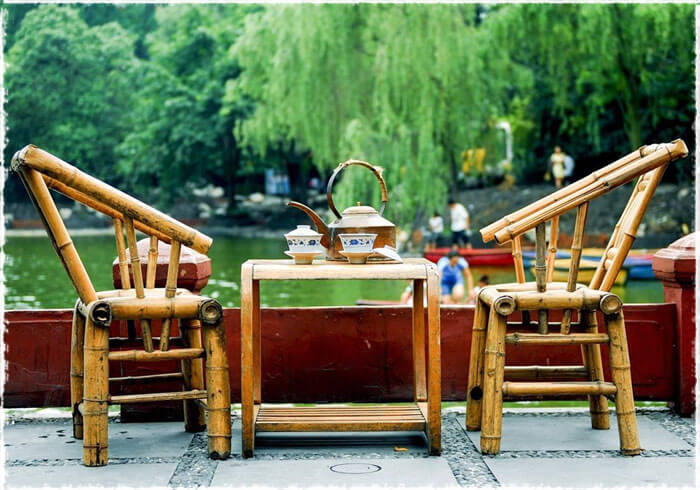
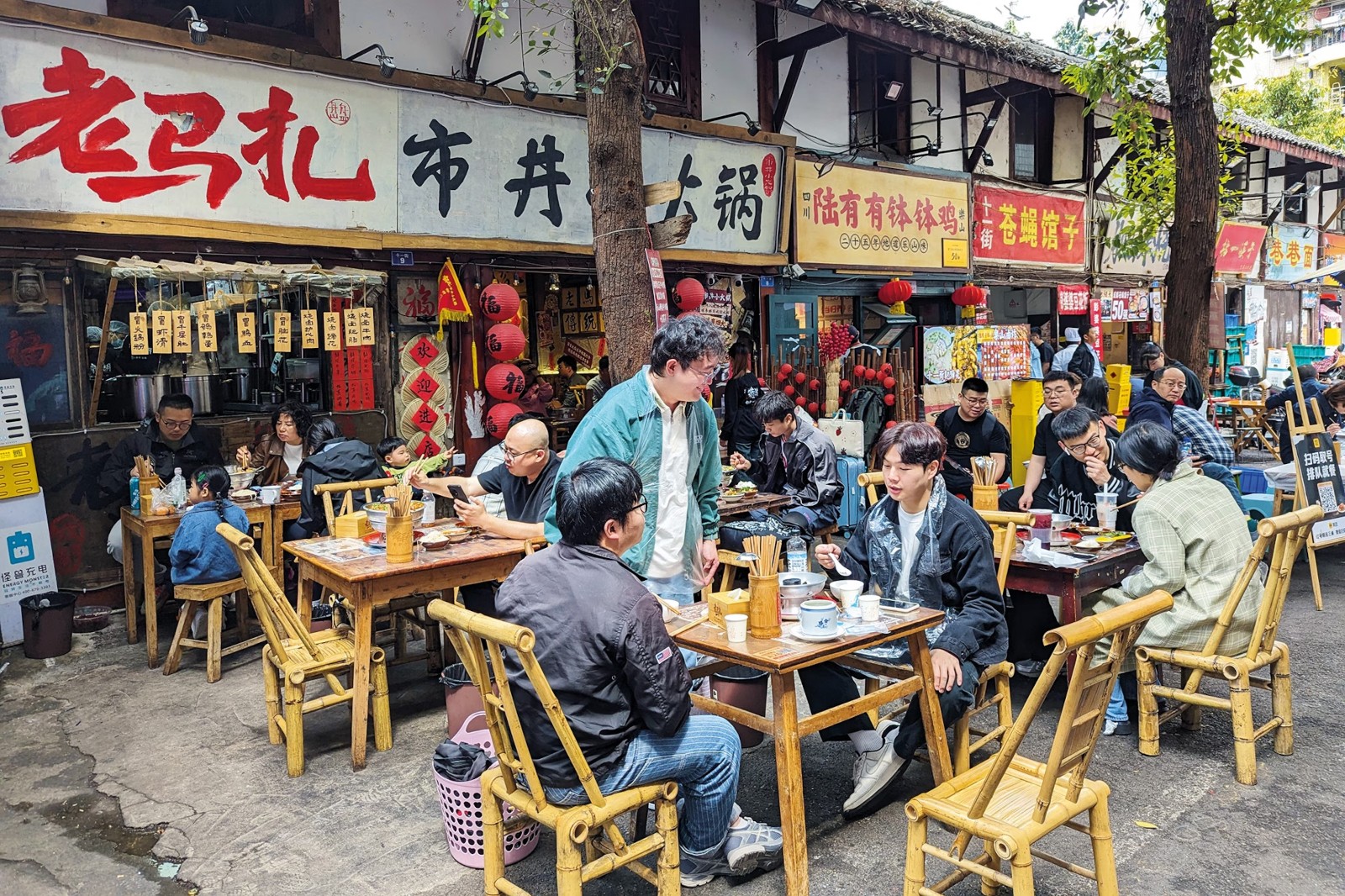
Traditional Tea Houses: Visit spots like People’s Park, where you can enjoy a cup of Sichuan tea while watching locals engage in Tai Chi, chess games, or singing. Many tea houses also feature local performances such as Sichuan opera and face-changing shows.
Chengdu Jasmine Tea: Jasmine tea is commonly consumed in Chengdu, and you’ll often find it served alongside traditional Sichuan snacks.
B. Dining Tips
1. Spice Level 101
Sichuan cuisine is famous for its bold flavors, particularly the numbing sensation from the Sichuan peppercorn. This unique spice is what gives the food its signature “mala” taste — a combination of ma (numbing) and la (spicy). If you're new to the spice, it can be intense, so it’s a good idea to start with milder dishes before diving into the more fiery ones. Many restaurants will allow you to adjust the level of heat, so don’t hesitate to ask for a milder version if you're sensitive to spice.
2. Best Markets for Street Food
For an authentic taste of Chengdu’s street food, explore the city’s bustling food markets. Kuanzhai Alley is a lively spot where you can sample local specialties, from spicy snacks to traditional Sichuan noodles. Jinli Ancient Street offers an incredible selection of sweet and savory dishes, from fried dough sticks to steaming bowls of noodles. These markets provide the perfect environment to try Chengdu’s best street food, with the added bonus of experiencing the city's vibrant street culture.
Top Shops in Chengdu: Must-Visit Shopping Destinations
Chengdu is not only a city known for its rich culinary and cultural heritage but also a vibrant shopping destination that blends modern retail experiences with traditional craftsmanship. Whether you’re seeking luxury goods, local handicrafts, or one-of-a-kind souvenirs, Chengdu has a diverse shopping scene that caters to all tastes. Here’s a guide to the best shopping experiences in the city:
1. Explore Traditional Handicrafts and SouvenirsChengdu’s shopping scene is deeply rooted in traditional craftsmanship, and many of the city's markets and streets are perfect for finding unique, handcrafted goods that reflect the cultural essence of Sichuan province.
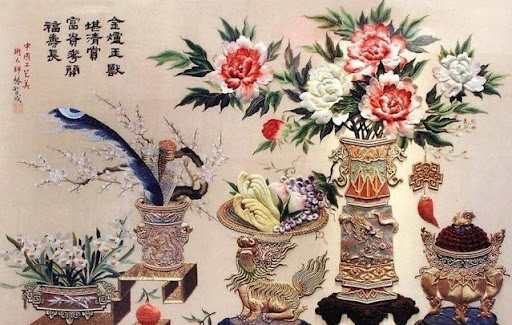
Sichuan Embroidery: Sichuan embroidery is one of the four major embroidery styles in China. Known for its vivid colors, delicate stitching, and intricate designs, Sichuan embroidery is a beautiful representation of local art. Whether you’re looking for a small piece of artwork or a more intricate silk garment, you can find embroidered works in many local markets and boutiques.
Bamboo Crafts: Chengdu is famous for its bamboo craftsmanship, which has a long history in the region. You can find beautifully woven bamboo baskets, tea sets, and decorative items in shops throughout the city. These are lightweight, eco-friendly, and make perfect gifts or souvenirs.
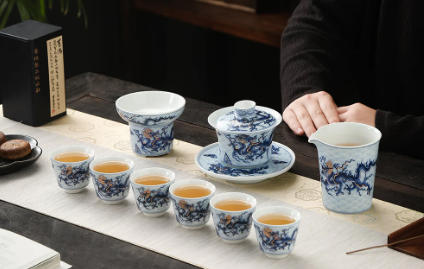
Chengdu Teapots and Tea Sets: Chengdu is part of China’s famous tea-drinking culture, and the city is a great place to purchase traditional teapots, tea sets, and tea accessories. Many of these items are handcrafted from clay or porcelain and come in various designs, from simple to ornate.
Sichuan Paper-cutting: Another famous craft from Chengdu is paper cutting, which is an ancient art form often used for decorative purposes. You’ll find intricate paper-cut art featuring traditional Chinese motifs like dragons, flowers, and animals.
2. Shop at Chengdu’s Modern Malls and Boutiques
While Chengdu boasts a rich tradition of crafts and local goods, it also has a thriving modern retail scene with shopping malls and international boutiques. These malls offer luxury brands, Chinese designer labels, and unique boutiques that reflect the city’s contemporary flair.
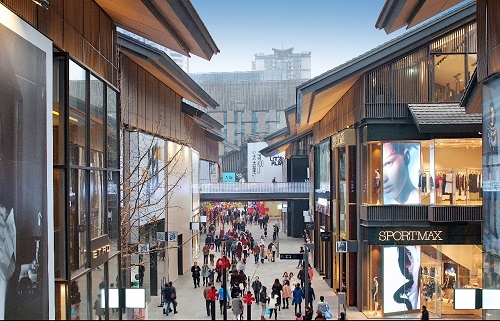
Chunxi Road: This is Chengdu’s most famous shopping street, often referred to as the “Champs-Élysées of Chengdu.” It’s a bustling area with a mix of international brands, local designer stores, and various shopping complexes. Visitors will find everything from luxury fashion to affordable clothing and accessories.
IFS Mall: Located in the heart of Chengdu, the IFS Mall is a high-end shopping center that houses top global brands such as Louis Vuitton, Gucci, and Apple. It’s a great place to experience premium shopping, and the mall also has a food court offering international cuisine.
Taikoo Li: An upscale shopping complex that blends traditional Chinese architectural styles with modern retail spaces. Taikoo Li is home to a variety of luxury stores, designer boutiques, and high-end cafes. This is also a great spot for those looking for exclusive fashion and a more chic shopping experience.
Wuhou Shrine and Jinli Ancient Street: For something a bit more traditional and local, Jinli Ancient Street is a lively pedestrian street where you can shop for ethnic handicrafts, antique-style goods, and local snacks. This area is ideal for finding souvenirs with a deeper connection to Chengdu’s cultural heritage.
3. Explore Chengdu’s Antique Markets and Collectibles
If you’re a fan of antiques and vintage finds, Chengdu has a range of markets that specialize in collectibles and traditional antiques. These markets are ideal for those looking to take home something with a historical or artistic value.
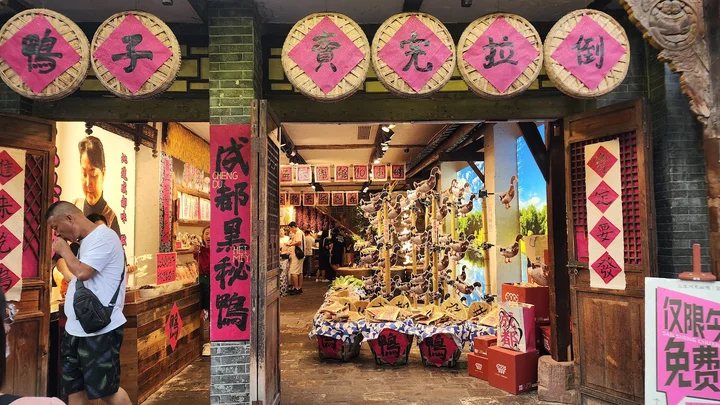
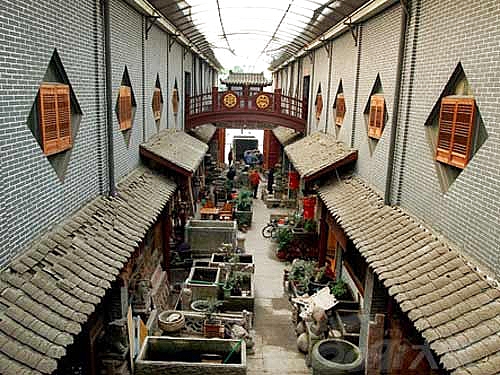
Wenshu Monastery Area: Near the Wenshu Monastery, this area has many antique shops selling old Chinese furniture, porcelain, wood carvings, and artworks. It’s a great place for collectors or those seeking a unique and authentic souvenir.
Chengdu Antique Market: Located in the city’s Cultural Street, this is one of the largest antique markets in Chengdu. You can find a wide range of ancient ceramics, jade jewelry, scroll paintings, and furniture from different periods of Chinese history.
4. Shop for Sichuan Spices and Teas
Sichuan’s cuisine is known for its bold flavors, and Chengdu is an excellent place to shop for spices and teas that are central to the local food culture.
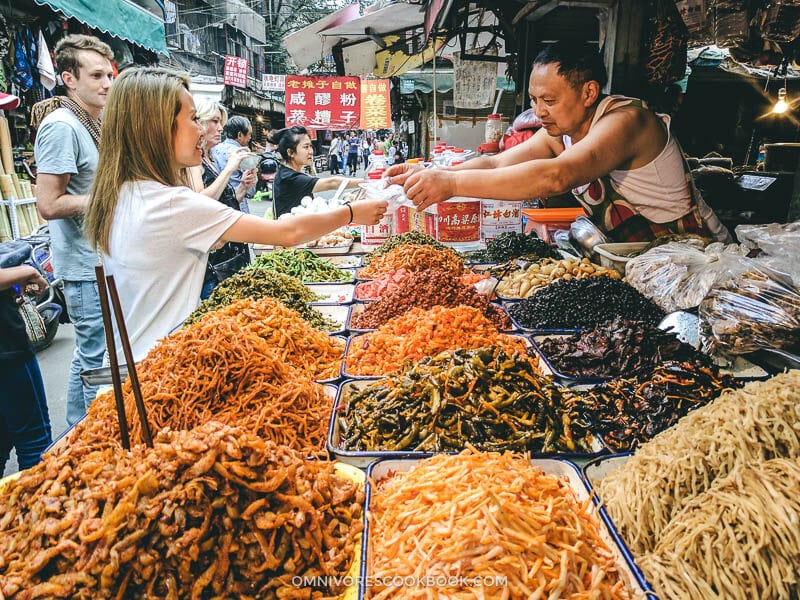
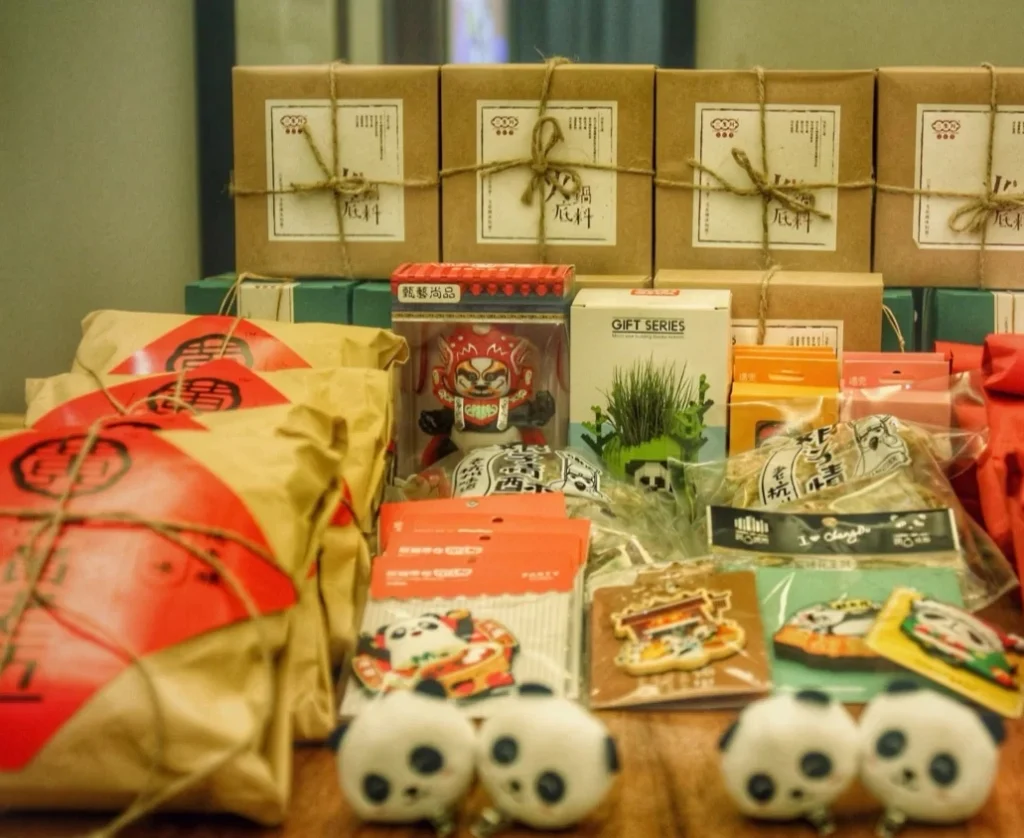
Sichuan Peppercorns: Known for their numbing effect, Sichuan peppercorns are a staple in local cooking. You can purchase freshly ground peppercorns or whole ones from markets like Wuhou Shrine Market and Tianfu Square.
Sichuan Hot Pot Spice Kits: These pre-packaged kits come with all the ingredients needed to recreate the famous Sichuan hotpot at home, including spices, chili oils, and flavorings.
Tea: Chengdu is also an ideal place to buy some of the finest Sichuan tea varieties, including green tea and jasmine tea. Tea shops like People’s Park tea house offer high-quality teas for purchase, often accompanied by a tasting experience.
B. Shopping Tips
1. Bargaining is Common
When shopping in markets like Jinli Ancient Street or local street vendors, bargaining is a common practice. Be prepared to negotiate, but always remain friendly and respectful. A good rule of thumb is to start your offer at about half the asking price and settle somewhere in the middle.
2. Pay Attention to Local Crafts
Sichuan’s traditional handicrafts, such as Sichuan embroidery and bamboo crafts, make great souvenirs. Be sure to check the quality, especially if you’re purchasing items like embroidered textiles or carved bamboo pieces. Look for authentic items crafted by local artisans.
3. Check for Authenticity
If you're buying luxury items or antiques, especially in places like Taikoo Li or Wenshu Monastery area, ask for certificates of authenticity or provenance, particularly for antique furniture or jewelry. Many high-end stores will provide certificates for luxury goods.
4. Know the Opening Hours
Many local markets and shops open in the morning and close by early evening, around 6 or 7 PM. However, malls and high-end stores like those in Chunxi Road or IFS Mall are typically open later, until 9 PM or even 10 PM.
5. Payment Methods
While cash is still widely accepted, mobile payment apps like Alipay and WeChat Pay are increasingly popular in Chengdu. It’s recommended to have them set up on your phone to make payments more convenient, especially in larger stores.
6. Be Cautious in Tourist Areas
While shopping in popular tourist spots like Jinli Street, keep an eye out for inflated prices targeted at tourists. If something seems too expensive, try shopping around at nearby stores or markets to find better deals.
7. Sichuan Teas and Spices
If you’re buying Sichuan spices or teas, check if the store offers samples, especially for peppercorns and jasmine tea. This will help you choose the right product before purchasing in bulk.
Stay in Chengdu
1. Luxury Hotels in Chengdu
Chengdu’s luxury hotels offer the perfect blend of modern comforts and traditional Sichuan warmth. Imagine waking up in a stunning suite with panoramic views of Tianfu Square or unwinding in a lakeside resort. Many of these five-star hotels are centrally located, providing convenient access to both the city’s vibrant cultural landmarks and serene escapes. Some top luxury hotels are also located near Chengdu's major transportation hubs, making travel within the city or to surrounding areas hassle-free.
Transportation Reference:
· Metro: Many luxury hotels are easily accessible by Chengdu's efficient metro system. Look for hotels near Chengdu East Railway Station or Tianfu Square Station for great connectivity.
· Taxi & Ride-Sharing: Hotels typically offer taxi services or can arrange ride-sharing apps like Didi for guests.
· Airport Access: The Chengdu Shuangliu International Airport is around 30-40 minutes away by car from most luxury hotels in the city center.
2. Budget-Friendly Options
For those on a budget, Chengdu offers plenty of affordable yet comfortable accommodation options. Cozy hostels, guesthouses, and boutique hotels are scattered throughout the city, particularly in areas like Kuan Zhai Alley and Wenshu Monastery. These budget accommodations provide an excellent balance of comfort and affordability, with easy access to the city’s main attractions and vibrant food streets. Many are situated close to metro stations, ensuring that getting around the city is simple and convenient.
Transportation Reference:
· Metro: Budget accommodations near Chengdu Railway Station or Wenshu Monastery Station make it easy to access popular sites like the Chengdu Research Base of Giant Panda Breeding or Kuanzhai Alley.
· Buses: Affordable guesthouses are often well-served by public buses, which are a great way to explore Chengdu on a budget.
3. Unique Stays: Embrace Local Charm
For a more intimate, authentic experience, Chengdu offers unique stays such as traditional courtyard hotels or charming homestays in historical neighborhoods. These accommodations allow you to dive deeper into the local culture with their Sichuan-inspired architecture and personal touches. Staying in these locally-owned spots often provides access to smaller, hidden gems that larger hotels may not offer. Plus, they provide a great opportunity to interact with Chengdu locals and experience a more relaxed side of the city.
Transportation Reference:
· Walking Distance: Many unique stays are located in traditional neighborhoods like Huanhua Road or Liu’s Mansion, which are best explored on foot for an authentic local experience.
· Public Transport: For greater exploration, these neighborhoods are well-connected by Chengdu’s metro system, such as the Line 2 or Line 3, which connect to the city’s major attractions.
Day Trip Options & Excursions
1. Leshan Giant Buddha
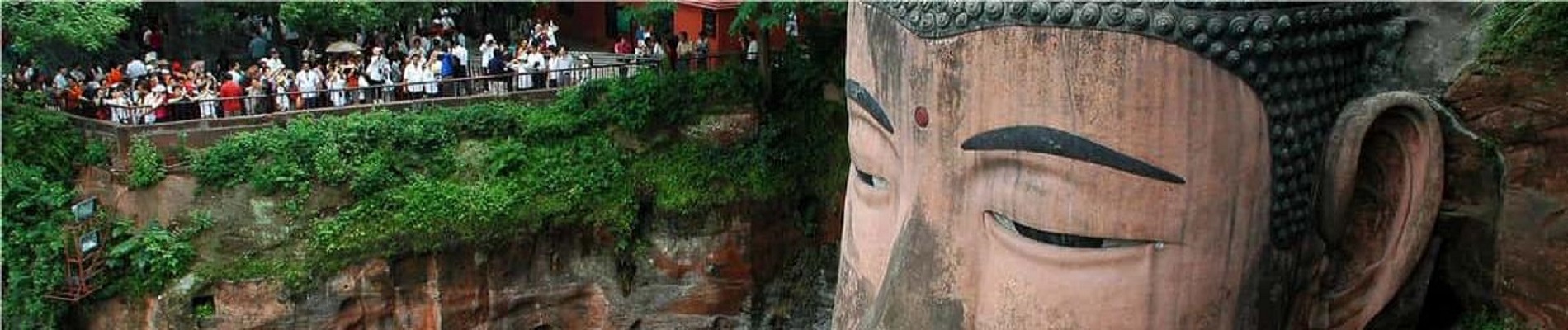
A short journey from Chengdu, the Leshan Giant Buddha is one of the most awe-inspiring sights in China. Carved directly into the cliffside of Mount Lingyun, this colossal statue stands at an incredible 71 meters (233 feet) tall, making it the largest stone Buddha in the world. Visiting the Leshan Giant Buddha offers stunning views from both cliffside pathways and a scenic boat ride, with nearby temples like Wuyou and Fuhu providing a tranquil setting to reflect on its historical and spiritual significance.
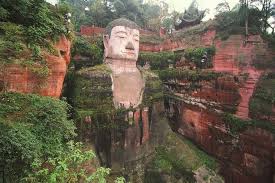
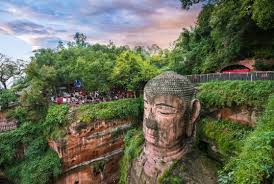
· Distance from Chengdu: Approx. 2 hours by car or bus
· Tip: Be sure to wear comfortable shoes, as the walk down to the Buddha can be steep and may take some time. Also, consider visiting early in the day to avoid crowds.
· Highlight: Take a boat ride for a unique perspective of the Buddha from the river, offering a panoramic view of this monumental sculpture.
2. Huanglongxi Ancient Town
For those looking to explore a quieter, more traditional side of Sichuan, Huanglongxi Ancient Town is an idyllic destination just a short drive from Chengdu. The town’s tranquil streets are perfect for leisurely walks, where you can explore ancient bridges, visit traditional Sichuan-style teahouses, and admire the intricately carved wooden doors and windows that showcase the town’s architectural beauty. Huanglongxi is also home to several well-preserved temples, including the Zhongtai Temple and Huanglongxi Temple, which are ideal spots for reflection and to learn more about the town’s religious history. Aside from its historical attractions, Huanglongxi is famous for its traditional food, which you can sample at local eateries. The town is known for its sauced meat, rice cakes, and other Sichuan specialties, often served in a rustic and authentic manner.
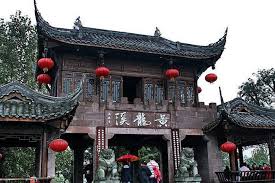

· Distance from Chengdu: Approx. 1.5 hours by car or bus
· Tip: Visit during the weekday to avoid the weekend crowds. If you’re interested in photography, the town’s old architecture and natural surroundings make it an excellent spot for capturing traditional Sichuan life.
· Highlight: Wander through the town's ancient teahouses and temples, and capture the timeless beauty of its traditional wooden buildings.
 Chengdu Panda Base & Leshan Giant Buddha Day Tour
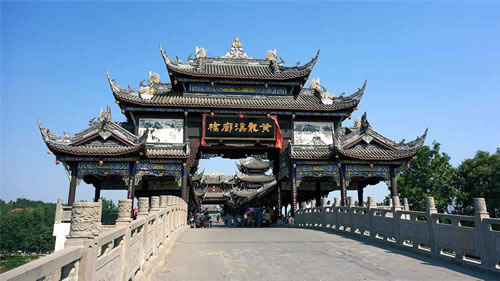 Private One Day: Huanglongxi Ancient Town Tour with Giant Panda
Chengdu Travel Cost Estimate
| Consumption items | Budget range (RMB)
| Notes |
|---|
| Transportation | · Domestic flights one-way are approximately 400 to 2000 yua
n
· international flights one-way are approximately 1000 to 4000 yuan
· high-speed trains one-way are about 200 to 1500 yuan
· The daily subway fare in the city is around 10 yuan, and other transportation costs can be estimated at around 500 yuan, depending on your specific itinerary. | Prices vary depending on your departure location and travel time, with discounts available for early bookings. |
|---|
| Accommodation | Approximately 200 to 1500 yuan per night | Depending on the hotel class you choose, prices are slightly higher in the more bustling areas of the city. There are various types of accommodations available, including star-rated hotels, guesthouses, and budget hotels. |
|---|
| Catering | Approximately 80 to 300 yuan per person per day | From local snacks to hotpot, skewers, from traditional Sichuan cuisine to upscale restaurants, there is something for everyone, with options to suit all budgets. |
|---|
| Scenic spot ticket | Approximately 200 to 1000 yuan | Ticket prices vary for different attractions: Chengdu Panda Base is 55 yuan per person; Dujiangyan is 80 yuan per person; Jiuzhaigou is 190 yuan per person; Emei Mountain is 160 yuan per person, etc. |
|---|
| Personal other consumption | 200 to 800 yuan | Purchases of souvenirs, hanfu rental, Sichuan opera tickets, and other additional fees vary from person to person. |
|---|
Overall, a trip to Chengdu typically costs a few thousand yuan. If the trip is longer and involves more attractions, the cost may range from several thousand to over ten thousand yuan, depending on factors such as your travel duration, itinerary, peak or off-peak season, and personal spending habits.
Chengdu’s Best Hidden Gems
A. Off-the-Beaten-Path Spots
1. Apartment for the Newly-Weds (Yuanyang Building)
The Mandarin Duck Building, located at No. 18, Hongwasi Street, Chengdu, was built in the 1970s and 1980s. Passing through the courtyard gate, it was a modern city full of traffic, but it instantly seemed to return to the last century. This residential building consists of two adjacent residences with two intersecting "zigzag" stairs between the two floors, which is called "Mandarin Duck Building". Originally this was the old dormitory of the former Sichuan University faculty and staff, built in the 1960s and 1970s. Now this place has become a small world for rental housing, where rental prices are low, and now there are many young people and migrant workers living here.
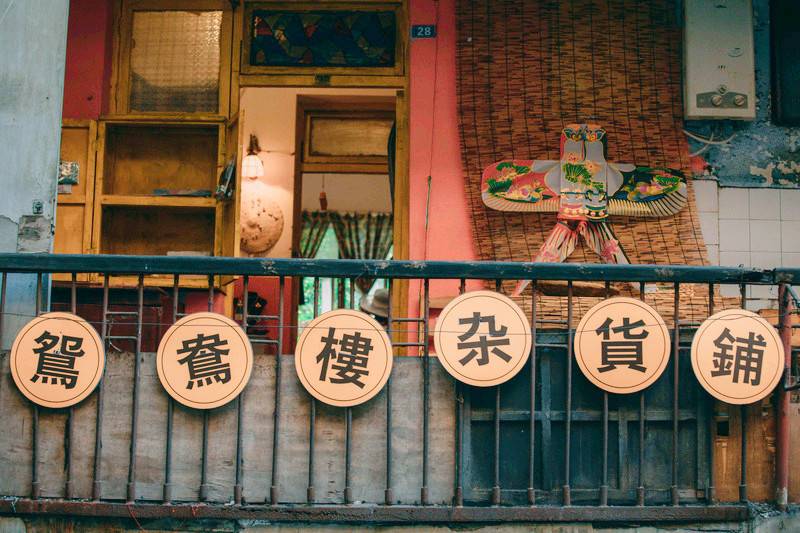

Address: No. 18 Hongwasi Street, Wuhou District, Chengdu, Sichuan, China
Opening Hours: Opening hours may vary. Please check with the attraction for daily details.
Transportation: Take Metro Line 4 to Shuangqiao Station, the closest station to Yuanyang Building, and walk about 500 meters to reach your destination.
2. Kuixinglou Street
Kuixinglou Street is located in the urban area of Chengdu. There are many interesting shops, coffee houses and water bars on the street. It is worth taking a stroll.


Address: Kui Xing Lou Jie, Qingyang Qu, Chengdu, Sichuan, China
Opening Hours: Open all day
Transportation:
· Buses: At the Zongfu Road Bus Station, take Bus 81 and get off at People's Park Station. Then, transfer to Bus 62 and get off at Changshun Middle Street Station. The entrance to Kuixinglou Street is directly across the street.
· Metro: Take Metro Line 3 at Chunxi Road Station and transfer to Metro Line 4 at Shier Hospital Station. Get off at Kuanzhai Alley Station, Exit A. Walk about 500 meters along Xiatongren Road and Zhongtongren Road to reach Kuixinglou Street.
3. Ping'anqiao Catholic Church
Located near Ping'an Bridge, the Ping'an Bridge Catholic Church is one of Chengdu’s oldest and most beautiful churches, combining both Roman Catholic and local architectural elements. The church, built during the late Qing Dynasty, features stunning stained glass windows and traditional Western Gothic architecture. It offers visitors a peaceful and spiritual atmosphere, with services and religious activities regularly held. The church is a tranquil space to admire both the architecture and the peaceful setting by the river.
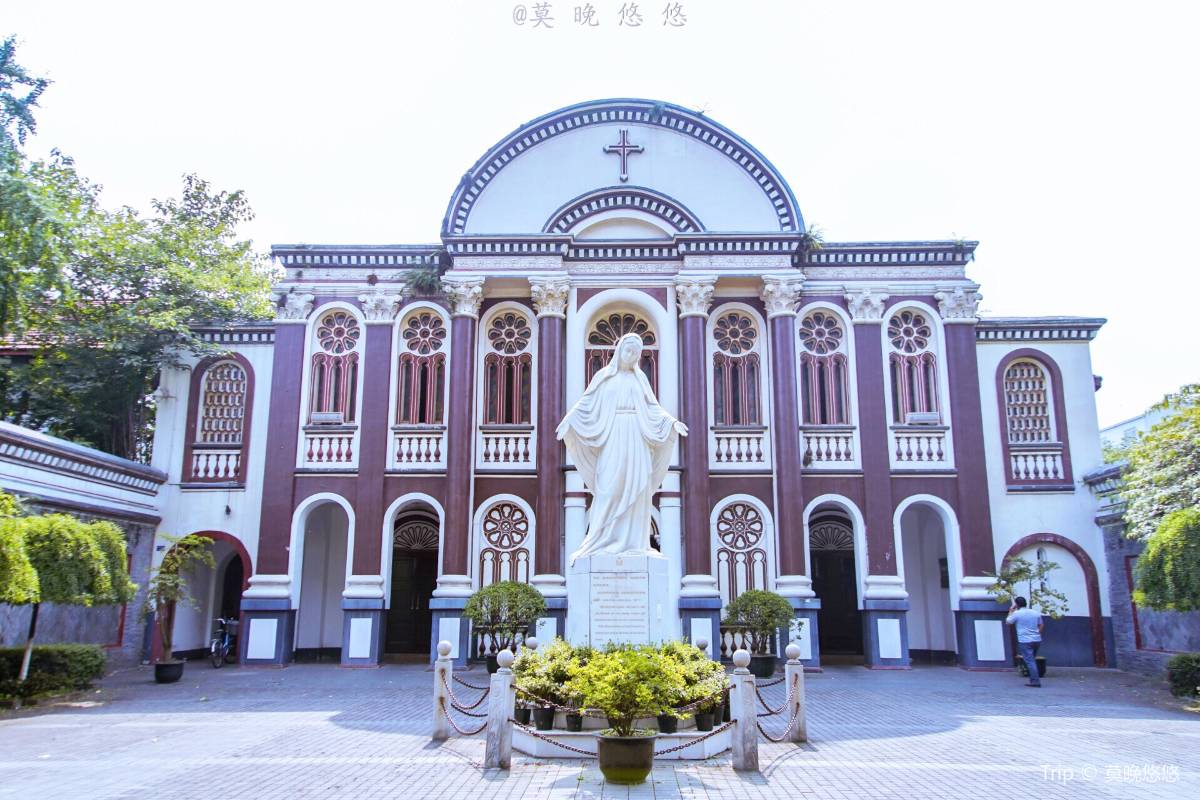
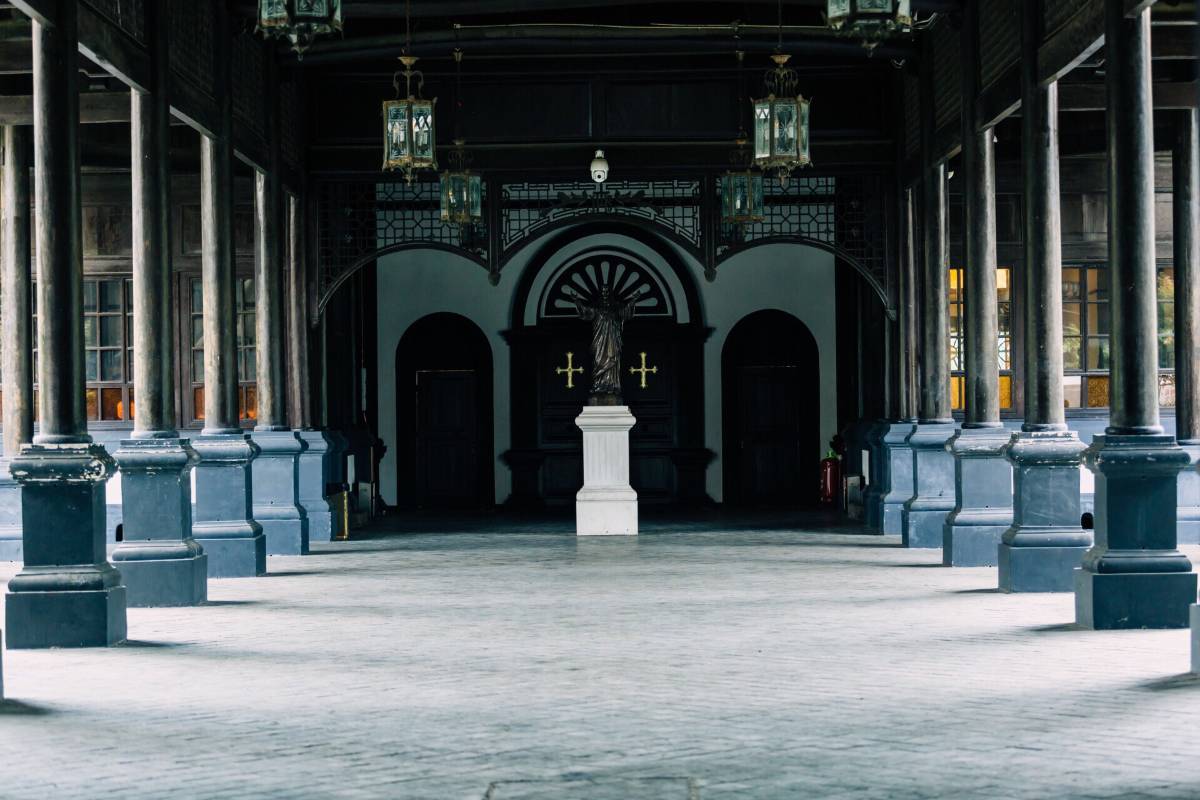
Address: No. 29 Ping'anqiao Street, Qingyang District, Chengdu, Sichuan, China
Phone: +86-28-86634192
Opening Hours: 7:00 AM-9:00 PM
Transportation: Take Bus routes 5, 30, 57, or 109 to the Shangye Jiekou (Commercial Street) Station, and then walk to your destination.
B. Local Festivals and Events
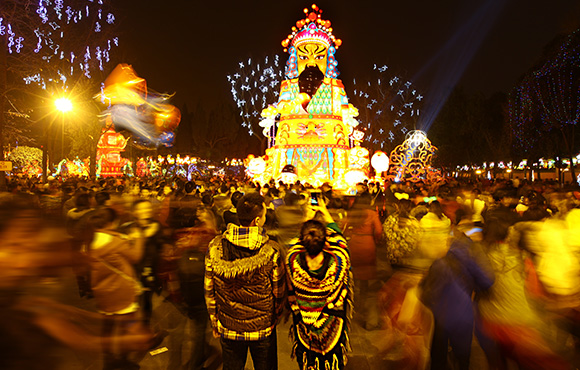
1. Wuhou Temple Chengdu Grand Temple Fair
The earliest temple fair in Chengdu dates back to the Qin Dynasty, when Li Bing and his son held a drought-relief and rain-praying temple fair in Dujiangyan before managing the waterworks, more than two thousand years ago. Today’s 'Chengdu Grand Temple Fair' is a revival of the Spring Festival temple fair at Qingyang Palace during the Republic of China period, which had been suspended for 45 years. It was resumed in 2004 during the Spring Festival. Since 2005, the 'Chengdu Grand Temple Fair' has been held at the Wuhou Shrine Museum in Chengdu.
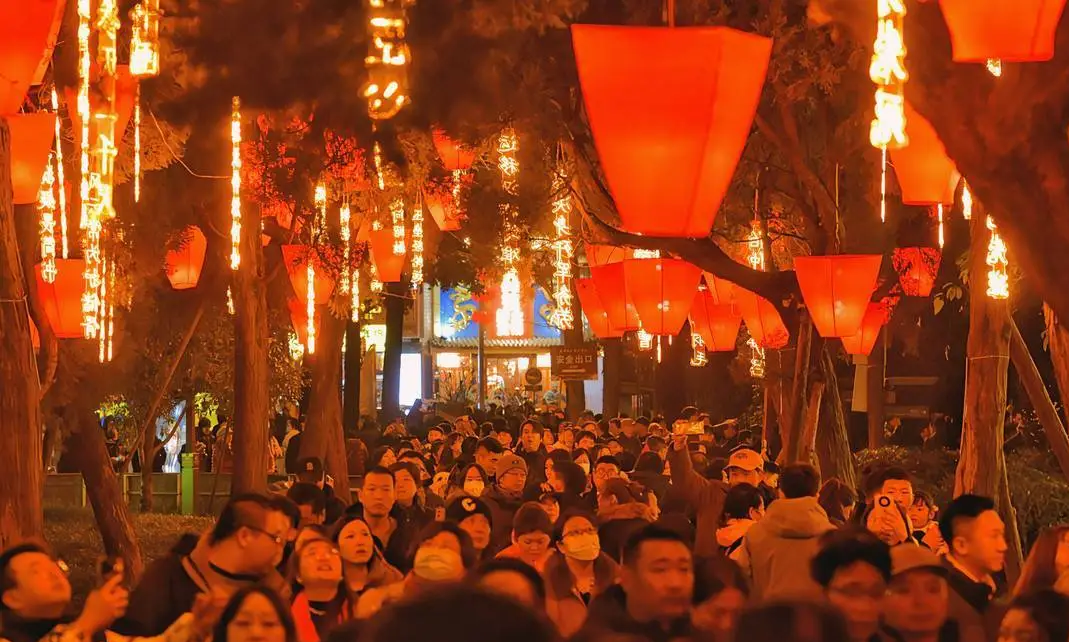
2. Chengdu Flower Fair
The Chengdu Flower Fair began during the Tang and Song dynasties and is held at Qingyang Palace, located outside the western gate of Chengdu. During the event, state-run and collective flower farms, as well as local flower growers from around Chengdu, bring their carefully cultivated precious flowers, potted plants, bonsais, and other items to Qingyang Palace. They set up tents, stalls, and display booths to sell and exhibit their products. According to legend, the birthday of Laozi, the founder of Daoism, falls on the 15th day of the second lunar month. Since the Tang Dynasty, the local people have held an annual temple fair on this day. In addition, February in Chengdu is a time of pleasant weather, with spring in full bloom and flowers everywhere, which led to the belief that the 15th of February is the 'birthday of all flowers.' Therefore, the Flower Fair is held here every year in February.


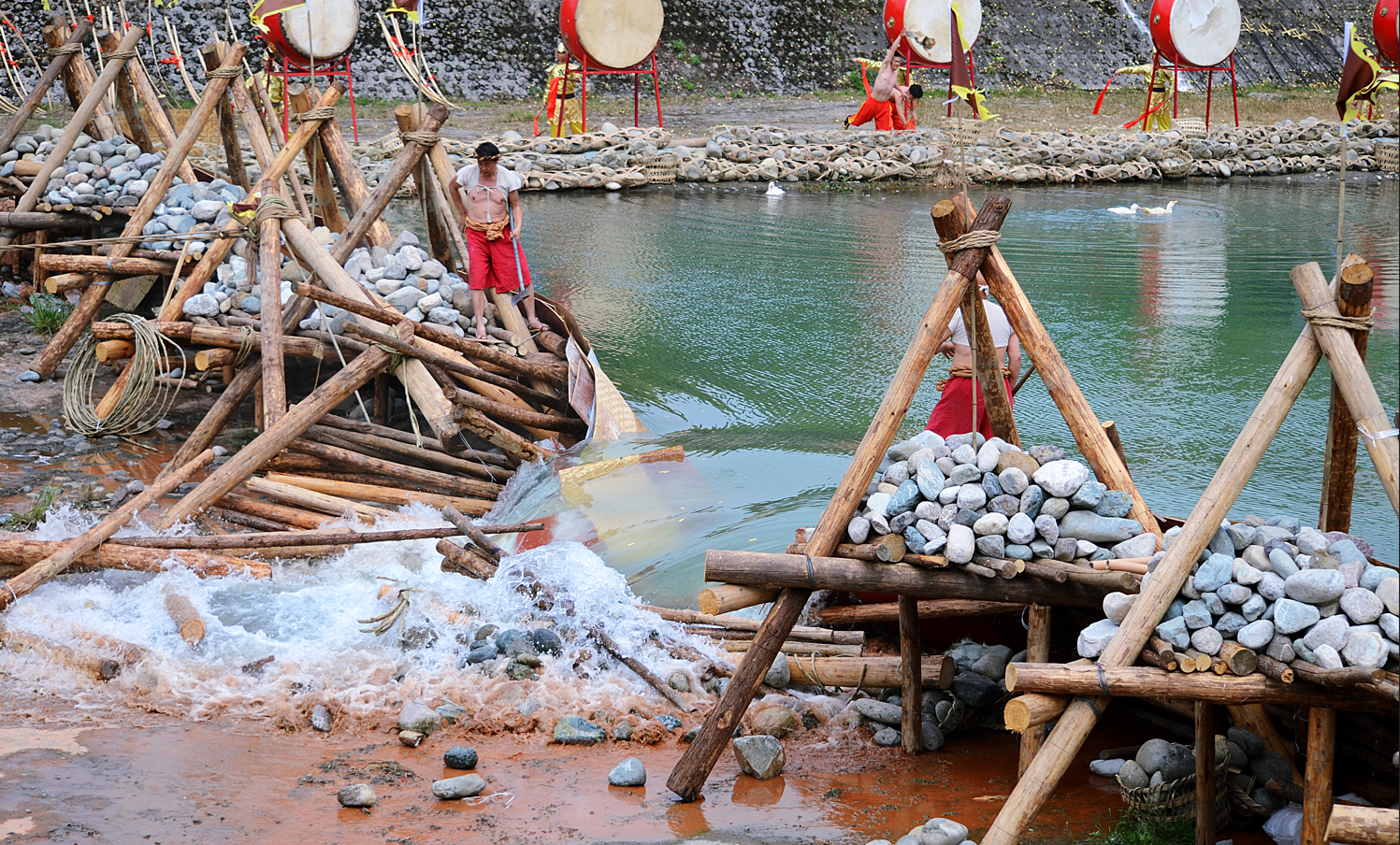
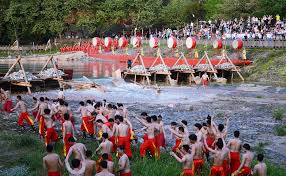
3. Dujiangyan Water Release Festival
The Dujiangyan Water Release Festival, held annually during the Qingming Festival, marks the sacred water release ritual before the spring plowing. Historically, it was a ceremony to pray for a good harvest, with local officials presiding over the ritual and people visiting Erwang Temple to honor Li Bing and his son. In recent years, the government has transformed it into a larger festival featuring ceremonial performances by officials in ancient attire, along with folk music and dance, making it a lively and popular event.
4. Xinjin Dragon Boat Festival
Dragon boat racing is a traditional custom of the people in southern China. Although Chengdu is located north of the Yangtze River, it is still a water-rich region with a long history of dragon boat racing. As early as the 1960s, dragon boat races were held on the Jinjiang River near Wangjiang Park. However, after the 1970s, the urban rivers became unsuitable for the races. As a result, the South River in Xinjin County, with its favorable geographical conditions, became the new venue for the dragon boat festival, which has grown in popularity ever since. In addition to traditional dragon boat races, the festival now also features dragon boat shape performances and colorful boat night tours.


5. Sichuan Opera and Face-Changing Performance
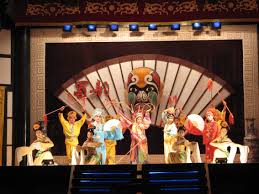
Chengdu's famous Sichuan Opera, especially the face-changing performance, is an event not to be missed. While you can find these performances in tourist areas, attending a local show in a more intimate setting provides a unique experience. These performances, which involve actors changing masks in the blink of an eye, are part of Chengdu's rich theatrical tradition. The Shufeng Yayun Sichuan Opera House in Chengdu offers regular shows, where visitors can witness this incredible art form up close. The performances are not only a mesmerizing spectacle of skill and artistry but also a reflection of Chengdu’s unique cultural flavor.

Local Tips & Travel Insight
A. Cultural Etiquette
1. How to Interact with Locals
Chengdu residents are known for their friendly and warm hospitality. When greeting people, a simple handshake is usually sufficient, although it’s not uncommon to exchange pleasantries with a slight bow as a sign of respect. When addressing someone, use their title or honorifics (like Mr., Mrs., or a professional title) followed by their last name. If you’re unsure, a polite “Ni hao” – “Hello” – will be understood, but learning a few local phrases can go a long way in building rapport.
2. Understanding Tea Culture
Chengdu’s teahouse culture is a cornerstone of daily life. The city is dotted with traditional teahouses where locals gather to chat, play Mahjong, and sip tea in a relaxed, social atmosphere. When visiting a teahouse, you’ll likely be presented with a selection of teas, including green tea, oolong tea, or pu-erh tea, each with its own unique flavor and health benefits. In a traditional tea ceremony, the tea is poured by the host, and it’s polite to take small sips and savor the tea slowly.
B. Getting Around Chengdu
1. Public Transport 101
Chengdu’s public transportation system is efficient, affordable, and easy to navigate. The Chengdu Metro consists of multiple lines connecting the city’s major districts and attractions. Tickets are inexpensive, and the metro is a quick and convenient way to get around, especially during rush hours. Be sure to have a Chengdu Metro Card, which is available for purchase at stations and can be topped up for convenience.
· Chengdu Rail Transit Group’s official website: https://www.chengdurail.com/index.htm
In addition to the metro, Chengdu has a comprehensive bus system that covers most areas of the city. Bus fares are also very affordable, though they may require some patience as traffic congestion is common during peak times. Taxis and ride-sharing apps like Didi are readily available, though they may be slightly more expensive than public transport. Be sure to have your destination written in Chinese, as not all drivers speak English.
2. Bike Rental and Walking Tours
For a more leisurely exploration of the city, consider renting a bike or joining a walking tour. Chengdu is relatively flat, making it an easy city to navigate on two wheels. Several bike-sharing services are available, such as Meituan and Ofo, where you can rent bikes using an app. If you prefer to walk, Chengdu’s Historic Old Town and areas like Kuanzhai Alley and Wenshu Monastery are best explored on foot, where you can admire the traditional architecture and discover hidden gems off the main streets.
C. Shopping Tips
1. Where to Buy Souvenirs
Chengdu is a fantastic place to pick up traditional Chinese crafts, local delicacies, and souvenirs that reflect the culture and heritage of Sichuan. Head to Kuanzhai Alley or Chunxi Road, where you’ll find plenty of shops selling handcrafted silk, embroidered goods, and Sichuan opera masks. For tea lovers, Wenshu Monastery is home to several tea shops where you can purchase high-quality pu-erh tea or green tea from local farmers.
For a more traditional shopping experience, visit Jinli Ancient Street, a charming area filled with souvenir stalls offering everything from handmade pottery to spices and Sichuan peppercorns. You can also pick up local snacks like pickled vegetables, spicy peanuts, and chili oil, perfect for taking home a taste of Chengdu.
2. Shopping Malls and Local Boutiques
Chengdu blends modern and traditional in its shopping culture, offering a mix of upscale shopping malls and hidden boutiques. The Chengdu IFS Mall is a luxury shopping center located near Tianfu Square, home to high-end international brands, as well as local fashion designers. For something more unique, explore Taikoo Li, an outdoor shopping district that mixes global brands with local boutique stores. This area is also great for people-watching and enjoying Chengdu’s trendy, youthful vibe.
If you're looking for more boutique shopping, venture into the Qingyang District or Yulin Road, where you'll find independent shops offering locally made fashion, art, and crafts. These areas provide a more personal, artistic touch to your shopping experience, perfect for finding one-of-a-kind items.
D. General Travel Tips
Chengdu has an excellent public transportation system, including the metro, buses, and taxis, making it easy to get from one part of the city to another, regardless of where you choose to stay. If you're staying in a more remote or traditional neighborhood, make sure to check the nearest bus or metro station for easy access to the city’s main sights.
From pandas and ancient streets to delicious food and scenic hikes, Chengdu is bursting with exciting things to do. Whether you're exploring historical landmarks, immersing yourself in culture, or indulging in mouthwatering cuisine, this city has something for every type of traveler. Don’t miss out on these unforgettable experiences—Chengdu things to do await!
Your Way Holiday’s Handpicked Chengdu Luxury Hotels and Unforgettable Travel Experiences
We design private and tailor-made Chengdu tours customized to your travel style at affordable local prices. You’ll enjoy the comfort of a private, spacious car and the company of a professional local guide with over 5 years of experience, dedicated exclusively to you or your group. From transportation and tickets to authentic dining experiences (we always recommend the dishes most loved by locals), everything will be arranged according to your preferences. Please take a look at some of our most popular Chengdu tours below:
 2-Day Chengdu Tour: City Tour with Panda Base and Leshan Giant Buddha
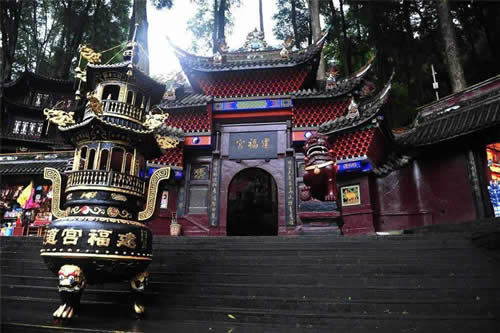 One Day Off The Beaten Track Chengdu Tour with Tea and Taoist Culture
Not exactly what you’re looking for? Don’t worry — all of our Chengdu tours can be fully customized based on your interests, schedule, and budget. We specialize in creating unique Chengdu experiences that go beyond the guidebook, giving you the chance to truly connect with the local culture and people. Our enthusiastic tour experts are always ready to provide detailed suggestions and will respond to your inquiry within 24 hours. Ready to explore Chengdu your way? Contact us today and let us design a Chengdu shopping experience that fits your style. Your Way Holiday looks forward to your message! We're ready to design an unforgettable Chengdu trip for you anytime.