24 Hours Hotline: +8613735411378
Email:[email protected]
24 Hours Hotline: +8613735411378
Email:[email protected]
"Travel across the vast land of China, and revel in the beautiful and diverse Guizhou." The famous scenic area - Huangguoshu Waterfall is located in Anshun City, Guizhou Province. It is one of the largest waterfalls in China. With its magnificent scenery and abundant natural resources, it attracts a large number of tourists every year.
This article will provide you with a comprehensive travel guide about the Huangguoshu Waterfall, helping you plan your trip. From the best travel time to must-visit attractions, as well as practical information on accommodation, transportation and other aspects, it will allow you to enjoy a comfortable and perfect travel experience in this natural wonder, ensuring that you won't have any regrets.
 3-Day Guizhou Private Tour with Ethnic Village Highlights
 Discover the Charm of Guiyang: A Relaxed 2-Day Guiyang Tour
Overview of Huangguoshu Waterfall: A Natural Wonder and Cultural Heritage
Historical Background and Geographical Location
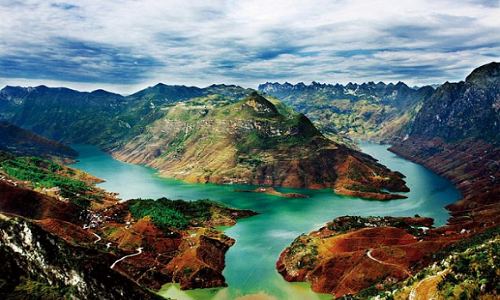
The Huangguoshu Scenic Area is located 45 kilometers southwest of Anshun City, the western tourism center of Guizhou Province, within the territory of Zhenning Buyi and Miao Autonomous County. The famous Huangguoshu Great Waterfall is the first scenic spot in Guizhou Province, the largest waterfall in China, and one of the most magnificent waterfalls in the world.
Characteristics of Waterfalls
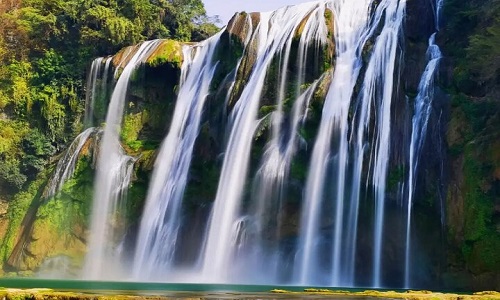
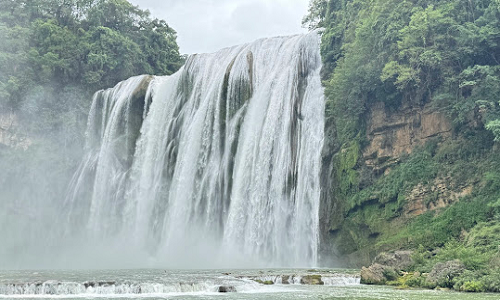
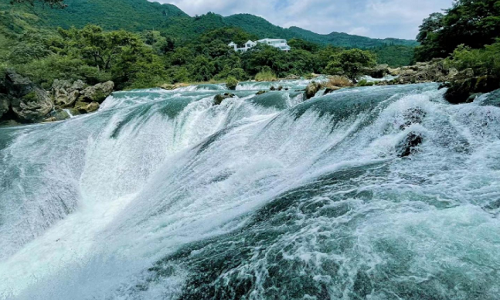
Within the scenic area, with the Huangguoshu Great Waterfall as the center, using scientific methods such as the Global Positioning System (GPS), the actual height of the largest waterfall in Asia - the Huangguoshu Great Waterfall was measured to be 77.8 meters, with the main waterfall being 67 meters high, the width of the waterfall is 101 meters, with the top width of the main waterfall being 83.3 meters. The water flow is both abundant and spectacular, and it is hailed as "the Eastern Niagara Falls".
Cultural Significance
The Huangguoshu Waterfall gained its fame in the Ming Dynasty when the traveler Xu Xiake visited it. Through the travels and promotion by successive famous figures, it has become a well-known tourist attraction. The Huangguoshu Waterfall is combined with the surrounding karst landscape. Since ancient times, multiple ethnic minorities have lived in the area, showcasing the harmonious integration of nature and culture. It is an important cultural and tourism brand of Guizhou region.
Optimal Travel Periods and Seasonal Variations
Best Travel Time
The best time to visit Huangguoshu Waterfall is in spring and autumn each year. Especially from May to October, the water flow is abundant and the waterfall's scenery is the most spectacular.
Seasonal Changes
The Huangguoshu Grand Waterfall is located in the low-lying area of western Guizhou Province, with a relatively low altitude. It has no frost throughout the year and the average annual temperature is around 14?. There is no severe cold in winter and no scorching heat in summer. It is an ideal place for escaping the cold and the heat. January is the coldest month, with an average temperature of 4.3?, but the lowest temperature rarely drops below zero; July is the hottest month, with an average temperature of 22?, and there are basically no hot days.
Climate Overview
The climate in Guizhou, where Huangguoshu Waterfall is located, is mild and humid. However, the rainy season lasts for a long time. When traveling, it is necessary to check the weather forecast and prepare waterproof equipment in time.
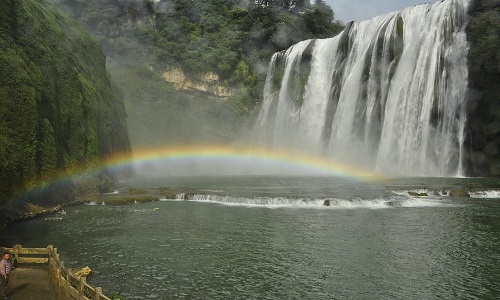
Optimal Travel Periods and Seasonal Variations
Huangguoshu Waterfall
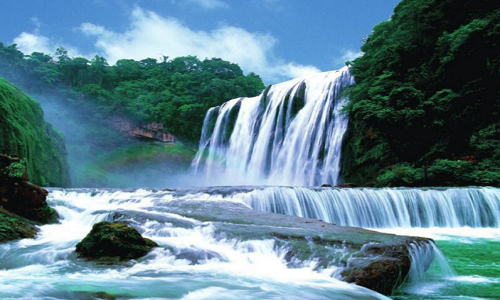
The name of Huangguoshu Waterfall is mainly derived from a local tree species called "Ficus virens Aiton" (which is known as "Huangguoshu" in the local dialect). The scenic area is centered around the Huangguoshu Waterfall, with the waterfall, caves and underground lakes as its main features. There are 18 different-sized waterfalls of various styles, ranging from grand, strange, dangerous and beautiful, forming a large "family" of waterfalls. It was rated by the headquarters of the Guinness World Records as the largest waterfall group in the world and was included in the Guinness World Records.
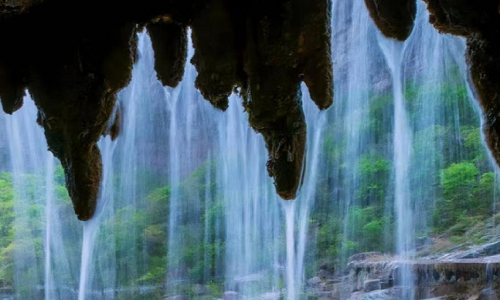
The Huangguoshu Grand Waterfall is the most spectacular waterfall among the Huangguoshu Waterfall Group. It is the only waterfall in the world that can be viewed from six directions: up, down, front, back, left and right. It is also the waterfall with a natural passage of water curtains that can be listened to, observed and touched from both inside and outside the cave.
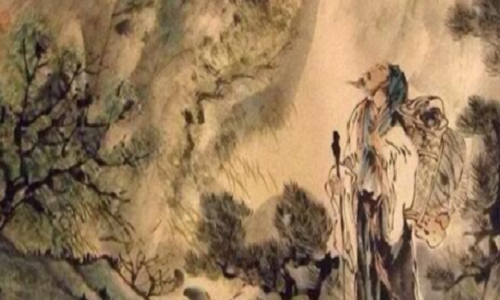
The great traveler Xu Xiake of the Ming Dynasty, when exploring the grand waterfall, exclaimed: "Crushing pearls and splitting jade, droplets rebounding, like smoke and fog rising into the air, the momentum is extremely magnificent; What is called 'the curtain of the pearl is not drawn, the fine cloth hangs on the distant peak' are not enough to describe its grandeur. There are some that are several times higher, but there has never been such a wide and large one."
The flow rate of the water in the waterfall varies. At low water levels, there are only a few flows. At the peak flow, it reaches over 1,000 flows. When the water is abundant, the water droplets splash and fly up to over 100 meters on the Huangguoshu Street, and the thunderous sound can be heard as far as two or three miles away. When the water is low, the river still splits into four streams and spreads across the entire rock wall, maintaining its "wide and grand" style.
* Do You Know How Was the Huangguoshu Waterfall Formed?
During the formation period of Huangguoshu Waterfall, the Bai Shui River was an above-ground river that developed between 100,000 and 500,000 years ago during the middle and late Pleistocene period. It was evolving from a "wide valley stage" to a "gully stage". Later, due to the intermittent uplift of the earth's crust during the "Himalayan Movement" period, the erosion base level of the river dropped, causing the erosion and dissolution cutting actions of the river to intensify. At this point, a "crack point" was formed, and the fractures, caves and underground rivers there were very well developed. The Bai Shui River first formed a karst erosion crack-point type waterfall with a sinkhole. Later, under the influence of factors such as river erosion, dissolution, lateral erosion, intermittent uplift of the earth's crust and the warm and humid climate in the late Pleistocene period, the top of the sinkhole gradually collapsed, and finally the Huangguoshu Great Waterfall was revealed, with a history of 50,000 years.
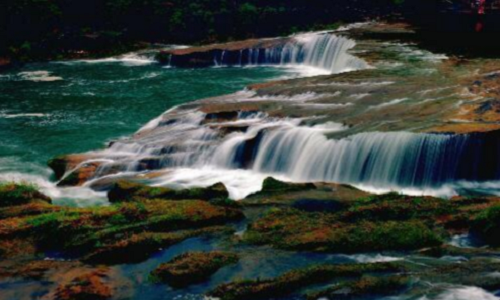
Tianxing Bridge
Tianxing Bridge Scenic Area is located 6 kilometers downstream of Huangguoshu Waterfall Scenic Area in Guanling Buyi and Miao Autonomous County, Anshun City, Guizhou Province. The planned area of the scenic area is 7 square kilometers, and the developed and accessible area is 4.5 square kilometers. It is composed of the Natural Basin Scenic Area, Tianxing Cave Scenic Area and Water Stone Forest Scenic Area. The main attractions include Shushengbu, Tianxing Cave, Beauty Fig Tree, Water Gushing Pool, Silver Chain Drop Waterfall, etc. The Tianxing Bridge Scenic Area integrates the essence of karst landforms and combines mountains, water, forests, caves, roots, vines, stones and waterfalls into one.
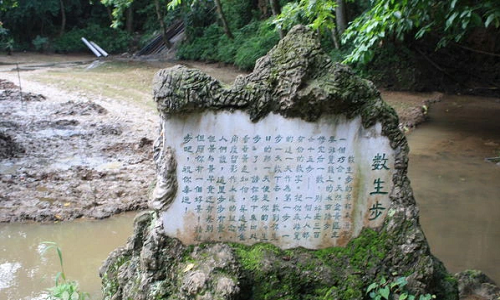
· Shushengbu: The "Shushengbu" is the first attraction upon entering Tianxing Bridge. Here, there are stones on the water, water within the stones, and trees growing on the stones. The stones scattered beneath the feet are floating in the water, forming 365 steps for jumping and stepping, which precisely coincides with the 365-day cycle of the year. It contains the birthdays of everyone in the world, and each step is engraved with the date. Tourists can count to their own birthday, so it is named "Shushengbu" and also known as "Lily Step".
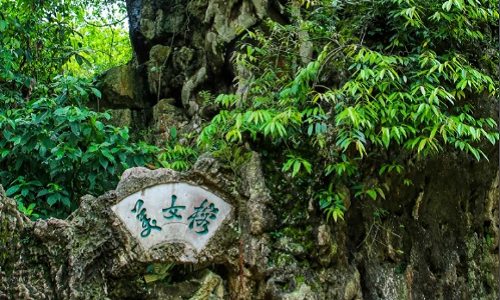
· Beauty Fig Tree: The "Beauty Fig Tree" is a very representative natural landscape featuring root-adhering rocks in the scenic area. This rock is like a sculptor, using its hard body to constantly control and shape the growth of the palm tree's roots. It forces them to develop strictly according to the human body's curves, with appropriate thickness and a balanced, uniform shape. Eventually, it forms a figure resembling a beautiful woman.
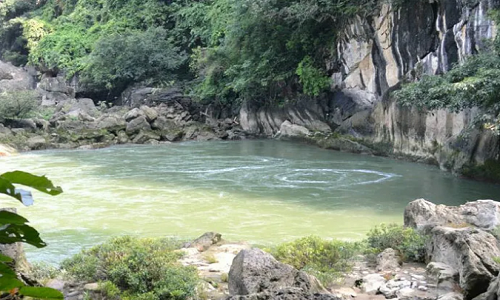
· Water Gushing Pool: At the exit of Tianxing Cave, water gushes out from beneath the bridge and the cliff. During the rainy season, this flow of water is extremely powerful and forms a water column over two meters high, presenting a truly spectacular scene. The locals call this place the Water Gushing Pool. The river rushes out in a gushing manner and then flows over a rocky beach, forming the Water Gushing Pool Falls. The scene where the white dragon horse in the TV series "Journey to the West" enters and exits the water is filmed here.
· Silver Chain Drop Waterfall: The Silver Chain Drop Waterfall is located above the left side of the waterstone forest in Tianxing Scenic Area. This waterfall is only about ten meters high. Its top is in the shape of a funnel, and the bottom is in the form of a trough-shaped sink. On the edge of the sink, there are interlaced stone packages.
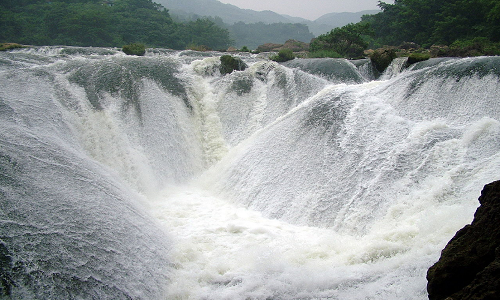
Doupotang Waterfall
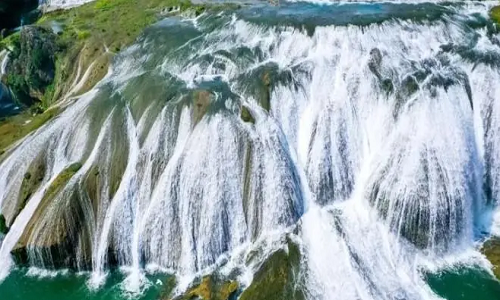
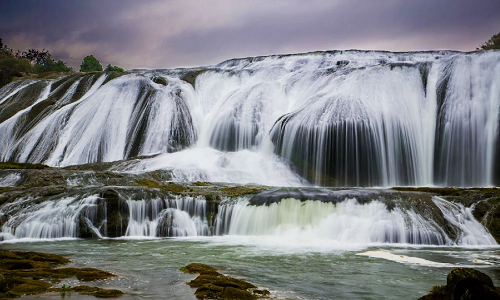
Doupotang Waterfall is located 1 kilometer upstream of the Huangguoshu Waterfall. Its top is 105 meters wide and 21 meters high, making it the widest waterfall among the Huangguoshu Waterfall group. It forms on a calcified sandbar that stretches for over 100 meters. It is an erosional fissure-type waterfall in the karst landform. Due to its unique appearance, before each flood arrives, the waterfall will make a "boom, boom" sound, so it is also called the "Roaring Waterfall". During its low-water period, due to the relatively small water flow, the water quality is clearer. The water layer of the waterfall spreads evenly along the surface of the waterfall, reflecting a silvery light in the sunlight. Therefore, some people call it "the bride's veil".
But when the flood season arrives, the Bai Shui River takes on a muddy yellow color due to the large amount of sediment carried down by the mountain torrents. The steep slope dam waterfall loses its former serene beauty and becomes extremely fierce and imposing. The murky flood rushed over the dam and fell down, like a runaway wild horse. Moreover, the cave formed by the calcification on the left side of the waterfall would produce a peculiar whistle effect when the huge volume of floodwater passed through, emitting a low and deep roar.
In "The Travel Notes of Xu Xiake", the description of Doupotang Waterfall goes as follows: "Hearing the thunderous sound of the water from afar, looking northward through the gap in the ridge, suddenly there was water flowing down from the northeastern side of the mountain, crashing into the deep pool. Only the upper part, which was several tens of feet wide and white and broad, could be seen, with snow-like waves soaring in the air. However, the lower part was not visible, as it was blocked by the opposite mountain."
Another distinctive feature of the Doudapeng Waterfall is the wide and flat beach area that develops beneath the waterfall. The beach is dotted with dozens of small clear pools of varying sizes. The shallowest of these pools are only a few decimeters deep, while the deepest can reach several meters. There are many fish and shrimp in the clear pool, so the local Han ethnic group people often carry fishing nets and go to catch the small fish and shrimp in the pool.
Must-try Activity: Explore the Natural Wonders
The Huangguoshu Waterfall is not only a visually stunning sight, but also a natural wonder with significant exploration value. It offers various ways of experiencing, allowing every visitor to appreciate its grandeur and mystery from different perspectives. Here are several must-try activities at the Huangguoshu Waterfall scenic area, ensuring that you can deeply experience the unique charm of this natural treasure.
Exploration at the Bottom of the Waterfall
------Experience the awe-inspiring power of "the largest waterfall in Asia" up close
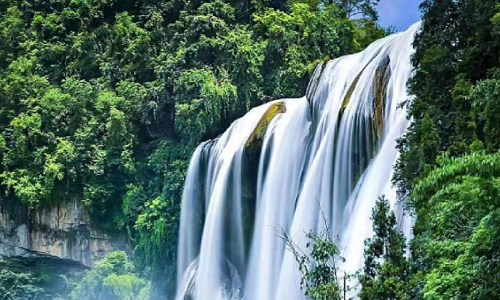
· Adventure Route: Visitors can walk along the boardwalk at the bottom of "Rhinoceros Pool" to descend to the base of the waterfall and experience its magnificent power up close. Standing on the boardwalk, you can feel the powerful surge of water from the cascading waterfall, accompanied by the refreshing coolness of the spray, allowing you to truly appreciate the waterfall's immense power.
· Recommended Time: Exploring the base of the waterfall is the most breathtaking activity, especially during the rainy season when the water flow is at its peak. Visitors can witness the waterfall's majestic power, resembling a stampede of horses. Please wear non-slip shoes and bring a raincoat to avoid slipping and getting wet.
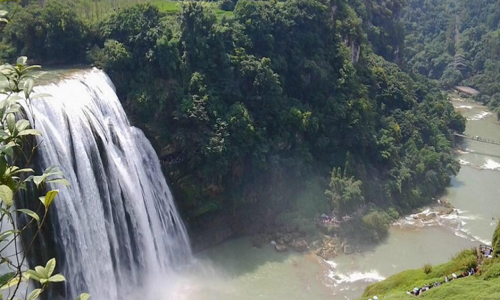
Tourist Platform
------Offers a 360-degree panoramic view of the waterfall from six different perspectives
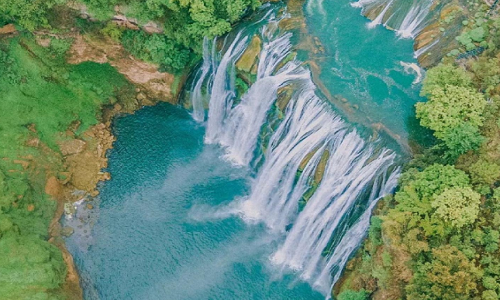
· Six-dimensional Perspective: The scenic area offers tourists a variety of viewing angles, including up, down, front, back, left, and right, covering six different dimensions. This ensures that you can capture the different features of the waterfall from multiple perspectives. Each angle has its own unique beauty. Especially when viewed from a high altitude, the magnificent scene of the waterfall cascading down from the cliff brings a great visual impact.
· Shocking Perspective: The most captivating viewing angle is located at the bottom of the waterfall. Here, you can not only witness the surging water of the waterfall, but also hear the thunderous sound of the water hitting the rocks. You will be able to truly experience the awe-inspiring scene of "The water plunges down three thousand feet".
Caving and White-water Rafting
------Traverse the Waterfall Cave and experience the spectacular water curtain behind the waterfall
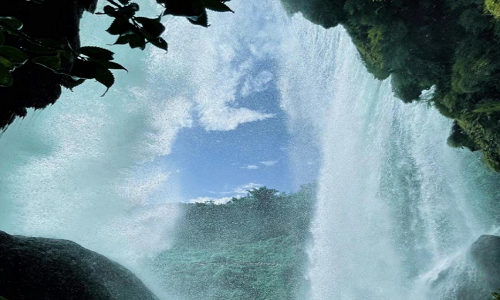
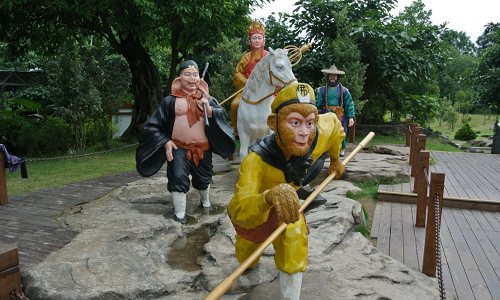
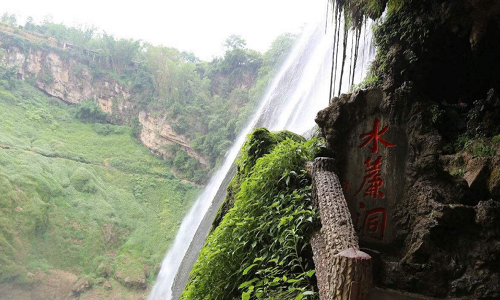
· Waterfall Cave Adventure: Behind Huangguoshu Waterfall lies a hidden "Waterfall Cave", which is a natural cave leading to the back of the waterfall. Inside the waterfall cave. It is also the filming location for the classic Chinese TV series "Journey to the West". Visitors can stand behind the waterfall's water curtain and experience the thunderous water spray and the awe-inspiring effect brought by the waterfall. Standing here, you can not only overlook the water curtain but also hear the tremendous sound of the waterfall's water flowing against the rocks, as if you are in a world of water.
· Best Viewing Period: September to November is the best time for rappelling and exploring caves. During this period, the water flow is relatively strong, and the water vapor and fog create a beautiful scene. The air is fresh and humid, making it the ideal time to experience this activity.
· Preparations: To ensure safety and comfort, it is recommended that tourists bring raincoats, waterproof shoes and anti-slip equipment. The slippery stone surfaces inside the cave and the rapid flowing streams require tourists to be particularly cautious to ensure safety.
Transportation and Travel Suggestions
To Anshun City:
· Group Travel Options: Self-driving tour / Charter bus / Private car.
· Public Transportation:
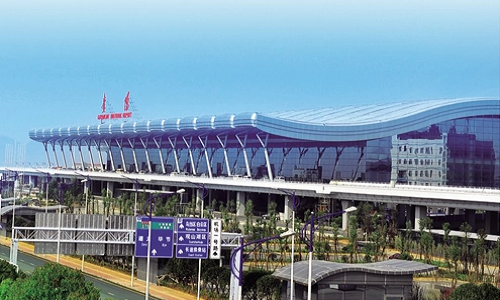
1. Arrive by flight at Guiyang Longdongbao International Airport (the most commonly used):
- The airport has a direct bus to Huangguoshu Scenic Area, with multiple departures each day, approximately 2-2.5 hours to reach the scenic area, and the cost is about 70-80 yuan per person.
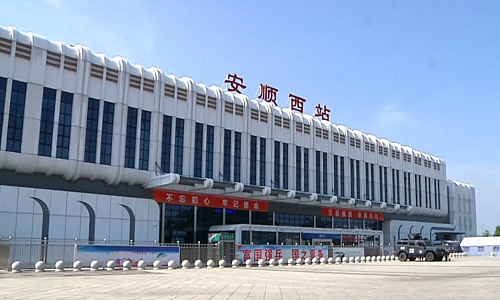
- High-speed rail: Guiyang North Station - Anshun West Station.
2. Arrive by flight at Anshun Huangguoshu Airport (this airport has fewer flights, but is closer to the scenic area):
- Take a taxi directly to Huangguoshu Scenic Area, the journey takes about 40-50 minutes.
Inside the scenic area:
Take sightseeing buses to connect the three main attractions.
Accommodation and Rest Suggestions
To make your travel more comfortable and convenient, various accommodation options are available around Huangguoshu Waterfall, ranging from top luxury hotels to cozy boutique guesthouses. Each type of accommodation can meet the needs of different travelers. Whether you are seeking a luxurious experience, a relaxing vacation, or prefer a unique homestay experience, there is a perfect choice for you here.
* Luxury Hotel: Ultimate Comfort and Unparalleled Service Experience
Bolian Resorts (Huangguoshu)
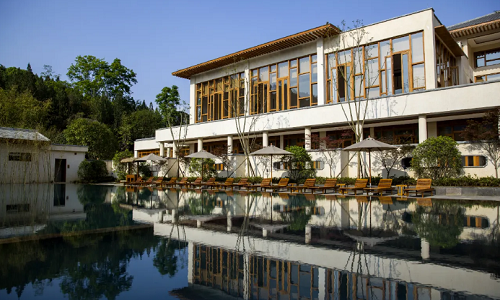
· Address: In Huangguoshu Scenic Area of Anshun City, Guizhou Province
· Telephone: 0851-38189666
· Price: US$494 and up per night
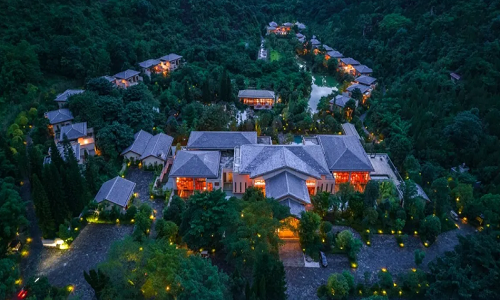
· Hotel Highlights: Huangguoshu Baolian Hotel is the fifth high-end health and wellness resort hotel under the Baolian Group. The elegant and beautiful Baolian hot spring flows quietly in the winding and secluded areas of the hotel. The Huangguoshu Baolian hot spring ingeniously combines the historical culture of Guizhou, the characteristics of ethnic minorities, the features of karst landforms, and the natural landscape of the Huangguoshu scenic area. At the same time, it classicly inherits the Baolian's artistic and detached style. The hot spring area of Huangguoshu Baolian Hot Spring Hotel consists of 4 zones: Aromatherapy Zone, Forest Zone, Therapeutic Zone, and Viewpoint Zone, with a total of 26 soaking pools. The hotel has 17 buildings and 65 rooms available. The Huangguoshu Baolian Hot Spring, far away from the hustle and bustle, absorbs the beauty of Guizhou mountains and rivers and the vitality of heaven and earth, gathers the essence of natural flowers and plants, and presents a unique charm of Chinese elegance, forming its own style.
Four Points By Sheraton (Huangguoshu)
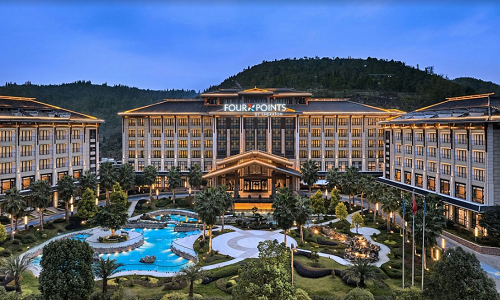
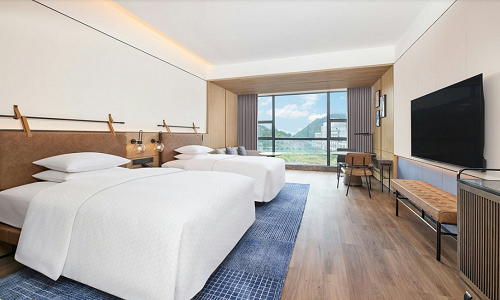
· Address: Bowenyu Road, Huangguoshu Town, Huangguoshu Tourist Area, Anshun City, Guizhou Province
· Telephone: 0851-32277777
· Price: US$69 and up per night
· Hotel Highlights: This hotel combines leisure and vacation facilities, conference and exhibition services, as well as business and travel negotiations. Provide domestic and foreign tourists with thoughtful, meticulous and high-quality enjoyment experiences. All the hotel rooms offer breathtaking views of the unique karst landscape and the sunset. This place is not only a place for accommodation, but also an ideal choice for exploring Huangguoshu Waterfall, experiencing the beauty of nature and relaxing the mind.
* Resort Hotel: Experiencing the Perfect Blend of Nature and Comfortable Facilities
Howard Johnson Hot Spring Resort
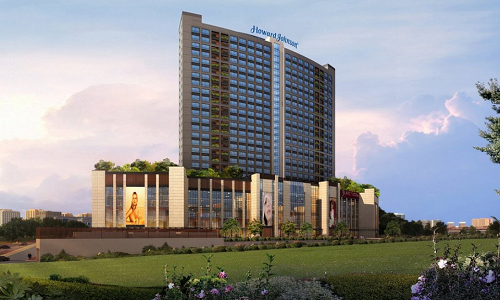
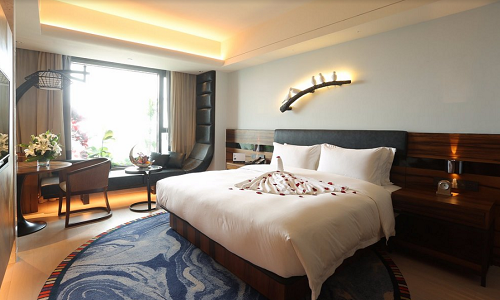
· Address: No. 38, Yingbin Road, Economic Development Zone, Anshun City, Guizhou Province
· Telephone: +86 851 3376 8888
· Price: US$61 and up per night
· Hotel Highlights: The hotel features a unique blend of Chinese and Western styles, with an open-plan lobby design that gives the overall layout a distinctive touch. Moreover, the hotel ingeniously incorporates local Li and Miao cultural elements into its overall design. Local silver artisans' handcrafted lamps and Li and Miao wax-printed decorations can be seen everywhere in the hotel, showcasing its local characteristics. The hotel features 331 stylish and elegant guest rooms and suites. The complete facilities in the rooms offer guests a relaxing and comfortable stay experience. The distinctive floor gardens enhance the comfort and relaxation of guests during their trips in different locations.
Holiday Inn Express Guian Yungu by IHG
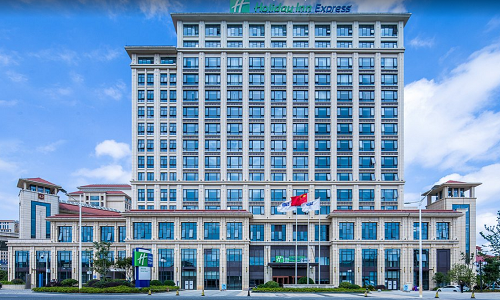
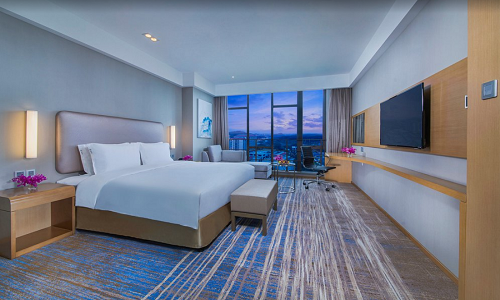
· Address: Gui'an Cloud Valley Complex Building A1, Qianzhong Avenue, Gui'an New District, Anshun City, Guizhou Province
· Telephone: 0851-88308888
· Price: US$62 and up per night
· Hotel Highlights: Guian Cloud Valley Select Holiday Hotel is an international business hotel managed by InterContinental Hotels Group. The hotel is well-connected with convenient transportation. It is approximately 52 kilometers away from Guiyang Longdongbao International Airport in a straight line. The hotel features fresh and stylish guest rooms, where you can enjoy high-quality sleep, refreshing baths, fast internet and satellite channels, along with other pleasant experiences. Each room comes with a nutritious and delicious Western and Chinese buffet breakfast. Whether it's for a vacation or a business trip, when visiting Gui'an, choosing Gui'an Yungu Select Holiday Hotel for accommodation is your "wise choice".
* Premium Homestay: The Perfect Fusion of Unique Personality and Local Culture
Mountain View Boutique Hotel
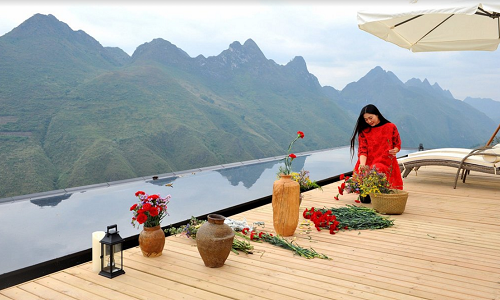
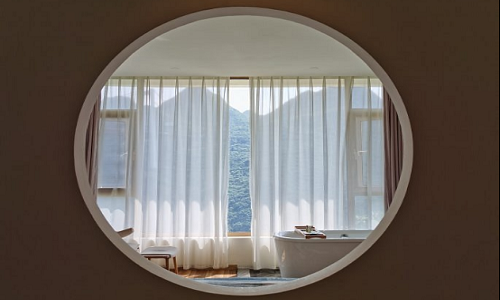
· Address: Manzhai Village, Huangguoshu Resort Area, Anshun City, Guizhou Province
· Telephone: 0851-37151008
· Price: US$155 and up per night
· Hotel Highlights: The guesthouse is located beside the viewing platform of the "first in China and sixth in the world" large-span steel truss suspension bridge - Badiling River Bridge. In the early morning, when you are awakened by the chirping of birds in the mountains while reading in Jianluo Yuanshan, and you slowly open the door and look out, you will see the karst mountains in the distance being wrapped by a river like a celestial river, flowing like melted stars. At this moment, the mountains are at their most ethereal in the day.
Shanyu • Sushuo Homestay
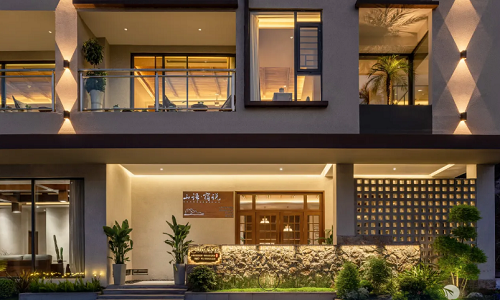
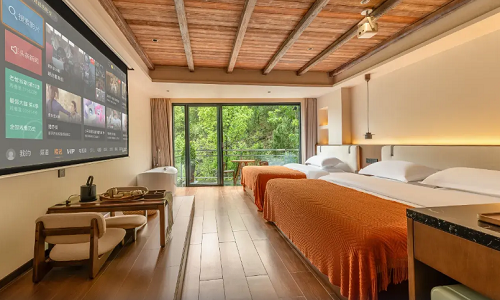
· Address: No. 294, Shabu New Village, Guizhuang Road, Baishui Town, Anshun City, Guizhou Province
· Telephone: 0851-38101088
· Price: US$68 and up per night
· Hotel Highlights: This is a newly-opened high-end boutique hotel in April 2025, located in the Huangguoshu Tourist Area of Anshun, Guizhou Province. It is a popular private accommodation option in the vicinity of Huangguoshu. There are a total of 20 guest rooms, with sizes ranging from 40 to 100 square meters. Each room is equipped with panoramic floor-to-ceiling windows and a viewing balcony. It's only a 5-minute drive from the Huangguoshu Waterfall Scenic Area. Free shuttle service to the scenic area is provided. You can also reach the food street by walking.
Food and Dining Suggestions
Guizhou, as a region with a large number of ethnic groups living together, its abundant natural resources and unique cultural background have given rise to local specialties with distinctive flavors. Anshun rice noodles, sour soup fish and Bui ethnic specialties are representative dishes of Guizhou cuisine. Below, we will introduce these must-try delicacies in detail.
Anshun Rice Noodles
------Classic street food delight in Guizhou
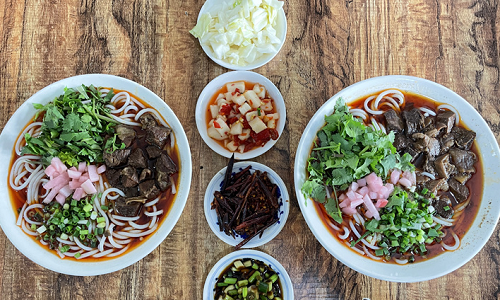
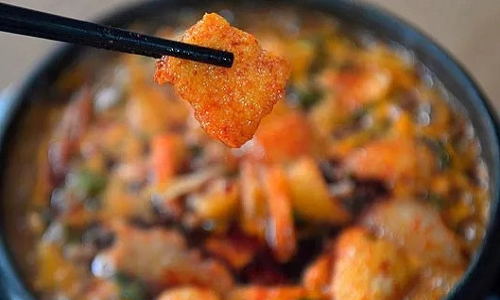
· Traditional Feature: Anshun Rice Noodles are a traditional delicacy of Anshun, Guizhou Province. They are characterized by their fragrant aroma and rich, flavorful texture. The noodles are made from rice and are smooth and tender. When combined with various local soup bases or ingredients, they offer a unique taste.
· Recommended Combination: Anshun rice noodles can be customized with various ingredients and soup bases according to personal preferences. Common combinations include pickled cabbage, minced meat, peanuts, scallions, etc., creating multiple flavor layers such as sour and spicy, or hot and numbing, which are suitable for diners who enjoy stimulating their taste buds.
Sour Soup Fish
------Refreshing and rich in flavor, with a lingering aftertaste
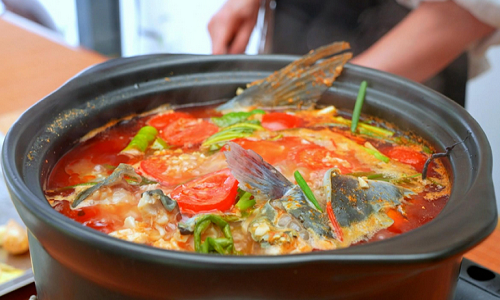
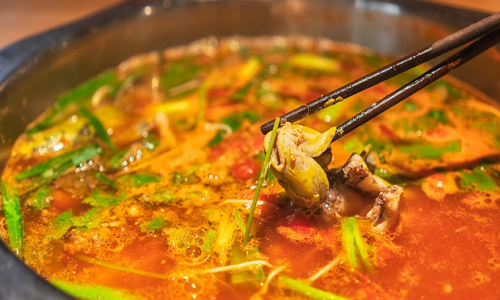
· Traditional Craft: Sour Soup Fish is a representative traditional dish of Guizhou. It uses the local sour soup as the soup base, and the fish meat is delicious. The soup has an acidic and spicy taste that is refreshing and pleasant. The method of making the sour soup is very meticulous. It is usually made by simmering local pickles, chili peppers, and various spices over low heat, resulting in a unique flavor and an extremely appealing combination of sour and spicy. The best combination is rice or rice noodles. The delicious soup can be eaten with the rice.
· Recommended Way to Eat: The fish used in the "sour soup fish" is usually grass carp or common carp. The fish meat is tender and the soup base is sour and refreshing. It is an ideal choice for sharing a pleasant time with friends and family.
Buyi Ethnic Cuisine
------Experience the flavor of diverse cultures
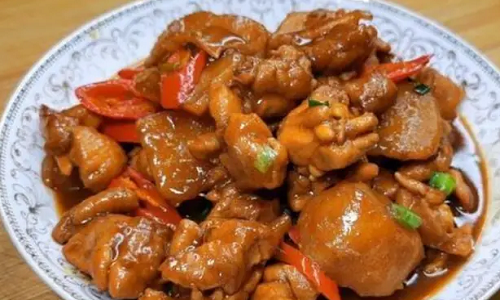
· Buyi Ethnic Group's Food Culture: The Buyi ethnic group is an important minority in Guizhou. Their unique food culture has created many distinctive flavors. Buli specialty dishes emphasize the use of fresh ingredients and unique cooking techniques, often presenting rich aromas and complex flavors. The sauces in the cuisine of the Buyi ethnic group are mainly composed of chili peppers, garlic, and pepper, with a spicy flavor and a strong aroma. In addition, the Buyi people also like to use a large amount of fresh vegetables and herbs, creating a unique taste.
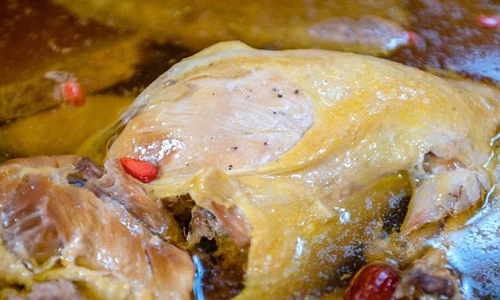
· Common Dishes: The traditional dishes of the Buyi ethnic group include pickled fish, stir-fried rice noodles, and stewed chicken. Among them, the stewed chicken uses a rich variety of spices and has a unique herbal aroma. Rice noodles are one of the staple foods of the Buyi people, and are usually paired with various stir-fried dishes and braised meats, resulting in an extremely delicious taste.
National Culture and In-depth Experience
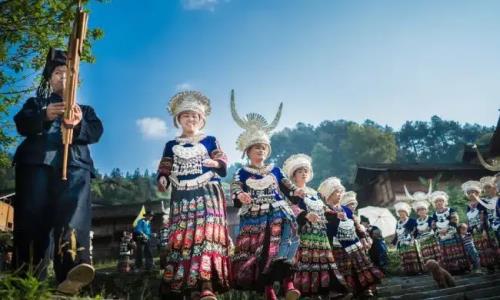
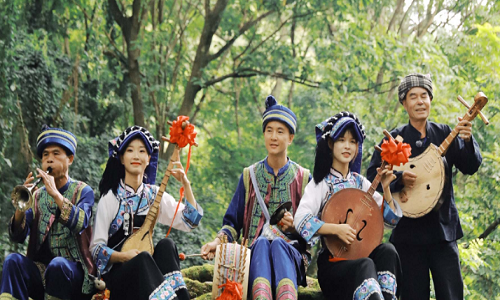
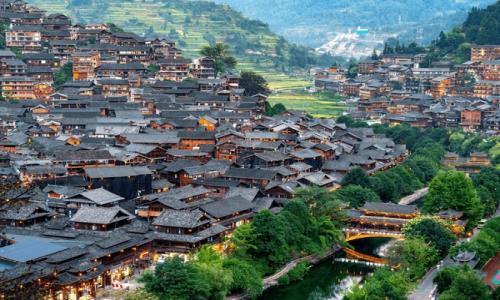
Guizhou is a place where various ethnic minorities gather. There are a total of 17 ethnic groups in the province, among which the Miao, Dong, Buyi, Li, and Gelao are the main ethnic groups. Each ethnic group has its own unique language, clothing, dance, music, artistic forms and traditional festivals. The ethnic cultures of Guizhou interweave and coexist, creating a vibrant cultural atmosphere.
 3-Day Authentic Guizhou Tour Package: Ethnic Villages & Folk Performances
 2-Day Guizhou Tours for Cultural Travelers: From Waterfalls to Folk Rhythms
The Miao Ethnic Culture
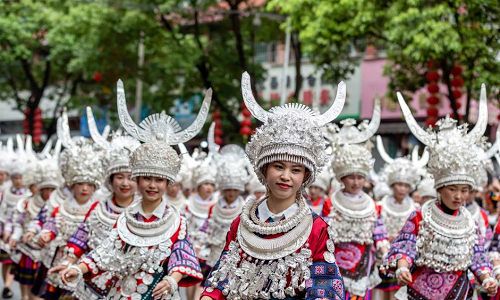
The Miao ethnic group is one of the largest ethnic minorities in Guizhou. The clothing of the Miao people is brightly colored, and their exquisite embroidery and silver jewelry are symbols of their culture. The Miao ethnic group's dance and song culture is extremely rich. Every year, the "Miao New Year" festival and the "Miao Ethnic Song Festival" attract a large number of tourists. The Miao embroidery technique has been listed by UNESCO as a World Intangible Cultural Heritage.
· Miao New Year Festival: The Miao New Year Festival is an important festival for the Miao ethnic group, equivalent to the Lunar New Year. This festival is a time for the Miao people to worship their ancestors and pray for a bountiful harvest. During this period, there are abundant ethnic delicacies, dances, singing, horse races, and dragon dances, serving as a window to understand Miao culture.
· Miao Ethnic Embroidery: The embroidery technique of the Miao ethnic group is regarded as "living cultural heritage". Its patterns are intricate and the colors are bright. It is often used to make clothes, shawls, and accessories. Embroidery works often carry symbolic meanings of auspiciousness, nature or religion, and can reflect the traditional beliefs and culture of the Miao ethnic group.
The Dong Ethnic Culture
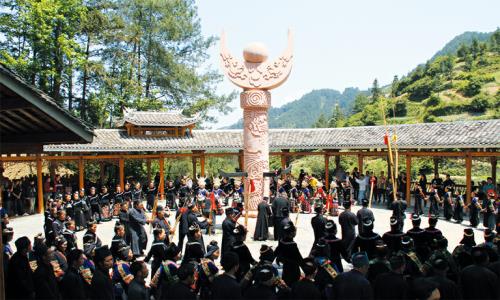
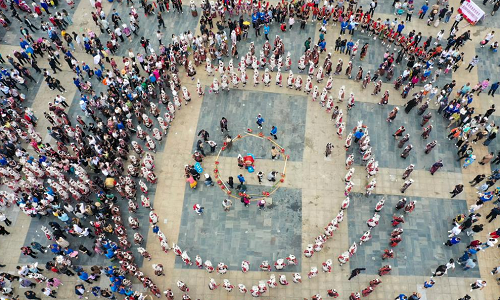
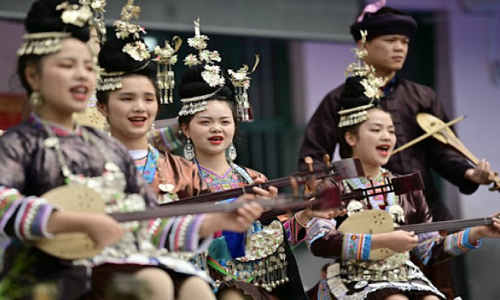
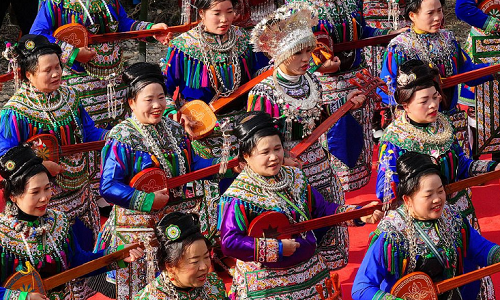
The Dong people are renowned for their exquisite wooden architecture and unique dance and song culture. The Dong people's "big song" is an a cappella chorus and is the most important cultural expression form of the Dong people. The "rainy bridge" and "drum tower" of the Dong ethnic group are also often visited by tourists.
· Dong Ethnic Group's Grand Song Festival: Every year, the Dong people hold a grand singing competition during the Grand Song Festival. People from all over the Dong ethnic region gather together to jointly perform "Dong Grand Songs", which is an a cappella multi-person chorus and an important manifestation of Dong ethnic culture.
· Bamboo Carving of the Dong Ethnic Group: The bamboo carving technique of the Dong ethnic group is regarded as "the essence of the art of carving". The works of Dong bamboo carving are not only exquisite and delicate, but also are commonly used for decorating traditional buildings of the Dong ethnic group, such as drum towers and bridge-like structures.
The Buyi Ethnic Culture
The diet, architecture, handicrafts and festivals of the Buyi ethnic group all have distinct characteristics. The "Dragon Boat Festival" and "Boyi New Year" are important celebrations in the culture of this ethnic group.
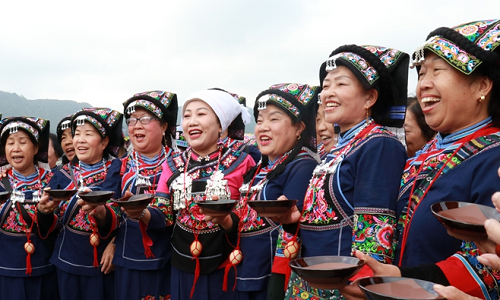
· The Bui Ethnic Culture Festival on June 6th: The 6th of June is a traditional festival for the Buyi people. Due to differences in their living areas, the date of the festival varies. In some regions, they celebrate on the sixth day of the sixth lunar month, which is called the 6th of June; in other areas, they celebrate on the sixteenth or the twenty-sixth day of June, and this is known as the 6th Street or 6th Bridge. The Buyi people attach great importance to this festival and it is called "Little New Year". On the morning of the festival, several respected elders from the village, along with young and middle-aged people, lead the activities of cleaning the village and driving away "ghosts" in accordance with traditional customs. Besides those participating in the sacrifice, all men, women, and children, according to the customs of the Buyi people, should wear ethnic costumes, carry glutinous rice, chicken, duck, fish, and water wine, and go to the hillside outside the village to "hide from the mountain" (which is called "hunting the June market" by the local Han people). After the sacrifice, the chief priest leads everyone to clean the village and drive away "ghosts" at each household, while the "hide from the mountain" crowd stay outside the village to tell stories and sing, and there are various entertainment activities. The Huangguoshu Scenic Area began to hold the Huangguoshu "June 6th" Buyi Cultural Festival in 2007. The purpose is to explore and accumulate Buyi culture through the festival activities and to serve the construction of the cultural brand of the Huangguoshu Scenic Area and the development of cultural tourism.
· Buli Ethnic Group Silver Jewelry: The silver craftsmanship of the Buli ethnic group has a long history and tradition. The silver ornaments of the Buli people are often closely related to their daily lives, such as earrings, necklaces, hairpins, etc., all of which have high craftsmanship levels and unique local styles.
Extended Route: Comprehensive Panoramic View of Guizhou
Guizhou is not only famous for the Huangguoshu Waterfall, but also boasts many astonishing natural landscapes and historical-cultural sites. To make your trip to Guizhou more diverse and enjoyable, we recommend the following extended routes, which cover natural wonders, historical culture and traditional customs, ensuring that you can fully experience the unique charm of Guizhou.
Dragon Palace
------Discovering cave wonders and underground rivers
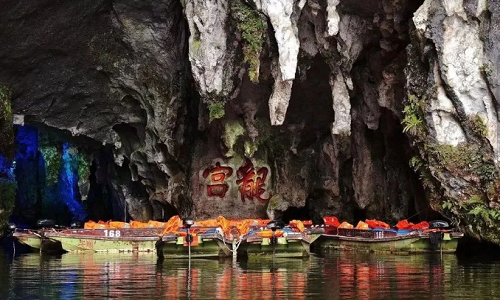
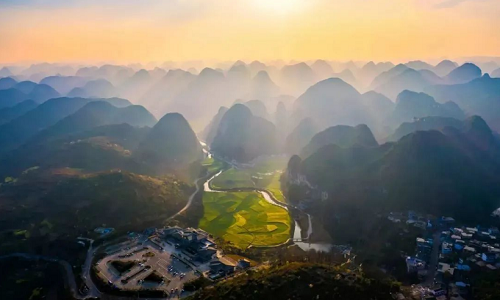
· Unique Attractions: Longgong is located in Xiuwen County, Guizhou Province. It is a typical karst cave scenic area, renowned for its magnificent underground rivers and stalactite landscapes. Longgong is hailed as "Guizhou's Underground Palace", with various strange-shaped rocks such as stalactites, pillars, and stone stalactites forming a mysterious underground world within the cave.
· Must-try Activity: Take a boat tour along the underground river. Tourists can float through the dark cave and admire the colorful stalactites and unique stone stalagmite formations. In addition, you can visit various natural attractions within the cave, such as "Thousand-Year Stone Bell" and "Immortal Pool", etc.
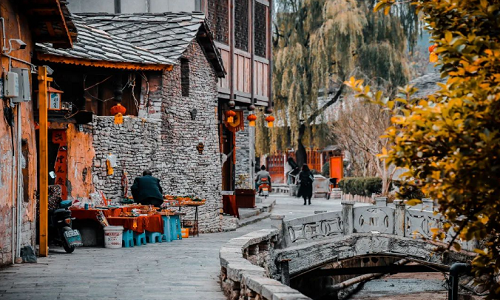
Tianlong Tunbao Ancient Town
------Immersed in ancient history and culture
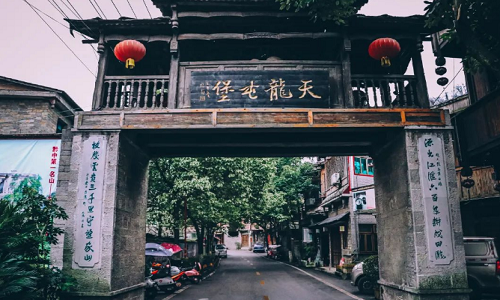
· Unique Attractions: Tianlong Tunbao Ancient Town is located in Anshun City, Guizhou Province. It is an intact ancient Tunbao village. The buildings here retain the style of the Ming and Qing dynasties, and the streets, alleys, ancient city walls and gateways all have a strong historical charm. Tianlong Tunbao was also a cultural exchange place between the Dong and Han ethnic groups in history, profoundly reflecting the diversity of local history in Guizhou.
· Must-try Activities: Take a stroll in the ancient town, visit the ancient Tunbao dwellings, and experience the traditional wooden structures and stone-paved roads. Tourists can also try local traditional handicrafts, such as Dong ethnic group's weaving and silverware making. Tianlong Tunbao is the location of many relics from the Anti-Japanese War era, and it is also an important symbol for the local people to protect their own traditional culture and way of life.
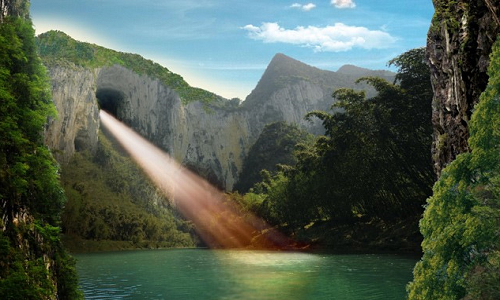
Getu River
------Exploring the unique beauty of Karst Gorges
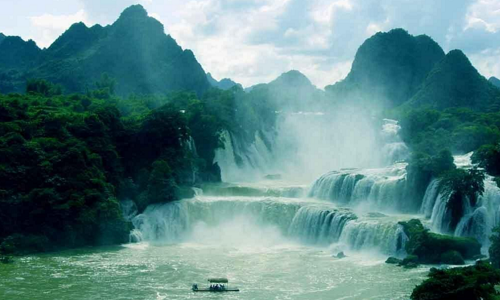
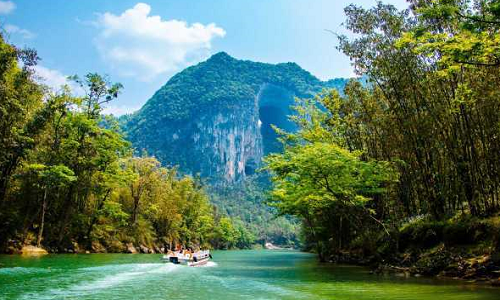
· Unique Attractions: Getu River is located in Anshun City, Guizhou Province. As a typical karst landscape scenic area in China, Getu River Scenic Area is renowned for its unique canyons, waterfalls, stone forests and underground rivers. The natural scenery here is breathtaking and it boasts abundant vegetation and a wide variety of wild animals and plants. Visitors can fully enjoy the awe-inspiring beauty of these natural attractions.
· Must-try Activity: In the Getu River Scenic Area, tourists can either hike along the canyon path or take a boat ride down the river to get a close-up view of the karst landscape around them. At the same time, tourists can also take photos in front of the large waterfall in Getu River to experience the grandeur and tranquility of nature.
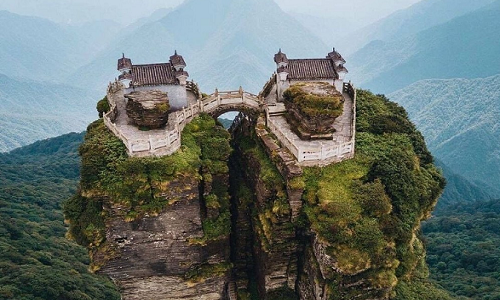
Fanjing Mountain
------Experience the perfect fusion of Buddhist culture and natural beauty
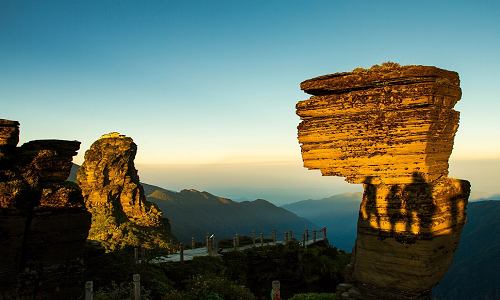
· Unique Attractions: Fanjing Mountain is located in Tongren City, Guizhou Province. It is one of the five major Buddhist mountains in China. Fanjing Mountain is hailed as "the skyline of humanity", with its peak reaching nearly 2,500 meters in altitude and boasting breathtaking natural scenery. Fanjing Mountain is not only a paradise for nature lovers but also a place for Buddhist believers to make pilgrimages. The top of the mountain is perpetually shrouded in clouds, creating a mysterious atmosphere. There are also rare animal species on the mountain, such as the unique species of Fanjing Mountain - the Fanjing Mountain Macaque, which is also a focus of interest for animal lovers.
· Must-try Activity: Tourists can take the cable car to ascend the mountain, enjoying the charming scenery along the way. The "Golden Summit" at the top is the best place to view the surrounding mountains. There are numerous ancient Buddhist temples within the scenic area of Fanjing Mountain, where tourists can pay respects, meditate, or explore Buddhist culture.
Tips for Your Convenience
* Safety Tips: Ensure a Smooth and Safe Journey
Rapid Water Flow and Complex Terrain
The water flow in the Huangguoshu Waterfall area is extremely rapid. Especially near the bottom of the waterfall, the intensity of the water flow and the moisture it carries pose certain risks. Tourists should avoid areas near the edge of the waterfall, especially those with slippery and wet ground, and try to maintain a certain safe distance. Moreover, the ground near the slippery stones is particularly slippery, so be cautious when walking.
The Impact of Weather on Safety
During the rainy season, the water volume of Huangguoshu Waterfall will increase significantly, and the water flow of the waterfall will become more turbulent and more powerful. At this time, the scene of the waterfall will be more spectacular, but tourists should also pay attention to safety and avoid going to the areas with intense water flow. It is recommended to closely monitor the weather forecast and avoid visiting during heavy rainfall or heavy rainstorms, especially in the evening and at night, when the water flow increases rapidly, visibility is poor, and the danger coefficient is higher. If visiting during the rainy season, special attention should be paid to anti-slip, bring rain gear, and remain vigilant.
Precautions for Tourists with Children or the Elderly
For tourists with children or the elderly, it is particularly important to choose appropriate sightseeing routes, avoiding routes with high difficulty or those requiring hiking. It is recommended to choose flat roads within the scenic area and viewing platforms with guardrails, avoiding reaching slippery areas or steep viewing platforms. Especially for the elderly or those with weaker physical conditions, they should avoid approaching the bottom of the waterfall and areas with rapid water flow.
* Practical Tip: Enhancing Travel Experience
Golden Shooting Time
To capture the most beautiful scenes of Huangguoshu Waterfall, it is recommended to choose the "golden shooting time" in the early morning or in the evening. At this time, the light is soft, and the reflection effect of the waterfall's water surface is the best. It can not only capture the magnificent and imposing appearance of the waterfall, but also incorporate the natural light and shadow effects into the picture. Avoid the strong sunlight at noon, as this not only benefits the shooting but also avoids the discomfort caused by the concentration of tourists.
Ticket Reservation
The Huangguoshu Waterfall Scenic Area is very popular, especially during the peak tourist season. Therefore, it is strongly recommended to purchase tickets in advance through the official website or travel platform. To ensure a smooth visit, please make a reservation in advance to avoid long waiting times.
Avoid the Peak Tourist Hours
The peak tourist period at Huangguoshu Waterfall usually falls between 10:00 a.m. and 3:00 p.m. During this time, the scenic area is crowded with people, which may affect the visiting experience. To better enjoy the natural scenery, it is recommended to avoid this period, especially during holidays or peak tourist seasons. You can choose to visit in the morning or in the late afternoon, which can not only avoid the peak tourist hours but also enjoy a more peaceful atmosphere.
Essential Items
· Raincoat: Regardless of the season, the Huangguoshu Waterfall area is always filled with moisture. Wearing a waterproof raincoat can effectively prevent you from getting soaked. Especially when visiting during the rainy season, a raincoat is an indispensable item.
· Anti-slip Shoes: The ground near the waterfall is slippery, so it is necessary to prepare a pair of anti-slip shoes. Avoid wearing ordinary sports shoes or slippers, especially on the walkways or viewing platforms near the bottom of the waterfall. Anti-slip shoes can ensure that you are more stable when walking on the slippery and rocky ground.
Chartered Vehicle & Private Guide Experience
To facilitate tourists' better exploration of Huangguoshu Waterfall and its surrounding attractions, taking a chartered vehicle is a very convenient option. Through chartered transportation, you can not only freely arrange your itinerary but also avoid the congestion and inconvenience of public transportation. The private tour guide can offer a tailor-made travel experience based on your interests and needs. They will explain the historical and cultural background of Huangguoshu Waterfall and the surrounding attractions, lead you to explore the hidden beauty within the scenic area, and ensure that you don't miss any of the wonderful spots.
 Authentic 6-Day Guizhou China Tour Discovering Miao and Dong Cultures
 Explore Yunnan, Guizhou & Guangxi on a 15-Day Luxury Private Tour China
Your Way Holiday’s Guizhou Travel Guide
The Huangguoshu Waterfall is not merely a magnificent waterfall site; it is also a magnificent chapter where nature and karst landforms converge. It not only showcases the tremendous power of nature, but also reflects the unique geological and ecological beauty of Guizhou.
We design private and tailor-made Guizhou tours customized to your travel style at affordable local prices. You’ll enjoy the comfort of a private, spacious car and the company of a professional local guide with over 5 years of experience, dedicated exclusively to you or your group. From transportation and tickets to authentic dining experiences (we always recommend the dishes most loved by locals), everything will be arranged according to your preferences.
Not exactly what you’re looking for? Don’t worry — all of our Guizhou tours can be fully customized based on your interests, schedule, and budget. We specialize in creating unique Guilin experiences that go beyond the guidebook, giving you the chance to truly connect with the local culture and people. Our enthusiastic tour experts are always ready to provide detailed suggestions and will respond to your inquiry within 24 hours. Ready to explore Guilin your way? Contact us today and let us design a Guizhou shopping experience that fits your style. Your Way Holiday looks forward to your message! We're ready to design an unforgettable Guizhou trip for you anytime.
Wechat: YourWayHolidayAsia
24 Hours Hotline:
+8613735411378
Certificate of Excellence
2012~2026

Your Way Holiday
1 to 1 tailor-made service from our professional travel advisors for the most sophisticated
Constantly excellent reviews for attraction, hotel and service Competitive price
Local experts provide quality tours Best selected knowledgeable local guides Authentic local restaurants
7*24 hours available to create you a worry-free tour. No Hidden Fees and absolutely no pressure to buy. Secured