
24 Hours Hotline: +8613735411378
Email:[email protected]
24 Hours Hotline: +8613735411378
Email:[email protected]
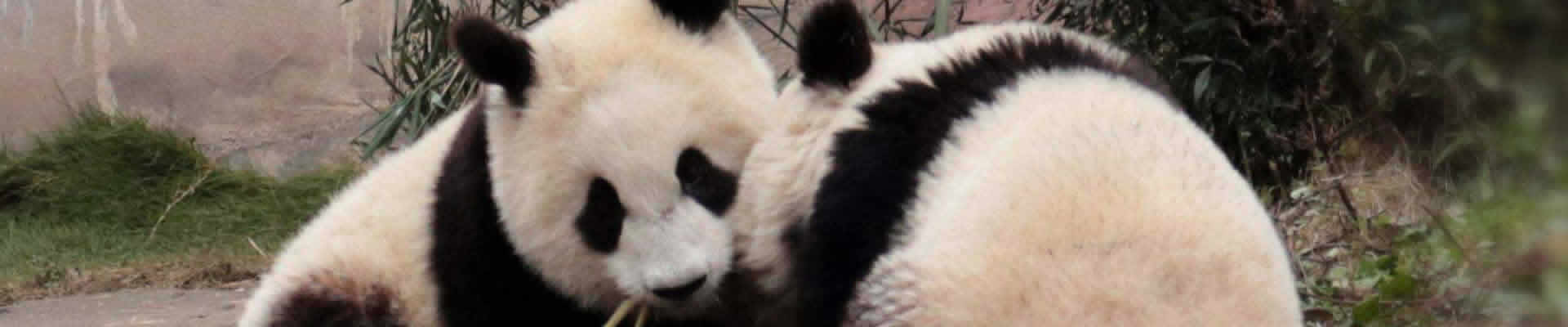
Siguniang Mountain, also known as the “Four Sisters Mountain,” is a stunning, mystical destination located in the heart of the Sichuan province, China. Famous for its breathtaking landscapes, lush valleys, and majestic snow-capped peaks, Siguniang is a must-visit destination for nature lovers, adventure seekers, and those looking to experience the beauty of Tibetan culture. This guide will walk you through the best ways to travel from Chengdu to Siguniang Mountain, ensuring that your journey is as smooth and enjoyable as possible.
Discover Chengdu: A Journey Tailored to Your Interests!
Get the most out of your Chengdu trip with a tour that reflects your passions! From the peace of scenic temples to the energy of bustling markets and the warmth of Sichuan cuisine, we offer an itinerary tailored to your unique preferences. Whether you're a nature enthusiast, a foodie, or a culture lover, Chengdu offers a wealth of experiences, and we’re here to help you experience them all.
 5 Days Tibet Culture Tour with Mount Siguniang
 2-Day Mt. Siguniang Trekking Adventure Tour
Introduction
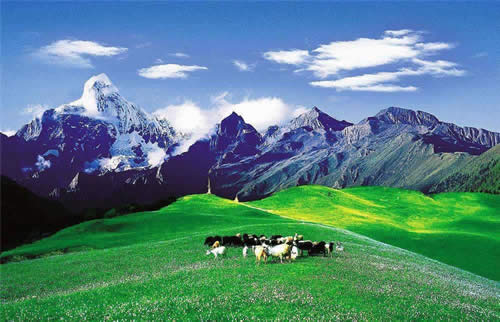
Nestled in the western Sichuan Plateau, Mount Siguniang—affectionately hailed as the "Oriental Alps"—is a masterpiece of nature that blends snow-capped grandeur, lush alpine meadows, and profound Tibetan culture into one breathtaking destination. Its four towering peaks pierce the sky like graceful maidens, while crystal-clear lakes, winding valleys, and ancient Tibetan villages dot the landscape, creating a paradise for hikers, nature lovers, and culture enthusiasts alike. Whether you’re chasing panoramic views from Balang Pass, trekking through wildflower-strewn trails, or savoring butter tea in a local homestay, Mount Siguniang promises an unforgettable escape from the bustle of Chengdu.
This guide is crafted to be your ultimate companion for traveling from Chengdu to Mount Siguniang, offering comprehensive, practical information to eliminate guesswork and stress. From detailed transportation breakdowns (covering self-driving, public buses, charters, and more) to itinerary tips, accommodation picks, and local food recommendations, we’ve got every aspect of your journey covered.
The distance between Chengdu and Mount Siguniang is approximately 200 kilometers, with most routes winding through scenic mountain roads. Travel difficulty ranges from moderate to challenging—ideal for families seeking a relaxed getaway, couples chasing romance, and adventure seekers craving hiking or cycling. No matter your travel style or group size, this guide adapts to your needs.
Website: https://www.sgns.cn/
About Mount Siguniang
1. Geographic Location
Mount Siguniang is located in Xiaojin County, Aba Tibetan and Qiang Autonomous Prefecture, Sichuan Province. It sits at the eastern foot of the Qinghai-Tibet Plateau, roughly 200 kilometers northwest of Chengdu. Surrounded by the Min Mountains, the scenic area spans over 450 square kilometers, with its core region bordered by Wolong National Nature Reserve to the north and Danba Tibetan Village to the west. The town of Siguniangshan (the main gateway to the scenic area) lies at an altitude of 3,200 meters, serving as a vital hub for accommodation, dining, and transportation.
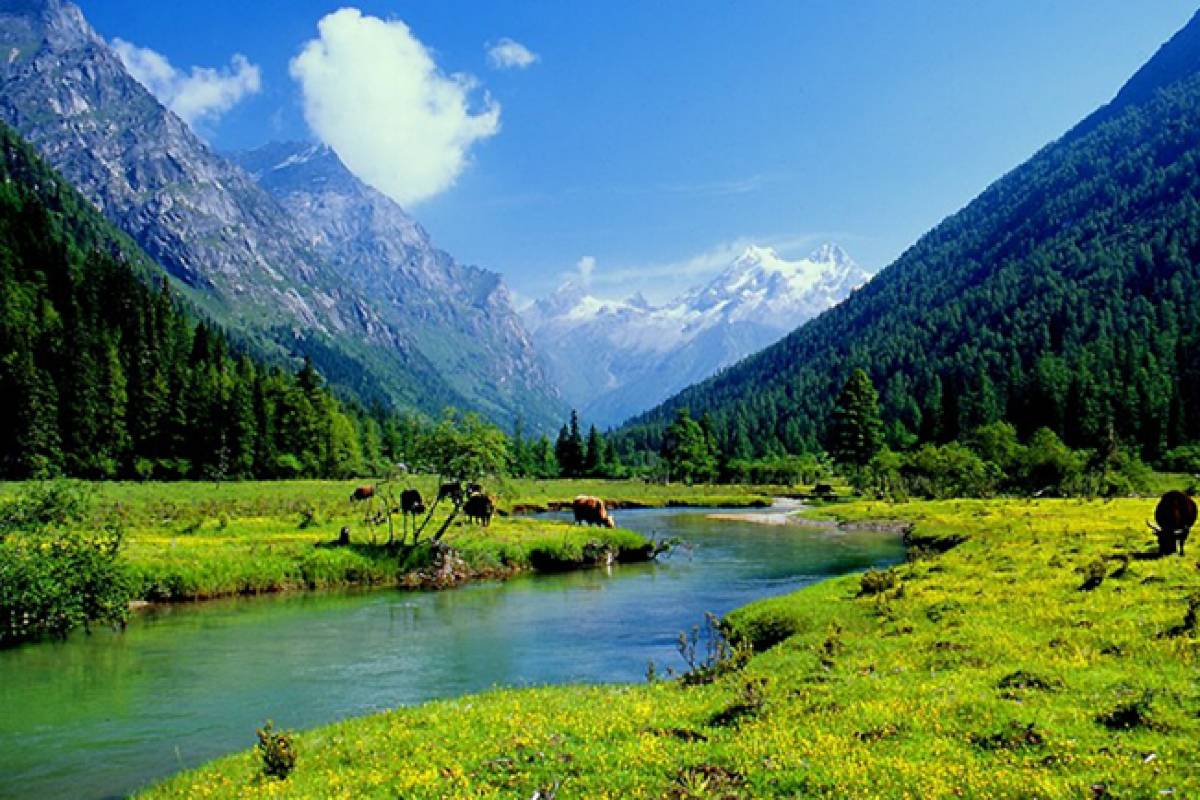
2. Scenic Features
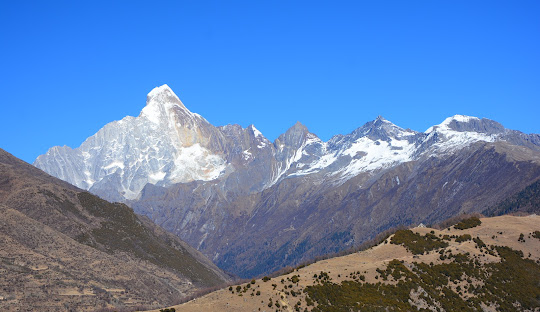
The scenic area’s crown jewels are its four main peaks, named after the "Four Girls" in local Tibetan legend:
· Daguniang Peak (Big Sister Peak): The lowest of the four at 5,025 meters, with gentle slopes covered in alpine grasslands, perfect for casual walks and photography.
· Erguniang Peak (Second Sister Peak): Rising to 5,276 meters, it boasts rugged rock faces and snow patches that linger year-round, offering striking contrast against the sky.
· Sanguniang Peak (Third Sister Peak): At 5,355 meters, it features sharp ridges and glaciers, a favorite among intermediate hikers for its challenging trails and panoramic views.
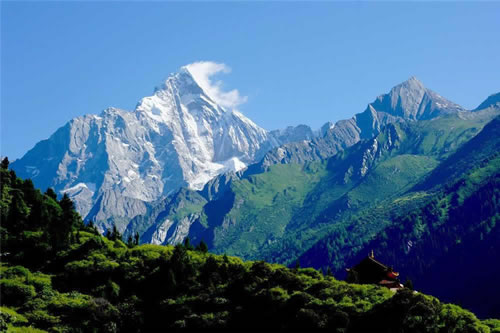
· Yaomei Peak (Fourth Sister Peak): The highest and most iconic at 6,250 meters, its snow-capped summit and steep, icy slopes make it a sacred symbol of the region—revered by locals and admired by mountaineers worldwide.
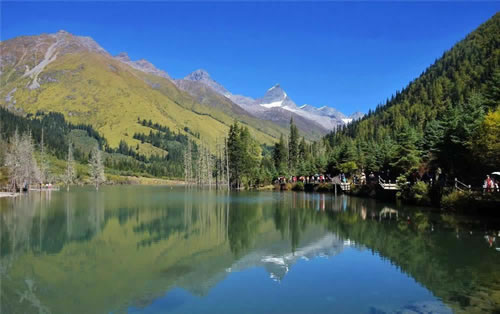
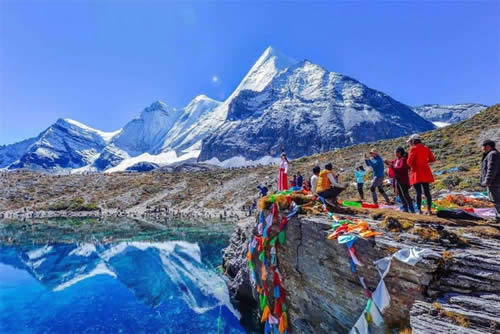
Beyond the peaks, the area is dotted with natural wonders: vast alpine meadows that burst with rhododendrons and wildflowers in spring, deep valleys carved by glacial rivers, and serene lakes (such as Pearl Lake and Five-Color Lake) whose clear waters reflect the surrounding mountains like mirrors. Scattered throughout the landscape are traditional Tibetan villages, where stone houses with flat roofs and prayer flags fluttering in the wind preserve age-old customs and way of life.
3. Best Travel Time
· Spring (March–May): Temperatures rise to 5–15°C, and alpine meadows come alive with pink rhododendrons, yellow buttercups, and purple gentians. This is the ideal time for flower viewing and gentle hikes, with fewer crowds.
· Summer (June–August): Cool and pleasant, with average temperatures of 10–20°C—an escape from Chengdu’s swelter. The valleys are lush and green, and hiking trails are accessible, though occasional afternoon showers are common (pack a raincoat).
· Autumn (September–November): The foliage turns fiery red, golden yellow, and orange, painting the mountains in a riot of colors. Temperatures range from 0–15°C, and the clear, dry weather offers perfect visibility for photography and long hikes.
· Winter (December–February): A snowy wonderland with temperatures dropping to -10–5°C. The peaks are covered in thick snow, and the landscape is quiet and serene. This season is ideal for snow photography, winter hiking (for experienced trekkers), and experiencing Tibetan New Year celebrations in local villages.
4. Scenic Area Division
The Mount Siguniang Scenic Area is divided into three core valleys, each with unique features:
· Shuangqiao Valley: The most accessible and developed valley, with a paved road and shuttle buses running through its 34-kilometer length. It’s known for its diverse landscapes—snow-capped peaks, meadows, lakes, and rock formations. Highlights include Pearl Lake, Red Rock Beach, and the Tibetan-style Shuangqiao Village. Perfect for families, casual tourists, and those short on time.
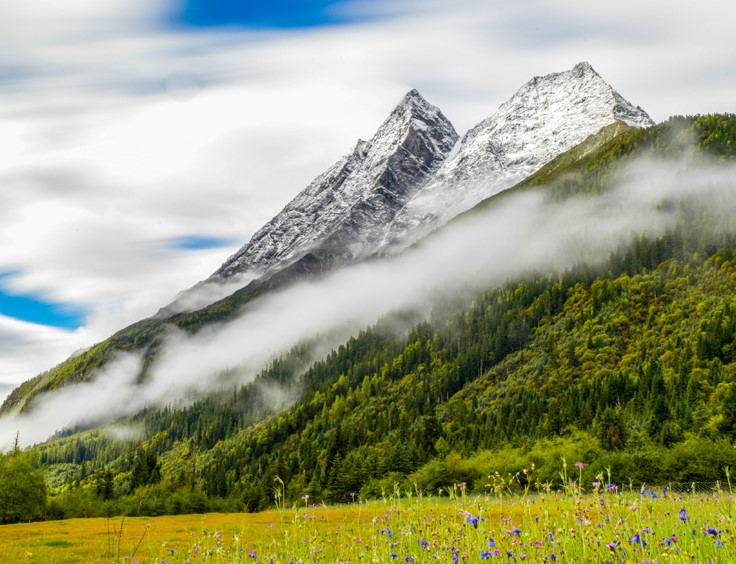
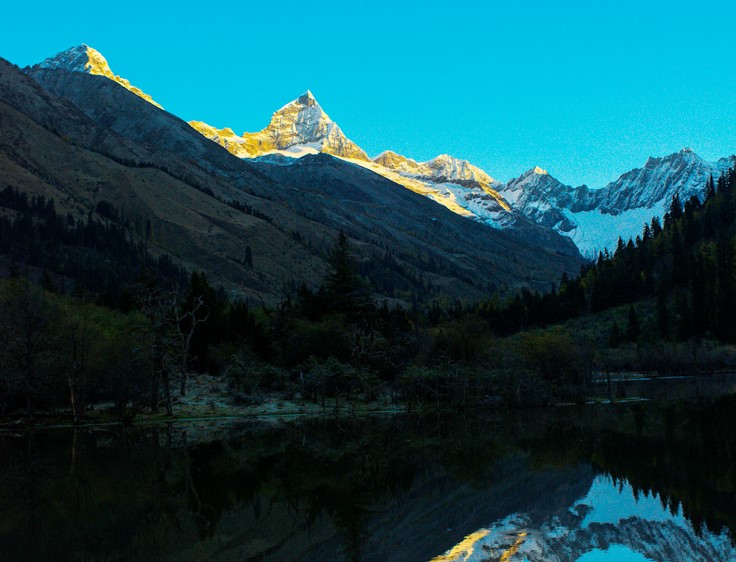
· Changping Valley: A 29-kilometer valley that balances natural beauty and adventure. The lower section is flat and suitable for horse riding or gentle walks, while the upper section features rugged trails leading to glaciers and high-altitude meadows. It’s a popular choice for day hikes and overnight treks, with views of Yaomei Peak and the iconic "Haitang Valley" rock formation.


· Haizi Valley: The wildest and least developed valley, spanning 40 kilometers. It’s a paradise for experienced hikers and outdoor enthusiasts, with primitive trails leading to alpine lakes (haizi), snow-capped passes, and remote meadows. The valley offers minimal facilities, so visitors need to be self-sufficient, but the untouched scenery and solitude make it worthwhile.
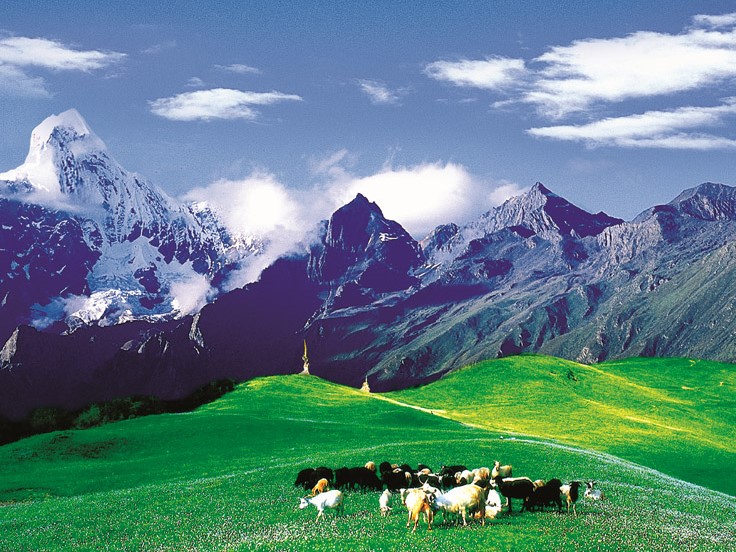

5. Cultural Background
Mount Siguniang is deeply rooted in Tibetan culture, and the local Tibetan people have preserved their traditions for centuries. Here are key customs and etiquette tips to respect the culture:
· Religion: Most locals practice Tibetan Buddhism. When visiting temples or monasteries, dress modestly (cover shoulders and knees), remove hats, and avoid talking loudly. Do not touch religious artifacts (such as prayer wheels or statues) without permission, and spin prayer wheels clockwise.
· Daily Customs: When entering a Tibetan home, greet the host with a smile and a nod (learn the Tibetan greeting "Tashi Delek"—meaning "good fortune"). Accept offers of butter tea or tsampa (roasted barley flour) politely (you don’t have to finish, but taking a sip shows respect). Avoid stepping on thresholds or touching other people’s heads (a sacred part of the body in Tibetan culture).
· Festivals: Important Tibetan festivals include Losar (Tibetan New Year, usually in February–March), Saga Dawa (celebrating the birth of Buddha, in May–June), and Horse Racing Festival (August). During festivals, villages host traditional activities like horse racing, archery, and group dances (Guozhuang Dance). Visitors are welcome to join, but ask for permission before taking photos of locals.
· Etiquette for Photography: Always ask before taking photos of Tibetan people, especially elders and children. Some villages or religious sites may prohibit photography—follow signs and local guidance. Do not take photos of military installations or sensitive areas (common in border regions).
Transportation Options from Chengdu to Siguniang
A. Self-Driving Guide
1. Route options & detailed directions
· Main route: Chengdu — Dujiangyan — Wolong National Nature Reserve — Siguniangshan Town (via G350). Total distance: about 200 km, travel time: 4.5–6 hours (normal traffic).
· Alternative route (for avoiding congestion): Chengdu — Pengzhou — Chongzhou — Wenchuan — Li County — Siguniangshan Town. Total distance: about 230 km, travel time: 5–7 hours.
2. Road condition details
· G350 section: Paved asphalt road, mostly mountain roads with continuous bends (especially from Wolong to Siguniangshan). The road is narrow in some sections, so avoid overtaking blindly.
· Rainy season (June–August): Partial sections may have landslides or mudslides. Check road closure notices 1–2 days in advance.
· Winter (December–February): High-altitude sections (above 3,000 meters) may have ice and snow. Prepare anti-skid chains and drive at low speed.
3. Navigation & waypoint tips
· Recommended apps: Gaode Map (Amap), Baidu Map. Search for "Siguniangshan Scenic Area Visitor Center" for accurate navigation.
· Key waypoints: Dujiangyan Ancient Irrigation System (optional stop), Wolong Giant Panda Protection and Research Center (detour 10 km from the main route), Balang Pass (altitude 4,487 meters, photo spot).
· Note: Some mountain road sections have no mobile signal. Download offline maps in advance.
4. Parking information
· Siguniangshan Town Central Parking Lot: 10 yuan/day, 500 meters from the scenic area entrance.
· Shuangqiao Valley Scenic Area Parking Lot: 15 yuan/day, directly at the valley entrance.
· Changping Valley Parking Lot: 15 yuan/day, adjacent to the valley ticket office.
5. Cost breakdown
· Fuel fee: About 200–250 yuan (round trip, based on 1.6L displacement car).
· Toll fee: Only 10 yuan for Dujiangyan Expressway section (one way); G350 has no additional tolls.
· Parking fee: 10–15 yuan/day, total 20–30 yuan for a 2-day trip.
B. Public Transportation Guide
a. Long-Distance Bus
1. Departure stations & location
· Chengdu Chadianzi Bus Station: No. 199 Xindu Avenue, Jinniu District. Take Metro Line 2 to "Chadianzi Bus Station" Exit D.
· Chengdu Xinnanmen Tourist Distribution Center: No. 271 Wuhouci Street, Wuhou District. Take Metro Line 5 to "Wuhouci" Exit K.
2. Schedule & frequency
· Chadianzi Bus Station: Departures at 7:30 AM, 8:30 AM, 9:30 AM, 10:30 AM (peak season: add 11:30 AM and 01:00 PM shifts).
· Xinnanmen Tourist Distribution Center: Departures at 8:00 AM, 9:00 AM, 10:00 AM (peak season: add 02:00 PM shift).
· Off-peak season (November–March): Reduce 1–2 shifts; confirm the latest schedule via the station’s official WeChat account 1 day in advance.
3. Ticket booking & price
· Booking methods: On-site ticket window (open 06:30 AM – 06:00 PM), online platforms (China Bus Ticket Network, Ctrip, Fliggy).
· Ticket price: 98–120 yuan/adult (varies by season). Students with valid ID: 80 yuan, seniors over 60: 70 yuan.
· Ticket collection: Online bookings require picking up tickets at the station’s self-service machine or ticket window with ID 30 minutes before departure.
4. Travel process & tips
· Boarding requirement: Arrive at the station 40 minutes in advance to go through security checks; no ticket change or refund 30 minutes before departure.
· Intermediate stops: Only stop at Wolong Town (rest stop, 15 minutes) and Balang Pass (photo stop, 10 minutes).
· Arrival station: Siguniangshan Town Bus Station (100 meters from the town center).
5. Transfer from station to scenic area:
· Local bus: Take the No. 1 bus from the bus station to "Shuangqiao Valley Entrance" (2 yuan/person, 15 minutes).
· Taxi: 10–15 yuan from the bus station to Shuangqiao Valley/Changping Valley entrance (5 km distance).
· Shared car: Negotiate with local drivers at the station exit, 5–10 yuan/person for a shared ride.
b. Inter-City Shuttle Services
1. Operation Mode
Inter-city shuttle services are a premium and flexible transportation option connecting Chengdu and Siguniangshan Town, designed to bridge the gap between public long-distance buses and private charters. These are regularly scheduled direct shuttles that prioritize efficiency and comfort, operating year-round with adjusted frequencies based on seasons.
· Frequency: Departures from Chengdu run from 7:00 AM to 3:00 PM, with one shuttle every 2 hours (peak season: June–October adds extra shifts at 4:00 PM and 5:00 PM; off-peak season: November–March reduces to 4–5 daily shifts).
· Vehicle Type: Mostly 7-seater MPVs or 19-seater mid-size buses, all equipped with air conditioning, comfortable seats, and large luggage compartments. Vehicles are regularly maintained to ensure safety on mountain roads.
· Travel Duration: 4–5 hours (faster than regular long-distance buses, as shuttles only make 1 mandatory rest stop at Wolong Service Area for 15 minutes, no unnecessary detours).
· Route Fixity: Follows the main G350 National Highway, same as the self-driving and long-distance bus routes, ensuring stable travel times even in mild traffic.
2. Booking Channels
Shuttle tickets are available through multiple convenient channels, with online booking recommended for guaranteed seats (especially during peak season):
· Official WeChat Mini-Program: Search for "Chengdu-Siguniangshan Shuttle" (the most direct channel). After registration, select travel date, departure time, and pick-up point, then complete payment. A booking confirmation with QR code will be sent to your WeChat, which is scanned for boarding.
· Major Travel Platforms: Ctrip, Fliggy, and Meituan Travel list authorized shuttle services. Search for keywords like "Chengdu to Siguniangshan shuttle" to browse schedules, compare prices, and book with real-time seat availability.
· Local Travel Agencies: Partner agencies in Chengdu (e.g., West Sichuan Travel Agency near Chadianzi Bus Station) and Siguniangshan Town (e.g., Siguniangshan Tourism Service Center) offer offline booking services. Staff can assist with itinerary adjustments and provide on-the-spot consultation.
· Hotel Concierge: Most mid-range and high-end hotels/inns in Chengdu and Siguniangshan Town provide free booking services for guests. Simply inform the front desk of your travel date and group size, and they will secure seats on your behalf.
3. Service Features
Inter-city shuttles stand out for their user-friendly services, catering to both individual travelers and small groups:
· Door-to-Door Pick-Up (Partial Routes): In Chengdu, pick-up covers core urban areas including Jinniu District (near Chadianzi Bus Station), Wuhou District (near Xinnanmen Tourist Center), and Chenghua District (near Tianfu Square). Specific pick-up points (e.g., subway exits, hotel lobbies) are confirmed via WeChat 1 day before departure. Note: Suburban areas or remote locations may require travelers to reach the nearest designated pick-up spot.
· Luggage Storage: Each shuttle is equipped with a locked luggage compartment at the rear (for large suitcases) and overhead racks (for backpacks). Drivers assist with loading/unloading, and valuables can be kept with you on the seat. Some operators also offer free temporary luggage storage at their Chengdu or Siguniangshan Town offices for round-trip travelers.
· English-Speaking Staff (Limited Availability): During peak season (June–October) and on popular morning shifts (8:00 AM, 10:00 AM), most shuttles are staffed with a bilingual guide/driver who can communicate in basic English. They provide simple route introductions, altitude sickness tips, and answer common questions. For off-peak seasons or less busy shifts, English service can be requested in advance when booking.
· Additional Perks: Complimentary mineral water is provided to each passenger. Some shuttles have USB charging ports and free Wi-Fi (signal may be unstable in mountainous areas). Drivers are familiar with scenic spots and can offer casual recommendations for dining or accommodation upon request.
4. Practical Tips
· Confirm your pick-up time and location via the booking platform or WeChat 12–24 hours before departure, as minor adjustments may occur due to traffic or passenger distribution.
· Arrive at the designated pick-up spot 10–15 minutes early; shuttles depart on time and will not wait for latecomers.
· Ticket changes or refunds are allowed up to 24 hours before departure (full refund); changes made 12–24 hours in advance incur a 10% service fee; no refunds or changes within 12 hours.
· For groups of 6 or more, you can request a customized departure time via the official mini-program or travel agency.
C. Charter/Shared Car Services
1. Advantages & disadvantages analysis
· Advantages: Flexible departure time, door-to-door pick-up, free to stop at scenic spots along the way (e.g., Balang Pass), no need to worry about navigation and road conditions.
· Disadvantages: Higher cost than public transportation; shared cars may have waiting time for fellow passengers.
2. Booking methods
· Local travel agencies: Recommended "Siguniangshan Tourism Service Center" (on the main street of Siguniangshan Town) or agencies at Chengdu’s major bus stations.
· Online platforms: Fliggy Charter Car, Ctrip Charter Service, local WeChat mini-programs (e.g., "Chengdu-Siguniangshan Charter Shared Car").
· Hotel recommendations: Most inns in Siguniangshan Town cooperate with regular drivers; book through the hotel for more reliable service.
3. Price reference
· Charter car (5-seater sedan): One-way 600–800 yuan, round trip 1,100–1,500 yuan (peak season: June–October, increase by 20–30%).
· Charter car (7-seater MPV): One-way 800–1,000 yuan, round trip 1,500–1,800 yuan.
· Shared car: One-way 150–200 yuan/person, round trip 280–350 yuan/person (minimum 4 people to depart).
· Off-peak season (November–March): Prices decrease by 15–20%.
4. Service scope & customization
· Basic service: Direct one-way/round trip between Chengdu and Siguniangshan Town.
· Customized itinerary: Add stops at Dujiangyan, Wolong Panda Base, or Balang Pass for photography (additional 100–200 yuan for one-way detour).
· Extended service: Charter car for in-scenic area transfers (e.g., between Shuangqiao Valley and Changping Valley) at 200–300 yuan/day.
D. Special Transportation Options
a. Cycling
1. Route feasibility & difficulty
· Main route: Chengdu — Dujiangyan —— Wolong — Siguniangshan Town (total 200 km, 80% mountain roads).
· Difficulty level: Medium to high (suitable for experienced cyclists; altitude rises from 500m to 3,200m).
2. Preparation & supply
· Equipment: Mountain bike (preferably with shock absorption), anti-skid tires, repair tools (inner tube, pump), riding helmet, and windproof and warm clothing.
· Supply stations: Dujiangyan City, Wolong Town, and Balang Pass Service Area (provide water, food, and simple bike repairs).
· Accommodation along the way: Stay overnight in Wolong Town (recommended "Wolong Forest Inn") to avoid fatigue driving.
3. Notes
· Best travel time: April–May and September–October (mild weather, less rain).
· Avoid cycling in rainy season (landslides risk) and winter (ice roads).
· Ride in groups of 2–3 people; carry a power bank and download offline navigation.
b. Long-Distance Hiking (For Experienced Hikers Only)
1. Sectional hiking route
· Stage 1: Chengdu — Dujiangyan (25 km, flat road, 1 day).
· Stage 2: Dujiangyan — Wolong Town (60 km, gentle mountain roads, 2 days).
· Stage 3: Wolong Town — Siguniangshan Town (115 km, challenging mountain roads with altitude gain, 3–4 days).
2. Essential preparations
· Equipment: Lightweight tent, sleeping bag (cold-resistant to -5?), hiking boots, trekking poles, first-aid kit, and high-energy food (energy bars, dried meat).
· Permits: Apply for a "Wolong National Nature Reserve Hiking Permit" at the local forestry bureau in advance (free of charge).
· Guide service: Mandatory for solo hikers; book local professional guides (300–500 yuan/day) who are familiar with the route and wildlife distribution.
3. Safety warnings
· Check weather forecasts daily; avoid hiking in thunderstorms or heavy rain.
· Carry altitude sickness medicine; acclimatize gradually at each stage.
· Stay on designated trails to avoid getting lost or disturbing wildlife.
c. Train + Bus Combined Transport
1. Specific plan
· Train from Chengdu to Dujiangyan: Take high-speed rail from Chengdu East Station/Chengdu Station to Dujiangyan Station (20–30 minutes, 10–15 yuan/ticket).
· Bus from Dujiangyan to Siguniangshan: Walk 500 meters from Dujiangyan Station to "Dujiangyan Tourist Bus Station" to take the direct bus to Siguniangshan Town (departures at 9:00, 11:00, 14:00; 3.5–4 hours, 80 yuan/person).
2. Advantages & disadvantages
· Advantages: Avoids Chengdu’s urban traffic jams; the high-speed rail section is fast and comfortable.
· Disadvantages: Limited bus schedules from Dujiangyan; need to coordinate train and bus times carefully.
3. Tips
· Book high-speed rail tickets 1–3 days in advance (especially on weekends and holidays).
· Confirm the latest bus schedule from Dujiangyan Tourist Bus Station via phone (028-8723985) one day in advance.
Your Perfect Chengdu Experience: Designed Just for You!
Chengdu is a city full of life, culture, and flavor—and we’re here to guide you through it all. Our personalized tours bring you the best of the city, from famous attractions like the Giant Panda Sanctuary to hidden gems tucked away in local neighborhoods. Whatever your interests may be, we’ll help you experience Chengdu in a way that feels truly yours.
 3 Days Mt.Siguniangshan Leisure Tour with Top Highlights
 4 Days Classic Siguniangshan Mountain Hiking Tour with Wolong Panda Base
Travel Itinerary Planning
A. 1-Day Trip Itinerary
1. Optimized Route
Chengdu — Shuangqiao Valley (core scenic area) — Chengdu (focus on accessible, high-value attractions to maximize limited time)
2. Transportation Arrangement
· Departure from Chengdu: Take the 6:30 AM inter-city shuttle or 7:00 AM long-distance bus (arrive at Siguniangshan Town around 11:00 AM).
· Return Schedule: Take the 4:00 PM shuttle or 4:30 PM long-distance bus from Siguniangshan Town (arrive in Chengdu around 8:30–9:00 PM).
3. Must-See Attractions (Time-Saving Route)
· Shuangqiao Valley Shuttle Bus Ride: Board the scenic area shuttle at 11:30 AM, go directly to the farthest "Redwood Forest" (altitude 3,800 meters, view of snow-capped peaks and ancient redwoods).
· Pearl Lake (1:00–2:00 PM): Walk 10 minutes from the shuttle stop to the lake, take photos of mountain reflections (the most iconic spot in Shuangqiao Valley).
· Red Rock Beach (2:15–2:45 PM): Admire the red rock formations contrasting with green grass and blue sky.
· Shuangqiao Village (3:00–3:30 PM): Quick visit to a Tibetan village for local snacks and souvenir shopping before departure.
B. 2-Day/3-Day Trip Itinerary
1. 2-Day Trip Itinerary
Day 1: Chengdu — Siguniangshan Town
· Departure at 8:00 AM (self-driving or inter-city shuttle), arrive at Siguniangshan Town around 12:30 PM.
· Check-in at a town hotel/inn, have lunch, and rest for 1–2 hours to acclimatize to the altitude (3,200 meters).
· Afternoon: Visit Changping Village (near the town), walk around Tibetan stone houses, watch locals weave, and take photos of distant peaks.
Day 2: Changping Valley In-Depth Tour — Return to Chengdu
· 8:30 AM: Enter Changping Valley, take a horse ride (or walk) to "Haitang Valley" (2-hour one-way, enjoy close-up views of Yaomei Peak).
· 12:00 PM: Picnic lunch at a valley rest stop (bring snacks or buy local food).
· 1:30–3:30 PM: Explore the lower valley’s meadows and streams, then exit the scenic area.
· 4:00 PM: Depart from Siguniangshan Town, arrive in Chengdu around 8:30 PM.
2. 3-Day Trip Itinerary
Day 1: Same as 2-day trip (Chengdu ? Siguniangshan Town ? acclimatization ? Changping Village tour).
Day 2: Haizi Valley Light Hiking
· 9:00 AM: Enter Haizi Valley, hike the gentle trail to "Flower Sea Lake" (3-hour round trip, suitable for beginners, surrounded by wildflowers in spring/autumn).
· 12:30 PM: Lunch at the valley’s simple restaurant (try yak meat noodles).
· Afternoon: Continue to "Five-Color Lake" (1-hour hike from Flower Sea Lake), then return to the town before sunset.
Day 3: Optional Activities ? Return to Chengdu
· Morning: Choose one activity—horse riding in Changping Valley (2 hours, 150 yuan/person), Tibetan culture experience (learn to make tsampa/butter tea at a local home, 80 yuan/person), or visit a small Tibetan temple.
· 12:00 PM: Lunch in the town, pack luggage.
· 1:30 PM: Depart from Siguniangshan Town, arrive in Chengdu around 6:00 PM
Accommodation Arrangement
· Overnight in Siguniangshan Town: More convenient for dining, shopping, and transportation. Choose mid-range hotels or Tibetan inns (recommended for families and casual travelers).
· Overnight inside the scenic area: Only available in Shuangqiao Valley Guesthouse or Haizi Valley Camping Ground. Closer to attractions for early morning tours, but limited facilities (no luxury options, recommended for photography enthusiasts or hikers).
Accommodation Guide Near Mount Siguniang
1. Yunduanshanyu Tangchi Homestay (Siguniangshan Shuangqiaogou Scenic Area)
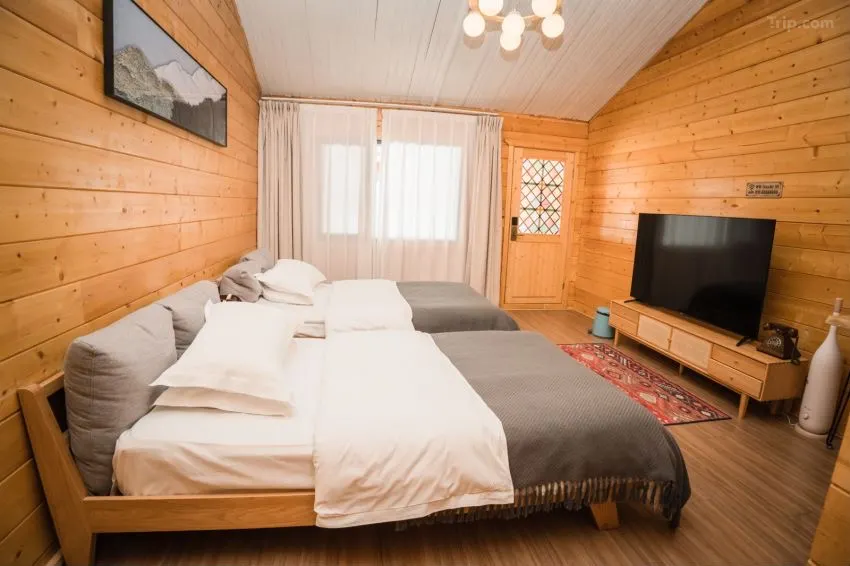
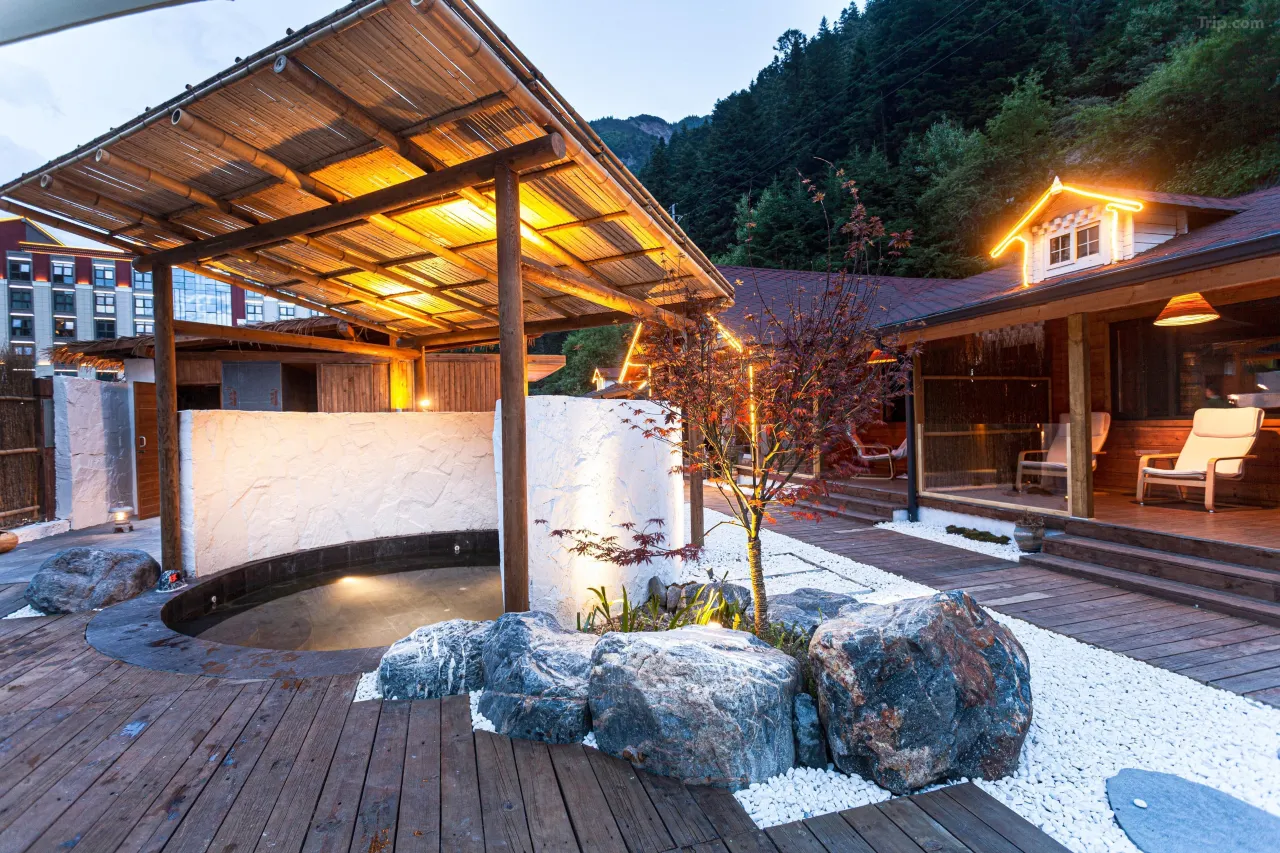
The Yunduanshanyu Tangchi Homestay (Siguniangshan Shuangqiaogou Scenic Area) is an ideal spot for travelers wanting to discover the city. The Yunduanshanyu Tangchi Homestay (Siguniangshan Shuangqiaogou Scenic Area) offers a pleasant stay in Xiaojin for those traveling for business or leisure. Famous local attractions Yinyang Valley and Qionglaishan Panda Habitat Protection Zone, can both be reached with a short walk. When guests have some time on their hands they can make use of the onsite facilities. This Xiaojin hotel provides parking on site. There's never a dull moment at this hotel, our guests indicate that the facilities are excellent. This hotel is a popular accommodation for guests traveling with families.
Address: Next to New Siguniang Villa, Entrance of Shuangqiao Valley (Approximately 150 meters north of the entrance of Shuangqiao Valley Scenic Area), Siguniangshan Town, Xiaojin, Sichuan, China
Phone: +86-17745008881
2. Four Girls Mountain Lanxi Wild Luxury Hotel (Changpinggou Scenic Area Branch)
The hotel located at the heart of the Changping Valley Scenic Area in Siguniang Mountain, at an altitude of over 3,300 meters, this destination offers a perfect blend of the vastness of the plateau and a gradual acclimatization zone for newcomers, making it the ideal starting point for exploring the untouched landscapes of Western Sichuan. The design concept revolves around "wild luxury coexisting," combining the rugged contours of Western Sichuan with modern minimalist aesthetics. Exposed stone materials and metallic lines create a refined yet raw aesthetic, while expansive floor-to-ceiling windows and private terraces bring panoramic views of snow-capped peaks, forests, and meadows indoors, turning each window into a "dynamic natural frame" for an immersive "sleeping in the scenery" experience. Signature features include a cloud-view restaurant at 3,300 meters serving Tibetan delicacies like freshly cut yak meat and matsutake stewed with Tibetan chicken, all accompanied by breathtaking views of the snow-covered meadows. For comfort, the property offers underfloor heating, a 24-hour constant temperature hot water system, smart toilets, zero-pressure mattresses, and basic oxygen supplies. Worry-free services include 24-hour butler service, dedicated charging stations, and free parking.
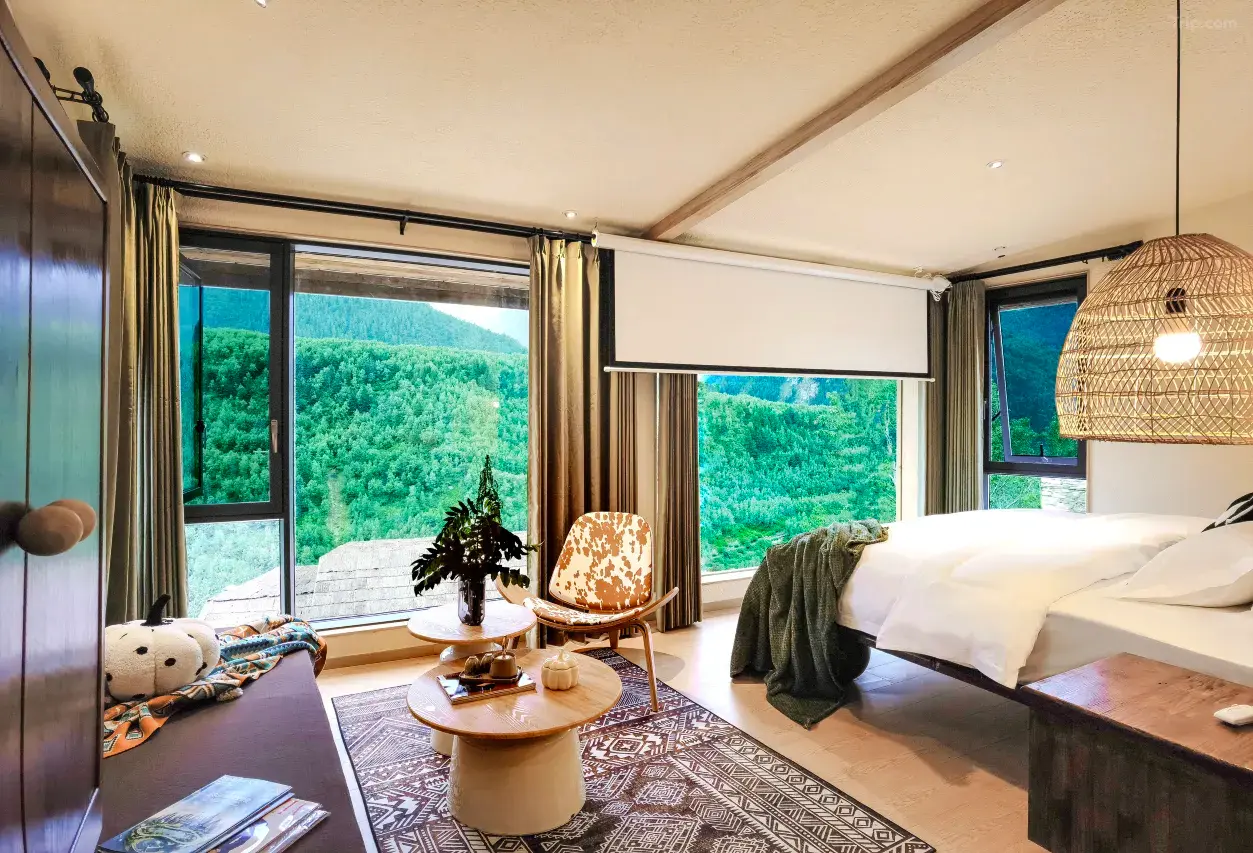
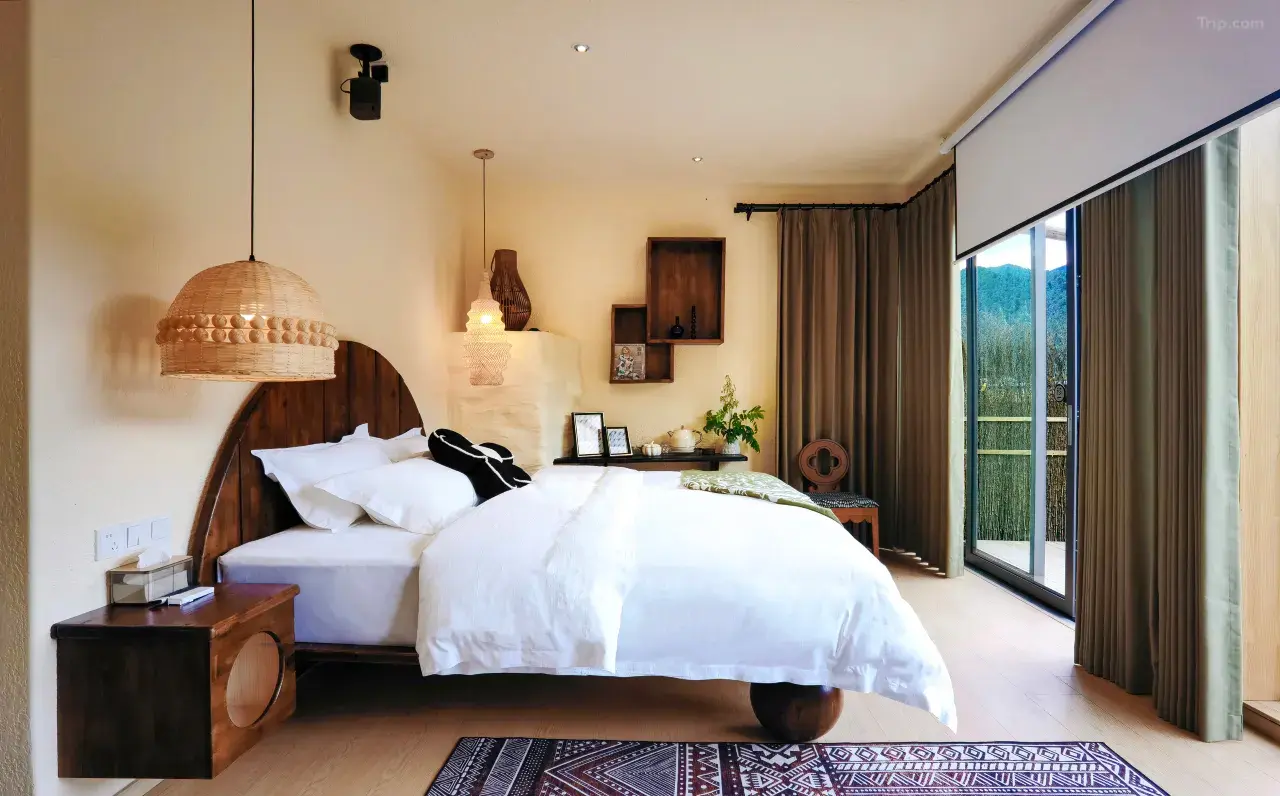
Address: No. 27, Village Group 2, Changping Village, Siguniangshan Town, Xiaojin, Sichuan, China
Phone: +86-19881020101
3. Sgura Manor Hotel
As the core project of Sgura Wenlv City, Sgura Manor Wooden House Hotel is located at the north end of Sgura Wenlv City, 220 kilometers away from Chengdu and 100 meters away from the tourist center of Siguniang Mountain changping valley Scenic Area. The wooden house is surrounded by Changping Village. Sgura Wenlv City is a comprehensive tourism service project piloted by Siguniang Mountain Scenic Area. After five years' dedicated efforts, it covers an area of nearly 80 mu, with a building area of about 25,000 square meters and an investment of 350 million yuan, including Cultural Square, Thangka Experience Hall, Panda Museum, Ethnic Custom Commercial Street, Rongzhong Erjia Performing Arts Center, etc. Sgura Wenlv City will be a window to show the non-genetic inheritance of Jiarong Tibetan culture. Sgura Manor Cottage Villa Hotel has 19 Tibetan couch rooms with Jiarong Tibetan characteristics and ethnic customs, 12 smart toilet twin rooms, 4 parent-child rooms, 8 luxurious twin beds and 24 luxurious big beds, totaling 69 sets of high standard rooms and 7 sets of entertainment rooms. Each villa is independently provided with medical grade central oxygen supply (diffusion type and nasal suction type), 24-hour comfortable floor heating, 24-hour hot water shower, wireless Internet access and unified high-quality bedding. The hotel provides free parking, booking tickets for scenic spots and parties for guests. The restaurant of the hotel is shut down for delicious Chinese and Western buffet breakfasts, while the park also opens children's playground, free gym and other entertainment projects. Create a warm, comfortable and distinguished exclusive space for guests. The aim is to build a regional cultural resort hotel in Siguniang Mountain, providing tourists with a better accommodation experience.
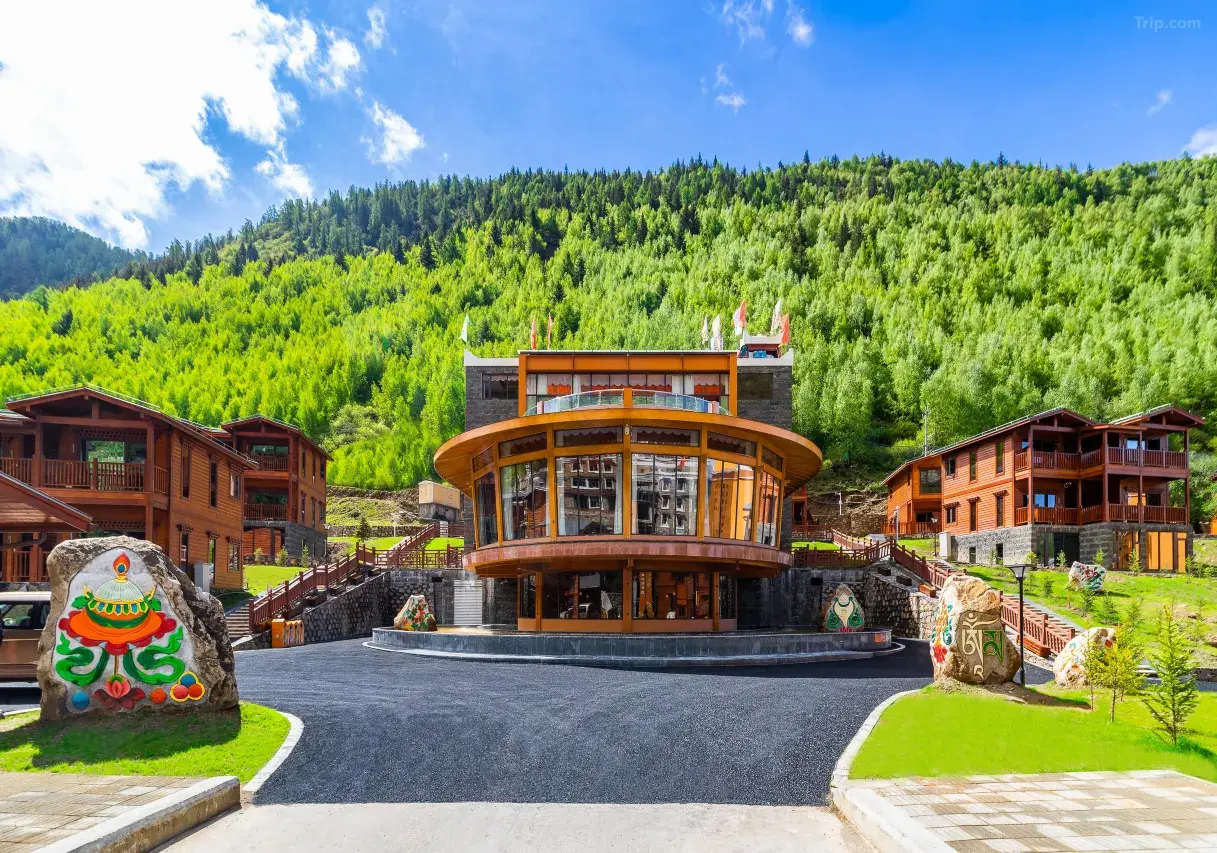
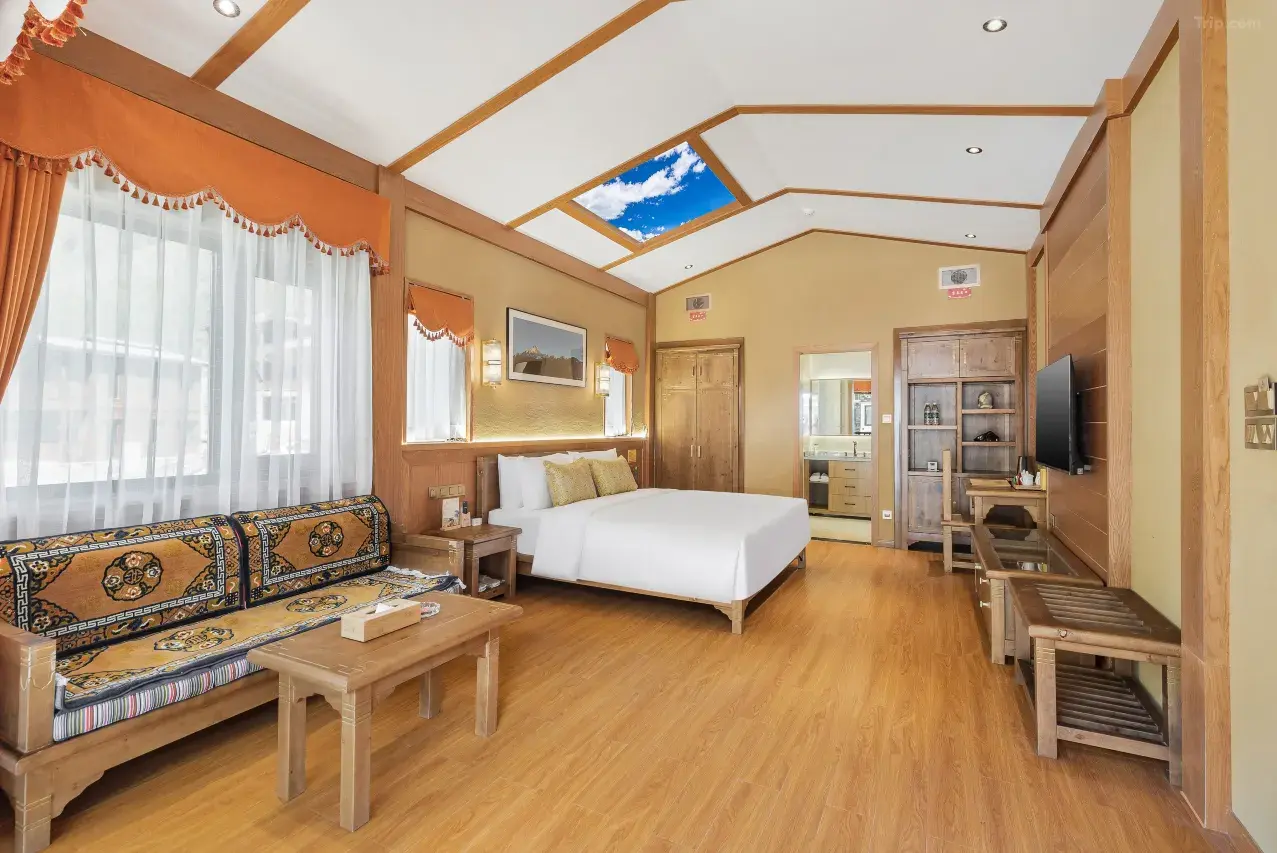
Address: No.4 jinzi street, siguniang mountain town, Xiaojin, Sichuan, China
Phone: +86-837-2787999 | +86-19508100778
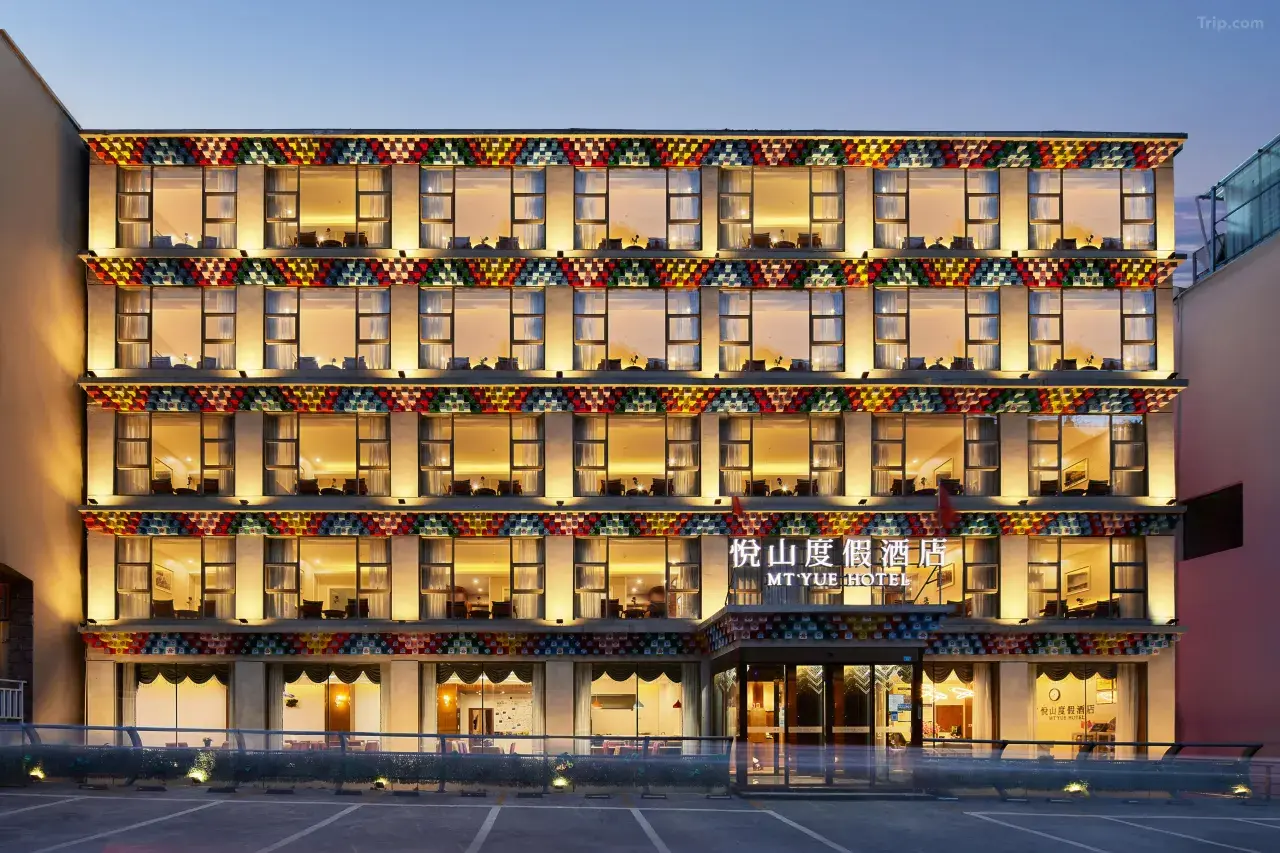
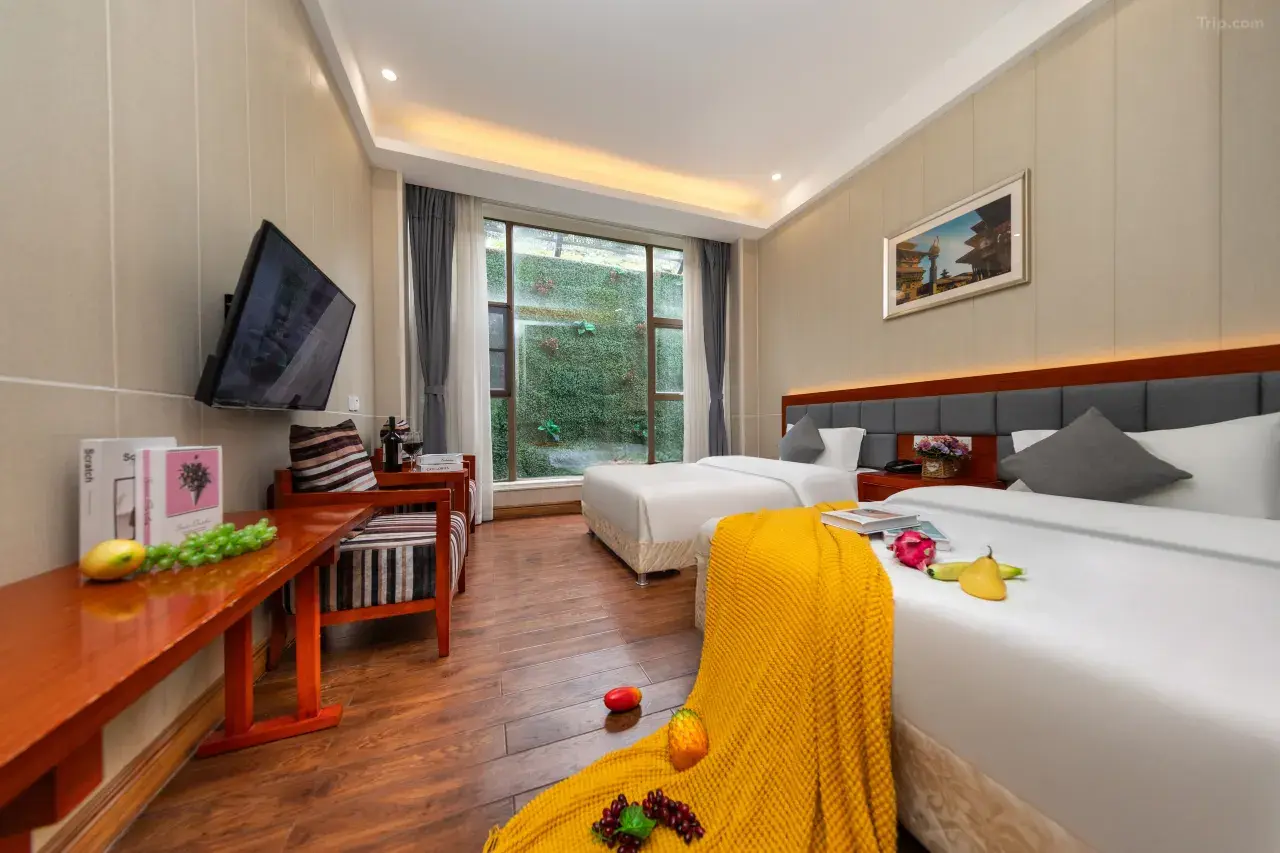
4. Yueshan Holiday Hotel
The Yueshan Holiday Hotel provides a great place for travelers to relax after a busy day. Visitors to Xiaojin will find that the Yueshan Holiday Hotel is a fantastic accommodation choice. The nearby area boasts an abundance of attractions including Changpingcun, Cat's Nose Ridge and Rilong Town. At the end of a busy day, travelers can unwind and relax in the hotel or go out and enjoy the city. This Xiaojin hotel features parking on site.
Address: Beside Provincial Highway 303, Rilong Town, Xiaojin, Sichuan, China
Phone: +86-837-8813333
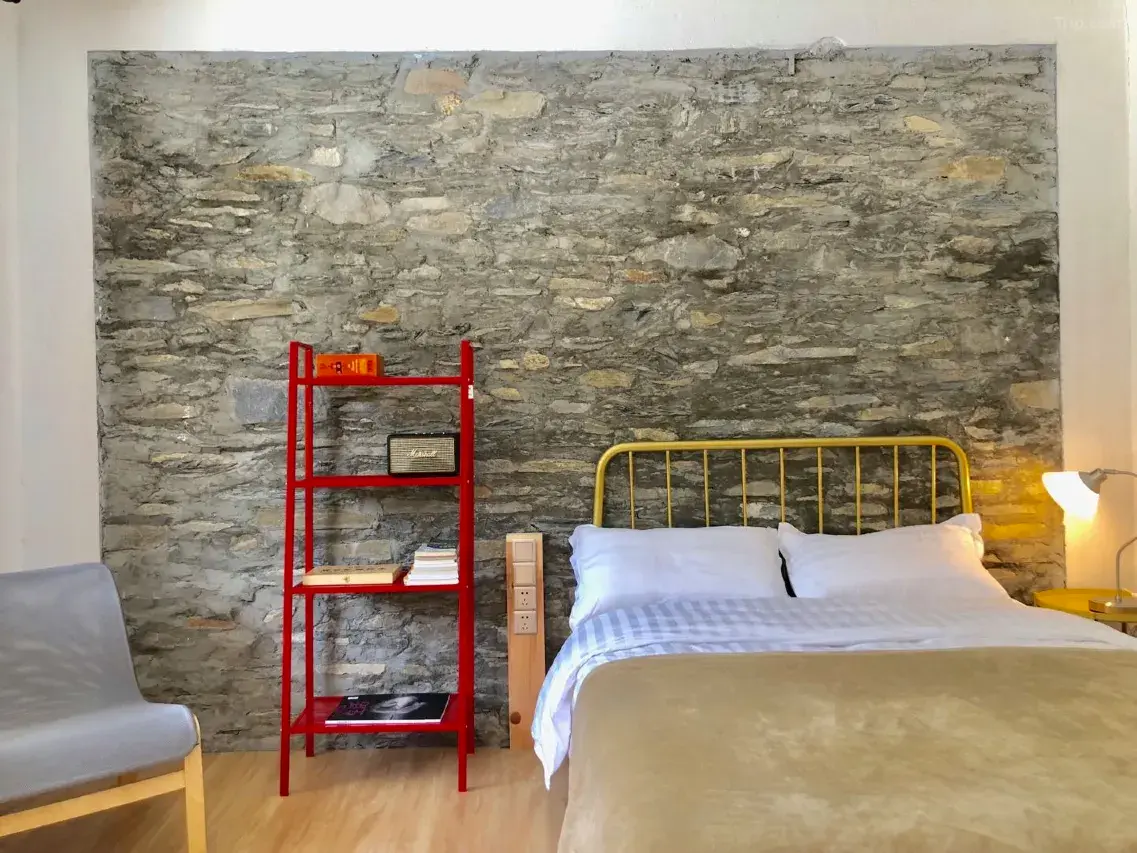
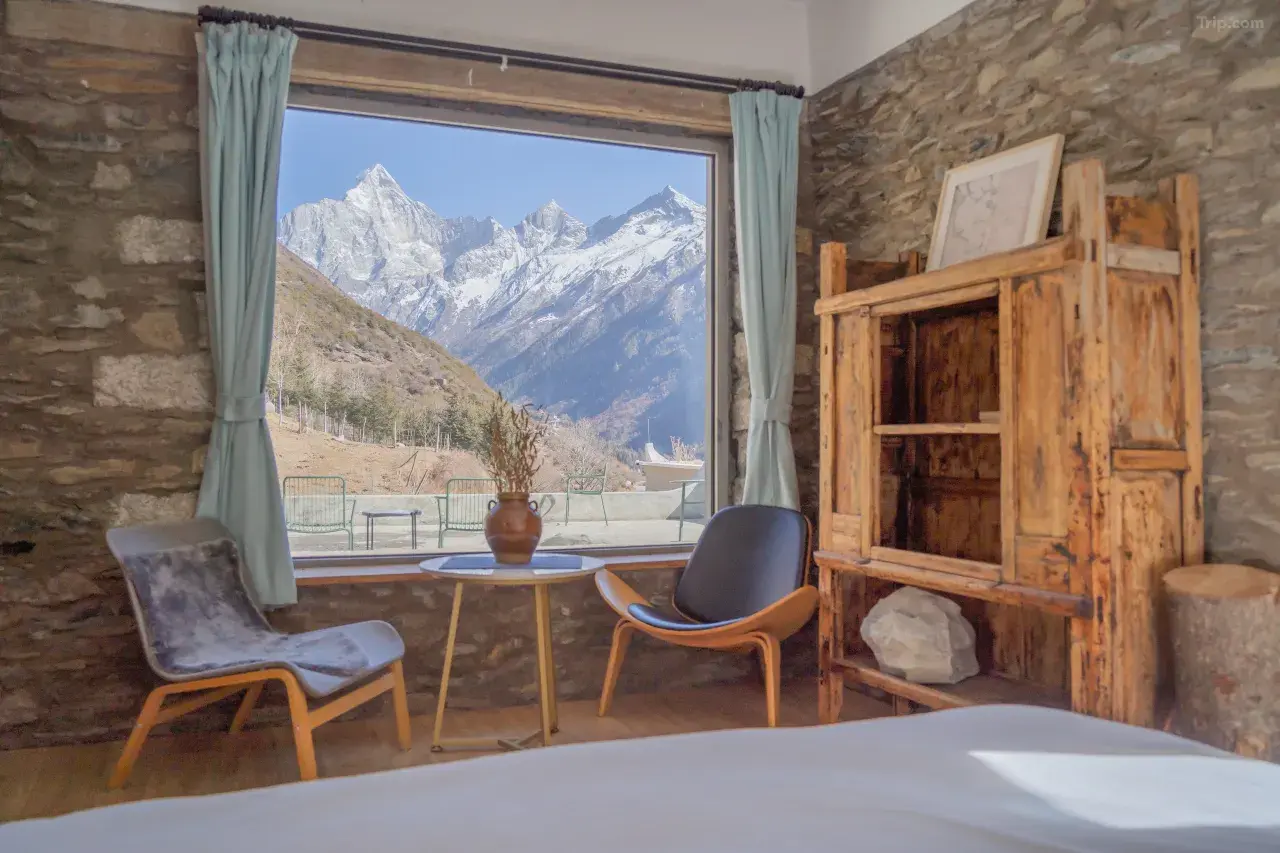
5. La Maison
The La Maison provides a great place for travelers to relax after a busy day. The La Maison is an ideal choice for travelers who want to take in the sights and sounds of Xiaojin. With multiple attractions nearby including Haizi Valley Scenic Area, Changping Valley and Changpingcun, guests will find plenty to keep themselves occupied. When guests have some time on their hands they can make use of the onsite facilities. According to our guests, the location of this hotel is one of the best around.
Address: No. 009, Village Group 1, Changping Village, Siguniangshan Town, Xiaojin, Sichuan, China
Phone: +86-17381703154
Local Food & Dining Guide
A. Must-Try Local Delicacies
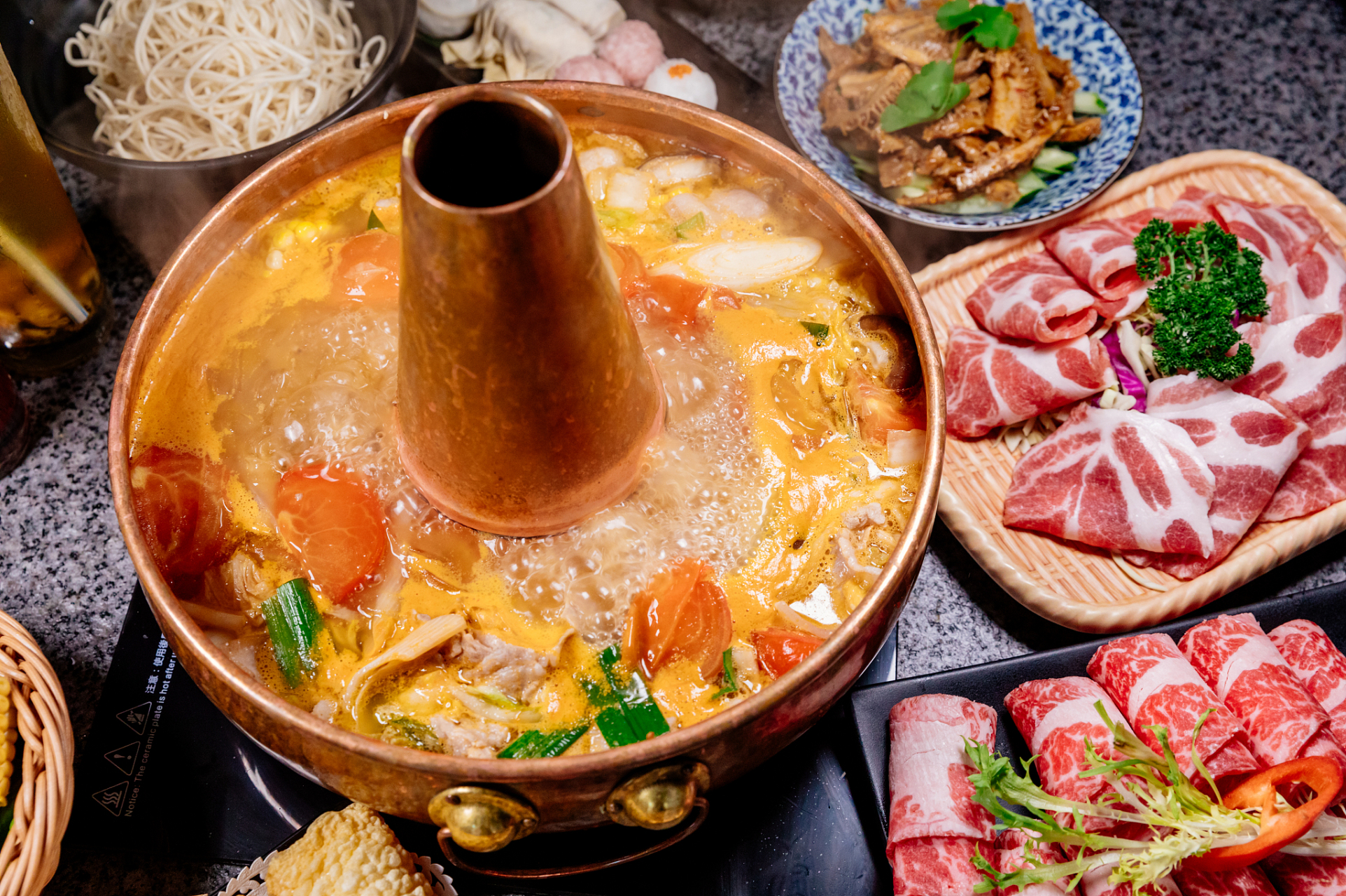
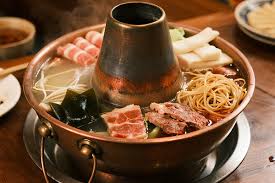
1. Tibetan Copper Pot Hot Pot
A signature dish with a rich yak bone broth base. Layered with fresh yak meat, Tibetan pork, wild mushrooms, and local vegetables, it’s simmered in a traditional copper pot for a mellow, savory flavor. Perfect for warming up on cold plateau nights.
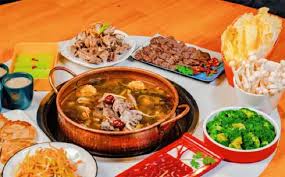
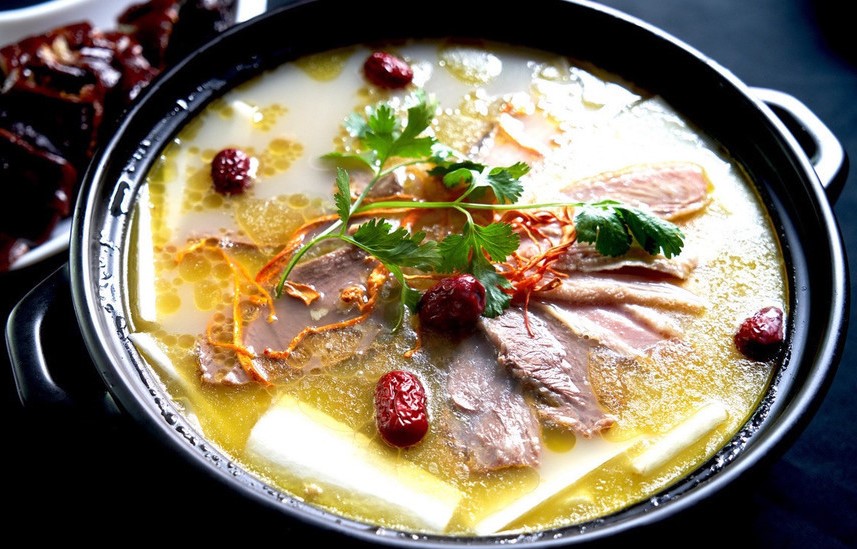
2. Yak Meat Soup Pot
Simpler than the copper pot version, the clear broth is boiled for hours with yak bones. Thinly sliced fresh yak meat is blanched briefly, offering a tender, juicy texture that’s not gamey.
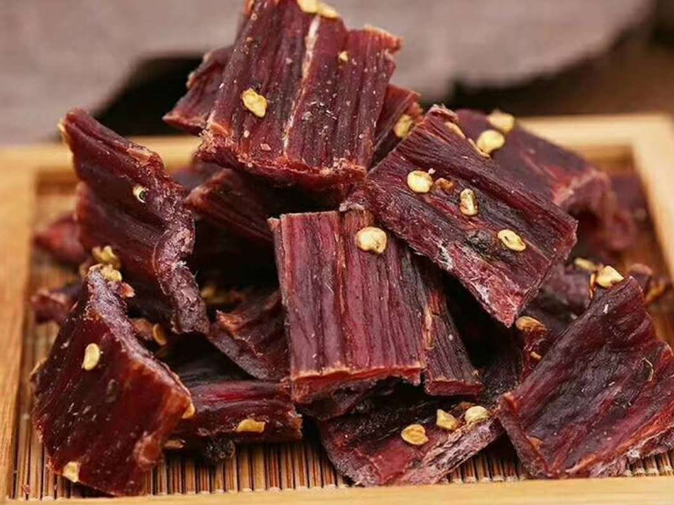
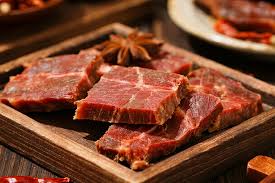
3. Air-Dried Yak Meat
Selected high-quality yak meat air-dried naturally, with a crispy, savory texture and distinct beef aroma. It’s non-greasy and easy to carry, making it an ideal snack for hiking.
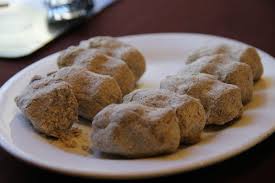
4. Zanba
A traditional Tibetan staple made from roasted highland barley flour. Mixed with butter tea or milk tea, it’s shaped into small balls by hand—chewy and filling, great for resisting cold and hunger.
5. Tibetan Butter Tea
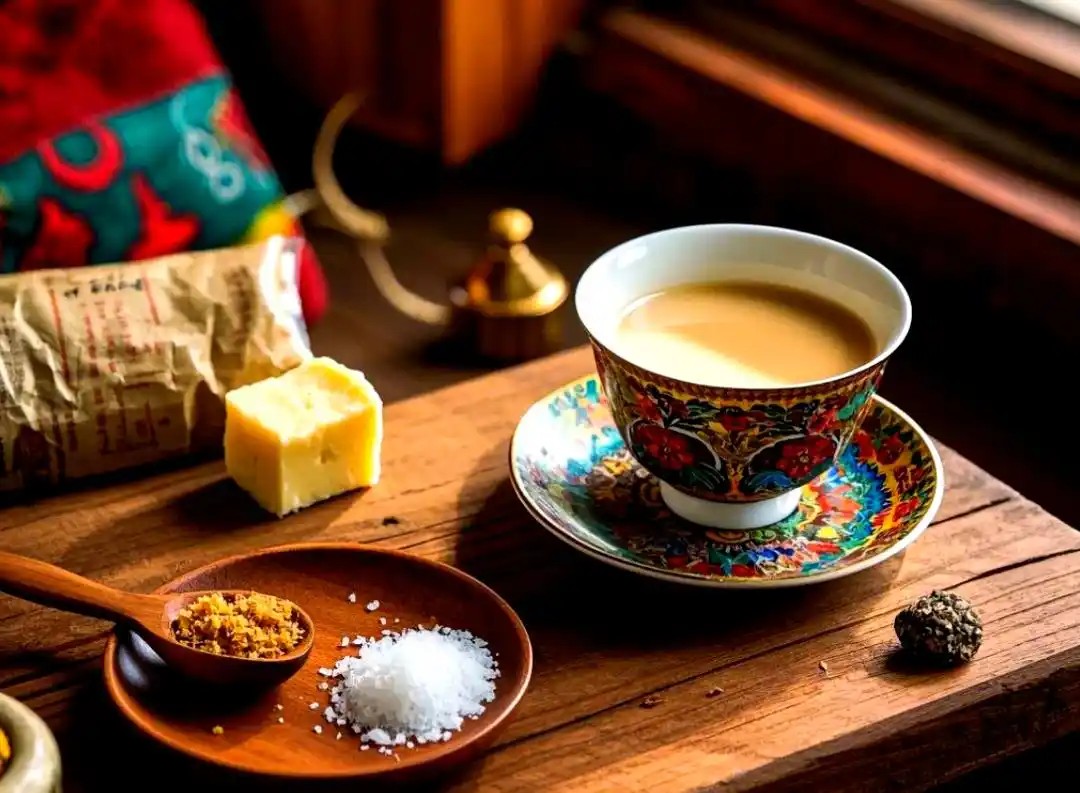
Available in salty or sweet flavors. The salty version is a secret to relieving mild altitude sickness, while the sweet one is more palatable for first-timers. It’s creamy, fragrant, and warms the body quickly.

6. Highland Barley Wine
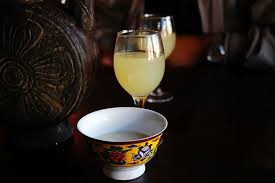
A low-alcohol drink brewed from local highland barley, with a sweet and sour taste. According to Tibetan customs, guests are usually offered three bowls—you can sip the first two but should finish the third to show respect.

7. Cordyceps Stewed Duck
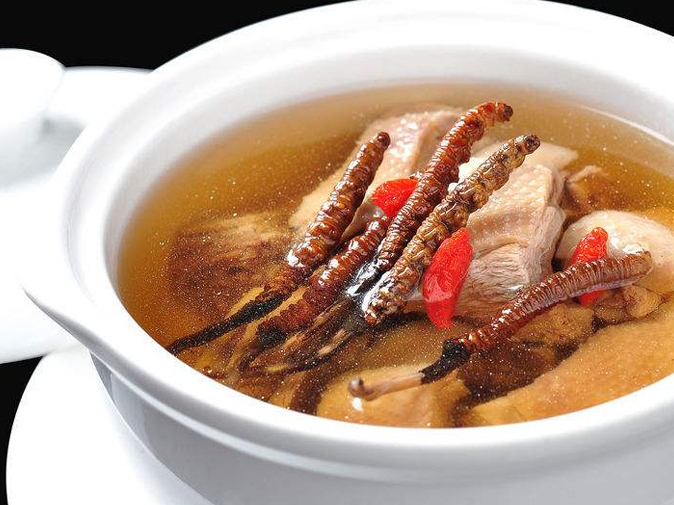
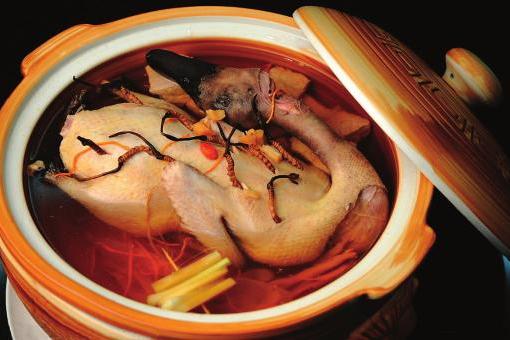
A nourishing dish combining cordyceps and local duck. Simmered slowly, it’s believed to replenish energy and strengthen the body, ideal for adapting to high altitudes.
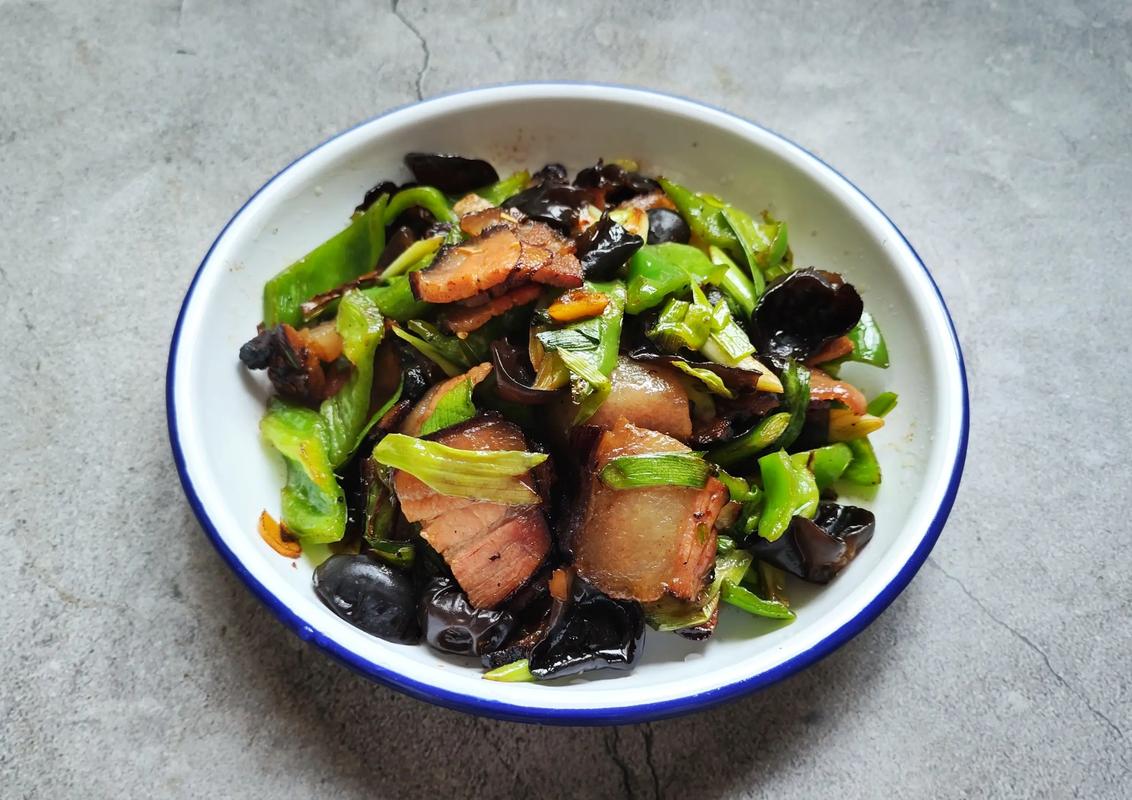
8. Old Preserved Pork Stir-Fried Fungus
A signature dish with a rich yak bone broth base. Layered with fresh yak meat, Tibetan pork, wild mushrooms, and local vegetables, it’s simmered in a traditional copper pot for a mellow, savory flavor. Perfect for warming up on cold plateau nights.

B. Recommended Restaurants
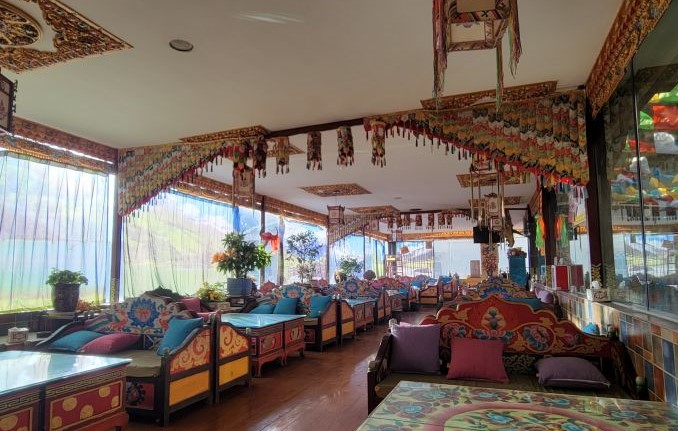
1. Jiaji Tribe Tibetan Restaurant
Immersive cultural experience with bonfire parties and folk dances. Signature is Tibetan copper pot hot pot (unlimited refills except yogurt).
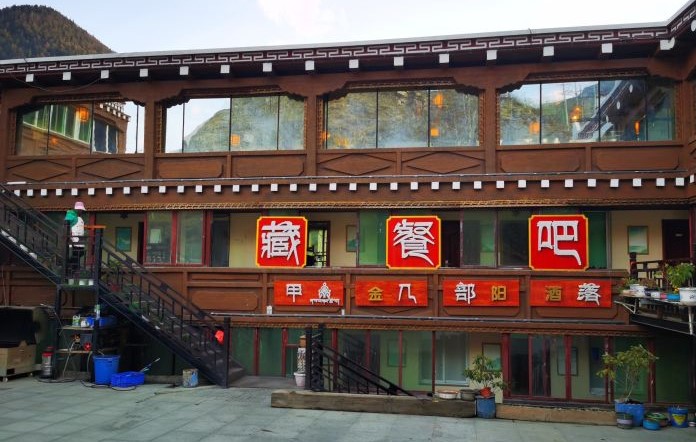
Address: No.2 Group 1, Jinfeng Village, Siguniangshan Town (490m from the scenic area), Sichuan, China
Phone: +86-18283962222
Opening hours: 10:30 AM - 10:30 PM
2. Lanting Xiaozhu Yak Meat Hot Pot
Great value with a 4.7/5 rating, reflecting the quality and satisfaction experienced by its customers. Known for its standout dishes, the signature Yak Bone Broth Hot Pot is a must-try, featuring rich, flavorful broth made from yak bones, a cherished local delicacy. The hot pot is complemented by a variety of fresh ingredients, creating a warm, hearty meal that perfectly embodies the essence of Tibetan cuisine. Another highlight is the Highland Barley Yogurt Cake, a unique dessert crafted from locally sourced barley and yogurt, offering a perfect balance of creamy, tangy, and earthy flavors. Whether you're indulging in a savory hot pot or savoring the sweet, light cake, this restaurant ensures a memorable dining experience that combines tradition, flavor, and quality.
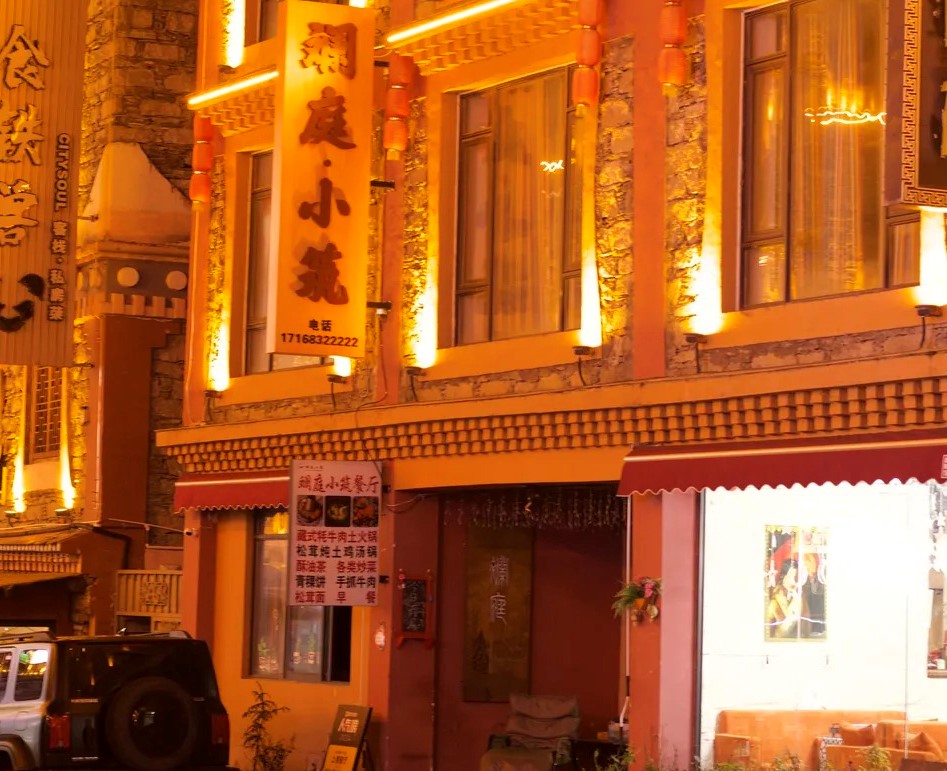
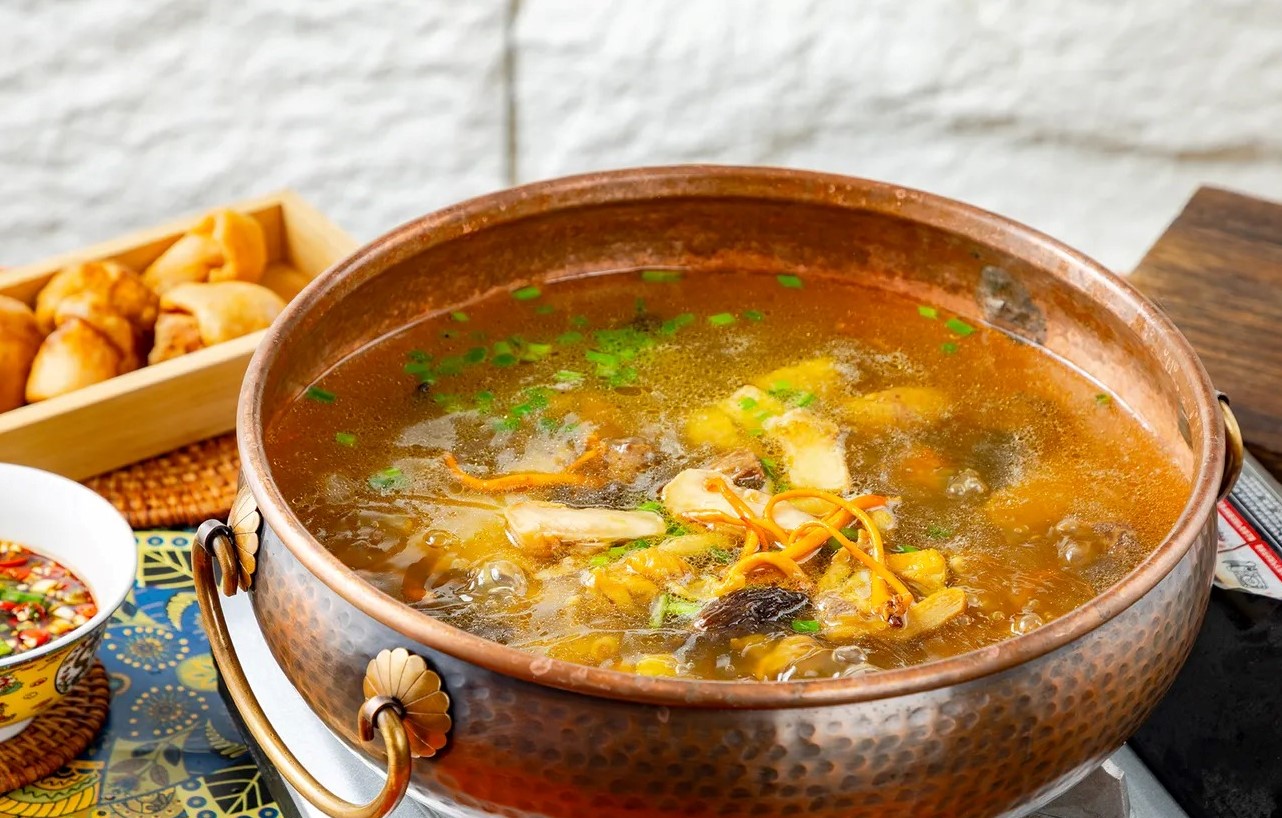
Address: No.61-64 Jinzi Street, Changping Village (1.8km from the scenic area), Sichuan, China
Phone: +86-13990400959
Opening hours: 8:30 AM - 10:00 PM
3. Abalang Restaurant
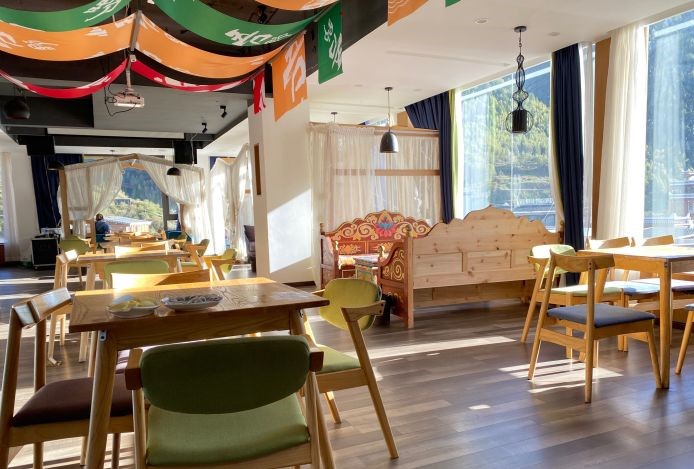
This restaurant's cozy sunroom offers stunning mountain views, creating a serene atmosphere perfect for relaxation. The restaurant’s signature dishes include the Wild Mushroom Stir-Fried Preserved Pork, a flavorful combination of earthy mushrooms and savory pork, stir-fried with aromatic herbs. For dessert, the Highland Barley Yogurt Cake, made with local barley and fresh yogurt, provides a light, refreshing sweetness. With its beautiful setting and delicious, authentic flavors, this place promises a memorable dining experience.
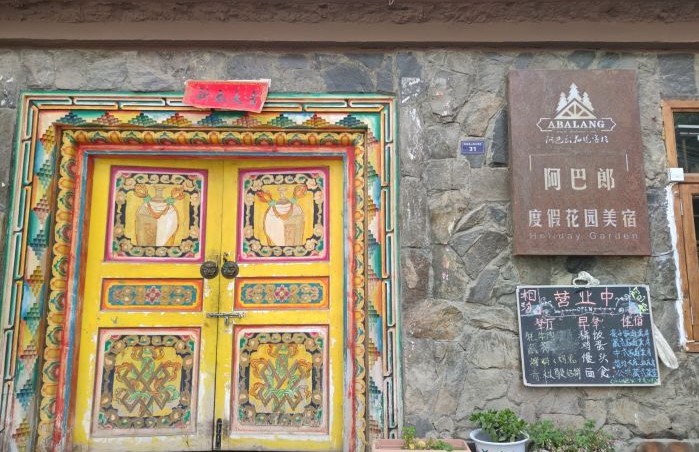
Address: No. 70, Jinfeng Village, Rilong Town, Sichuan, China
Phone: +86-15388459549
Opening hours: 10:00 AM - 07:00 PM
Mount Siguniang Shopping Guide
A. Must-Buy Local Specialties
1. Xiaojin Apple & Red Crisp Plum
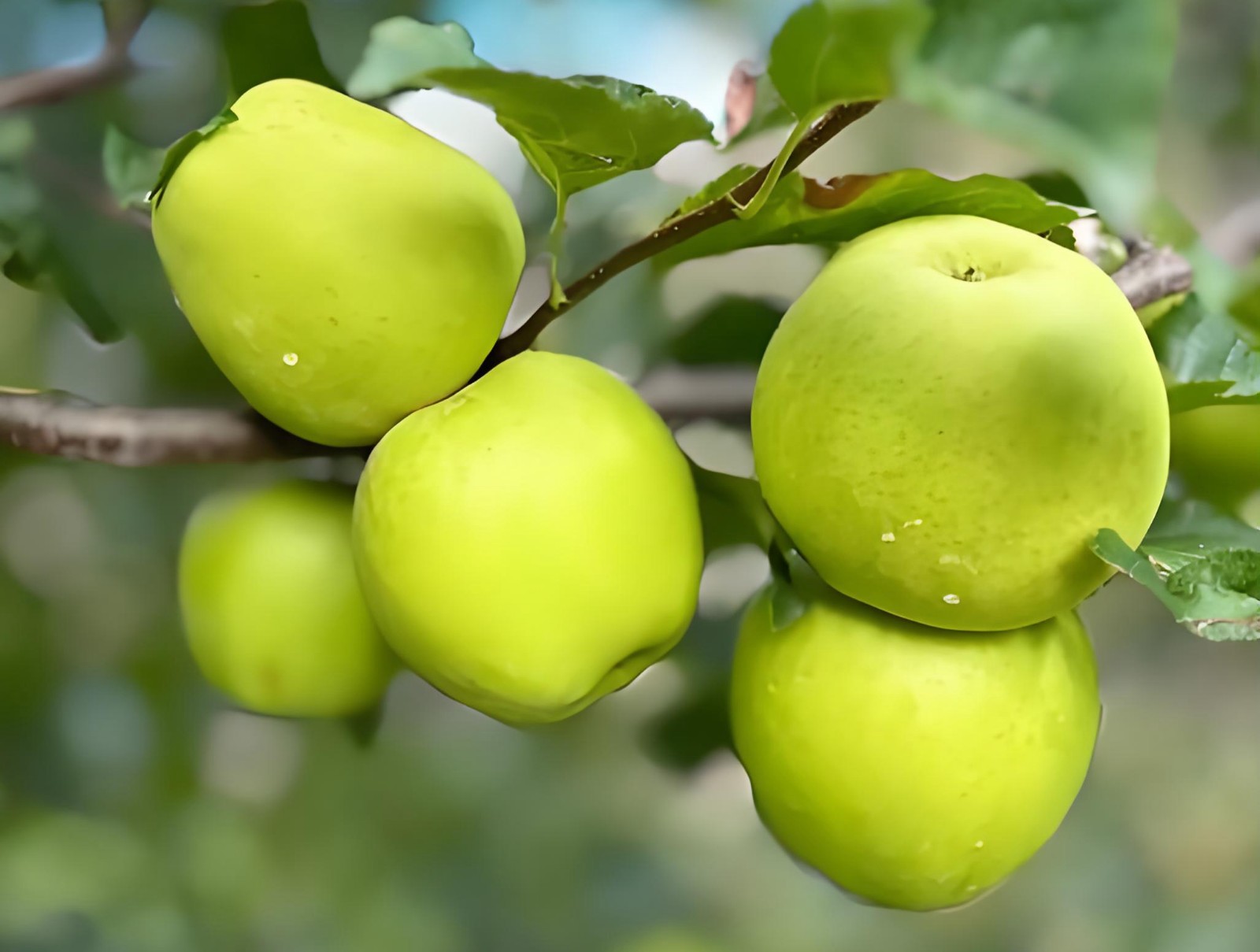
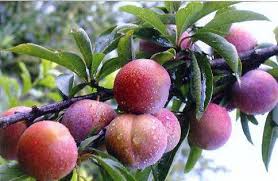
The fresh fruits, picked directly from local orchards, are an absolute treat—crisp, juicy, and incredibly sweet. These fruits are grown in the fertile, natural surroundings, which gives them their vibrant flavor and natural sweetness. For the best quality, they should be purchased at nearby local markets, ensuring maximum freshness and flavor. Due to their delicate nature, these fruits have a short shelf life of 7–10 days, so it’s best to enjoy them quickly for the full, authentic taste.
2. Tibetan Butter
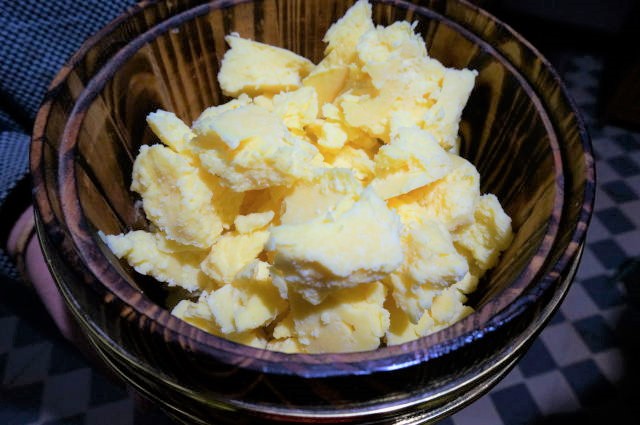
Traditionally made from yak’s milk, this rich and creamy butter is a key ingredient in Tibetan butter tea, a drink that holds cultural and medicinal significance in Tibetan society. The butter is churned from the milk of yaks, which thrive in the high-altitude regions of Tibet, where their milk is prized for its rich, nutrient-dense qualities. Tibetan butter tea, known as po cha, is made by mixing this butter with tea, salt, and sometimes milk, creating a hearty and warming beverage. The high fat content of the butter provides a source of sustained energy, making it especially useful in the cold and high-altitude conditions of the Tibetan Plateau. Beyond its functional role in the tea, yak butter is also used in various Tibetan rituals, as an offering to deities, and even in the creation of butter sculptures for religious ceremonies.

3. Snow Lotus
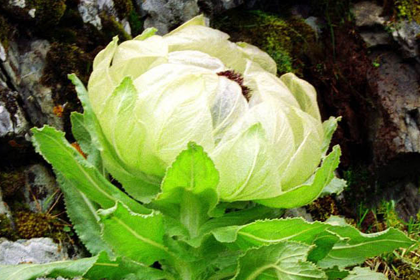
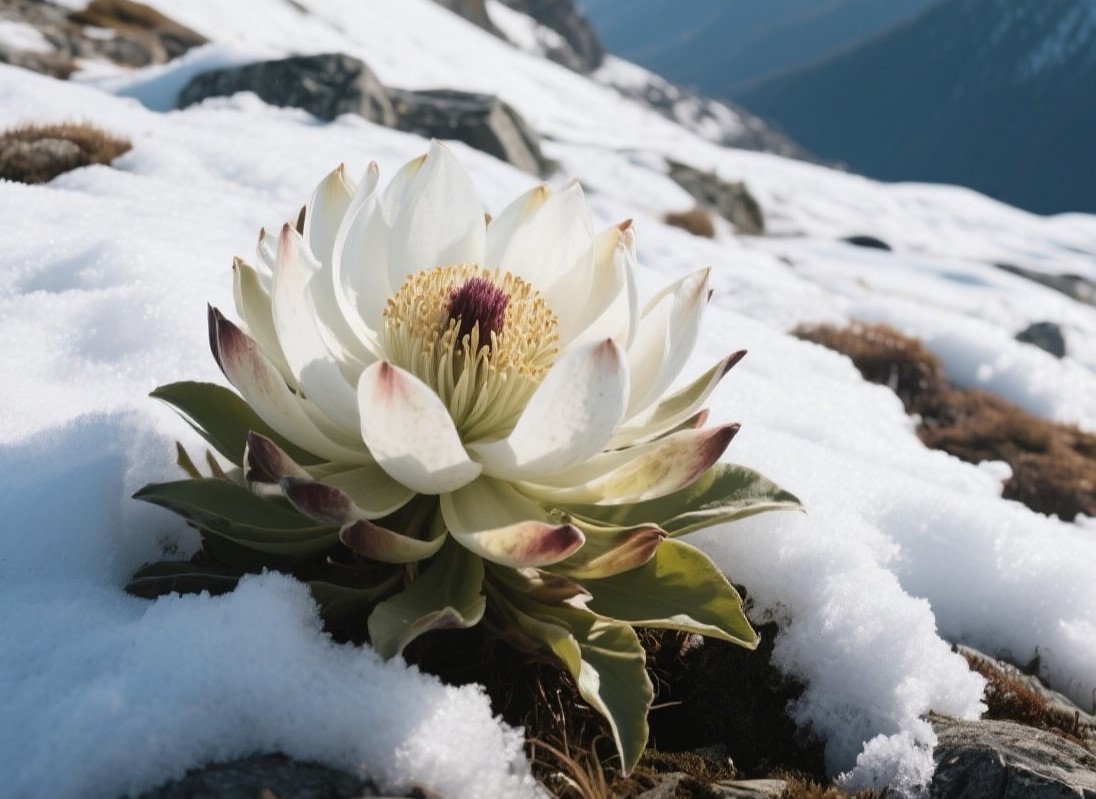
The Snow Lotus, known as Qia Guo Suba in Tibetan, is a perennial herb belonging to the Asteraceae family. Not only is it a rare and unique flower, but it is also a world-renowned precious Tibetan medicinal herb. Though it grows to less than a foot in height and has a grayish-white appearance, its medicinal value is exceptionally high. It is believed to tonify kidney yang, regulate menstrual blood, strengthen muscles and bones, and expel wind.
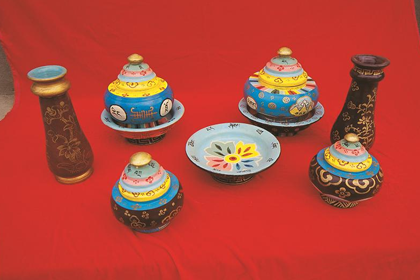
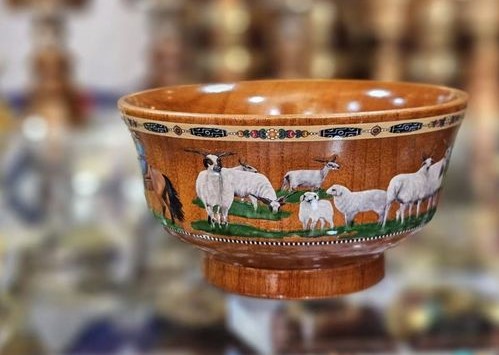
4. Tibetan Utensils
Utensils serve the purpose of extending the functions of human organs and enhancing one’s ability to live. As early as 3,000 to 4,000 years ago, the ancestors of the Tibetan people began crafting various eating and drinking utensils for daily life, with the goal of improving their living capabilities. Throughout a long period of historical development, the Tibetan people used their intelligence and creativity to develop a rich culture of culinary utensils.
5. Tibetan Jewelry
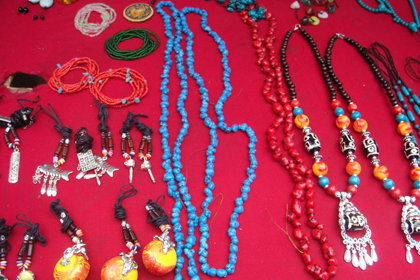
Tibetan silver jewelry has gradually become a mainstream trend, and it’s not uncommon to see people wearing Tibetan adornments around their necks, wrists, and chests while strolling through the streets. Tibetan jewelry is beloved for its ancient, rugged, and mysterious charm, which attracts many with its unique and distinctive style.

6. Jiarong Handcrafted Headscarf
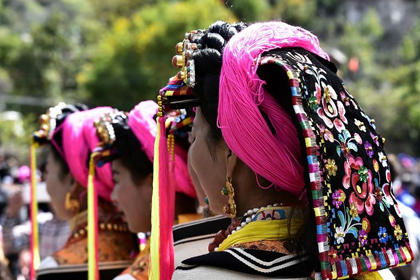
Jiarong women typically wear their hair in braids and adorn them with colorful yarns or artificial hair, such as purple, red, or yellow threads, which are interwoven between the braids and used to secure the headscarf on top of their heads. The headscarf is usually made by folding black or dark blue fabric into eight layers, with each headscarf typically measuring about 4 feet in size. This handcrafted headscarf is an essential part of the traditional attire for Jiarong women.

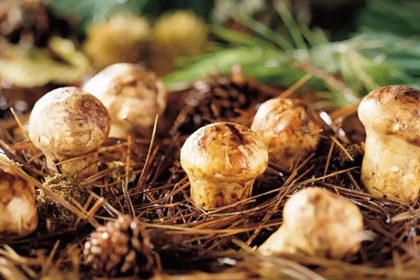
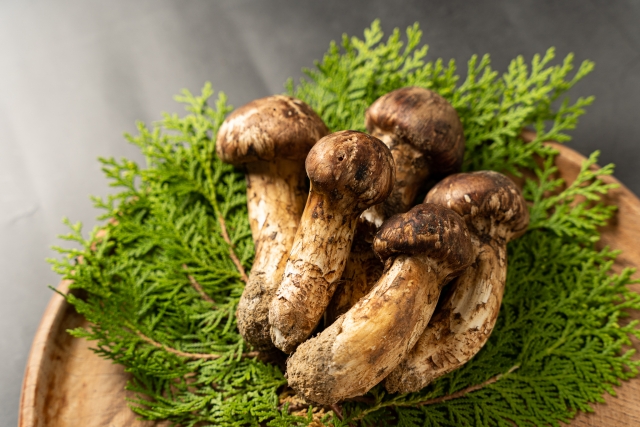
7. Matsutake Mushroom
Matsutake mushrooms are known for their health benefits, including strengthening the body, aiding digestion, relieving pain, regulating qi, expelling phlegm, and driving away parasites. Modern scientific studies have shown that matsutake mushrooms also possess special properties, such as treating diabetes and fighting cancer, earning them the title of "King of Wild Mushrooms." With their unique, strong aroma, matsutake mushrooms are one of the rarest and most valuable natural medicinal fungi in the world.
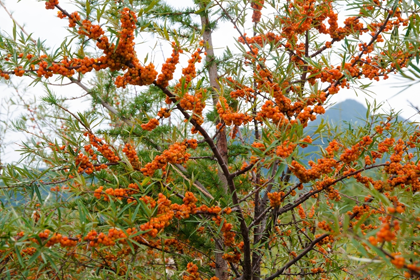
8. Sea Buckthorn
Due to its unique climate and geographical conditions, the sea buckthorn fruit grown in Xiaojin is highly valued for its excellent quality and vibrant color after processing. Products such as sea buckthorn crystals and sea buckthorn honey are solid beverages made from wild sea buckthorn fruit pulp, juice, high-quality sugar, and honey. These products are known for their health benefits, including cancer prevention, heat-clearing, promoting fluid production, boosting energy, relieving constipation, and enhancing appetite.

B. Recommended Shopping Locations
1. Maobiliang Service Area Flagship Store
Located on the second floor of Maobiliang Service Area (the best viewing spot for Mount Siguniang) . Covers 400?, offering 5 categories and over 50 products, including seabuckthorn, plateau roses, and yak meat . Features a viewing coffee area with local beans. Average cost: 100–300 yuan/person.
2. Jinfeng Street & Jinzi Street (Siguniangshan Town)
Concentrated specialty stores and local markets . Fresh fruits, dried yak meat, and handwoven products are available. Bargaining is acceptable for bulk purchases.
3. Local Farmers’ Markets
Fresh fruits, wild vegetables, and homemade pickles at affordable prices (Xiaojin apples around 8–10 yuan/500g) . Cash is recommended due to weak signal.
Chengdu Awaits: A Tailored Experience Like No Other!
Step into Chengdu’s vibrant rhythm with a tour designed to match your pace and interests. Whether you're eager to explore centuries-old temples, marvel at the iconic giant pandas, or dive into the spicy world of Sichuan cuisine, our bespoke itineraries offer a deep and authentic experience. Discover Chengdu's unique charm through the eyes of a local and create memories that last a lifetime.
 2 Days Danba Jiarong Tibetan Culture Tour from Chengdu by Flight
 5 Days In-depth Daocheng Yading Trekking Tour from Chengdu
Entertainment Guide
1. Sikula Cultural Tourism City
Sikula Cultural Tourism City covers an area of approximately 80 acres, with a building area of around 30,000 square meters. It includes the Sikula Cultural Square, a folk cultural museum, a grand theater, high-end hotels, and cultural city elements. Located in the scenic area at the foot of Mount Siguniang, it serves as a display window for showcasing the culture of the Qiang ethnic group and its traditions. The city promotes the tourism industry of Mount Siguniang and helps to drive the development of tourism in Xiaojin County, as well as contributing to the development of tourism in southern Aba. This contributes to the seamless integration of “Sightseeing Tourism,” “Leisure Tourism,” “Adventure Tourism,” and “Cultural Tourism” in the Siguniang Mountain area.
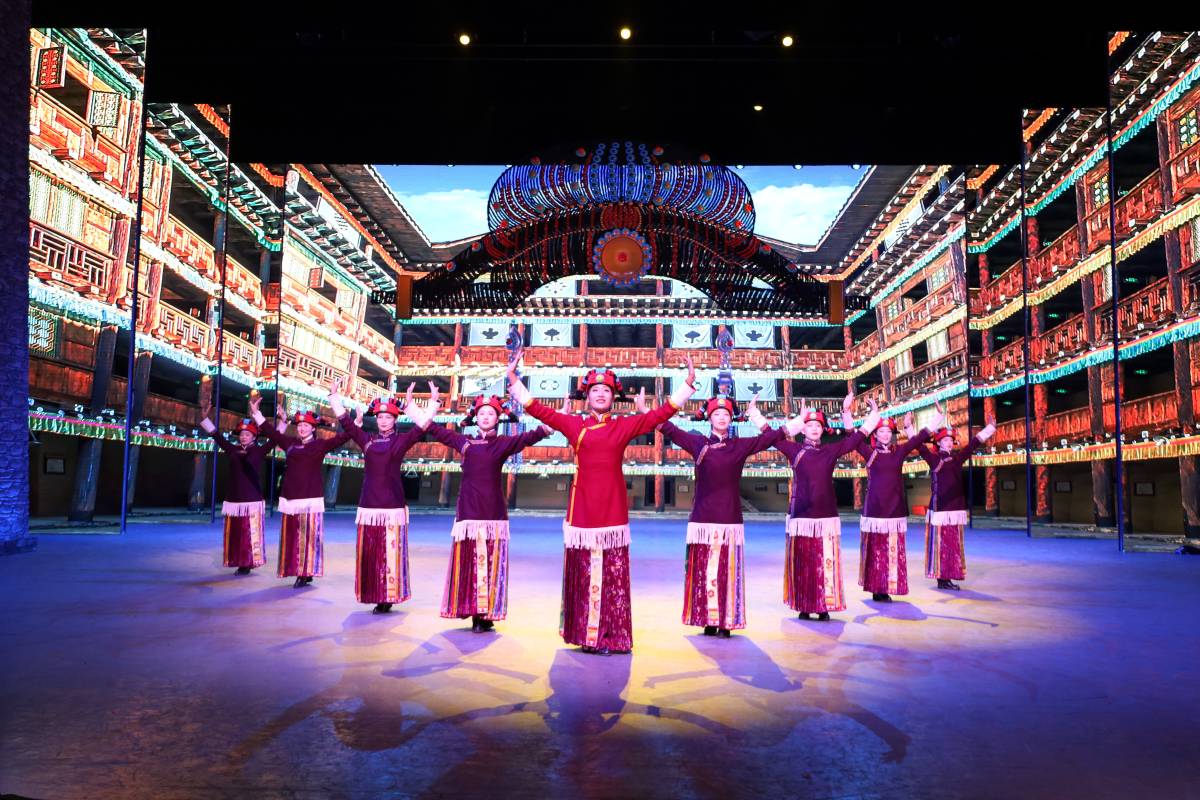

Event Time: Starts at 19:30
Cultural Center Operating Hours: 19:00–21:00
Ticket Exchange: Sichu La Cultural Arts Center ticket sales area
Advance Reservation Time: Use the current date’s reservation from 15:30 onwards
Ticket Inclusion: One Sichu La evening performance ticket
Ticket Pickup Method: Identity verification required before picking up tickets at the Cultural Arts Center according to their guidelines
Location of the Arts Center: The Sichu La Cultural Arts Center is located approximately 100 meters from the Longpaikou tourist center in the Sichu La area of Mount Siguniang
Performance Duration: Approximately 1 hour
2. Gyarong Tibetan Guozhuang Dance
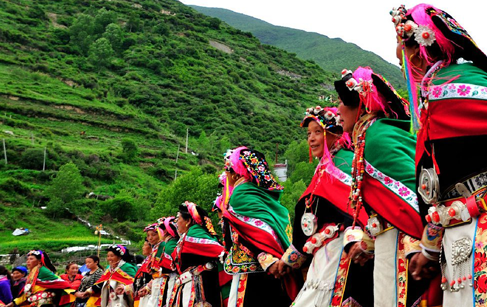
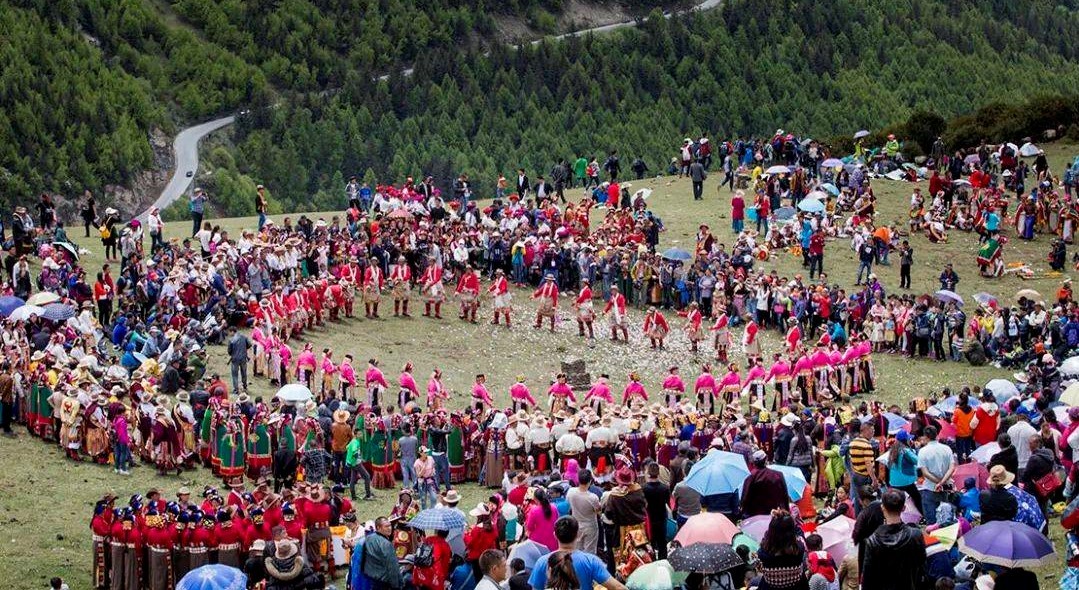
The Gyarong Tibetans, living in the upper reaches of the Minjiang and Dadu rivers in northwestern Sichuan, have a unique folk entertainment form called Gyarong Guozhuang (commonly known as "Dar Ga"), born from their collective living and cultural context. As the oldest folk entertainment in the Gyarong area, its lyrics cover themes like survival, history, and daily life, serving as a communication tool for the Gyarong people who once lacked widespread written language. It is divided into "Dar Ga Di" (Big Guozhuang), a ceremonial and eulogistic dance for important occasions, and "Dar Ga Ren" (Small Guozhuang), a passionate dance expressing joy between men and women, reflecting the rich cultural and social life of the Gyarong Tibetans.
3. Mountain Worship Festival
Legend has it that the day when the four girls transformed into peaks fell on the fourth day of the fifth lunar month. Thus, every year on this day, villagers don traditional festive attire and bring offerings like butter, highland barley zha jiu (a type of barley wine), and zanba (roasted barley flour) to Guozhuang Ping, the natural altar of Mount Siguniang, to worship the mountain god.
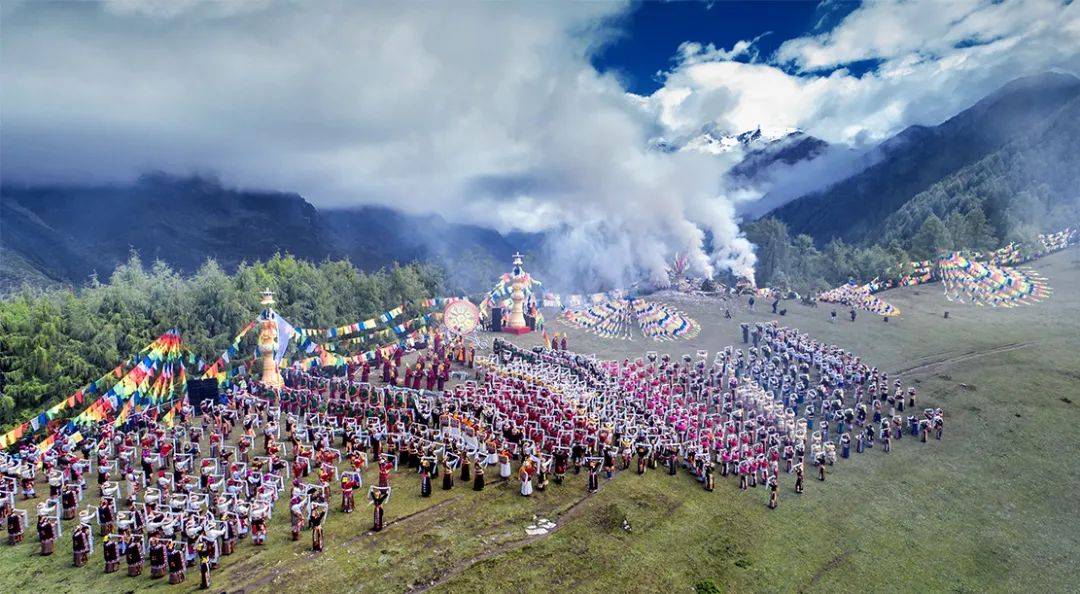
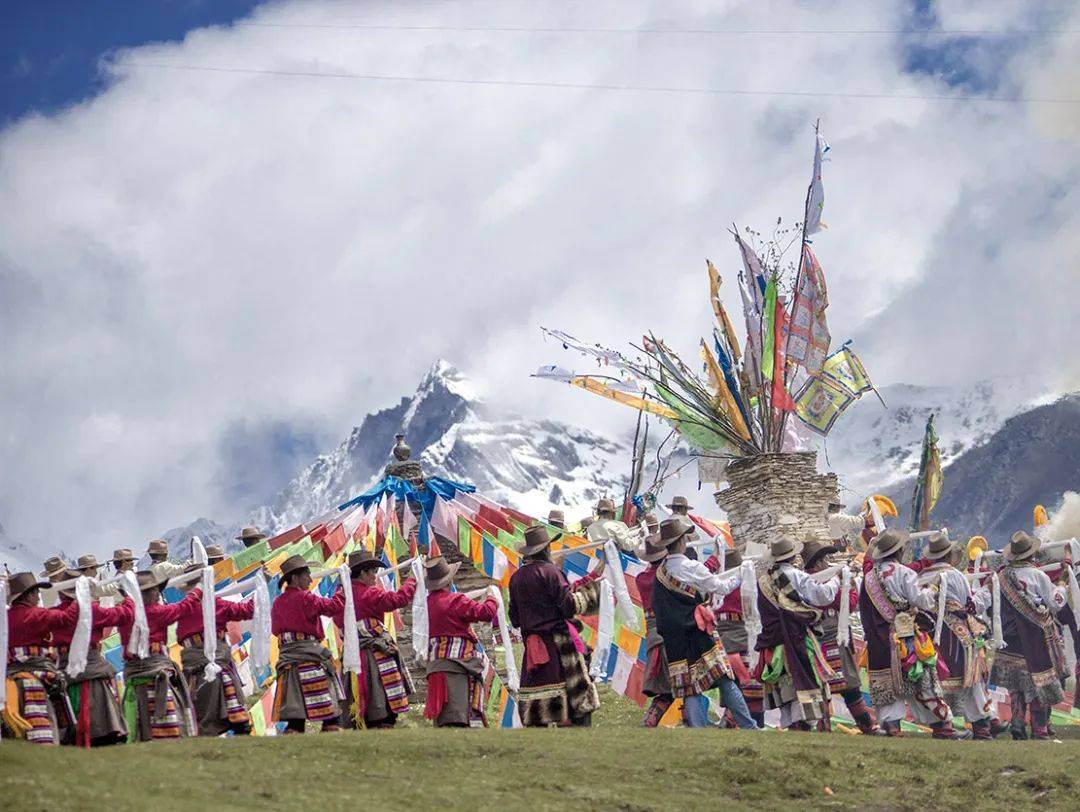
Activity Content: Worship the mountain god and offer prayer flags to the white pagoda.
Activity Time: From the fourth to the sixth day of the fifth lunar month.
Mountain Worship Ceremony
· Living Buddhas and lamas purify themselves, worship the mountain god, and pray for a bumper harvest and good weather.
· Local Tibetans worship Mount Siguniang, presenting prayer flags, hada (ceremonial scarves), and incense to the white pagoda. Finally, they perform a smoke offering (sang) to the mountain god, offering straw figures and horses.
Folk Celebration Activities
· Traditional Guozhuang Dance Competition: Tibetans from surrounding villages, dressed in festive clothes, perform synchronized dances to melodious songs.
· Competitions: Horse racing, wrestling, and tug-of-war.
· Large-scale folk song and dance performances.
According to customs, people must wear festive attire during the festival. The whole village gathers for a reunion dinner, enjoying highland barley zha jiu, roasted whole sheep, and Guozhuang dances until everyone is fully entertained.
Activity Highlights
· Appreciate rich ethnic costumes, experience traditional mountain worship, join diverse folk sports, taste delicious Tibetan food, and immerse in the lively festival atmosphere.
· In summer, enjoy the cool mountain climate, with flowers covering Guozhuang Ping, the blue sky contrasting with towering snow peaks, and embrace the beauty of nature.
Essential Travel Tips
1. Altitude Sickness Prevention
· Prepare medicines like Rhodiola rosea (take 3–5 days before arrival for better effect) and carry oxygen tanks or portable oxygen inhalers. Once arrived, avoid strenuous activities for the first 24 hours and acclimatize gradually by taking short walks.
· Drink plenty of warm water and avoid alcohol, tobacco, and overly spicy food, which can exacerbate altitude reactions.
2. Weather & Clothing
· Temperature differences between day and night can exceed 10°C. In summer, wear breathable, quick-drying layers during the day and add a down jacket or fleece at night. In winter, opt for waterproof, windproof outerwear paired with thermal underlayers.
· Recommended clothing: Waterproof hiking boots, moisture-wicking socks, a lightweight waterproof jacket, and a warm hat/gloves.
3. Hiking Safety
· Stay on designated trails only. For example, in Haizi Valley, avoid unmarked routes that may lead to steep cliffs or unstable terrain.
· Check the weather forecast via the scenic area’s official channel before hiking. Essential equipment: First-aid kit (with bandages, disinfectant, altitude sickness medicine), flashlight, extra food/water, and a whistle for emergencies.
4. Emergency Contacts
· Scenic area service hotline: 0837-2791866
· Local hospital (Siguniangshan Town Health Center): 0837-2791120
· Local police station: 0837-2791110
5. Wildlife Precautions: Keep a distance of at least 5 meters from wild animals like monkeys, yaks, and birds. Do not feed or provoke them. If a yak charges, move to the side slowly and do not run.
6. No Littering: Carry a reusable garbage bag and take all waste out of the scenic area. Use designated bins only; some remote areas (e.g., Haizi Valley) have no waste facilities, so plan accordingly.
7. Respect Local Ecology: Do not pick alpine flowers (many are protected), trample on vegetation, or disturb wildlife habitats. Stay on marked trails to minimize ecological impact.
8. Cultural Respect
· Follow Tibetan customs: Ask for permission before taking photos in temples or of local people, especially elders. Avoid pointing with fingers (use an open palm instead) and do not step over prayer flags or religious artifacts.
FAQs
Q: Does the rainy season (June–August) affect travel time and routes?
A: Yes. Some sections may be congested or closed due to landslides, adding 1–2 hours to travel time. Stick to the main G350 route, check real-time road conditions via the "Siguniangshan Traffic" WeChat account in advance, and bring rain gear and a power bank.
Q: What are the requirements for renting a car in Chengdu for self-driving to Mount Siguniang?
A: You need a valid Chinese driver’s license (or an international license with notarized translation) and ID card. Choose a sedan or SUV with good ground clearance; an off-road vehicle is recommended for remote areas like Haizi Valley. Opt for full insurance, inspect the car for existing damages before renting, and ensure it has a spare tire and basic repair tools.
Q: How to effectively relieve altitude sickness?
A: Take Rhodiola rosea 3–5 days in advance and avoid strenuous activities within 24 hours of arrival. If you have a headache, nausea, rest in a ventilated room, drink warm water, use a portable oxygen inhaler, or go to the local health center (tel: 0837-2791120) if symptoms persist. Avoid alcohol, tobacco, and greasy food.
Your Way Holiday’s Expert Guide to Traveling from Chengdu to Siguniang Mountain & Unforgettable Adventures
We design private and tailor-made Chengdu tours customized to your travel style at affordable local prices. You’ll enjoy the comfort of a private, spacious car and the company of a professional local guide with over 5 years of experience, dedicated exclusively to you or your group. From transportation and tickets to authentic dining experiences (we always recommend the dishes most loved by locals), everything will be arranged according to your preferences. Please take a look at some of our most popular Chengdu tours below:
 One-Day Chengdu City Tour: Chengdu Panda Research Base, Jinli Ancient Street, and Kuanzhai Alley Exploration
 2 Days Chengdu Tour: Blending Modern & Ancient Heritage
Not exactly what you’re looking for? Don’t worry — all of our Chengdu tours can be fully customized based on your interests, schedule, and budget. We specialize in creating unique Chengdu experiences that go beyond the guidebook, giving you the chance to truly connect with the local culture and people. Our enthusiastic tour experts are always ready to provide detailed suggestions and will respond to your inquiry within 24 hours. Ready to explore Chengdu your way? Contact us today and let us design a Chengdu shopping experience that fits your style. Your Way Holiday looks forward to your message! We're ready to design an unforgettable Chengdu trip for you anytime.
Wechat: YourWayHolidayAsia
24 Hours Hotline:
+8613735411378
Certificate of Excellence
2012~2026

Your Way Holiday
1 to 1 tailor-made service from our professional travel advisors for the most sophisticated
Constantly excellent reviews for attraction, hotel and service Competitive price
Local experts provide quality tours Best selected knowledgeable local guides Authentic local restaurants
7*24 hours available to create you a worry-free tour. No Hidden Fees and absolutely no pressure to buy. Secured













Hi We are looking for a car hire for a two day trip to Four Goddess Mountain Scenic Area and Yaba Mountain Scenic area for two days starting from Cheng du.
We chat: +61413006678
Replied:17 April 2026
Thank you for your inquiry about private car hire for your two-day trip to Siguniang Mountain and Yaba Mountain from Chengdu.
We can arrange a private driver and vehicle for your itinerary, covering round-trip transfers between Chengdu, Siguniang Mountain Scenic Area, and Yaba Mountain Scenic Area. Our experienced drivers are familiar with the routes and road conditions in the area, ensuring a safe and comfortable journey.
For a detailed price quote, we will need to know the exact travel dates, number of passengers, and type of vehicle required (e.g., sedan, SUV, or van). July is a popular travel season, so we recommend confirming your booking in advance to secure availability.
Please contact us at [email protected] with your specific details, and we will send you a customized quotation and itinerary proposal.
Your Way Holiday - Your trusted partner for private tours in China!
2 persons need private car and driver
Replied:17 April 2026
Thank you for your inquiry about private car and driver service for your trip to Siguniang Mountain.
We can provide a private vehicle with an experienced driver for you and your travel companion. Our service includes:
*Pick-up and drop-off at your hotel in Chengdu
*Round-trip or one-way transfer to Siguniang Mountain, depending on your itinerary
*A driver familiar with the local roads and conditions, ensuring a safe and comfortable journey
For a detailed price quote, please let us know your exact travel dates, trip duration (e.g., day trip or overnight), and any specific requirements you may have. You can contact us at [email protected] to proceed with your booking.
Your Way Holiday - Your trusted partner for private tours in China!
Hi. Do you offer private taxi to mount siguniang from chengdu. How do I book
Replied:17 April 2026
Thank you for your inquiry about private transfers to Mt. Siguniang from Chengdu.
Yes, we do offer private transfer services for this route! Our dedicated drivers are familiar with the road conditions and the journey takes approximately 4–5 hours one way. We can arrange a round-trip service to fit your travel schedule, whether you plan a day trip or a multi-day stay.
To book, simply contact us via email at [email protected] with your travel dates, number of passengers, and any special requests. We’ll then send you a detailed quote and confirm your booking.
We can also help you plan a complete itinerary, including accommodation and local activities, to make your visit to Mt. Siguniang seamless and enjoyable.
Your Way Holiday - Your trusted partner for private tours in China!
Hi Sir/Madam/Miss - can i get wechat OF official driver from chendu to mt siguniang? Or if any suggestion for me to get any drive? Do you have? We all 8 people. 6 adult , 2 child. Plan to visit mt siguniang amd Shuangqio for 3 days. Thank you
Replied:16 April 2026
Hi there! Thank you for your inquiry about the 3-day trip to Mt. Siguniang and Shuangqiao.
It’s great to hear you’re planning this trip for your group of 8 (6 adults + 2 children)! We fully understand the need for reliable, comfortable transportation from Chengdu to Mt. Siguniang.
We can arrange a private vehicle service that fits your entire group comfortably for the full 3 days, including all transfers between Chengdu, Mt. Siguniang, and Shuangqiao. This way, you’ll have a dedicated driver throughout your trip, eliminating the hassle of finding separate rides.
As a note: Since you’ll be traveling to high-altitude areas, it’s best to plan for a slow start on your first day to help everyone acclimate comfortably.
We’ll follow up with you shortly via email with a detailed itinerary, vehicle options, and pricing tailored to your group size and travel dates.
Your Way Holiday - Your trusted partner for private tours in China!