When to Visit Mount Siguniang: Weather, Seasons & Travel Tips
Have no idea when is the best time to travel to visit the Mt.Siguniang in Sichuan? Mt.Siguniang is located in the west part of the Chengdu and east part of Tibet, the natural ecology in Siguniang Mountain scenic spot is well protected and is known as “the Oriental Alps”. The beauty of Siguniang Mountain lies not only in the mountain, but also in the scenery related to the plateau, such as lakes, meadows, pastures, etc. It is a national nature reserve, a world heritage of Sichuan Giant Panda Habitat, and one of the top ten mountaineering sites in China. Check out the following weather & climate to find out the best time to visit Mt.Siguniang.
Chengdu Through Your Eyes: Personalized Tours for Every Explorer!
Ready for a deeper dive into Chengdu? Our bespoke tours offer you a chance to explore the city’s rich history, diverse culture, and delicious cuisine on your terms. Whether you’re visiting ancient temples, sipping tea in traditional teahouses, or savoring spicy hotpot, each tour is designed to immerse you in the true essence of Chengdu. Your perfect adventure awaits!
 5 Days Tibet Culture Tour with Mount Siguniang
 2-Day Mt. Siguniang Trekking Adventure Tour
Introduction
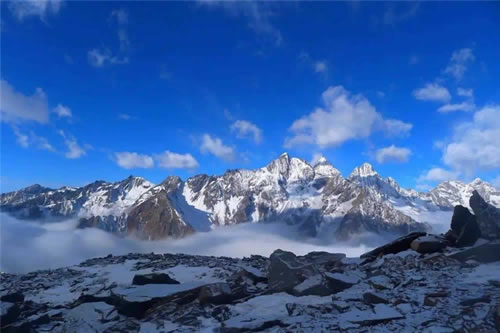
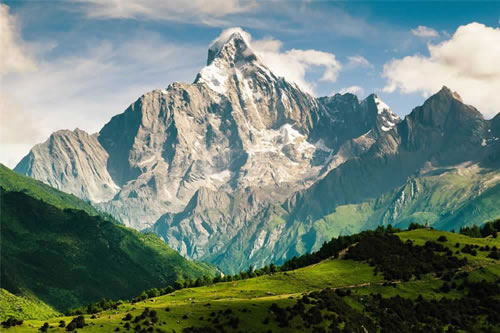
Nestled in Xiaojin County, Aba Tibetan and Qiang Autonomous Prefecture, Sichuan Province, Mount Siguniang stands as a crown jewel on the eastern edge of the Qinghai-Tibet Plateau. Known as the "Oriental Alps," this natural wonder boasts four snow-capped peaks, lush valleys, alpine meadows, and crystal-clear streams, blending breathtaking natural scenery with rich Tibetan and Qiang cultural flavors. Whether you’re an avid hiker, a photography enthusiast, or a traveler seeking a peaceful escape from the hustle and bustle, Mount Siguniang offers an unforgettable experience.
This guide is designed to answer your most pressing questions: What is the siguniang mountain weather like? When is the best season for mount siguniang tourism? We’ll break down the climate patterns, seasonal highlights, practical travel tips, and essential information to help you plan a safe, comfortable, and memorable trip. No matter which season you choose, Mount Siguniang’s unique charm will leave you captivated.
Website: https://www.sgns.cn/
Overview of Mount Siguniang
1. Basic Information
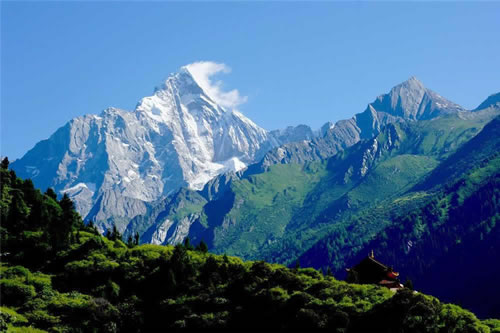
Mount Siguniang consists of four consecutive peaks arranged from north to south: Dafeng (5355 meters), Erfeng (5454 meters), Sanfeng (5664 meters), and Yaomei Peak (6250 meters). Among them, Yaomei Peak, known as the "Queen of Sichuan Peaks," is the highest and most majestic, attracting mountaineers from around the world.
Located at the junction of the Qinghai-Tibet Plateau and the Sichuan Basin, the scenic area covers a total area of 2000 square kilometers, including three core valleys: Shuangqiao Valley, Changping Valley, and Haizi Valley. As a national scenic area and a candidate for World Natural Heritage, it is renowned for its vertical landscape diversity—from subtropical forests at low altitudes to alpine glaciers at high altitudes, all within a short distance.
2. Core Features
· Breathtaking Natural Scenery: The combination of snow-capped peaks, dense forests, vast meadows, and serene alpine lakes creates a postcard-perfect landscape. Each season paints the mountains in different hues, from the green of spring to the gold of autumn and the white of winter.
· Rich Cultural Heritage: The area is inhabited by Tibetan and Qiang ethnic groups, whose traditional customs, architecture, and lifestyles have been preserved for centuries. Visitors can experience Tibetan monasteries, Qiang watchtowers, and local festivals, immersing themselves in authentic ethnic culture.
· Diverse Outdoor Activities: Mount Siguniang is a paradise for outdoor enthusiasts. Popular activities include hiking, mountaineering, camping, horse riding, photography, and summer cooling. Shuangqiao Valley is ideal for casual sightseeing, while Changping Valley and Haizi Valley offer challenging hiking routes for adventure seekers.
Understanding Siguniang Mountain Weather
A. General Climate
Mount Siguniang features a typical alpine mountain climate, significantly influenced by monsoons and terrain. The key characteristics are large temperature differences between day and night, intense ultraviolet radiation, and unpredictable weather. Due to the obvious altitude gradient, the climate varies greatly across different areas of the scenic spot—temperatures drop by approximately 6 Celsius for every 1000 meters increase in altitude.
The annual average temperature of the scenic area is 2-4 Celsius, with the warmest month (July) averaging 15-20 Celsius and the coldest month (January) averaging -5 to -10 Celsius. Annual precipitation ranges from 700 to 900 millimeters, mostly concentrated in the summer rainy season (June to August). The air quality is excellent year-round, with high oxygen content in autumn and winter, making it more comfortable for travelers to adapt.
B. Seasons of Siguniang Mountain
1. Spring: March - May
Spring is a wonderful time to visit Siguniang Mountain, as temperatures are moderate, and the weather is often sunny. The lower elevations are covered with wildflowers, while the higher peaks remain snow-capped, creating a picturesque contrast. The clear skies make this season ideal for photography, and it’s a great time for leisurely sightseeing.
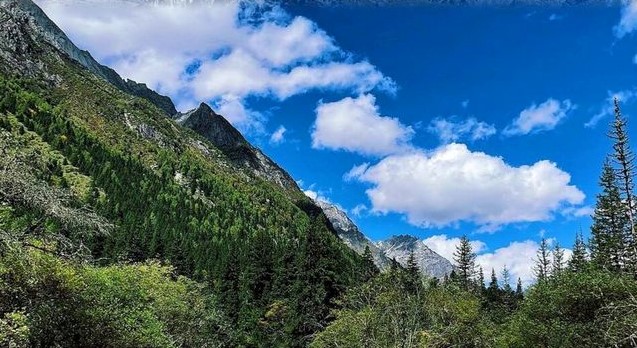
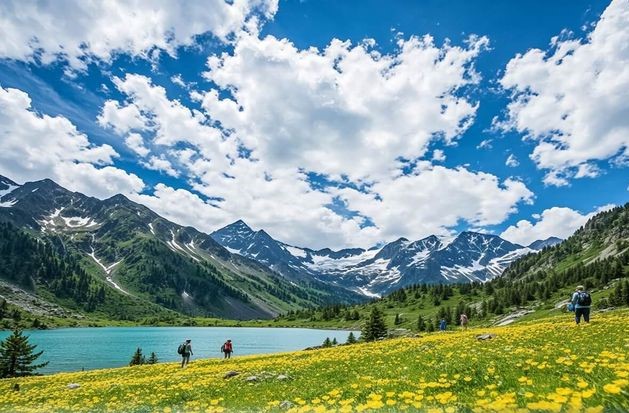
· Weather Conditions: Temperatures gradually rise from March to May. The average temperature ranges from 0 Celsius to 12 Celsius, with occasional snowfall in early March and increasing rainfall in April and May (mostly light showers). The weather is unstable, and there may be sudden temperature drops or thunderstorms.
· Scenery Highlights: From late April to May, the alpine meadows turn green, and wildflowers such as rhododendrons, primroses, and poppies bloom sequentially, decorating the valleys like a colorful carpet. The snow-capped peaks, against the backdrop of green grass and bright flowers, create a stunning contrast.
· Travel Advantages: As the off-season, there are fewer tourists and lower accommodation prices. The soft spring light is perfect for photography, and the mild temperatures make light hiking comfortable. It’s an ideal time for travelers seeking tranquility and cost-effectiveness.
· Notes: Pack warm clothing (such as down jackets and fleece) to cope with cold snaps. Bring waterproof gear for sudden showers. Some high-altitude trails may still have snow and ice, so non-slip hiking shoes are a must. Avoid camping in low-lying areas to prevent flash floods.
2. Summer: June - August
Summer brings warmer temperatures to the lower elevations, making it the peak season for trekking. The weather is perfect for outdoor activities, with clear skies and moderate temperatures. However, because this is the rainy season, there are occasional afternoon showers, especially in the higher regions. Trekking during this time can be challenging due to the wet trails, but the lush green scenery is worth it.
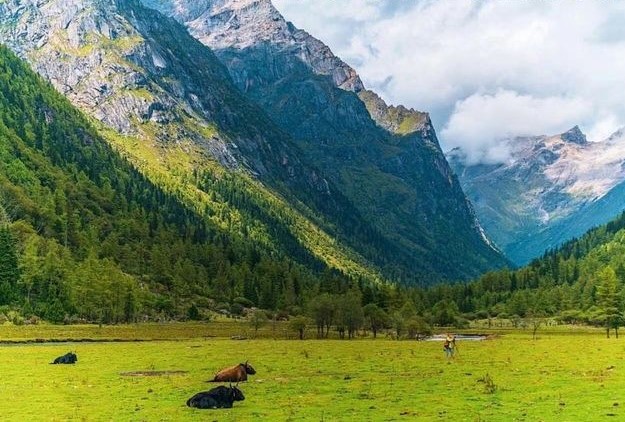
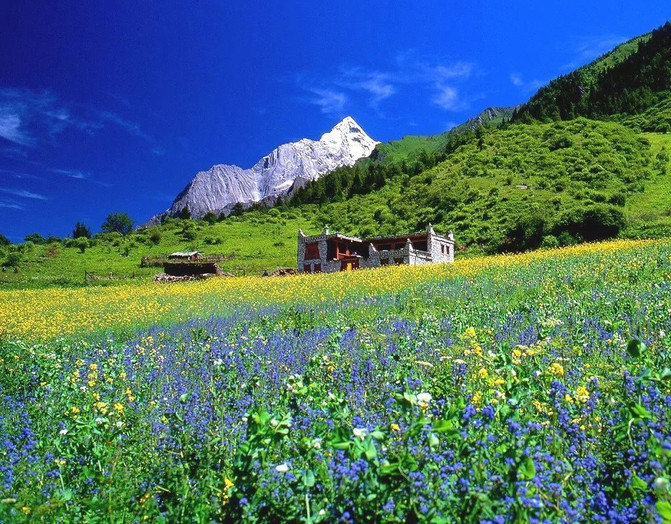
· Weather Conditions: Summer is the warmest season in Mount Siguniang, with an average temperature of 10 Celsius-20 Celsius. However, it’s also the rainy season, with concentrated precipitation from June to July (mostly afternoon thunderstorms). The air humidity is high, and the mountains are often shrouded in mist, creating a ethereal atmosphere.
· Scenery Highlights: The valleys are lush with dense forests, and the meadows are a vibrant green. Streams and waterfalls are full of water, adding vitality to the landscape. The cool climate makes it a top summer resort, offering a respite from the sweltering heat of the plains.
· Travel Advantages: The comfortable temperature is suitable for family trips and long hikes. A variety of outdoor activities such as camping, horse riding, and rafting are available. The lush vegetation also provides shade, making sightseeing more pleasant.
· Notes: Check the weather forecast before traveling and avoid hiking in remote areas during heavy rain to prevent mudslides and flash floods. Pack a light down jacket or windbreaker, as the temperature drops sharply at night. Use insect repellent to avoid mosquito bites in meadow areas.
3. Autumn: September - November
Autumn is another excellent season to visit Siguniang Mountain. The weather is cool and dry, and the stunning autumn foliage adds to the charm of the landscape. The trails are less muddy than in the summer, and the skies are typically clear. This season offers some of the best conditions for trekking, with the added bonus of vibrant red and gold leaves providing beautiful backdrops for photos.
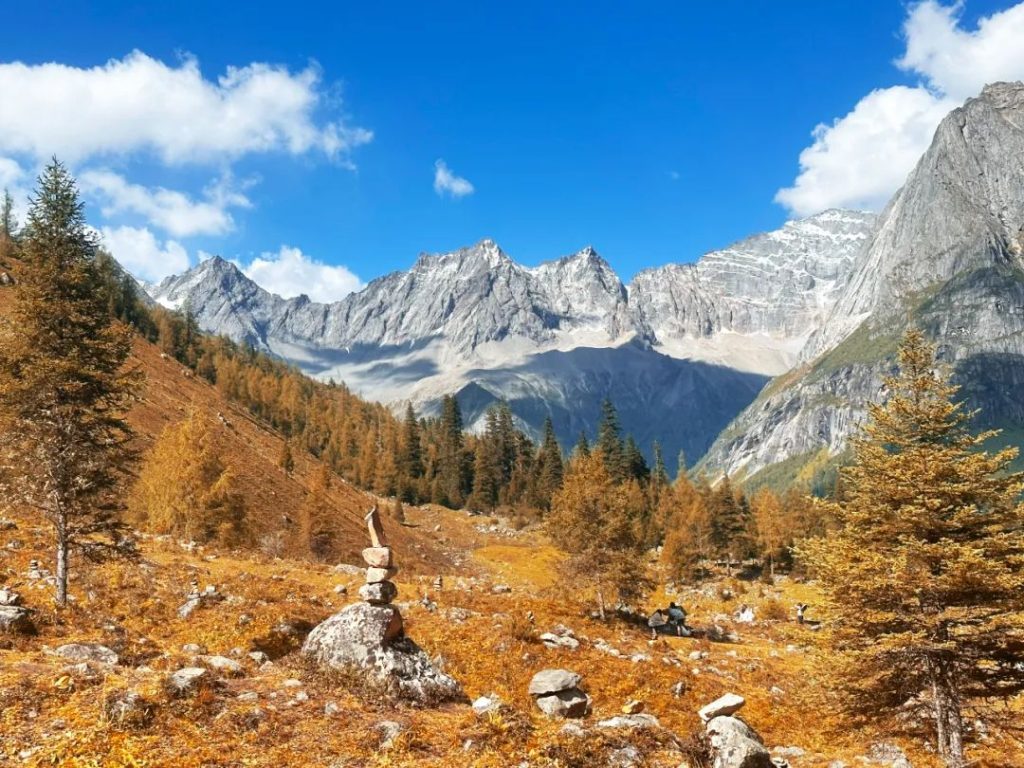
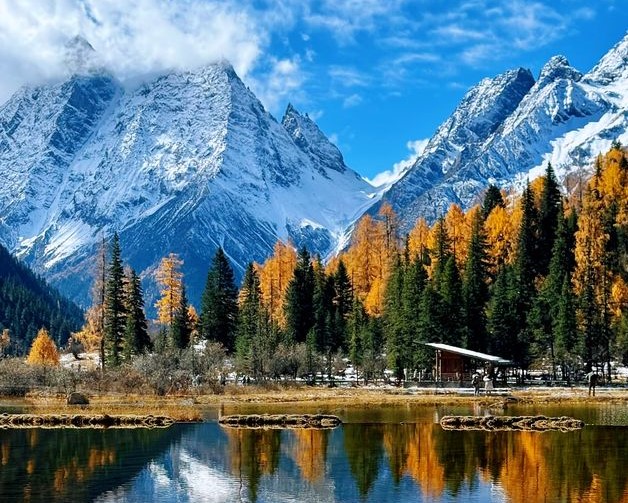
· Weather Conditions: Autumn is the driest and sunniest season in Mount Siguniang. The average temperature ranges from 5 Celsius to 15 Celsius, with large temperature differences between day and night. September and October are mostly clear and windless, while November sees a sharp drop in temperature and the first snowfall of the season.
· Scenery Highlights: Late September to late October is the "golden period" for autumn scenery. The forests turn into a riot of colors—red maples, golden birches, and orange shrubs—creating a stunning autumn palette. The sky is crystal clear, and the snow-capped peaks are visible in all their glory, making it a paradise for photographers.
· Travel Advantages: This is widely regarded as the best season for mount siguniang tourism. The stable weather, high visibility, and breathtaking autumn scenery ensure a perfect travel experience. It’s suitable for all types of travelers, from casual sightseers to serious hikers.
· Notes: Bring warm clothing (such as a thick jacket or down vest) for cold nights. The ultraviolet radiation is still strong during the day, so don’t forget sunscreen and sunglasses. November may see snow on some roads, so check road conditions before driving and equip your vehicle with snow chains if necessary.
4. Winter: December - February
Winter in Siguniang is cold and snowy, with temperatures often dipping below freezing. While it’s not the most popular time for trekking due to the harsh conditions, the snow-covered peaks offer an entirely different kind of beauty. If you enjoy winter sports or peaceful, snow-capped views, winter might be the perfect time for you to visit. However, be prepared for the extreme cold, and ensure you have the necessary gear.
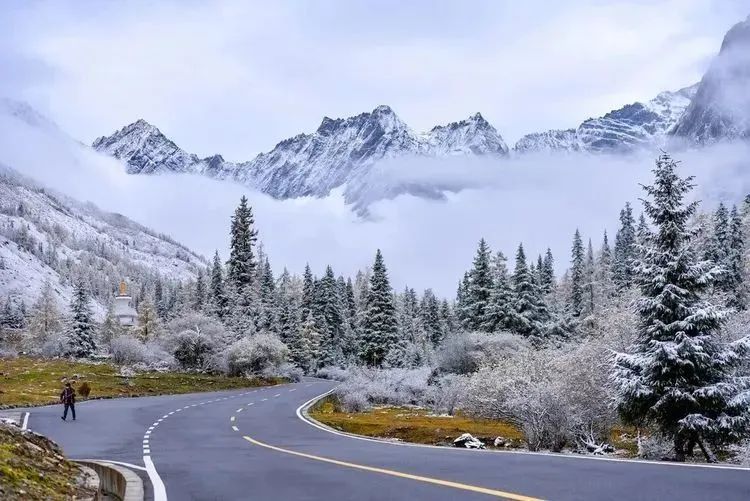
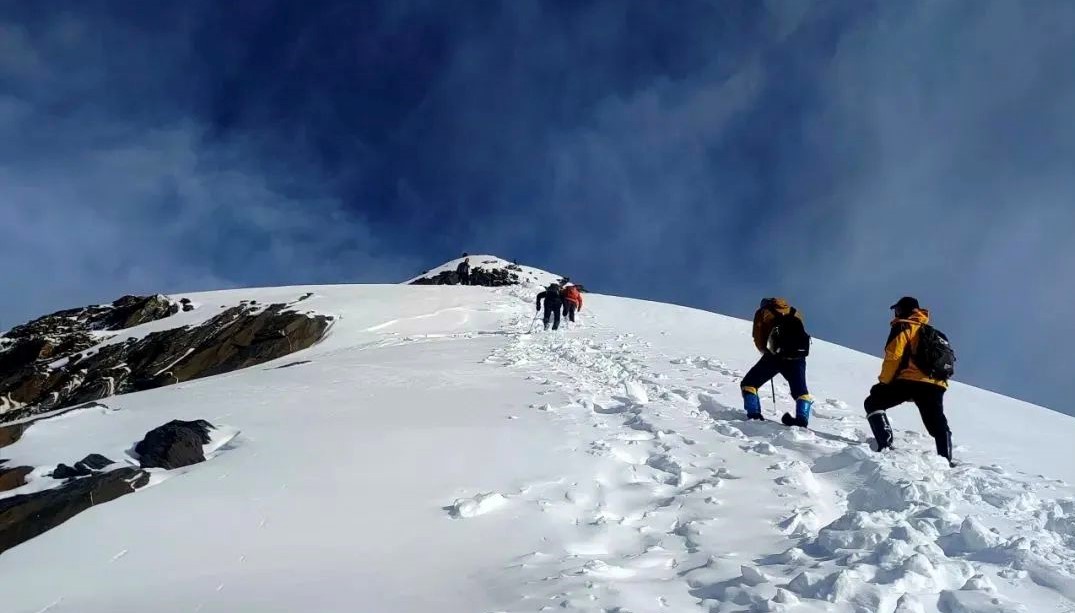
· Weather Conditions: Winter in Mount Siguniang is cold and dry, with an average temperature of -5 Celsius to 5 Celsius. Heavy snowfall covers the entire scenic area from December to February, with snow depths reaching 50-100 centimeters in mountainous areas. The wind is strong, especially in high-altitude regions.
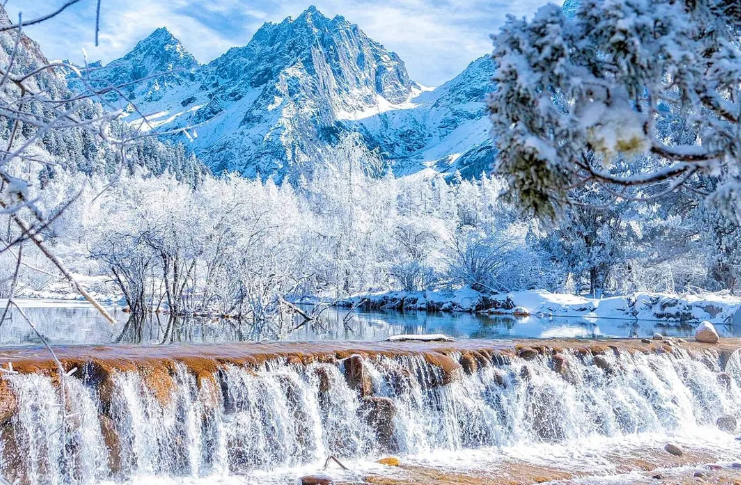
· Scenery Highlights: The mountains are covered in a thick layer of snow, transforming the landscape into a pure white wonderland. The frozen lakes, snow-capped peaks, and snow-covered forests create a serene and magical atmosphere. It’s a perfect time to experience the tranquility of winter.
· Travel Advantages: As the quietest season, there are almost no crowds, allowing you to enjoy the scenery in peace. It’s ideal for winter photography, skiing (at nearby ski resorts), and experiencing Tibetan New Year customs. Accommodation prices are at their lowest.
· Notes: Dress in warm, waterproof clothing, including down jackets, thermal underwear, snow boots, and gloves. Use non-slip shoes to avoid falling on icy surfaces. Some high-altitude hiking routes are closed, so confirm opening status in advance. Prevent frostbite and altitude sickness by staying hydrated and avoiding strenuous exercise.
5. Special Weather Warnings
· Heavy Rain and Geological Hazards: From June to August, the rainy season increases the risk of mudslides and flash floods, especially in gully areas. Follow scenic area warnings, avoid hiking alone in remote valleys, and evacuate to higher ground immediately if heavy rain occurs.
· Intense Ultraviolet Radiation: Due to the high altitude and thin atmosphere, ultraviolet radiation is strong year-round. Use sunscreen with SPF 50+, wear sunglasses and a wide-brimmed hat, and avoid prolonged exposure to the sun during midday (10 AM to 4 PM).
· Strong Winds: Spring and winter are windy seasons, with wind speeds reaching 5-8 levels in high-altitude areas. Bring windproof clothing and avoid staying on open slopes or mountain ridges for a long time to prevent being blown over.
· Hail: Occasional hailstorms occur in mountainous areas during summer afternoons. If you encounter hail, seek shelter in a vehicle or a solid building immediately and avoid staying under trees or in low-lying areas.
Experience Chengdu: Your Perfect Tour, Your Way!
Every traveler’s Chengdu journey is different—and we’re here to make yours truly special. Our expertly crafted tours let you explore everything from the iconic pandas and ancient Buddhist landmarks to the vibrant streets where spicy dishes await. Whether you're looking for a slow-paced cultural tour or a food-filled adventure, we'll design the ideal experience for you.
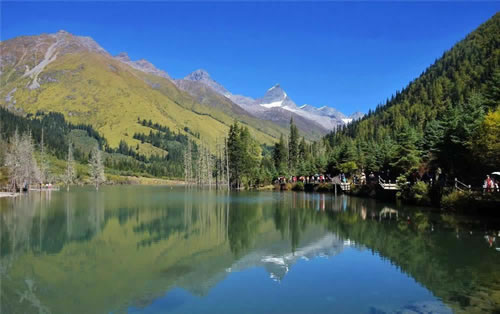 3 Days Mt.Siguniangshan Leisure Tour with Top Highlights
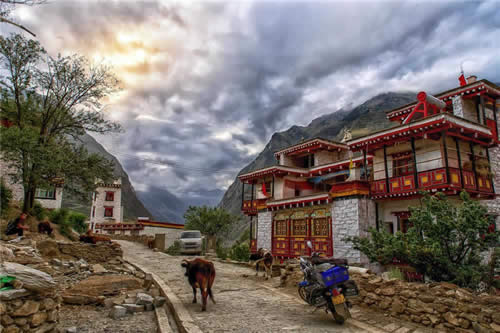 2 Days Ultimate Danba Private Tour with Tibetan Culture and Scenery
Detailed Weather Conditions in Siguniang
A. Temperature and Precipitation
1. Monthly Temperature Breakdown
Siguniang Mountain's temperature is significantly influenced by altitude. The following data is based on the base area (Rilong Town, 3200 meters above sea level). For high-altitude areas (above 4000 meters), the temperature decreases by approximately 6 Celsius for every 1000-meter increase in altitude. Units: Celsius.
| Month | Avg Low | Avg High | High Altitude Avg | Notes |
| January | -10 | 3 | -19 ~ -10 | Coldest month of the year with frequent night frosts |
| February | -8 | 5 | -17 ~ -8 | Temperatures rise slowly; severe cold persists |
| March | -5 | 8 | -14 ~ -5 | Frequent late spring cold snaps; large day-night temperature difference |
| April | 0 | 12 | -9 ~ 0 | Volatile temperatures; occasional snowfall |
| May | 3 | 15 | -6 ~ 3 | Mild late spring; no extreme low temperatures |
| June | 8 | 18 | -1 ~ 8 | Enter rainy season; stable temperatures |
| July | 10 | 20 | 1 ~ 10 | Hottest month of the year; cool nights |
| August | 9 | 19 | 0 ~ 9 | Late rainy season; slight temperature drop |
| September | 5 | 16 | -4 ~ 5
| Clear and crisp autumn; comfortable temperatures |
| October | 0 | 12 | -9 ~ 0 | Rapid temperature decline; frost appears at the end of the month |
| November | -6 | 6 | -15 ~ -6 | First snowfall occurs; cold intensifies |
| December | -11 | 2 | -20 ~ -11 | Frigid and dry; mostly sunny and cold weather |
2. Precipitation Trends
Precipitation in Siguniang Mountain is mainly rainfall, while snowfall dominates in high-altitude areas during winter. The annual total precipitation ranges from 700 to 900 millimeters, with the following key trends:
· Rainy Season: June to August is the peak precipitation period, accounting for 60%-70% of the annual total. July has the highest rainfall (approximately 150-180 millimeters), mostly in the form of afternoon thunderstorms—short in duration but intense, occasionally accompanied by hail.
· Dry Season: November to April is the dry period, with precipitation accounting for only about 10% of the annual total. December to February sees the least precipitation (less than 10 millimeters per month), with low air humidity and mostly sunny days.
· Transition Period: May and September-October are transition phases for precipitation. Rainfall gradually increases in May (around 60-80 millimeters), mainly light rain. From September to October, precipitation decreases rapidly (about 80 millimeters in September and 30 millimeters in October), with mostly sunny weather and moderate humidity.
· Regional Differences: High-altitude areas (above 4000 meters) receive slightly more annual precipitation than the base area, with a higher proportion of snowfall. Valley areas (such as the bottoms of Shuangqiao Valley and Changping Valley) have slightly less precipitation due to topographic obstruction compared to open areas.
B. Snowfall and Frost Seasons
1. Snowfall Season
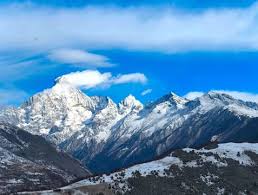
Snowfall timing is closely related to altitude, showing the characteristic of "earlier first snowfall and later snowmelt in high-altitude areas, and later first snowfall and earlier snowmelt in low-altitude areas":
· High-altitude areas (above 4000 meters, e.g., Haizi Valley, Yaomei Peak):
· First snowfall: Late September to early October, mostly light snow; snowfall frequency increases after late October.
· Peak snowfall period: November to March, with 8-15 snowfall days per month. Snow depth can reach 50-150 centimeters, and snow in some shaded areas can persist until May of the following year.
· Last snowfall: Late April to early May of the following year; small-scale snowfall may still occur in May.
· Base area (Rilong Town, 3200 meters):
· First snowfall: Mid-November to early December, mostly sleet that is difficult to accumulate.
· Peak snowfall period: December to February, with 3-8 snowfall days per month. Snow depth is mostly 10-30 centimeters, which melts easily after sunny days, with little long-term accumulation.
· Last snowfall: Late March; snowfall in March is mostly "peach blossom snow" (late spring snow) with short duration.
2. Frost Season
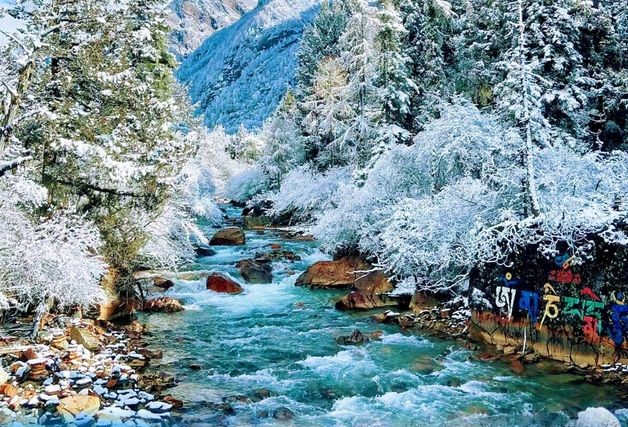
Siguniang Mountain has a long frost period, significantly affected by altitude and nighttime radiative cooling:
· High-altitude areas (above 4000 meters): The frost period lasts 9 months, from early September to mid-June of the following year. Nighttime temperatures are generally below 0 Celsius, and the ground is prone to frost and even freezing, which has a significant impact on vegetation and hiking trails.
· Base area (Rilong Town, 3200 meters): The frost period lasts about 6 months, from mid-October to late April of the following year. Frost is most frequent in December and January, with nighttime minimum temperatures below -8 Celsius and ground frost thickness up to 1-3 centimeters. Late frost may still occur in April, affecting spring crops.
· Impacts of frost: Frost causes slippery roads in the early morning (especially in valleys and shaded areas), so non-slip shoes are necessary for hiking. In high-altitude areas, roads may still freeze due to frost in May and June, requiring advance precautions.
C. Altitude and Weather Variation
1. How Altitude Affects Temperature and Climate
Siguniang Mountain has an altitude range from 2900 meters (valley bottoms) to 6250 meters (summit of Yaomei Peak). Altitude is the core factor influencing local weather, with the following main mechanisms:
· Temperature lapse rate: Follows the plateau climate rule of "a 6 Celsius temperature drop for every 1000-meter increase in altitude". For example, when the average maximum temperature in the base area (3200 meters) is 20 Celsius in July, the temperature at the mid-section of the mountain (5200 meters) is only 8 Celsius, and the temperature at the summit (6250 meters) drops to 2 Celsius.
· Changes in humidity and precipitation: As altitude increases, air humidity first increases and then decreases. The 3200-4500 meter area is a precipitation-concentrated zone, with more clouds, fog, and precipitation due to orographic lifting. Above 4500 meters, the air is thin, humidity decreases, and precipitation decreases but mostly occurs as snowfall.
· Increased wind speed: Wind speed increases with altitude. Areas above 4000 meters are dominated by northwest winds year-round, with wind speeds of 3-5 levels. In winter, wind speeds often reach 6-8 levels, and winds are stronger at high-altitude passes, prone to "sudden strong winds".
· UV radiation intensity: UV radiation intensity increases by 15%-20% for every 1000-meter increase in altitude. In areas above 5000 meters, UV radiation intensity is 2-3 times that of plain areas, with no significant weakening period throughout the year, causing great harm to the skin and eyes.
· Weather stability: Weather is relatively stable in low-altitude valleys, while it is highly volatile in high-altitude areas. Sunny weather can suddenly turn cloudy, snowy, or windy, especially in the afternoon of summer, when thunderstorms are likely to occur.
2. Variations Between Base and Summit
Taking the base area (Rilong Town, 3200 meters) and the summit (Yaomei Peak, 6250 meters) as comparative samples, the climate differences are significant, as follows:
| Climate Factor | Base Area | Summit Area | Key Differences |
| Annual Average Temperature | Around 3 Celsius | Around -18 Celsius | Temperature difference of 21 Celsius; the summit is frigid year-round |
Extreme High Temperature
| 25 Celsius (July) | 5 Celsius (July) | No real "summer" on the summit |
| Extreme Low Temperature | -15 Celsius (January) | -35 Celsius (January) | The summit is extremely cold in winter, exceeding human tolerance |
| Precipitation Form | Rainfall (June-August), snowfall (December-February) | Mostly snowfall year-round; occasional rainfall only in July-August | No obvious "off-season" for snowfall on the summit |
| Annual Precipitation | About 800 millimeters | About 950 millimeters
| The summit receives slightly more precipitation, mostly in solid form |
| Wind Speed | Annual average 2-3 levels | Annual average 5-7 levels; 8-10 levels in winter | Wind speed on the summit is 2-3 times that of the base area; storms often occur |
| Air Humidity | Annual average 60%-70% | Annual average 40%-50%
| The summit has dry air, with significantly lower humidity than the base area |
| Weather Stability | Relatively stable; mostly sunny
| Extremely unstable; sudden shifts between sunshine, rain, snow, and wind | No stable weather lasting more than 24 hours on the summit |
| Frost-Free Period | About 90 days (June-August)
| None; frost or freezing year-round | The summit has no frost-free period and is covered in ice and snow year-round |
Travel Tips by Scenarios
1. Best Time to Visit
· For Photography: Late September to late October is the prime time. The clear sky, colorful forests, and snow-capped peaks create the perfect shooting conditions, with high photo success rates.
· For Summer Cooling: June to August is ideal. The average temperature of 10 Celsius-20 Celsius provides a cool escape from the heat, and the lush green scenery is refreshing.
· For Hiking and Adventure: May-June and September-October are the best periods. The weather is stable, the trails are dry (with less mud), and the temperature is suitable for long-distance hiking.
· For Quiet and Budget Travel: December to February (winter) or March to April (early spring) offer fewer tourists and lower costs. Winter showcases the pure beauty of snow, while early spring allows you to experience the tranquility before the peak season.
2. Altitude Sickness Prevention & Response
· Pre-Trip Preparation: Avoid strenuous exercise 1-2 weeks before departure to conserve physical strength. You can take anti-altitude sickness medication (such as Rhodiola) as prescribed by a doctor 3-5 days in advance to help your body adapt.
· Acclimatization on Arrival: Start your trip in Rilong Town (altitude about 3200 meters) and spend 1-2 days acclimatizing before visiting higher-altitude attractions (such as Haizi Valley, altitude above 4000 meters). Avoid taking a bath or drinking alcohol on the first day to reduce the burden on your body.
· Daily Care: Drink 2-3 liters of water per day to stay hydrated, which helps alleviate altitude sickness. Eat light, easy-to-digest food and avoid overeating. Take walks slowly and avoid running or climbing rapidly.
· Emergency Response: Carry a portable oxygen cylinder (available for purchase in Rilong Town or the scenic area). If you experience severe symptoms such as persistent headache, difficulty breathing, or nausea and vomiting, immediately descend to a lower altitude and seek medical attention at the nearest clinic.
3. Packing List
· Clothing: Pack layers for temperature changes—waterproof and windproof jacket, fleece jacket, thermal underwear, and down jacket (essential for spring, autumn, and winter). For summer, bring a light down jacket or thin windbreaker for cold nights.
· Protection Gear: Sunscreen (SPF 50+), sunglasses, wide-brimmed hat, mask (for wind and dust), and lip balm with SPF.
· Outdoor Supplies: Non-slip hiking shoes, trekking poles (to reduce knee pressure), waterproof backpack, raincoat or poncho, and a flashlight (for emergency use in case of power outages).
· Other Essentials: ID card, border pass (required for some remote areas near the Sichuan-Tibet border), common medications (cold medicine, gastrointestinal medicine, band-aids), and a small amount of cash (mobile signal is weak in some mountainous areas).
4. Accommodation Tips
· Accommodation: Rilong Town is the main accommodation hub, with options ranging from budget inns (100-300 yuan/night) to high-end homestays (500-1500 yuan/night). Book 1-2 months in advance during peak seasons (National Day holiday, summer vacation), while winter allows on-site price negotiation. For a unique experience, camp in designated areas (with permission) in Changping Valley or Haizi Valley.
5. Food & Cultural Etiquette
· Food: The local cuisine combines Sichuan flavors (spicy) and Tibetan specialties. Try must-try dishes such as yak meat hot pot, tsampa (roasted barley flour), butter tea, and highland barley wine. Eat moderately to avoid stomach discomfort, and drink plenty of water to balance the spicy taste.
· Cultural Etiquette: Respect local customs when entering Tibetan villages. Do not take photos of locals or temple Buddha statues without permission. Do not touch or step on religious items such as prayer flags, mani piles, or prayer wheels. When visiting a Tibetan family, remove your shoes before entering and accept butter tea or snacks with both hands as a sign of respect.
6. Travel Insurance and Permits
· Why Travel Insurance is Crucial?
Travel insurance is essential for any trek in Mount Siguniang due to the unpredictable weather, rugged terrain, and potential health risks from high altitudes. Insurance typically covers medical emergencies, trip cancellations, and emergency evacuation. Given the mountain’s remote location, insurance ensures that you won't face unexpected financial burdens in case of accidents, altitude sickness, or weather-related issues.
· Permits Required for Trekking
To trek in Mount Siguniang, you need the Siguniang Mountain Entry Permit and possibly a Trekking Permit for remote areas. These permits are essential for hiking on designated trails, such as Haizi Valley or Changping Valley. You can obtain them from local travel agencies or the tourism bureau. These permits help ensure safety and environmental protection.
7. Ecological Protection Tips
Mount Siguniang’s fragile alpine ecosystem requires joint protection. Do not litter—carry a garbage bag and take all waste out of the mountain. Do not pick wild plants or feed wild animals (such as yaks and monkeys), as this disrupts the ecological balance. Follow scenic area regulations and do not enter unopened areas to avoid damaging the natural environment. Use environmentally friendly toiletries and reduce plastic waste to minimize your impact on the ecosystem.
Your Chengdu Adventure: Crafted with You in Mind!
Chengdu is more than just a city—it’s an experience waiting to be explored! Whether you’re captivated by ancient culture, intrigued by local markets, or ready to indulge in authentic Sichuan cuisine, our custom tours will help you discover Chengdu at your own pace. From iconic sights like the Giant Panda Breeding Center to hidden gems off the beaten path, your journey here will be unforgettable.
 4 Days Classic Siguniangshan Mountain Hiking Tour with Wolong Panda Base
 7-Day Sichuan Tour Package from Singapore: Chengdu, Jiuzhaigou, Leshan & Emei
How to Get to Mount Siguniang
A. Transportation Options
1. By Car
The most convenient way to reach Mount Siguniang is by private car. From Chengdu, the drive to the mountain takes about 5 to 6 hours (around 300 kilometers). You can rent a car or hire a driver from Chengdu to take you directly to the entrance of the mountain or your accommodation. The roads are well-maintained, but be aware that the terrain can be winding and steep as you approach the mountain area.
2. By Bus
Buses to Mount Siguniang depart from Chengdu’s Chengdu Xinnanmen Bus Station and Chengdu Shiyang Bus Station. The bus ride takes approximately 7 to 8 hours, with buses leaving in the morning and sometimes in the afternoon. The buses will take you to Rilong Town, which is the closest town to Mount Siguniang, from where you can take a taxi or local transport to the mountain.
3. By Train
Although there is no direct train to Mount Siguniang, you can take a train to Ya'an or Dujiangyan from Chengdu, and then continue your journey by bus or private car to the mountain. This option is less convenient and time-consuming, but it’s an alternative for those who want to enjoy the scenic train ride before heading into the mountains.
4. Tour Package
If you prefer a more guided experience, you can book a private tour package from Chengdu or nearby cities. These packages often include transportation, a local guide, and sometimes meals, making the journey to Mount Siguniang more comfortable and hassle-free.
B. Access from Chengdu and Surrounding Cities
1. From Chengdu
The most common route to Mount Siguniang is from Chengdu, the capital of Sichuan Province. Chengdu is a well-connected city with multiple transportation options to get to the mountain.
· By Car: The drive from Chengdu to Mount Siguniang is about 5 to 6 hours. You can take the Chengdu – Dujiangyan – Wenchuan – Xiaojin highway, a well-maintained route that leads to Rilong Town, the main base for Mount Siguniang tourism. Once in Rilong, you can hire a taxi or local transport to reach the mountain entrance.
· By Bus: From Chengdu, buses depart daily from Xinnanmen Bus Station and Shiyang Bus Station, heading to Rilong Town. The buses are a more budget-friendly option but can take longer, especially during peak seasons.
2. From Other Cities
If you are coming from nearby cities like Ya’an, Dujiangyan, or Wenchuan, you can also take a bus or drive to Mount Siguniang. Ya’an and Dujiangyan are connected to Chengdu by train, and from there, you can either take a bus or drive to Mount Siguniang.
For those coming from Chongqing or other major cities in Sichuan or surrounding provinces, taking a high-speed train to Chengdu is a fast and comfortable option, and then continuing the journey by car or bus.
What to Do in Siguniang Mountain
A. Trekking and Hiking
Siguniang Mountain is known for its challenging yet beautiful trekking routes. Here are some of the most popular and scenic trails:
1. Changping Valley
· Duration: 1-2 days
· Difficulty: Easy to moderate
· Highlights: This route is great for beginners or those short on time. The valley is home to lush forests, meadows, and towering snow-capped peaks. It's ideal for photographers and those who want to experience Siguniang’s natural beauty without an extended trek.

2. Haizi Valley
· Duration: 2-3 days
· Difficulty: Moderate to challenging
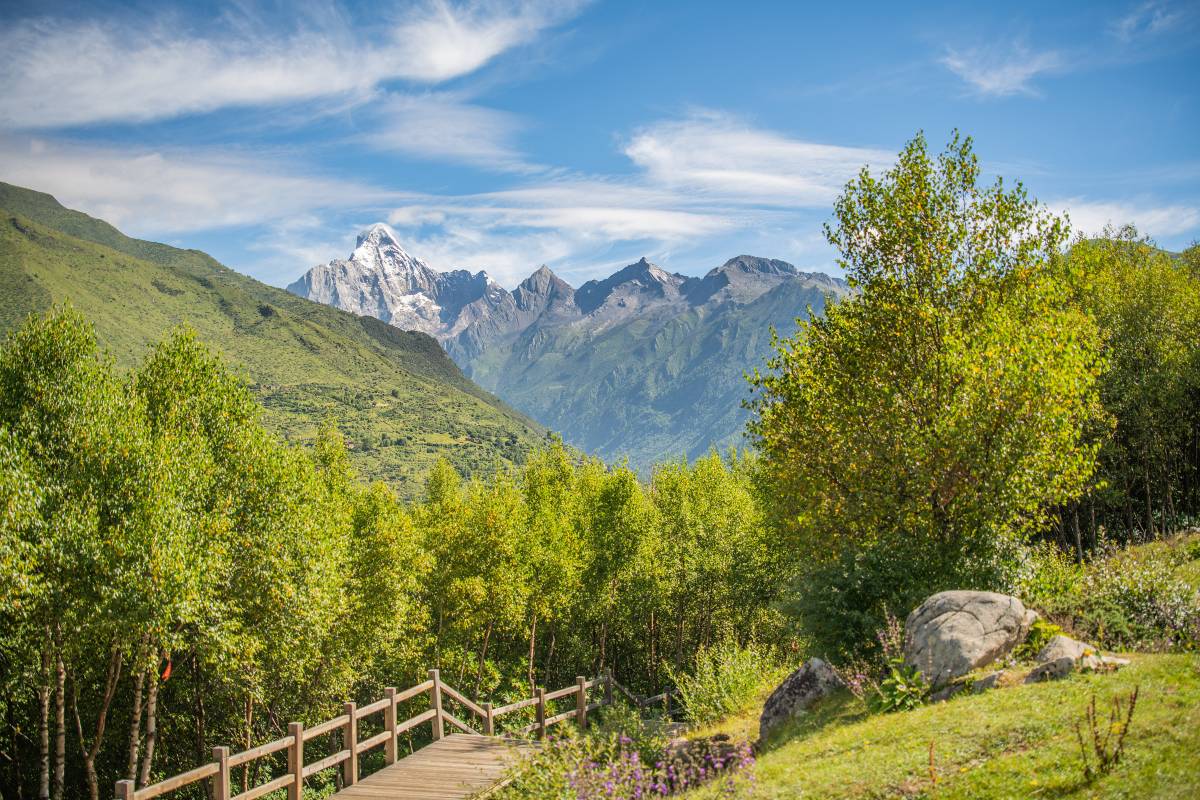
· Highlights: Known for its beautiful alpine lakes and stunning views, this trek is slightly more difficult, taking you deeper into the mountain’s rugged terrain. You'll pass through dense forests and reach high-altitude meadows with panoramic views of the surrounding peaks. The journey is more demanding but offers a true wilderness experience.
3. Shuangqiao Valley
· Duration: 1-2 days
· Difficulty: Moderate
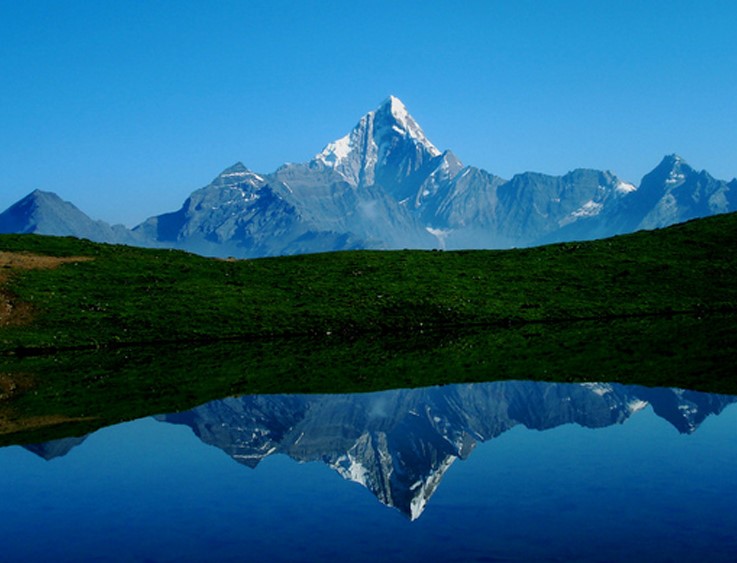
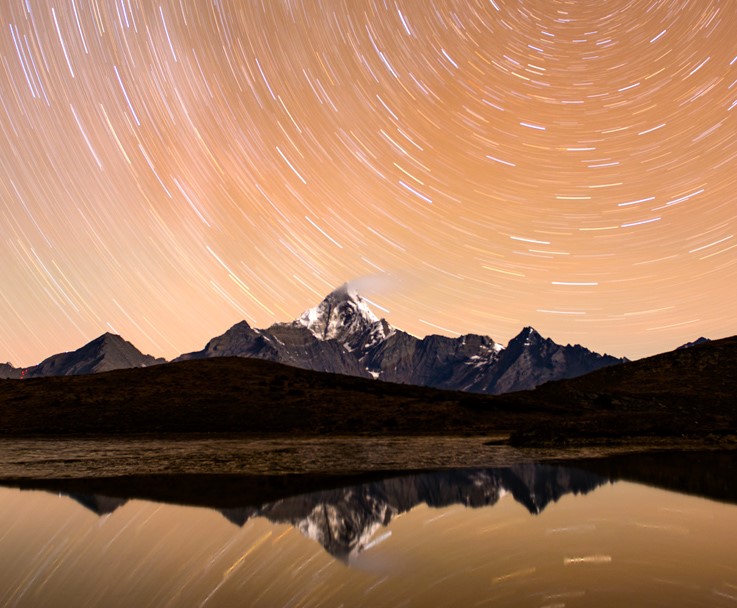
· Highlights: This route features beautiful waterfalls, meadows, and a mix of forested landscapes and snow-covered peaks. It’s ideal for those who enjoy a relatively easier trek with plenty of scenic beauty along the way.
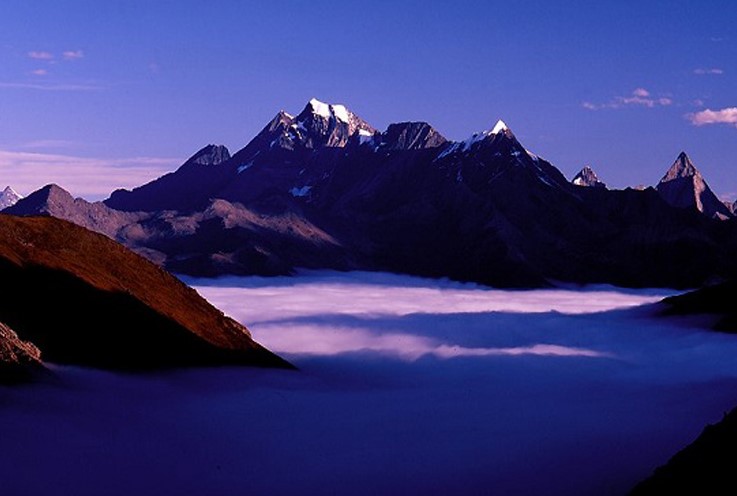
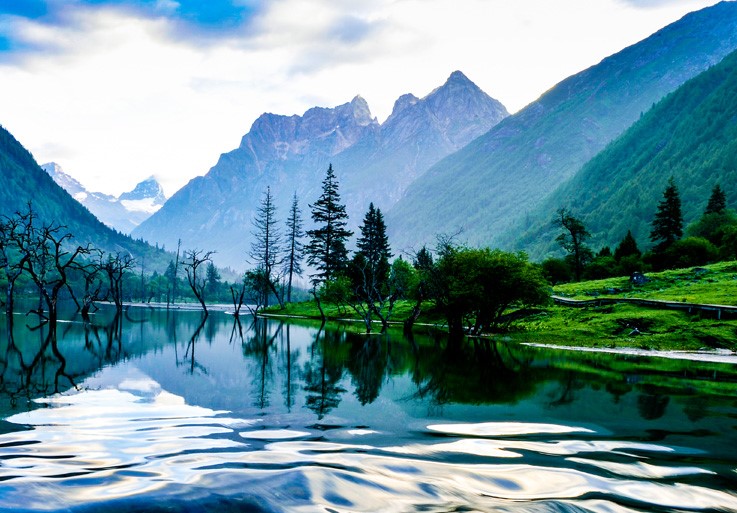
4. Siguniang Peak Trek
· Duration: Several days (advanced trekking)
· Difficulty: Challenging (climbing experience required)
· Highlights: For experienced mountaineers, the ascent to the summit of Siguniang Peak is a thrilling challenge. At an elevation of 6,250 meters (20,500 feet), this is not for the faint-hearted and requires technical climbing skills and proper equipment.

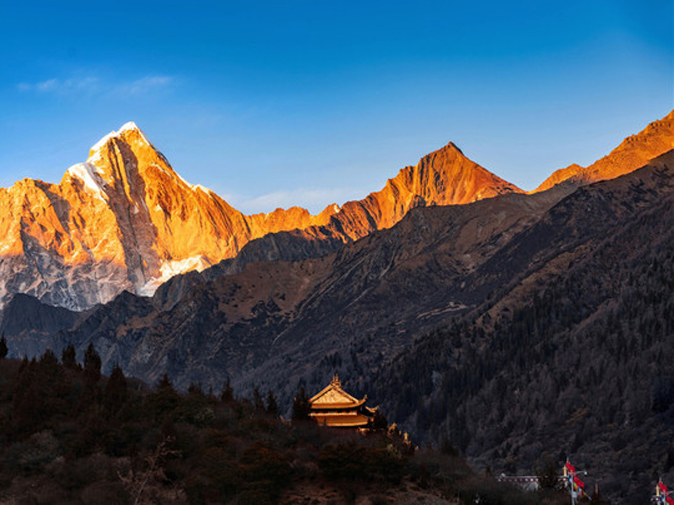
5. Difficulty Levels and Preparation
· Easy Treks: Changping Valley and Shuangqiao Valley are perfect for beginners or those looking for a leisurely trek with relatively easy terrain.
· Moderate Treks: Haizi Valley and parts of Shuangqiao Valley are great for those with some trekking experience. The trails are longer and can involve some steep sections, but they don’t require technical climbing skills.
· Challenging Treks: For the more experienced trekkers, summiting Siguniang Peak or tackling more rugged sections of Haizi Valley demands stamina and technical skills. You should be prepared for high altitudes and variable weather conditions.
6. Preparation Tips:
· Altitude Acclimatization: If you're not used to high altitudes, it's important to acclimatize before starting your trek to prevent altitude sickness. Consider spending a night in Rilong Town, which sits at around 3,000 meters, to adjust to the altitude.
· Physical Conditioning: Make sure you're in good physical condition, as trekking in Siguniang involves some steep climbs and unpredictable weather. Regular cardio and strength training will help you prepare.
· Essential Gear: Proper trekking boots, a lightweight waterproof jacket, a hat, gloves, and trekking poles are recommended for any hike in Siguniang.
B. Photography
Siguniang Mountain is a photographer's paradise, offering a wide range of subjects: from snow-covered peaks to alpine lakes, and dense forests to Tibetan villages. Here are some tips to help you capture the stunning landscapes of Siguniang:
1. Golden Hours: The best time for landscape photography is during the golden hours—the period just after sunrise and just before sunset. During this time, the light is softer, creating dramatic shadows and highlighting the mountain's textures.
2. Use a Wide-Angle Lens: To capture the grandeur of the mountain ranges, valleys, and lakes, a wide-angle lens is essential. It allows you to capture expansive landscapes in one shot and gives a sense of depth to your photos.
3. Focus on the Details: While the sweeping views are stunning, don’t forget to focus on the small details—like wildflowers, streams, and the unique architecture of Tibetan villages. These details will add variety to your photo collection.
4. Tripod for Long Exposure: For capturing the motion of waterfalls or flowing rivers, a tripod will help stabilize your camera for long exposure shots, which create a beautiful silky effect on moving water.
5. Bring Extra Batteries: Cold temperatures at higher altitudes can drain your camera batteries quickly, so be sure to bring extra batteries and memory cards.
6. Respect Nature: Be mindful of your surroundings and follow Leave No Trace principles. Avoid disturbing wildlife or damaging fragile ecosystems while taking photos.
C. Cultural Exploration
In addition to outdoor activities, Mount Siguniang is an excellent destination for cultural exploration, particularly due to its proximity to Tibetan villages. The region around Siguniang is home to Tibetan communities that have maintained their traditional way of life for centuries. These villages offer a unique opportunity to learn about Tibetan culture, religion, and customs.
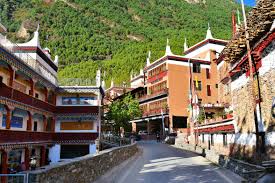
1. Rilong Town: This town, the closest to Mount Siguniang, is a good starting point for cultural exploration. It is inhabited by Tibetans, and you can visit local monasteries, such as Yala Monastery, where you can observe the daily lives of monks and gain insight into Tibetan Buddhism. The town is also famous for its traditional Tibetan architecture and vibrant local markets.
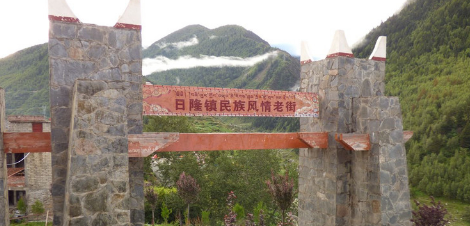
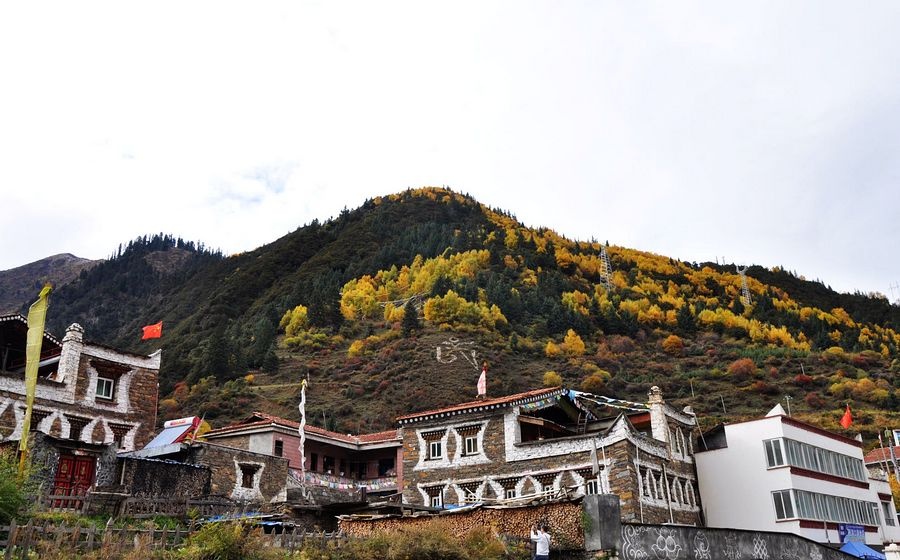
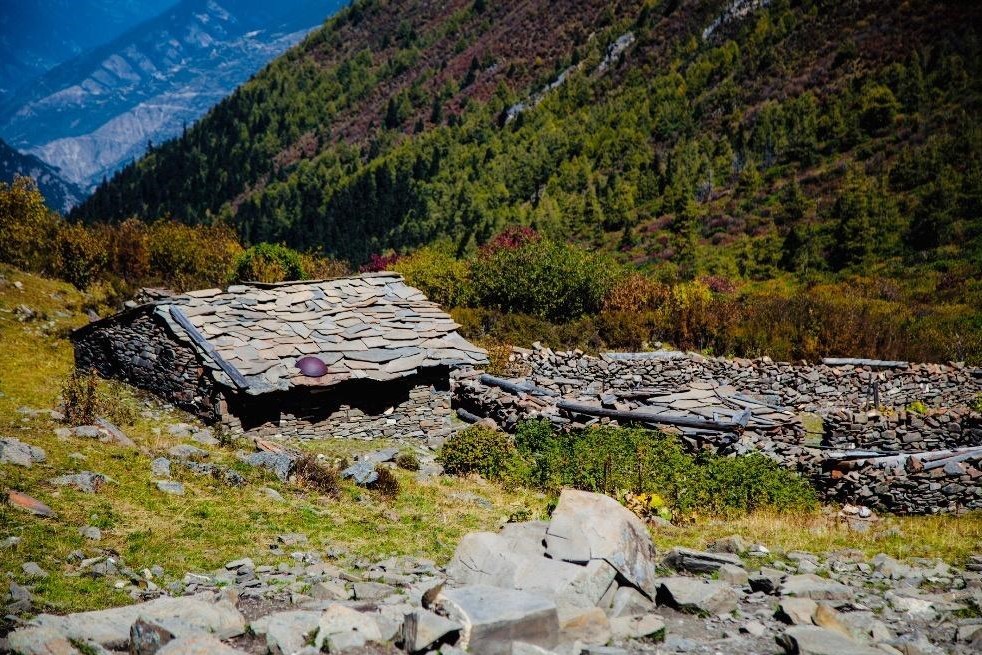
2. Tibetan Villages: Around the mountain, you’ll find scattered Tibetan villages such as Muya, where you can stay with local families in traditional Tibetan-style guesthouses. This is an excellent opportunity to learn about Tibetan life, including customs like yak herding, wool spinning, and Tibetan cooking.
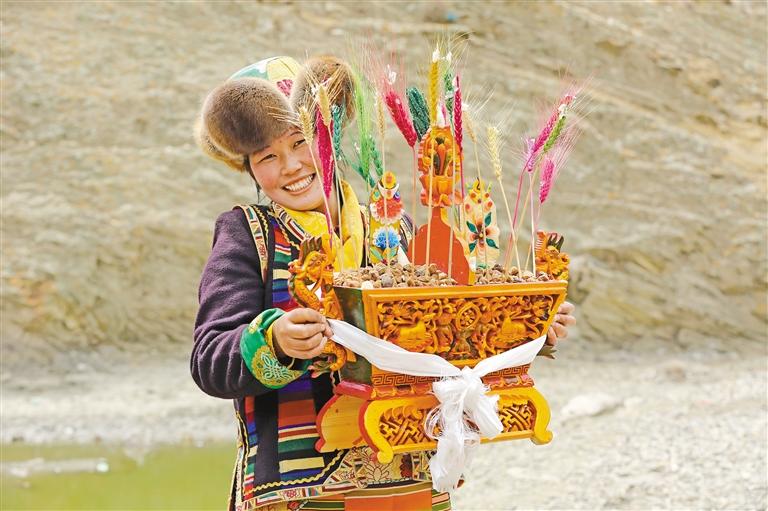
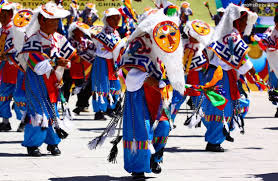
3. Tibetan Festivals: If you time your visit right, you may be able to experience a Tibetan festival, such as Lhosar or Zhoston Festival, which celebrates Tibetan culture through dancing, singing, and offerings to Buddhist deities. These festivals offer visitors a rare glimpse into the spiritual and social life of the Tibetan people.
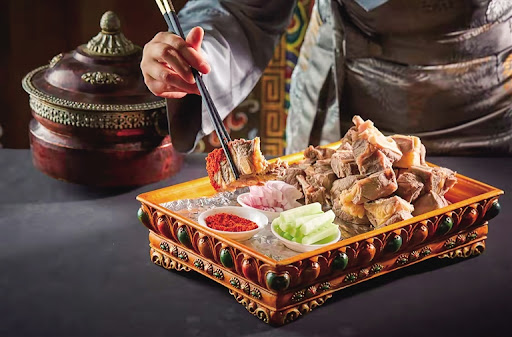
4. Tibetan Cuisine: Don’t miss the chance to taste traditional Tibetan dishes such as yak meat, butter tea, and momos. The local food is hearty and often made with ingredients sourced from the surrounding mountains.

D. Visiting the Natural and Geological Museums
1. Natural Museum
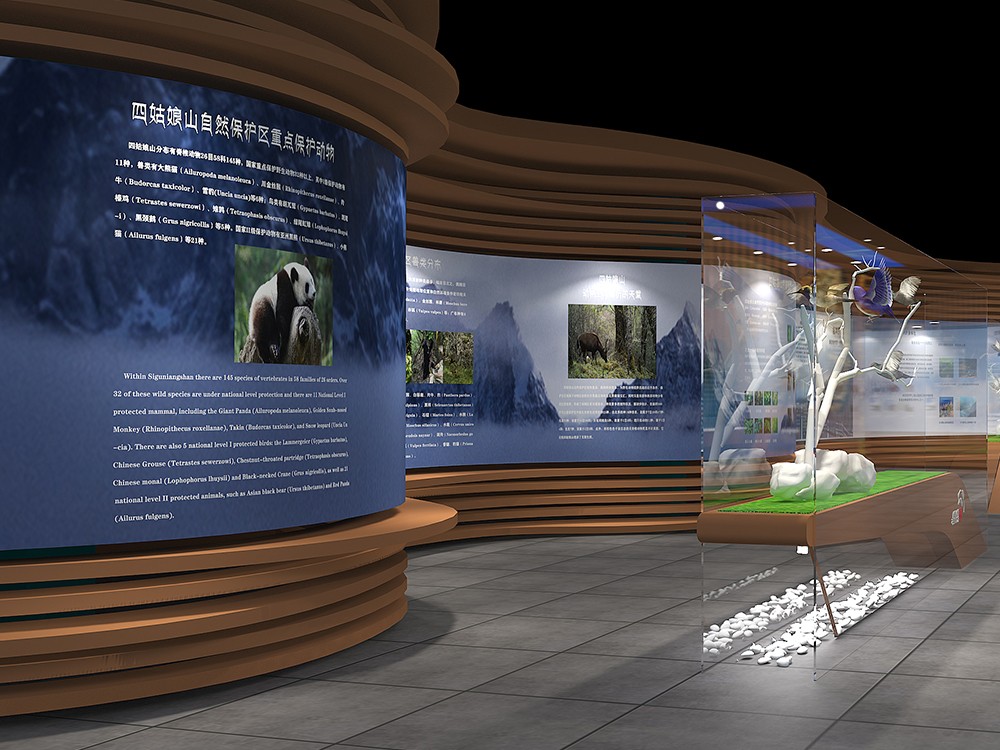
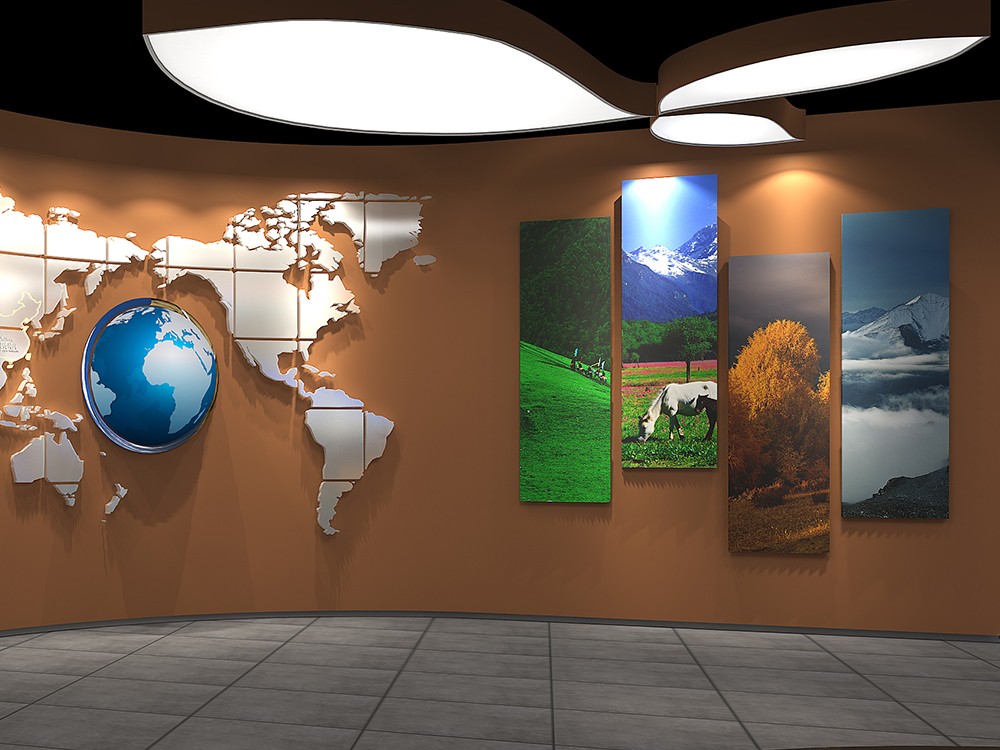
The Siguniang Mountain Nature Reserve Science Education Base covers an area of 6,000 square meters, with a building area of 3,200 square meters. It consists of two main sections: the science education museum and tourism service facilities, including dining and shopping areas. The science education museum, which was completed in October 2019 and opened to the public, focuses on providing information about the reserve’s basic facts, rare plant and animal species, geological history, and local customs. The museum’s exterior walls are constructed using traditional Jiarong Tibetan building techniques, featuring slate and stone blocks to form the walls, which are referred to as "stacking stones to build a room" in the Book of the Later Han Dynasty.
Museum Ticket Price: Free of charge
Opening Hours: 08:00 - 18:00
Location: Shuangqiao Valley Service Center
Highlights:
· Flora and Fauna Exhibits: The museum features informative displays about the various plant species found in the Siguniang Mountain range, from alpine meadows to dense forests. There are also sections dedicated to the region’s wildlife, including the snow leopard, giant panda, and golden monkey, highlighting their habitats, behaviors, and conservation efforts.
· Ecological Zones: Visitors can learn about the different ecological zones of Siguniang, ranging from the lowland forests to the high-altitude meadows and glaciers. The museum provides a clear picture of how the diverse altitude and climate variations create distinct ecosystems in this mountainous region.
· Conservation Awareness: The museum also emphasizes the importance of conservation, with displays that educate visitors about local efforts to preserve the fragile ecosystems and protect endangered species that live in the area.
2. Geological Museum
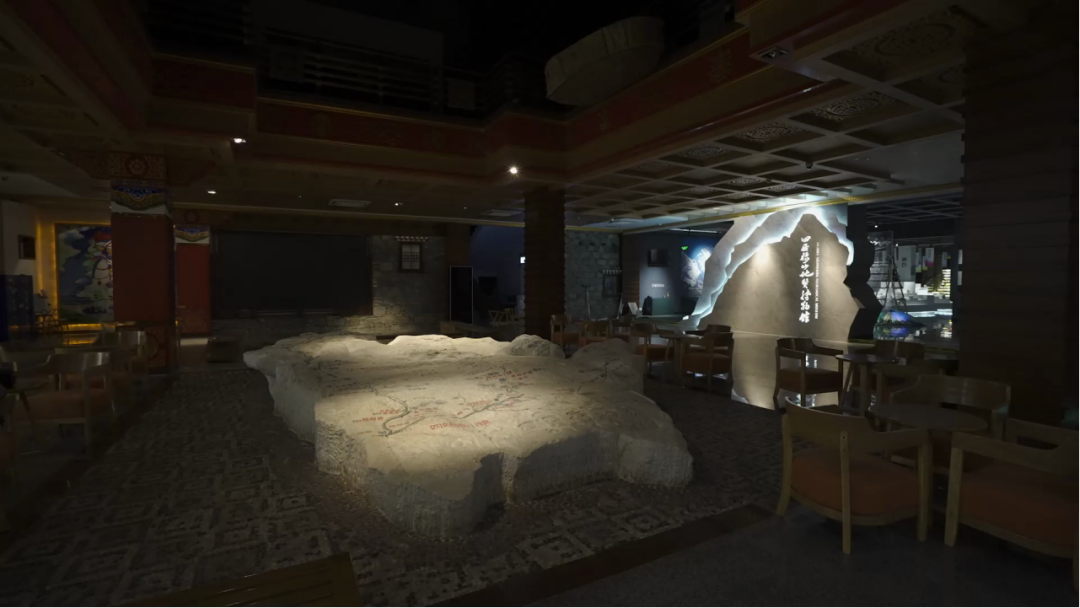
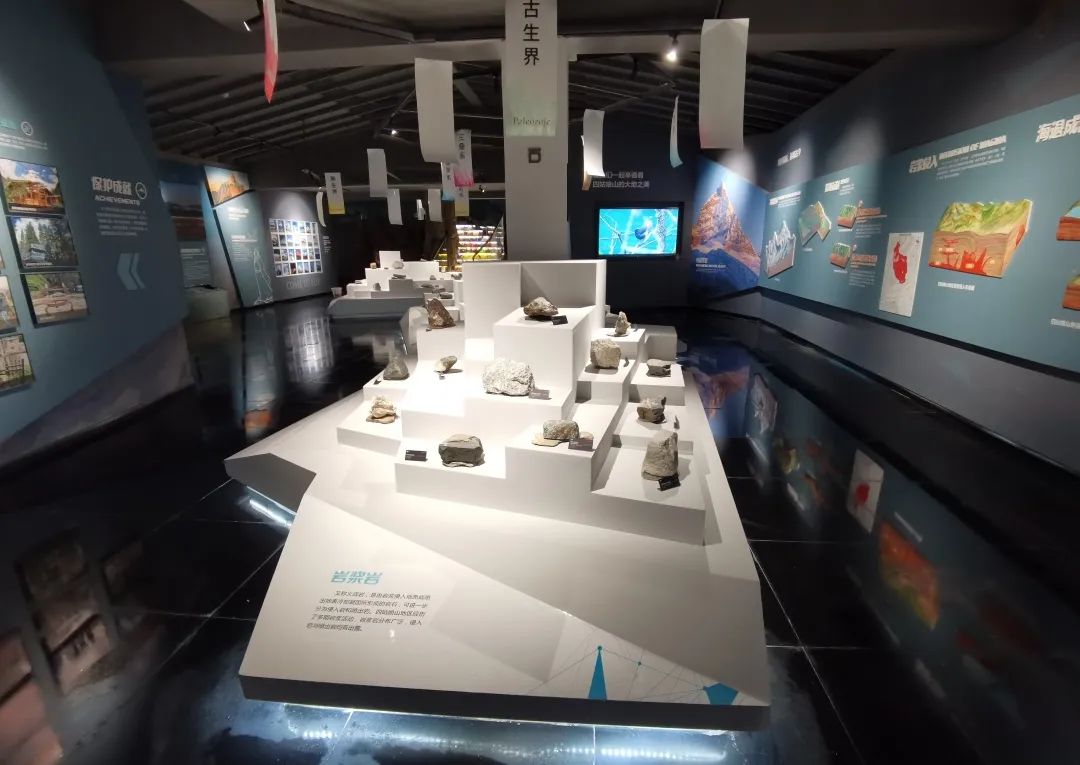
The Geological Museum is located in the main hall of the Siguniang Mountain Visitor Center. Construction of the Visitor Center began in early 2008, and it was put into use at the end of 2009. This year, it underwent a comprehensive upgrade and is now completely renovated. The overall architectural structure incorporates Tibetan architectural features and covers an area of 2,998 square meters. The Geological Museum occupies 472 square meters and is divided into three main exhibition areas: geological evolution, biodiversity, and Jiarong culture. It is a comprehensive museum that integrates park geology and landforms, plant and animal resources, and human history.
Museum Ticket Price: Free of charge
Opening Hours: 08:00 - 18:00
Location: Changping Valley Visitor Center
Highlights:
· Geological Formation Exhibits: The museum presents detailed displays about the geological history of the Siguniang area, including the formation of the Qionglai Mountain Range and the Siguniang Peaks. Visitors can learn about the ancient tectonic processes and forces that caused the rise of these majestic mountains and the creation of stunning geological features like glaciers, valleys, and rock formations.
· Rock and Mineral Samples: The museum houses a collection of rock and mineral samples from the Siguniang area, allowing visitors to examine firsthand the variety of geological materials that make up the mountain. This includes samples of granite, shale, and sedimentary rocks, which provide insight into the region's complex geological structure.
· Glacial and Erosion Studies: The museum also focuses on the study of glaciers and erosion, with models and explanations about how glaciers shaped the landscape, carving valleys and creating unique rock formations. It highlights the importance of glaciers in the mountain’s ecology and how climate change may impact these fragile systems.
· Interactive Learning: The museum includes interactive displays and models to engage visitors, offering a deeper understanding of the processes that have shaped the region’s dramatic topography.
E. Other Outdoor activities
1. Ice Climbing
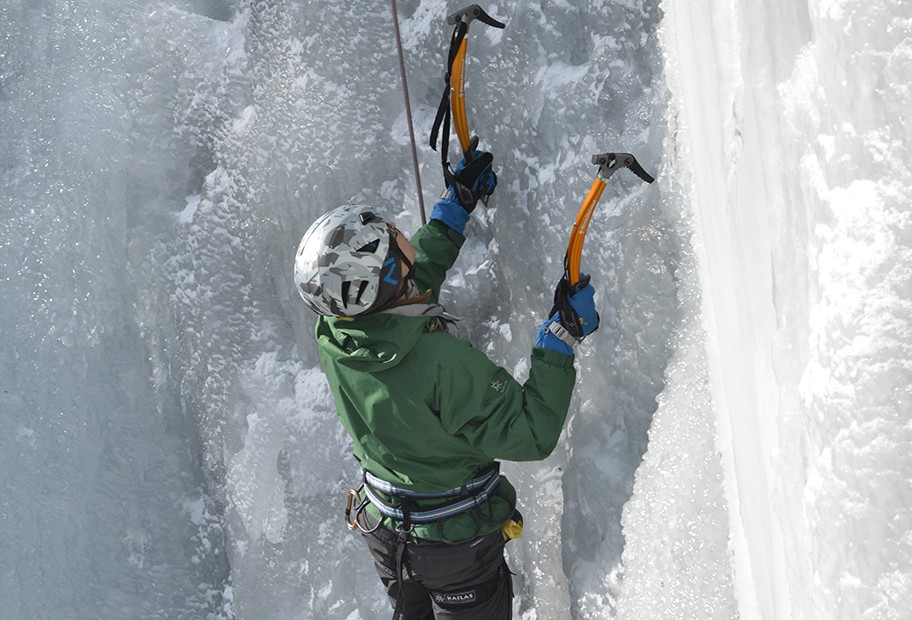
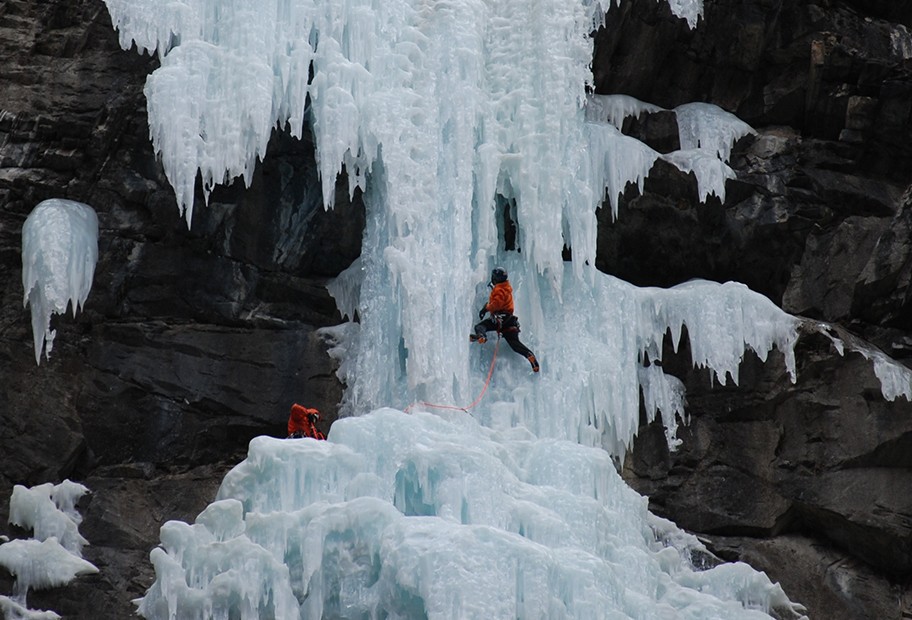
Ice climbing originated from mountaineering and is a sport that involves using specialized climbing equipment to scale ice walls, often referred to as "ballet on ice waterfalls." Siguniang Mountain is blessed with abundant ice wall resources, making it one of the most popular ice climbing destinations in China. It offers a variety of climbing routes with different difficulty levels, suitable for climbers of all abilities.
In Shuangqiao Valley of the Siguniang Mountain scenic area, the mountain streams that flow in the summer freeze into over a hundred ice waterfalls and ice walls during the winter. On both sides of the valley, hundreds of natural ice waterfalls hang, with over 30 of them accessible for beginners, while the rest are mid-to-high difficulty ice walls. Siguniang is the only destination in China with such a large number of ice walls of varying difficulty levels, and its convenient access makes it a prime location for ice climbing. Every ice season, ice climbing enthusiasts from both China and abroad come to learn, train, and experience the sport.
Equipment to Prepare:
· Main rope, helmet, harness, mountaineering boots, crampons, ice axes, ice screws, main carabiner, belay device, webbing, auxiliary rope, ice hooks, etc.
· Sunglasses, hat, jacket and pants (windproof and waterproof), sunscreen, water bottle, etc.
Ice Climbing Guide Services:
The guide services are provided by coaches from the Ling Climbing School. Each guide leads 1-2 climbers, selects suitable routes, and conducts multiple ascents. During the climbs, the guide will teach not only the techniques but also share climbing experience, providing climbers with a rich and immersive climbing experience.
Important Notes:
· Before ice climbing, inspect the terrain, assess the ice quality, and choose the appropriate climbing route and timing.
· Warmer temperatures or windy weather are unfavorable for ice climbing.
· Ensure all safety measures are in place, including wearing a harness, helmet, waterproof and warm gloves, and securing safety ropes before climbing.
· Be cautious of falling ice.
· When inserting the ice axe into the ice, do not apply excessive force and avoid swinging the axe, as this could cause the ice to crack and compromise its stability.
· When kicking ice, pivot around your knee joint and kick the ice smoothly with your foot to avoid injury to the other leg.
2. Rafting
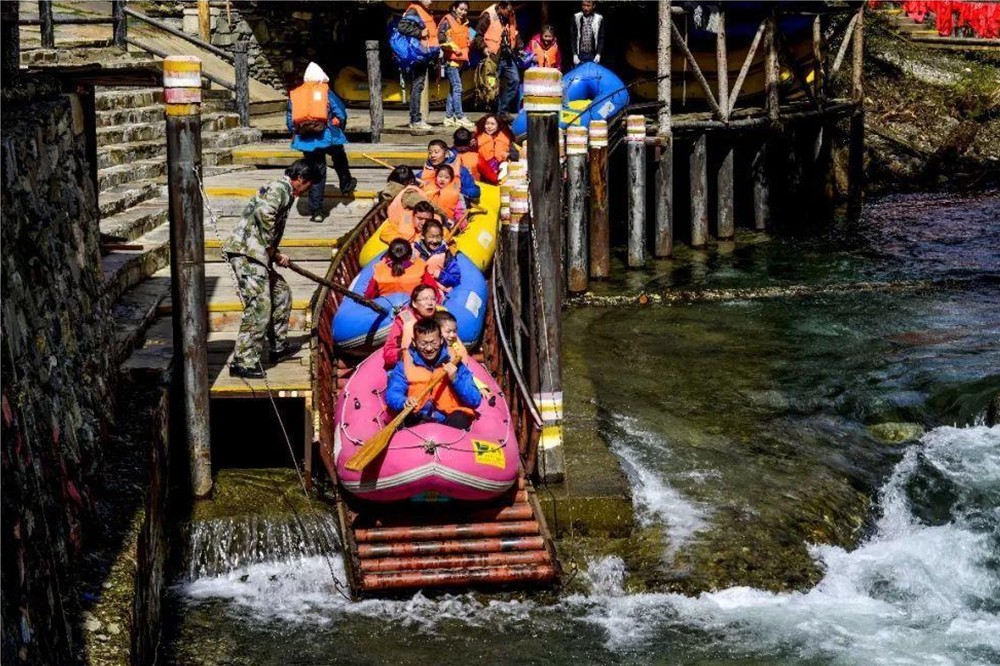
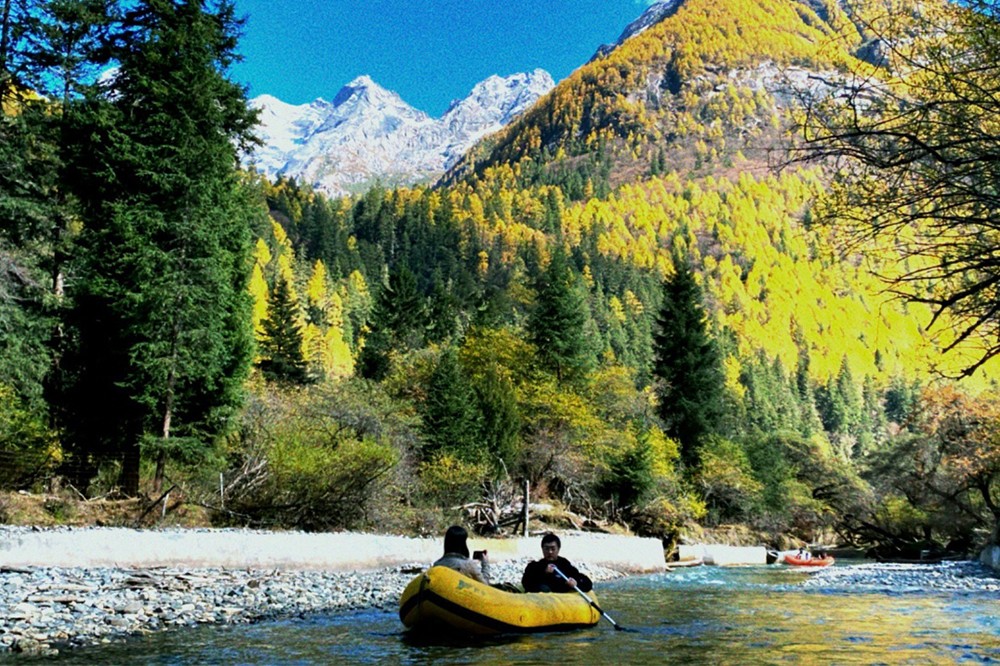
Siguniang Mountain whitewater rafting is located in the Shuangqiao Valley scenic area. The entire rafting course is about 4.5 kilometers long. The river here is relatively gentle compared to more thrilling rafting spots like Hongkou and Jiulong Gorge around Chengdu. However, the water comes from melting snowmelt, making it refreshingly cool. Sitting in the raft and quietly enjoying the beautiful scenery of Shuangqiao Valley, you can skip a section of the strenuous trekking. While rafting, you'll also have the opportunity to see the snow-capped peaks, the unique blue sky and white clouds of the plateau, alpine meadows on both sides of the river, and sandthorn forests, all of which make for a scenic and relaxing experience.
Important Notes:
· Before boarding, make sure to wear your life jacket properly and keep your valuables safe.
· During the rafting trip, standing up in the raft is strictly prohibited, as is horseplay or fooling around.
· Children must be supervised by a parent or guardian during the rafting experience. They are not allowed to play with paddles or splash water.
· Do not bring cash or valuables onto the raft. If you need to carry a camera, make sure to wrap it in a plastic bag beforehand.
· While rafting, avoid excessive movement. Hold onto the safety rope, keep your feet tight, and lean your body toward the center of the raft.
· Always follow the instructions and commands given by the staff.
Practical Supplementary Information
1. Scenic Area Opening Hours & Tickets
· Opening Hours: Summer (June-August): 7:30 AM - 5:30 PM; Winter (December-February): 8:00 AM - 5:00 PM; Spring and Autumn: 8:00 AM - 5:30 PM. Opening hours may change due to weather or maintenance, so confirm with the official website before traveling.
· Ticket Policy: Tickets are charged per valley. Shuangqiao Valley: 150 yuan/person (including sightseeing bus); Changping Valley: 90 yuan/person (sightseeing bus optional for 20 yuan/person); Haizi Valley: 60 yuan/person. Combination tickets are available for multiple valleys at a discounted price. Students, seniors (over 60), and disabled persons enjoy half-price tickets with valid certificates, while children under 1.2 meters are free.
2. Communication & Network
· Mobile Signal: Major scenic areas (Shuangqiao Valley, Changping Valley) have coverage from China Mobile and China Unicom. However, remote areas of Haizi Valley or high-altitude mountain ridges may have no signal. It’s recommended to carry a spare phone with a different operator’s SIM card.
· Internet: WiFi is available in hotels, restaurants, and scenic area visitor centers in Rilong Town. Network stability is poor in mountainous areas, so download offline maps (such as Gaode Maps or Baidu Maps) and essential travel information in advance.
Mount Siguniang is a destination that shines in every season—whether you’re chasing the spring flowers, escaping the summer heat, admiring the autumn foliage, or embracing the winter snow, it offers unique and unforgettable experiences. By understanding the siguniang mountain weather, choosing the best season for your needs, and following practical travel tips, you can fully immerse yourself in its natural beauty and cultural charm. Respect the local culture and protect the ecological environment, so that this "Oriental Alps" can continue to captivate travelers for generations to come. We wish you a wonderful journey filled with stunning views and precious memories in Mount Siguniang!
Your Way Holiday’s Complete Guide to Siguniang Mountain Weather & the Ideal Time to Explore
We design private and tailor-made Chengdu tours customized to your travel style at affordable local prices. You’ll enjoy the comfort of a private, spacious car and the company of a professional local guide with over 5 years of experience, dedicated exclusively to you or your group. From transportation and tickets to authentic dining experiences (we always recommend the dishes most loved by locals), everything will be arranged according to your preferences. Please take a look at some of our most popular Chengdu tours below:
 5 Days Sichuan Trips with Hailuogou Glacier Exploration
 4 Days Daocheng Yading Hiking Tour from Chengdu by Flight
Not exactly what you’re looking for? Don’t worry — all of our Chengdu tours can be fully customized based on your interests, schedule, and budget. We specialize in creating unique Chengdu experiences that go beyond the guidebook, giving you the chance to truly connect with the local culture and people. Our enthusiastic tour experts are always ready to provide detailed suggestions and will respond to your inquiry within 24 hours. Ready to explore Chengdu your way? Contact us today and let us design a Chengdu shopping experience that fits your style. Your Way Holiday looks forward to your message! We're ready to design an unforgettable Chengdu trip for you anytime.